




Aviation maintenance careers involve inspecting, repairing, and maintaining aircraft to ensure safety.
These roles help keep planes in top condition.
Maintenance professionals support safe aircraft operations through careful work.
Challenges in Aviation Maintenance Careers
One challenge involves following strict regulations and standards meticulously.
Additionally, professionals must work quickly and efficiently to minimize aircraft downtime.
Furthermore, the job can require long hours of standing and bending.
Rewards of Aviation Maintenance Careers
One major reward involves ensuring passenger safety.
Moreover, aviation maintenance professionals can pursue career advancement and specialization.
Finally, skilled and experienced workers can receive competitive salaries and benefits.
Challenges of Aviation Maintenance Careers
Aviation maintenance careers offer rewarding opportunities but also present several demanding challenges.
Professionals must prepare for demanding schedules, workplace pressure, continuous learning, and physical requirements.
These challenges require workers to manage their responsibilities carefully throughout their careers.
- Long work hours
- High stress levels
- Constant need for ongoing training
- Physical demands of the job
Long Work Hours
Aviation maintenance technicians often work long and irregular hours.
Those schedules become especially demanding for teams responsible for keeping aircraft in top condition.
Without effective management, extended hours can contribute to fatigue and burnout.
High Stress Levels
Aviation maintenance professionals carry significant responsibility for aircraft safety and airworthiness.
That responsibility can create high stress levels during daily maintenance work.
Furthermore, the pressure to meet demanding standards can affect their mental well-being.
Ongoing Training Requirements
The aviation industry continually introduces new technologies and regulations.
Therefore, maintenance professionals must regularly learn about the latest developments.
They also undergo ongoing training to maintain their certifications.
Physical Demands of the Job
Aircraft maintenance often requires physical strength and stamina.
Technicians may lift heavy equipment, climb ladders, and work in tight spaces.
These physical requirements can become more challenging as technicians grow older.
Successful professionals manage long hours, workplace stress, ongoing training, and physical demands.
Rewarding Aspects of Aviation Maintenance Careers
- Opportunities for career advancement
- Competitive salaries
- A sense of accomplishment in keeping planes safe and operational
- The ability to work with cutting-edge technology
Aviation maintenance careers offer several benefits that attract individuals seeking a fulfilling and challenging profession.
First, professionals can pursue career advancement as they gain experience and develop expertise.
Consequently, higher responsibilities can increase job satisfaction and create a sense of accomplishment.
Additionally, specialized skills and knowledge can support competitive salaries and financial stability.
Maintenance professionals also gain satisfaction from keeping aircraft safe and operational.
Their work directly supports passenger and crew safety, which can provide purpose.
Moreover, these careers involve cutting-edge technology as aircraft continue to advance.
Therefore, professionals must stay current with new technologies and techniques while adapting to industry developments.
This dynamic environment encourages continuous learning and keeps the work stimulating.
These benefits make aviation maintenance an appealing choice for people seeking meaningful technical work.
Gain More Insights: Port Operations Manager: Role in Port Development
Safety Standards in Aviation Maintenance Careers
Aviation maintenance careers place safety at the center of every responsibility.
Technicians follow established procedures to protect aircraft and passengers.
Therefore, safety remains a fundamental requirement throughout maintenance work.
Strict Safety Protocols and Procedures
Aviation maintenance technicians must follow strict safety protocols during their work.
Transform Your Career Today
Unlock a personalized career strategy that drives real results. Get tailored advice and a roadmap designed just for you.
Start NowThese procedures help technicians support aircraft safety and passenger protection.
Consequently, technicians cannot treat established safety requirements as optional.
Attention to Detail During Maintenance
Technicians use meticulous attention to detail when performing maintenance tasks.
They identify potential safety issues and address them through careful work.
As a result, precision supports safer aircraft maintenance outcomes.
Maintenance Professionals and Passenger Safety
Aviation maintenance professionals play a critical role in passenger safety.
Passengers depend on their work when they travel by air.
For this reason, maintenance responsibilities directly affect aviation safety.
Consequences of Maintenance Errors
A single maintenance mistake can create serious safety consequences.
Even a minor error may affect aircraft safety and passenger security.
Accordingly, technicians must maintain precision and follow safety standards consistently.
Find Out More: Port Operations Manager: Leading Sustainability Efforts
Advantages of Job Stability in Aviation Maintenance
- Growing demand for qualified technicians
- Job security in the aviation industry
- Opportunities with various aviation organizations
- Ability to work in different locations
Job stability matters when professionals choose a career path.
Aviation maintenance offers technicians reliable positions within a dynamic and expanding industry.
Several features support this stability, including strong demand, varied employers, and flexible work locations.
Growing Demand for Qualified Technicians
Industry expansion creates continuing demand for qualified aviation maintenance technicians.
These professionals help ensure that aircraft operate safely and remain available for service.
As a result, skilled technicians can find plentiful employment opportunities within the field.
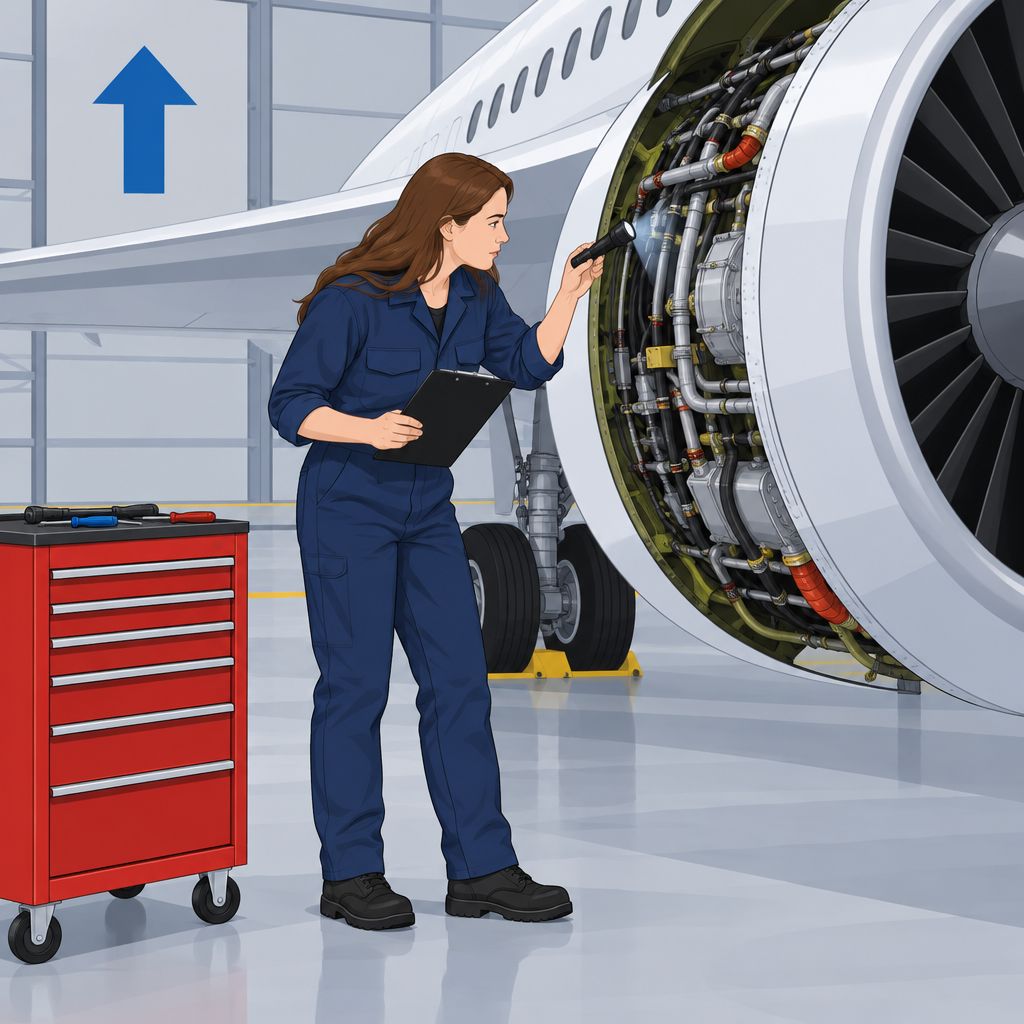
Job Security in the Aviation Industry
Technicians perform essential work that keeps aircraft safe and operational.
Airlines depend on maintenance staff to support the airworthiness of their fleets.
Consequently, this responsibility can provide stable employment for professionals seeking long-term careers.
Employment with Various Aviation Organizations
Maintenance technicians can pursue roles with many types of aviation organizations.
Commercial airlines and private aviation companies both require maintenance expertise.
This variety helps professionals explore aviation sectors that match their interests and career goals.
Opportunities to Work in Different Locations
Aviation maintenance also allows technicians to work in different professional settings.
They may choose an airport, airline, or maintenance facility that suits their preferences.
Therefore, changing locations can broaden their experience while preserving career stability.
See Related Content: Common Mistakes Supply Chain Managers Should Avoid
Personal Fulfillment in Aviation Maintenance Careers
- Satisfaction in problem-solving and troubleshooting
- Pride in contributing to aviation industry success
- Strong relationships with coworkers
- Camaraderie within the maintenance team
Aviation maintenance careers can provide meaningful fulfillment beyond daily job duties.
Professionals often gain satisfaction from solving technical problems and supporting a shared purpose.
Moreover, teamwork can strengthen workplace connections and create lasting professional encouragement.
Satisfaction From Problem-Solving and Troubleshooting
Maintenance professionals regularly investigate complex aircraft issues.
They apply critical thinking to identify problems and determine effective solutions.
Successfully resolving an issue can create a strong sense of personal achievement.
Pride in Supporting Aviation Industry Success
Maintenance professionals help keep aircraft in suitable operating condition.
Their efforts support safe travel for passengers and crew members.
As a result, professionals can feel proud of their contribution to aviation.
Strong Relationships With Coworkers
Aviation maintenance requires professionals to cooperate with pilots, engineers, and other colleagues.
Regular collaboration encourages trust and improves communication across the workplace.
Furthermore, supportive relationships can make daily responsibilities more engaging and rewarding.
Transform Your Career Today
Unlock a personalized career strategy that drives real results. Get tailored advice and a roadmap designed just for you.
Start NowCamaraderie Within the Maintenance Team
Maintenance teams work collectively toward reliable and efficient aircraft operations.
Shared responsibilities can strengthen bonds among team members.
Consequently, employees may feel valued, respected, and connected within their workplace.
Uncover the Details: Salary Expectations for Packaging Engineers
Continuing Education and Professional Development in Aviation Maintenance
- Importance of staying up-to-date with industry trends
- Availability of training programs and certifications
- Opportunities for specialization in specific maintenance areas
- Benefits of investing in ongoing education for career growth
Industry trends change continually in aviation maintenance.
Therefore, professionals must keep learning to remain relevant and competent.
Current knowledge helps technicians apply effective practices during their work.
Training programs and certifications support professional development.
These opportunities include short courses and comprehensive programs.
Additionally, they can strengthen expertise and improve competitiveness in the job market.
Specialization offers another path for developing maintenance skills and knowledge.
Technicians may focus on avionics, engines, or structures.
Consequently, focused expertise can improve job satisfaction, career prospects, and earning potential.
Finally, ongoing education can increase a technician’s value to employers.
It can also improve job performance and create opportunities for career growth.
Moreover, continuous learning helps technicians adapt to industry changes and future-proof their careers.
Teamwork and Collaboration in Aviation Maintenance
- Collaboration with pilots, engineers, and other aviation professionals
- Importance of effective communication within the maintenance team
- Shared responsibility for the safety of each flight
- Building trust and camaraderie among team members
Pilots, engineers, and other aviation professionals must collaborate closely during maintenance activities.
Each professional contributes a distinct perspective and valuable technical skills.
Together, these contributions support successful maintenance operations.
Clear communication keeps every maintenance team member informed about current tasks and aircraft conditions.
Moreover, concise exchanges help prevent misunderstandings and support efficient work.
Maintenance teams share responsibility for protecting every flight’s safety.
Therefore, each person’s contribution helps keep the aircraft ready for take-off and landing.
Even small actions can influence the aircraft’s overall condition.
Trust encourages team members to cooperate, ask questions, and support one another.
Likewise, camaraderie creates a positive workplace where colleagues can rely on each other.
These relationships strengthen unity and help teams pursue a common safety goal.
Effective teamwork therefore supports safe and efficient flight operations.
Building a Successful Aviation Maintenance Career
Aviation maintenance careers demand long hours, high-pressure situations, and strict regulations.
However, these careers offer fulfilling work, competitive salaries, and opportunities for advancement.
Aspiring aviation maintenance technicians must consider the dedication and hard work this field requires.
Furthermore, continuous learning supports success as technology and regulations continue to advance.
Therefore, aspiring technicians should view these challenges as pathways toward rewarding opportunities.
By working hard and continually learning, individuals can achieve success and satisfaction in aviation maintenance careers.


