




Understanding the Logistics Technician Role
A logistics technician manages and coordinates the movement of goods.
Logistics supports efficient operations across manufacturing, retail, and e-commerce industries.
This role connects transportation, warehousing, and supply chain activities.
Benefits of a Logistics Technician Career
Logistics technicians can pursue diverse opportunities across several industries.
They also develop practical skills while managing changing priorities and logistical challenges.
With experience and training, technicians can pursue advancement and greater responsibility.
- Logistics technicians work in transportation, warehousing, and supply chain management.
- Strong demand for skilled technicians supports competitive salaries and professional growth.
- They strengthen problem-solving skills by addressing complex logistical challenges regularly.
- They improve communication through interactions with suppliers, customers, and supply chain stakeholders.
- Careful attention to detail supports accurate inventory management and shipment tracking.
- Collaboration with warehouse staff and truck drivers encourages teamwork and effective coordination.
- Technicians adapt to changing priorities and unexpected circumstances during daily operations.
- Further training and experience can lead to logistics manager or supply chain analyst roles.
- Growing demand for efficient logistics professionals supports job security and stability.
- By streamlining operations, logistics technicians contribute directly to business success.
Career Stability and Compensation
- Logistics technicians remain in high demand as businesses seek efficient supply chain management.
- Businesses depend on these technicians to move goods and services on time and at reasonable cost.
- Furthermore, experience and additional training can lead to supervisory or managerial roles.
- These positions often provide competitive salaries, health insurance, and retirement plans.
- Some employers also provide bonuses, profit sharing, or tuition reimbursement.
Work-Life Balance and Skill Development
- Many positions provide regular hours and predictable schedules.
- Consequently, technicians can maintain a healthy balance between work and personal life.
- Remote opportunities are also becoming more common in logistics.
- Technicians develop problem-solving, communication, and time management skills.
- Continuous training helps them remain current in their field.
Varied and Collaborative Work Environments
- Technicians may work in warehouses, distribution centers, or on the road with delivery teams.
- These changing settings can keep daily work engaging.
- Additionally, technicians collaborate with colleagues and outside vendors to achieve shared goals.
- This teamwork can foster camaraderie and a shared sense of purpose.
Innovation and Job Satisfaction
- Technicians can contribute to process improvements and supply chain innovation.
- By using new technologies and strategies, they can help businesses remain competitive.
- Seeing their work support business success can create strong job satisfaction.
- Knowing their role keeps operations running smoothly can provide a sense of accomplishment.
Varied Job Responsibilities
- Logistics technicians handle diverse tasks that keep supply chain operations running smoothly.
- They manage inventory, coordinate transportation, and optimize supply chain processes.
- Inventory management requires tracking and ordering products to maintain appropriate stock levels.
- Meanwhile, transportation coordination moves goods from suppliers to customers.
- Supply chain optimization streamlines processes, improves efficiency, and reduces costs.
- These responsibilities give logistics technicians a fulfilling and dynamic work experience.
- They regularly solve problems and adapt to changing circumstances within the logistics industry.
- Each day introduces new tasks and challenges that keep their work engaging.
- This variety helps logistics technicians develop skills across several operational areas.
- Ultimately, varied responsibilities create a rewarding and stimulating work environment for logistics technicians.
You Might Also Like: Importance of Communication Skills for Maritime Pilots
Competitive Salary and Benefits
Logistics technicians receive competitive pay compared with workers in other industries.
- They may earn performance bonuses by meeting key metrics.
- Health insurance supports their well-being and provides peace of mind.
- Retirement plans help secure their financial future after years of service.
Furthermore, logistics careers offer financial stability as technicians advance professionally.
Uncover the Details: Real-World Applications of Supply Chain Analysis
Transferable Skills From Logistics Work
Logistics technician work develops valuable skills for current responsibilities and future career opportunities.
These abilities support success within logistics and across other industries.
Furthermore, employers value workers who solve problems, analyze situations, and manage priorities effectively.
Problem-Solving Skills
Logistics work regularly presents unique challenges that require quick thinking and creative solutions.
Technicians coordinate shipments, resolve inventory discrepancies, and optimize routes while addressing operational problems.
Consequently, problem-solving ability transfers effectively to many roles and industries.
Critical Thinking Skills
Logistics technicians analyze data, evaluate processes, and make informed decisions for smooth operations.
This practice helps them assess complex situations and identify opportunities for improvement.
Additionally, critical thinking supports strategic decision-making in business, finance, and management.
Time Management Skills
In a fast-paced logistics environment, technicians coordinate schedules, meet deadlines, and support timely deliveries.
By prioritizing tasks, they become more organized, efficient, and productive.
These time-management abilities support jobs that require multitasking and tight timelines.
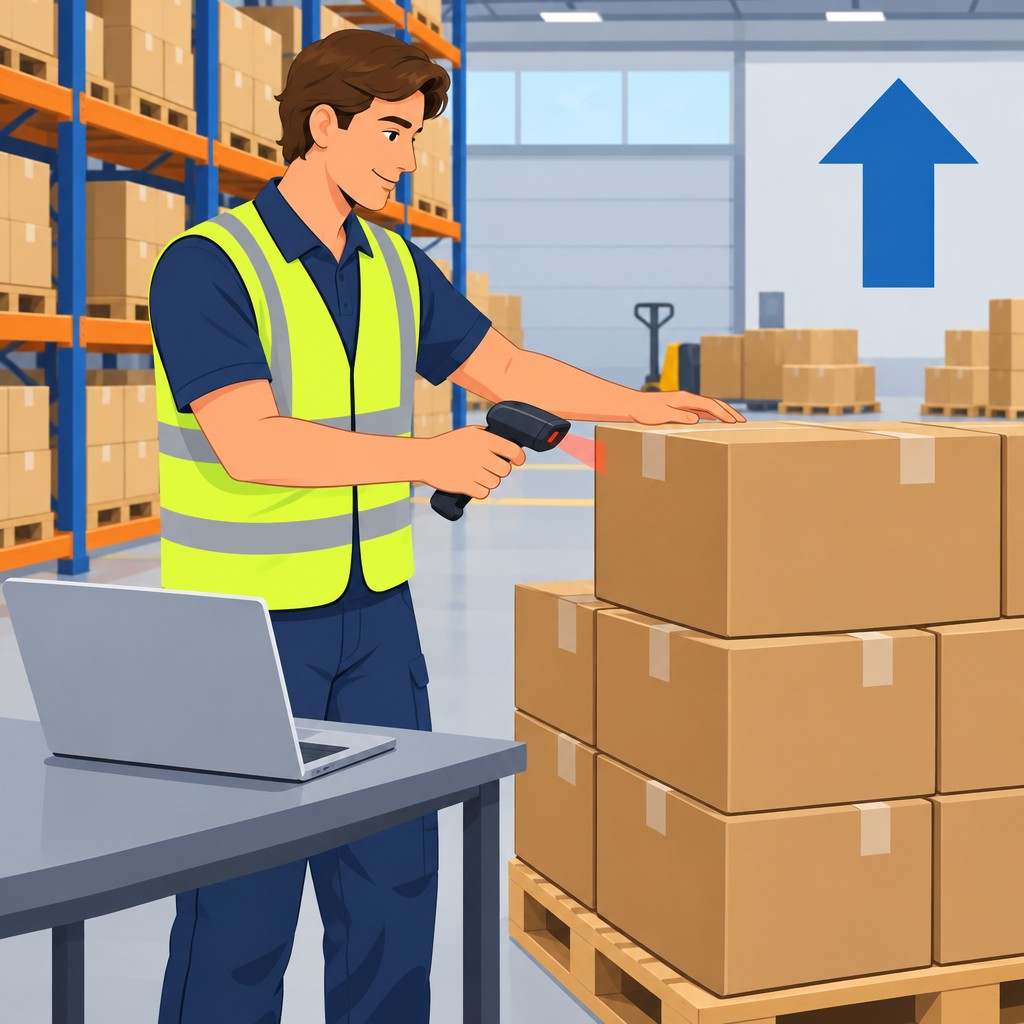
Career Applications of Logistics Skills
Together, these skills create a diverse foundation for professional growth.
Workers can apply them within logistics or transfer them to different career paths.
Therefore, their experience can support future opportunities across many roles and industries.
Discover More: Day in the Life of a Rail Yard Engineer
Job Satisfaction
Job satisfaction shapes a logistics technician’s career.
It can strengthen motivation during daily logistics operations.
It also connects personal fulfillment with meaningful business contributions.
Sense of Accomplishment
- Successfully managing logistics operations can create a strong sense of accomplishment.
- Completing assignments efficiently can raise morale.
- Seeing practical results can make the work gratifying.
Contributing to Business Success
- Efficient supply chain management supports business success.
- By maintaining smooth logistics operations, you support the company’s performance.
- Your contributions can influence business performance and profitability.
Long-Term Career Fulfillment
- Job satisfaction can support long-term career fulfillment and growth.
- When you feel fulfilled, you are more likely to remain committed.
- Enjoying your work can open paths toward future opportunities and advancement.
Job satisfaction involves more than enjoying daily responsibilities.
It also means feeling fulfilled while making meaningful contributions.
These experiences can support long-term success in your career.
Discover More: The Importance of Dock Workers in Maritime Transport
Networking Opportunities for Logistics Technicians
Networking opportunities can shape a logistics technician’s career and support personal growth.
Through professional connections, technicians can exchange knowledge and discover valuable career resources.
Additionally, strong relationships can create opportunities for collaboration and long-term professional development.
Building Relationships
Logistics technicians can connect with industry professionals and suppliers through networking.
These relationships can encourage partnerships and collaboration within the logistics field.
Furthermore, regular communication can strengthen professional connections over time.
- Networking allows technicians to connect with industry professionals and suppliers.
- Building relationships can lead to partnerships and collaborations in the field.
Career Growth
Networking can help logistics technicians pursue career advancement and professional growth.
Transform Your Career Today
Unlock a personalized career strategy that drives real results. Get tailored advice and a roadmap designed just for you.
Start NowExperienced industry contacts may provide guidance about career development.
Moreover, strong professional relationships can introduce valuable mentorship opportunities.
- Networking can support career advancement and growth in logistics.
- Building strong relationships with industry professionals can create mentorship opportunities.
New Opportunities in Logistics
Professional networking can open doors to new jobs and advancement within logistics.
Connecting with diverse professionals can broaden a technician’s knowledge and skill set.
As a result, technicians can gain perspectives that support continued career development.
- Networking can open doors to new job opportunities and advancements in logistics.
- Connecting with diverse professionals can expand knowledge and skills.
These connections can support long-term professional relationships and career development.
Flexibility and Work-Life Balance
A logistics technician career can offer flexibility and support a balanced lifestyle.
Logistics operations often run continuously, creating several scheduling options.
This flexibility can help workers manage personal commitments and preferred working hours.
Flexible Work Schedules
Various shifts allow logistics technicians to select schedules that suit their lifestyles.
Additionally, non-traditional hours can benefit people with responsibilities outside work.
As a result, scheduling flexibility can make daily responsibilities easier to manage.
Managing Work and Personal Responsibilities
Logistics technicians can organize their time to meet workplace responsibilities effectively.
Meanwhile, they can preserve time for personal activities and important relationships.
This balance supports personal well-being and satisfaction throughout their careers.
Benefits of a Balanced Career
Flexible scheduling can help logistics technicians establish boundaries between work and personal life.
Consequently, effective boundaries may reduce stress and support mental health.
Greater control over time can also increase job satisfaction and create a more fulfilling career.
Benefits of Being a Logistics Technician
Logistics technicians experience varied work environments.
They play a critical role in ensuring the smooth flow of goods.
Additionally, these professionals work with cutting-edge technology.
Moreover, technicians solve problems throughout their daily responsibilities.
As a result, the role provides accomplishment when technicians complete tasks efficiently.
Meanwhile, they work in a fast-paced and dynamic industry.
Consequently, technicians see tangible results from their work.
Furthermore, this profession supports continuous learning and skill development.
Long-Term Value of Logistics Careers
A logistics career offers several practical benefits.
Because logistics supports today’s global economy, technicians help organizations operate efficiently.
Therefore, pursuing logistics can provide a rewarding and fulfilling professional experience.
Additional Resources
Google search results for Benefits of Being a Logistics Technician Transportation and Logistics
Bing search results for Benefits of Being a Logistics Technician Transportation and Logistics


