




Dock Workers in the United States
Dock workers in the United States support the logistics industry.
They load and unload cargo from ships, trucks, and trains.
Their work helps maintain the flow of goods into and out of the country.
Dock Worker Responsibilities
Dock workers handle containers, bulk goods, and equipment.
They use forklifts and cranes to move and stack items efficiently.
Their duties include managing various cargo types during transport operations.
Economic Importance and Job Considerations
Dock workers help facilitate trade and commerce.
They help goods reach their destinations in a timely manner.
Without their work, industries would struggle to function smoothly.
Rewards and Challenges of Dock Work
Being a dock worker can involve a fast-paced work environment.
However, the job also presents challenges.
This post examines both the rewards and challenges of dock work in the United States.
Advantages of Being a Dock Worker in the U.S.
Job security: Dock workers enjoy job security because ports consistently need goods and materials shipped in and out.
Overtime pay and bonuses: Many dock workers can work overtime hours, which can increase their paychecks.
Employers may also provide bonuses when workers meet specific performance targets.
Career advancement: Dock work provides opportunities for career growth and advancement.
Workers can begin in entry-level positions and advance into supervisory or managerial roles.
Furthermore, the career suits people who enjoy physical work and seek growth opportunities.
These advantages make dock work an appealing career choice for many people.
Physically Demanding Work
Dock workers load and unload heavy cargo, which places sustained demands on their bodies.
Consequently, repeated exertion can cause strains, sprains, and long-term injuries.
Therefore, workers must manage physical demands carefully during each shift.
Irregular Work Hours
Dock workers often work irregular shifts, including nights and weekends.
This schedule can disrupt sleep patterns and limit personal time.
Additionally, unpredictable hours make planning and maintaining routines difficult.
Exposure to Hazardous Materials
Dock workers may handle chemicals, gases, and flammable substances during cargo operations.
These materials can create health risks without proper safety precautions.
Furthermore, extreme heat or cold can affect their well-being.
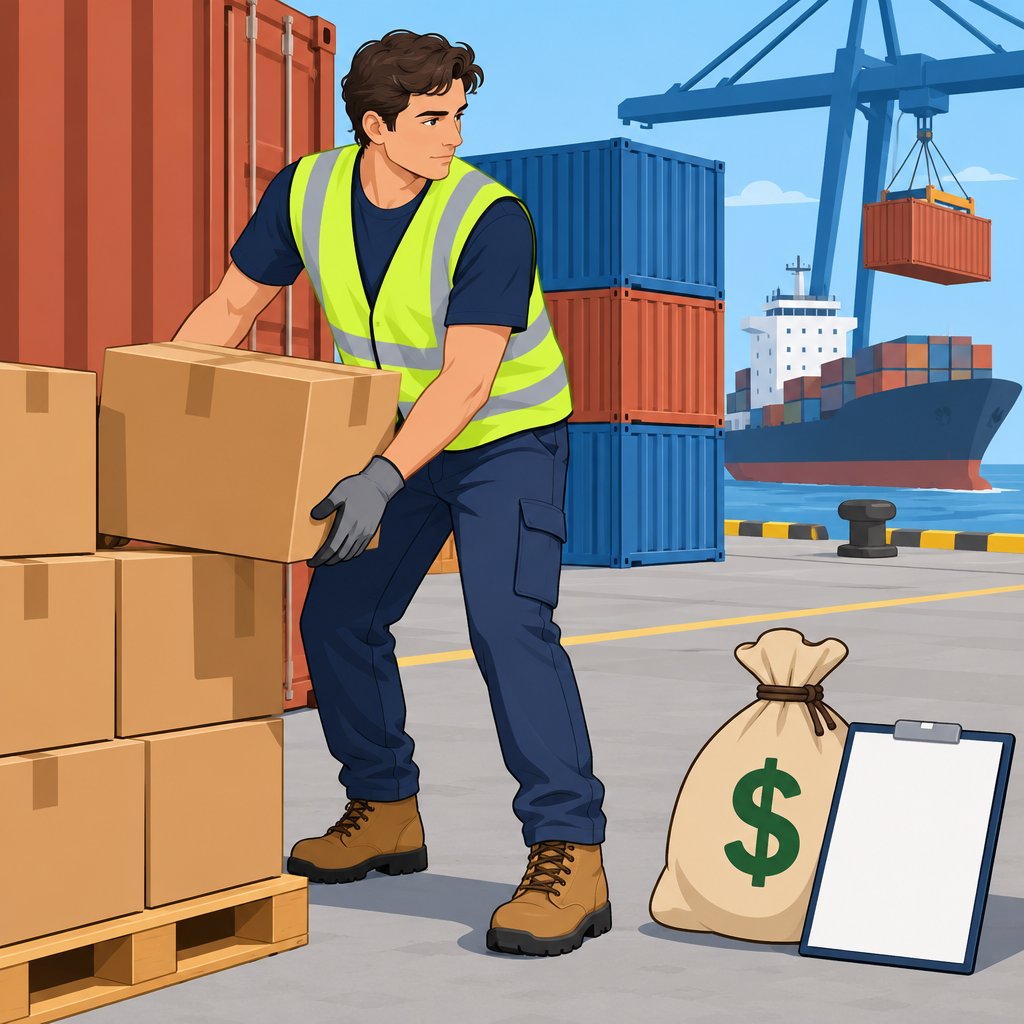
Safety and Well-Being on the Job
Being a dock worker in the U.S. involves several physical and environmental challenges.
Irregular schedules can also affect workers’ sleep, routines, and personal lives.
Dock workers should prioritize safety and well-being while performing their duties.
You Might Also Like: Impact of Technology on Aviation Maintenance Technicians
Benefits of Dock Work in the United States
Dock work can provide competitive wages and comprehensive benefits packages.
These packages may include healthcare coverage and retirement plans.
Additionally, union representation can support collective bargaining and workplace protections.
- Dock workers may receive competitive wages and comprehensive benefits packages.
- Union representation can help workers negotiate fair wages, working conditions, and job security.
- Employers may provide training and development opportunities that strengthen workplace skills.
Through collective bargaining, unions can help workers pursue better pay and benefits.
They can also advocate for improved working conditions and greater career stability.
Furthermore, employer-provided training can help dock workers enhance skills and pursue career growth.
These advantages can appeal to people seeking stability and advancement in the maritime industry.
Learn More: Women in Dock Work: Breaking Stereotypes
Transform Your Career Today
Unlock a personalized career strategy that drives real results. Get tailored advice and a roadmap designed just for you.
Start NowHigh Stress Levels
Dock workers in the U.S. often face high stress because they must meet tight deadlines and quotas.
The pressure to load and unload cargo quickly can affect workers’ physical and mental health.
Additionally, constant urgency around shipping schedules can cause burnout and fatigue.
Limited Work-Life Balance
Dock workers often have limited opportunities for work-life balance.
Irregular shifts and long hours can make time with family and friends difficult.
Moreover, shift work can disrupt routines, personal relationships, and overall well-being.
Job Instability
Dock workers may face job instability during economic downturns or industry changes.
Fluctuating demand for goods can cause layoffs or reduced hours.
Consequently, uncertain job security can create stress and financial strain for workers and their families.
Being a dock worker in the U.S. can provide job opportunities and steady income.
However, high stress, limited work-life balance, and job instability create significant challenges.
Therefore, individuals should weigh these factors carefully before choosing this career.
Explore Further: Common Mistakes in Inventory Control and Solutions
Pros of Being a Dock Worker in the U.S.
Dock workers can find meaningful advantages in workplaces that combine activity, cooperation, and public importance.
These benefits may appeal to people who prefer active roles over traditional desk-based work.
However, each worker experiences the job differently according to personal preferences and daily responsibilities.
- Workers can spend much of their time outdoors in changing conditions.
- Teamwork can strengthen relationships among coworkers.
- Cargo handling supports the movement of goods and services nationwide.
Working Outdoors in a Dynamic Environment
Dock workers perform their duties outdoors rather than remaining inside an office.
Changing weather patterns can create a varied daily setting.
Additionally, active surroundings may suit people who enjoy physical labor and nature.
Camaraderie and Teamwork
Dock workers depend on one another during loading and unloading tasks.
They also coordinate machinery use and follow safety procedures together.
As a result, shared responsibilities can encourage friendships and workplace support.
Contribution to the Flow of Goods and Services
Dock workers help move cargo toward its intended destinations.
Their efforts support timely movement through supply chains and distribution networks.
Consequently, workers may feel purpose because their duties support the broader economy.
See Related Content: Expediter Job Market Outlook for 2025
Career Considerations for Dock Workers
Being a dock worker in the U.S. offers advantages, including competitive pay and union benefits.
However, the job also presents challenges, such as long hours, physical demands, and safety concerns.
Individuals considering this career should carefully weigh its advantages and challenges.
Dock workers play a vital role in the U.S. economy and logistics industry.
They help ensure that goods move efficiently through transportation networks.


