




Rail Yard Engineer Training and Responsibilities
Rail yard engineers play a crucial role in railway operations.
They move trains within rail yards and support smooth, safe freight and passenger operations.
Aspiring rail yard engineers can choose from several training programs.
These programs combine classroom instruction with hands-on experience.
They prepare participants for the challenges of working in rail yard environments.
Rail Yard Engineer Role
A rail yard engineer operates locomotives within a rail yard.
This professional assembles and disassembles trains by moving rail cars safely and efficiently.
The role supports logistics and transportation by facilitating the movement of goods by rail.
Rail Yard Engineer Responsibilities
Before operation, the engineer inspects locomotives and rail cars for mechanical issues.
During each shift, the engineer coordinates movements, follows safety rules, and records important activities.
The engineer also communicates with coworkers and completes training about industry regulations.
- The engineer inspects locomotives and rail cars for mechanical issues before and after operation.
- The engineer operates switches and signals to direct train movements within the yard.
- The engineer follows safety protocols and regulations to help prevent accidents.
- The engineer communicates with yard controllers and team members to coordinate activities.
- The engineer records cars moved and incidents occurring during the shift.
- The engineer participates in training programs to improve skills and maintain regulatory knowledge.
Importance of Proper Training for Rail Yard Engineers
Proper training matters because rail yard engineers work in a demanding rail environment.
It helps engineers protect employees and passengers during rail yard operations.
Moreover, training supports accident prevention and efficient rail yard operations.
- Safety training helps protect employees and passengers from harm.
- Accident prevention training gives engineers skills for managing workplace risks.
- Efficient training helps engineers complete their tasks effectively.
Safety in the Rail Industry
Rail yards present hazards that can cause serious injuries or fatalities.
Therefore, every person in the rail industry must treat safety as a priority.
Strict regulations guide workplace practices and protect everyone involved.
- Rail yards create a high-risk environment for personnel.
- Safety regulations establish required practices throughout the rail industry.
- Proper safety measures protect engineers while they perform their duties.
Training for Accident Prevention and Rail Yard Efficiency
Training helps engineers recognize hazards before those hazards cause accidents.
It also teaches engineers to apply safety protocols during rail yard work.
Furthermore, continuous learning improves skills, teamwork, and technology use.
- Engineers learn to identify hazards and reduce associated risks.
- Safety instruction helps engineers implement measures that prevent accidents.
- Continuous training strengthens skills for handling workplace challenges.
- Team training encourages collaboration and smoother rail yard operations.
- Ongoing instruction helps engineers use new technologies effectively.
Rail companies should invest in training programs that support safe rail yard operations.
These programs can reduce risks while helping engineers perform their duties efficiently.
They can also promote a stronger culture of safety throughout the rail industry.
Uncover the Details: Material Handling Safety Gear Essentials
Overview of Rail Yard Engineer Training Programs
Several training options prepare individuals for rail yard engineering work.
These options differ in format, duration, and entry requirements.
Applicants can compare each program according to their learning preferences and career goals.
- Classroom training provides structured instruction in a traditional learning environment.
- On-the-job training develops skills through supervised workplace experience.
- Hybrid programs combine classroom instruction with practical training.
- Specialized programs focus on safety, equipment operation, or regulatory compliance.
Classroom Training
Classroom programs teach rail yard engineering concepts in an organized learning environment.
Instructors may use lectures, group discussions, and hands-on activities.
These programs suit individuals who prefer direct instruction and structured study.
Program length varies by institution and curriculum.
Some programs last several weeks, while others continue for several months.
Students may complete assignments, projects, and exams during their training.
On-the-Job Training
On-the-job programs teach practical skills while participants perform workplace duties.
Experienced engineers supervise participants throughout the training process.
Participants may learn through hands-on work, shadowing, and mentoring.
Training length depends on the employer and the participant’s previous experience.
Some programs last several months, while others continue for a year or longer.
Participants typically complete a required number of hours or shifts.
Hybrid Training Programs
Hybrid programs combine classroom lessons with practical workplace experience.
Transform Your Career Today
Unlock a personalized career strategy that drives real results. Get tailored advice and a roadmap designed just for you.
Start NowThey may include in-person instruction, online learning, and hands-on assignments.
Some programs also provide real-world apprenticeship opportunities.
Program length varies according to the institution and training structure.
Some programs last several months, while others continue for a year.
Applicants may need a high school diploma or equivalent.
Some programs also require participants to pass a background check.
Specialized Training Programs
Specialized programs address specific skills required in rail yard engineering.
Topics may include safety procedures, equipment operation, and regulatory compliance.
Industry organizations, trade schools, and employers may offer these programs.
Program length depends on the subject and level of instruction.
Some courses remain brief, while others provide intensive and comprehensive training.
Applicants may need industry experience or specific certifications.
Selecting a Suitable Training Option
Each training format offers a different path toward rail yard engineering work.
Applicants should review program requirements before choosing an option.
The best choice depends on learning preferences, experience, and career goals.
Learn More: How to Balance Family Life as a Professional Sailor
Entry Requirements for Rail Yard Engineer Training Programs
Educational Requirements: Most programs require a high school diploma or equivalent, such as a GED.
Additional Certifications or Qualifications: Additionally, some programs require a valid driver’s license, physical fitness test, or background check.
Technical Skills: Basic mechanics or electronics knowledge may help candidates enter certain programs.
Furthermore, applicants may need technical skills related to railroad operations.
Communication Skills: Strong verbal and written communication skills may support program enrollment.
Physical Requirements: Because the work can be demanding, candidates may need to lift heavy objects outdoors.
Medical Clearance: Some programs require a medical exam to confirm physical fitness for job demands.
Age Requirement: Most programs require candidates to be at least 18 years old.
Background Check: Because the role is safety-sensitive, programs may require a thorough background check.
Drug and Alcohol Screening: Candidates may also need to pass drug and alcohol screening.
Industry Knowledge: Finally, transportation experience or strong interest in rail operations may support an application.
Gain More Insights: Advancement Opportunities for Freight Agents
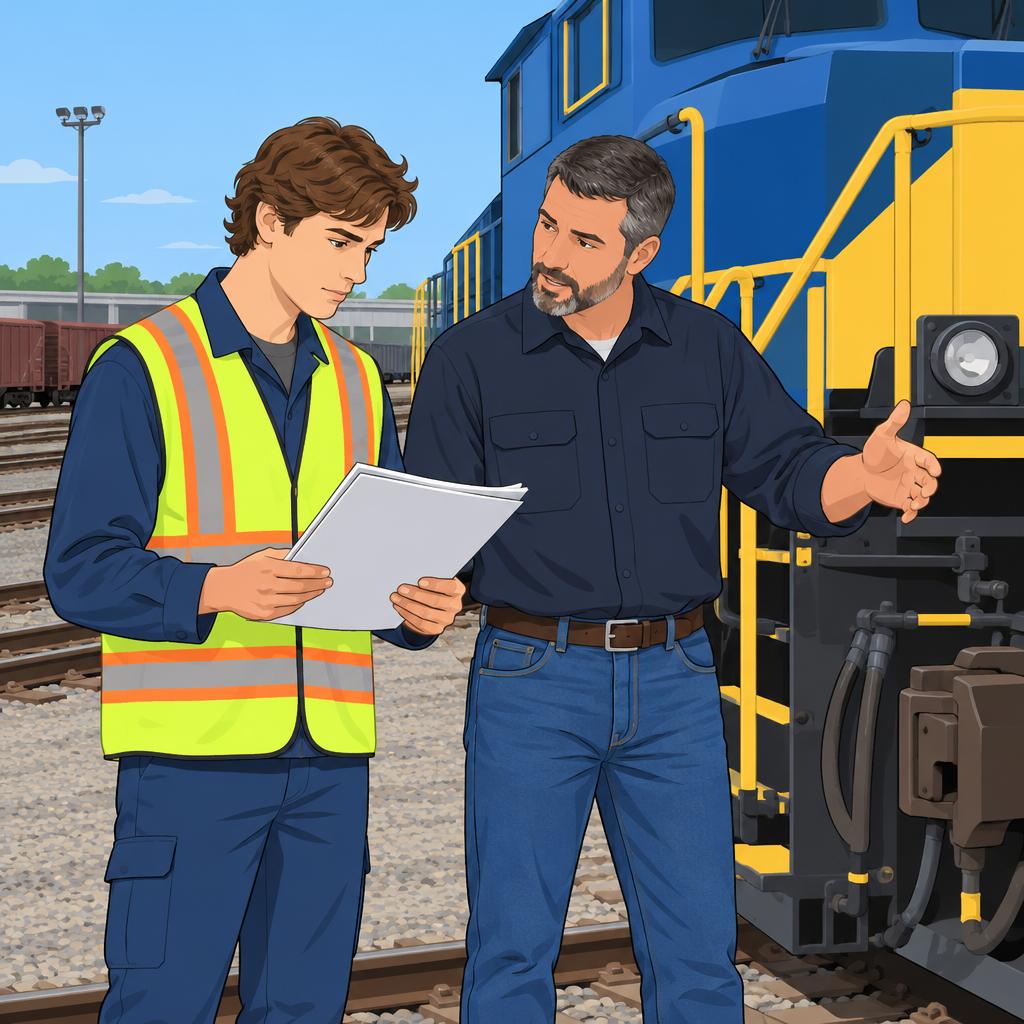
Curriculum of Rail Yard Engineer Training Programs
- The courses cover safety regulations and locomotive operations.
- Hands-on experience helps students develop practical skills.
- Furthermore, the curriculum explains railroad operations and equipment.
- Students learn to maintain, repair, and safely operate locomotives.
- Additionally, training develops teamwork and communication skills for rail yard work.
- Courses also cover technology and computer systems used in rail operations.
- Students work with experienced engineers to gain practical knowledge and insight.
- Safety procedures and emergency protocols receive consistent emphasis throughout training.
- The curriculum evolves as the industry changes and adopts new technologies.
- Consequently, graduates gain skills and knowledge for rail yard engineering work.
Learn More: The Role of a Warehouse Associate in Inventory Management
Benefits of Completing a Rail Yard Engineer Training Program
A rail yard engineer training program can provide several career advantages.
It can strengthen a candidate’s qualifications for work in the rail industry.
Furthermore, specialized education can support professional growth and financial progress.
Increased Job Prospects and Advancement Opportunities
- Specialized training can make candidates more attractive to potential employers.
- A certification or degree in rail yard engineering can expand available job opportunities.
- Hands-on experience can help trainees become more well-rounded professionals.
- Employers may prefer candidates who complete formal training programs.
Higher Salary Potential for Trained Rail Yard Engineers
- Completing a training program can increase earning potential in rail yard engineering.
- Specialized skills and knowledge can help professionals command higher salaries.
- Employers may offer greater compensation to trained professionals with relevant expertise.
- Continuing education can support raises and bonuses for experienced rail yard engineers.
This investment can support a more fulfilling and financially rewarding career in the rail industry.
Tips for Succeeding in a Rail Yard Engineer Training Program
Success in a rail yard engineer training program requires consistent effort and focused preparation.
Several practical habits can strengthen learning and support progress during the program.
The following strategies address guidance, relationships, learning, scheduling, resilience, and well-being.
- Dedicate yourself to hard work throughout the training program.
- Seek mentorship from experienced rail yard engineers for guidance.
Dedication and Hard Work
Dedication helps you remain focused throughout the training program.
Furthermore, consistent effort helps you develop the skills and knowledge required for success.
By working diligently, you can strengthen your performance and readiness for this field.
Seeking Mentorship
Experienced rail yard engineers can provide valuable guidance during your training.
Transform Your Career Today
Unlock a personalized career strategy that drives real results. Get tailored advice and a roadmap designed just for you.
Start NowThey can share advice, describe their experiences, and help you address challenges.
Additionally, their support can enhance your learning and professional development.
Building Professional Relationships
Building relationships with peers, instructors, and industry professionals can enrich your training experience.
These connections can encourage collaboration, learning, and continued growth.
As a result, strong relationships can create a supportive professional network.
Continuous Learning
Maintain a mindset of continuous learning throughout the training program.
Stay curious, ask questions, and look for opportunities to expand your abilities.
This approach encourages personal growth and prepares you for your rail yard engineering career.
Effective Time Management
Effective time management helps you balance coursework, practical training, and other responsibilities.
Create a schedule, establish priorities, and allocate time carefully.
Consequently, organized planning can improve productivity and help you meet important goals.
Adaptability and Resilience
Adaptability helps you respond constructively to challenges and changes during training.
Stay flexible, solve problems proactively, and maintain a positive attitude.
Resilience allows you to manage setbacks while remaining focused on your goals.
Self-Care and Well-Being
Prioritize self-care to protect your physical, mental, and emotional well-being.
Get enough rest, eat nutritious meals, exercise regularly, and practice stress-reducing activities.
Taking care of yourself supports the energy and focus needed during training.
Applying These Training Strategies
These strategies can help you make the most of your rail yard engineer training program.
Dedication, mentorship, relationship-building, and continuous learning can support steady development.
Time management, resilience, and self-care can help you pursue your career goals effectively.
Career Development Through Rail Yard Engineer Training
Rail yard engineer training programs support dependable railway operations by preparing candidates for professional demands.
These programs give aspiring engineers practical knowledge that can strengthen their career preparation.
Moreover, participants can apply their developing expertise toward a fulfilling career in the railway industry.
Proper preparation also reinforces the safety and efficiency expected in rail yard work.
Therefore, aspiring engineers should pursue suitable training opportunities to develop their professional capabilities.
Consistent investment in training can help individuals progress toward rewarding railway careers.
Additional Resources
Bing search results for Rail Yard Engineer Training Programs Explained Transportation and Logistics


