




Urban Transportation Planning in Modern Cities
Urban transportation planning helps modern cities provide efficient mobility for residents.
However, current systems face congestion, pollution, and limited accessibility.
Therefore, planners increasingly prioritize public transit, walking, and cycling as sustainable options.
Sustainable Choices for Urban Mobility
Reducing car dependence can improve air quality, ease traffic congestion, and strengthen urban livability.
Meanwhile, smart traffic management systems can optimize transportation networks through technology.
Ride-sharing services can also support more efficient travel across urban areas.
Integrated and Resilient Transportation Networks
Additionally, bike-sharing and micro-mobility services can offer convenient, eco-friendly choices for urban residents.
Collaboration among planners, policymakers, and transportation authorities supports effective implementation.
Moreover, mixed land-use development and compact design can encourage sustainable travel choices.
Investment in electric vehicle infrastructure and carpooling can reduce greenhouse gas emissions and address climate change.
These strategies can help cities become vibrant, equitable, and resilient for years to come.
Sustainable Transportation
- The shift toward walking, biking, and public transportation is gaining traction.
- These transportation modes protect the environment and promote healthier lifestyles.
- Reducing carbon emissions remains crucial for combating climate change.
- Public transportation reduces cars on roads and decreases congestion.
- Investing in biking and walking infrastructure improves urban quality of life.
As urban populations grow, demand for efficient, sustainable transportation options continues to rise.
Cities worldwide are rethinking urban transportation planning to prioritize alternatives to traditional car-based systems.
Walking, biking, and public transportation can create more livable, environmentally friendly cities.
One key driver involves the urgent need to reduce carbon emissions and combat climate change.
Transportation contributes heavily to greenhouse gas emissions.
Cars remain significant sources of pollutants.
Cities can lower their carbon footprints and improve air quality by encouraging sustainable transportation.
These changes benefit the environment and improve urban residents’ health and well-being.
Benefits of Sustainable Transportation
- Reduces carbon emissions and air pollution.
- Promotes physical activity and healthier lifestyles.
- Improves public health by reducing traffic-related injuries and fatalities.
- Enhances accessibility and connectivity within cities.
- Supports local economies by boosting businesses along transit corridors.
Sustainable transportation investments also create economic benefits.
Cities can create jobs and encourage economic development by improving transit, biking, and walking infrastructure.
These investments improve access to employment, education, and healthcare services.
Eco-friendly transportation can attract tourists and strengthen businesses near transit corridors.
These improvements also enhance the overall quality of life in urban areas.
Sustainable transportation planning can address equity and social justice concerns.
Affordable, reliable transportation helps residents travel safely and efficiently, regardless of income or location.
Better transportation access also connects underserved communities with essential services and opportunities.
Challenges of Promoting Sustainable Transportation
- Car-centered cultures often resist transportation changes.
- Cities often lack funding for public transportation infrastructure.
- Inadequate planning and zoning regulations can limit sustainable transportation.
- Residents may worry about safety and security when using alternative transportation modes.
- Limited public awareness can slow adoption of sustainable transportation options.
Despite these benefits, cities must overcome several challenges to expand sustainable transportation.
Car-centered cultures often view vehicle ownership as a status symbol.
Cities can encourage change through supportive policies and incentives.
Insufficient infrastructure funding can hinder transit system expansion and improvement.
Cities need reliable, efficient networks that attract and serve residents.
Weak planning and zoning rules may neglect pedestrian and cyclist safety.
Such rules may also discourage mixed-use developments that support walking and biking.
Cities must address safety concerns surrounding alternative transportation modes.
Well-maintained, well-lit paths separated from traffic create safer conditions for cyclists and pedestrians.
Public education can also encourage residents to choose sustainable transportation.
Building Resilient Transportation Systems
Walking, biking, and public transportation can help cities become greener, healthier, and more livable.
Sustainable transportation planning benefits the environment, public health, economies, and social equity.
By addressing current barriers, cities can build sustainable and resilient transportation systems for the future.
Transform Your Career Today
Unlock a personalized career strategy that drives real results. Get tailored advice and a roadmap designed just for you.
Start NowAs urban areas grow, cities need smarter mobility solutions.
These solutions can improve movement, reduce delays, and support better transportation decisions.
Consequently, technology now plays an important role in urban mobility planning.
Smart Technologies Reshaping Urban Mobility
Ride-sharing apps like Uber and Lyft have changed how people move through cities.
Meanwhile, Waze provides real-time traffic updates that help drivers navigate congested roads.
Additionally, data analytics and machine learning support more informed transportation planning.
- Ride-sharing apps like Uber and Lyft have revolutionized how people move around cities.
- Waze provides real-time traffic updates that help drivers navigate congested roads efficiently.
- Data analytics and machine learning make transportation planning more data-driven and efficient.
Technology Supporting Transportation Efficiency
These technologies improve transportation efficiency by connecting travelers with flexible mobility options.
They also help drivers avoid delays and select faster routes.
Furthermore, transportation providers can adjust services according to changing demand patterns.
- Ride-sharing apps help people travel without owning a car.
- Real-time updates help drivers avoid traffic jams and choose faster routes.
- Smart technologies help providers optimize services using real-time demand patterns.
Smart Mobility Strategies for Managing Congestion
Smart mobility solutions can help cities manage transportation systems more effectively.
They can also reduce congestion by improving information, routing, and service coordination.
As a result, residents can access more efficient transportation services.
- Ride-sharing services can reduce private vehicle use and ease traffic congestion.
- Traffic updates reveal congestion hotspots and suggest alternative routes.
- Data-driven planning helps cities identify bottlenecks and develop targeted solutions.
Integrating smart mobility solutions can improve urban transportation efficiency and reduce traffic congestion.
These improvements can enhance the quality of life for city residents.
See Related Content: Role of Technology in Modern Distribution Management
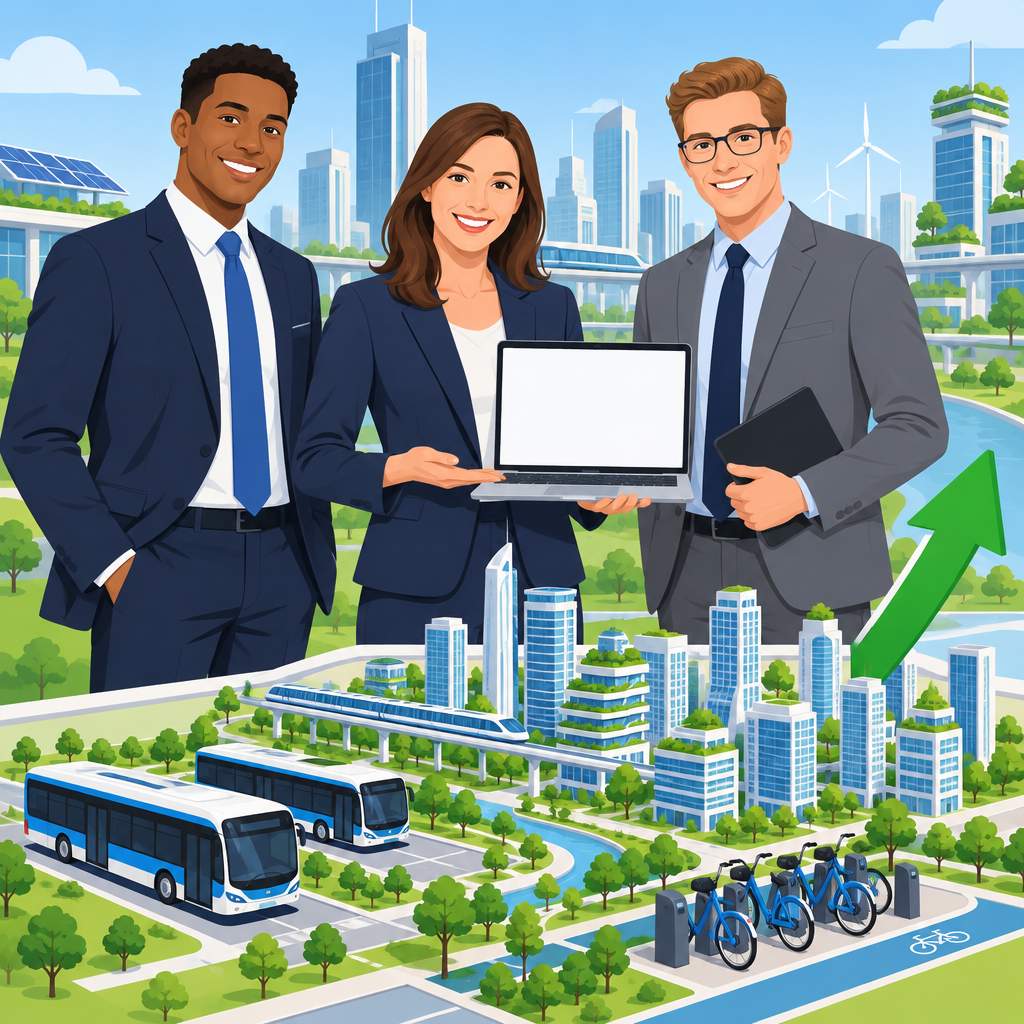
Autonomous Vehicles
Autonomous vehicles are gaining momentum as cities seek new transportation solutions.
These self-driving cars could change how people move through urban areas.
They offer important benefits, but cities must also address significant challenges.
Potential Benefits of Autonomous Vehicles
Autonomous vehicles could improve safety by reducing accidents caused by human error.
They could also improve traffic movement while expanding transportation access.
Furthermore, optimized routes could support cleaner and more affordable urban travel.
- Safety: Autonomous vehicles could reduce traffic accidents and fatalities by eliminating human error.
- Efficiency: Self-driving cars could improve traffic flow, reduce congestion, and save commuter time.
- Accessibility: These vehicles could improve mobility for people with disabilities and older adults.
- Environmental impact: Optimized routes and reduced congestion could lower emissions and improve urban air quality.
- Cost savings: Shared self-driving cars could reduce ownership, maintenance, parking, and insurance expenses.
Challenges of Integrating Self-Driving Cars
Cities must establish clear policies before autonomous vehicles become widely integrated.
They must also prepare infrastructure and address public concerns about reliability.
Additionally, transportation changes may affect employment and digital security.
- Regulation: Policymakers must clarify liability, safety standards, and data privacy requirements.
- Infrastructure: Cities may need sensors, dedicated lanes, and charging stations for autonomous vehicles.
- Public trust: Communities must gain confidence in the safety and reliability of self-driving technology.
- Job displacement: Adoption could reduce employment in transportation, delivery, and ride-hailing industries.
- Cybersecurity: Connected vehicles could face attacks, privacy breaches, and hacking risks.
Cities can address these issues through careful planning and responsible implementation.
Meanwhile, autonomous vehicles could support more sustainable, efficient, and accessible transportation systems.
Their success will depend on balancing technological opportunities with public needs and urban priorities.
Uncover the Details: Interview Tips for Railroad Engineer Positions
Creating Seamless Connections
Cities can integrate buses, trains, bikes, and walking paths.
This approach creates a seamless transportation network.
The network allows easy transfers between different transportation modes.
Benefits of Multi-modal Transportation
Convenience: Multi-modal transportation gives city residents convenient choices.
Residents can choose the most efficient mode based on their needs and preferences.
Accessibility: It provides more options for reaching destinations easily.
These options help people travel through areas with limited transportation services.
Efficiency: Combining transportation modes can improve efficiency and reduce congestion.
Passengers can switch between modes seamlessly.
Sustainability: Multi-modal transportation encourages walking, cycling, and public transit.
These environmentally friendly modes help reduce carbon emissions and promote sustainability.
Find Out More: Freight Handler Union Membership and Benefits
Transform Your Career Today
Unlock a personalized career strategy that drives real results. Get tailored advice and a roadmap designed just for you.
Start NowUrban Air Mobility
Urban air mobility could transform urban transportation planning through flying taxis and drones.
These technologies may offer fast, efficient, and environmentally friendly alternatives to traditional ground transportation.
They could change how people and goods move through cities.
Exploring Flying Taxis and Drones
Flying taxis, also called electric vertical takeoff and landing aircraft, can transport passengers across urban areas.
These unmanned vehicles can take off and land vertically, so they do not require runways.
Their design suits urban environments where available space remains limited.
Drones are small unmanned aircraft that support parcel delivery, traffic monitoring, and aerial surveys.
Together, these technologies could reduce congestion and improve transportation efficiency.
Challenges and Opportunities in City Planning
However, cities must address several challenges before integrating urban air mobility into planning.
Safety and reliability remain important because these aircraft operate near buildings and other structures.
Regulators must also resolve airspace management issues to prevent collisions.
Clear systems can support smooth operations in urban environments.
Cities could reduce traffic congestion, improve air quality, and enhance mobility for residents.
Flying taxis and drones may shorten travel times and improve access across urban areas.
Furthermore, adoption could create jobs in aviation, technology, and logistics.
These industries could stimulate economic growth and innovation.
Urban air mobility could create more resilient, efficient, and environmentally friendly transportation systems.
Such systems could benefit residents and businesses alike.
Learn More: Work Environment for Transportation Security Screeners
Investing in Modern Infrastructure
Cities must invest in modern infrastructure to support future transportation trends.
These investments include upgrading roads, bridges, and public transport systems.
Such improvements help cities serve growing populations and strengthen urban mobility.
The Need for Infrastructure Upgrades
Aging infrastructure may struggle to handle increased traffic and population density.
Infrastructure upgrades can improve efficiency and reduce commute times for residents.
Moreover, modern systems can enhance safety, accessibility, and economic opportunity.
- Old infrastructure may not handle increased traffic and population density.
- Upgrades can improve efficiency and reduce commute times for residents.
- Modern infrastructure can enhance safety and accessibility for all users.
- Infrastructure upgrades can attract businesses and stimulate economic growth.
Updating Roads and Bridges
Well-maintained roads and bridges support smooth traffic flow throughout cities.
Modern designs can provide safer space for cyclists and pedestrians.
Additionally, smart technologies can improve traffic signals and reduce congestion.
- Well-maintained roads and bridges support smooth traffic flow.
- Modern road designs can include dedicated cyclist and pedestrian lanes.
- Bridge upgrades can improve structural safety and support heavier loads.
- Smart technologies can optimize traffic signals and reduce congestion.
Improving Public Transport Systems
Efficient public transport can reduce reliance on private cars.
Modern buses, trains, and light rail can encourage more residents to ride.
Furthermore, accessible services can make public transportation more inclusive.
- Efficient public transport can reduce car dependency.
- Modern buses, trains, and light rail can attract more riders.
- Integrated fares and real-time updates can improve user experiences.
- Ramps and elevators can promote accessibility for all passengers.
Accommodating Growing Urban Populations
Growing cities create greater demand for reliable transportation options.
Modern infrastructure can support walking, cycling, and expanded public transport networks.
These investments help cities prepare their transportation systems for future needs.
- Growing populations increase demand for transportation options.
- Modern infrastructure can support walking and cycling.
- Expanded public transport networks can connect more city areas.
- Infrastructure upgrades can future-proof urban transportation systems.
By updating roads, bridges, and public transport, cities can better support their residents.
Consequently, modern infrastructure can improve urban mobility and quality of life.
Benefits of Community Engagement in Urban Transportation Planning
Community engagement helps planners understand local needs and preferences.
Residents can describe transportation challenges from their daily experiences.
Therefore, their input can guide more responsive and sustainable transportation decisions.
Diverse Perspectives
- Residents provide varied perspectives about existing transportation systems and possible improvements.
- Furthermore, daily commuters can identify areas that require attention.
- These perspectives can help planners develop more innovative transportation solutions.
Improved Decision-Making
- Community input helps planners align decisions with residents’ needs and preferences.
- Moreover, residents can help prioritize projects that address transportation challenges.
- Engagement can also strengthen trust between residents, planners, and other stakeholders.
Increased Transparency
- Ongoing engagement makes transportation planning more transparent and accountable.
- When residents feel heard, they may support and participate in project implementation.
- Consequently, transparency can strengthen public confidence in transportation initiatives.
Social Equity and Inclusivity
- Community engagement helps planners avoid disproportionately affecting vulnerable or marginalized communities.
- Residents from all backgrounds should influence transportation system design and operation.
- Additionally, engagement can reveal barriers that limit transportation access for certain populations.
Community Support for Transportation Projects
- Resident involvement can increase support for transportation projects and their implementation.
- People who feel invested may advocate for transportation solutions and participate in their development.
- In addition, community support can help projects secure funding and resources.
By incorporating community feedback, planners can create transportation solutions that serve local residents more effectively.
Transform Your Career Today
Unlock a personalized career strategy that drives real results. Get tailored advice and a roadmap designed just for you.
Start NowSuch collaboration can also promote accessibility, trust, and long-term public support.
Future Priorities for Urban Transportation
Future urban transportation planning will emphasize sustainable initiatives, including public transit, bike lanes, and walkable cities.
Meanwhile, smart traffic management systems and electric vehicles will shape urban mobility in coming years.
Furthermore, city planners, policymakers, and transportation experts must collaborate to address congestion and pollution effectively.
Therefore, informed and proactive decisions can support sustainable, efficient, and equitable urban transport systems.
By prioritizing public transit, active transportation, and innovation, cities can build a better future for all residents.
Additional Resources
Bing search results for Future Trends in Urban Transportation Planning Transportation and Logistics


