




Transportation Security Screening
Transportation security screeners help protect passengers and cargo.
They support safe transportation operations by identifying potential security threats.
Future developments will continue shaping this essential transportation role.
Technological Advancements
Technology will significantly influence future transportation security screening.
Artificial intelligence and machine learning will streamline screening operations.
Furthermore, automated processes will help screeners identify threats and process passengers efficiently.
Enhanced Training Programs
Security threats will continue evolving, so screeners must strengthen their skills.
Future training will emphasize advanced threat detection, conflict resolution, and customer service.
Consequently, screeners will handle varied situations while supporting positive passenger experiences.
Integrated Security Collaboration
Transportation security screeners will increasingly collaborate with other security agencies and stakeholders.
Law enforcement, intelligence agencies, and technology providers will contribute to integrated security efforts.
By sharing information and resources, these partners can address emerging threats more effectively.
Continuous Security Improvement
Transportation security screening will require continuous improvement as industry challenges evolve.
Embracing technology will help screeners improve efficiency and strengthen threat detection.
Meanwhile, stronger training and collaboration will help protect transportation systems, passengers, and cargo.
Technology’s Role in Transportation Security Screening
Technology is reshaping transportation security screening.
This shift responds to the need for stronger security measures.
It also seeks to improve operational efficiency.
Advanced Tools and Automated Screening Processes
- Advanced screening technologies use AI and machine learning.
- Automated screening processes can improve operational efficiency.
- Training programs help screeners adapt to new technologies.
With AI and machine learning, screeners gain advanced tools for identifying potential threats more effectively.
These technologies can analyze large amounts of data in real time.
Consequently, screeners can make faster and more informed decisions.
Automation can transform routine screening tasks, including document verification and baggage inspection.
It allows screeners to focus on more complex security challenges.
Furthermore, automation can improve efficiency and reduce human error.
However, new technologies require specialized training for transportation security screeners.
Training equips screeners to operate and troubleshoot advanced screening equipment effectively.
Ongoing instruction also keeps screeners updated on security protocols and best practices.
These developments can strengthen security measures while improving operational efficiency.
They can ultimately benefit passengers and transportation security professionals alike.
Behavioral Analysis in Transportation Security Screening
Transportation security increasingly emphasizes behavior-based screening techniques.
Screeners observe passengers’ actions and interactions to identify potential threats.
They examine unusual behavior that may indicate malicious intent.
- Transportation security is shifting toward behavior-based screening techniques.
- Screeners receive training to detect suspicious behavior.
- Interpersonal skills complement technical screening abilities.
By focusing on behavior, screeners can identify threats that traditional methods might miss.
Moreover, effective communication helps screeners apply behavioral analysis during passenger interactions.
Training programs now teach screeners to interact with passengers while maintaining security protocols.
Screeners learn to establish rapport with travelers while remaining alert to possible deception.
Behavioral analysis can help prevent security threats before they escalate.
Combining technical and interpersonal skills strengthens the security screening process.
Discover More: Key Partnerships in Effective Distribution Management
Diversity and Inclusion in Security Screening
- Emphasis on hiring a diverse workforce in security screening roles
- Training programs to promote cultural sensitivity and awareness
- Creating a more inclusive and welcoming environment for passengers of all backgrounds
Organizations increasingly recognize the value of diversity within transportation security screening.
Transform Your Career Today
Unlock a personalized career strategy that drives real results. Get tailored advice and a roadmap designed just for you.
Start NowA diverse workforce can strengthen security screening and reflect the communities that screeners serve.
These initiatives also encourage respectful interactions with passengers from many backgrounds.
Hiring a Diverse Security Screening Workforce
The transportation security industry has historically lacked representation from different backgrounds.
Organizations now recruit individuals from various ethnicities, genders, and cultural backgrounds.
This approach helps the workforce reflect the communities that security screeners serve.
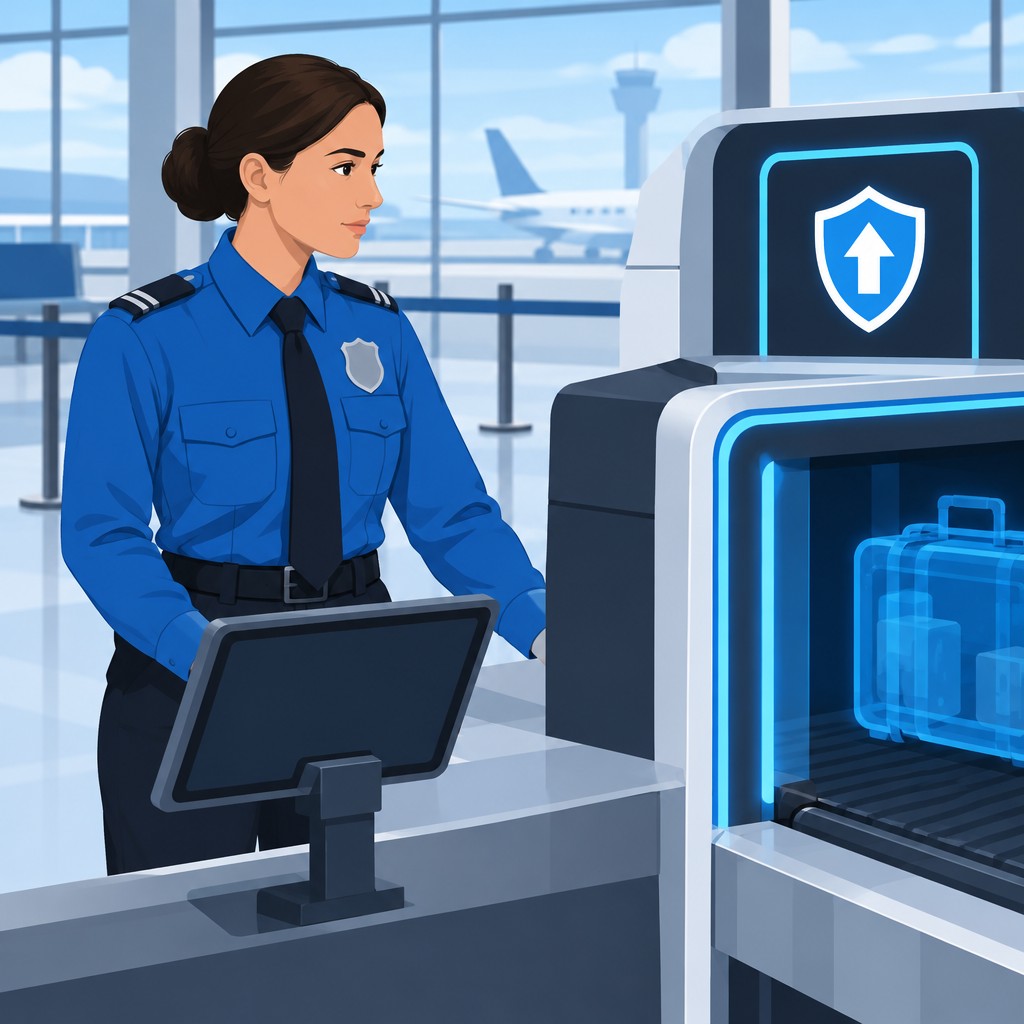
Cultural Sensitivity Training for Screeners
Training programs help security screeners interact effectively with passengers from diverse backgrounds.
These programs explain different cultural norms, customs, and traditions.
As a result, screeners can approach passenger interactions with greater understanding and respect.
Inclusive Practices for Passengers
Organizations also create welcoming environments for passengers of all backgrounds.
They can promote inclusivity through language assistance services and disability accommodations.
They can also respect individuals’ cultural practices during security screenings.
Uncover the Details: Freight Brokerage Marketing: Building Your Brand Online
Interagency Coordination in Transportation Security
- Coordination with law enforcement and intelligence agencies
- Information sharing to improve threat detection and response
- Joint training exercises and drills to strengthen security preparedness
Transportation security screeners strengthen safety when they coordinate closely with law enforcement and intelligence agencies.
These partnerships combine different expertise and resources to support earlier threat identification.
Furthermore, shared information helps screeners target inspections and allocate resources more efficiently.
Agencies can also conduct joint training exercises and drills to strengthen preparedness.
These activities help screeners practice response protocols alongside partner agencies.
They also reveal procedural gaps that teams can address before an incident occurs.
Regular collaboration promotes teamwork and clear communication during security incidents.
Consequently, coordinated action can help agencies respond more effectively when threats arise.
You Might Also Like: Freelance vs. Employed Courier: Pros and Cons
Privacy Concerns and Ethics in Transportation Security
Transportation security screeners must protect passengers while respecting individual privacy rights.
Effective screening requires agencies to balance security needs with passenger privacy protections.
This balance helps preserve passenger trust during necessary security procedures.
- Balancing security needs with passenger privacy rights
- Implementing guidelines and protocols for handling sensitive information
- Training screeners in ethical conduct and respect for passenger rights
Handling Sensitive Screening Information
Agencies should establish clear guidelines for collecting, storing, and using sensitive screening information.
These protocols should explain how personnel handle information throughout the screening process.
Clear procedures help screeners manage personal data consistently and responsibly.
Ethical Conduct and Passenger Rights
Comprehensive training should teach screeners ethical conduct and professional behavior.
Screeners should treat every passenger with dignity and respect throughout the screening process.
They should explain procedures transparently and respond promptly to passenger concerns.
Accountability and Passenger Experience
Ethical conduct can improve the passenger experience and encourage cooperation.
Agencies should monitor screener conduct and evaluate compliance with ethical standards.
Regular audits and grievance channels can support accountability and address reported concerns.
Gain More Insights: How Supply Chain Analysts Mitigate Risks
Continuous Training and Professional Development
The transportation security screener role continues evolving as security threats change.
Therefore, screeners need ongoing training and professional development to perform their duties effectively.
Continuous learning helps screeners maintain relevant skills and knowledge throughout their careers.
Ongoing Training for Evolving Security Threats
Advancements in technology continue changing security procedures and screening practices.
Ongoing training helps screeners understand emerging threats and updated security protocols.
As a result, screeners can respond to changing risks more effectively.
Transform Your Career Today
Unlock a personalized career strategy that drives real results. Get tailored advice and a roadmap designed just for you.
Start NowCareer Advancement and Specialization Opportunities
Continuous training can create opportunities for career advancement within the security industry.
Screeners can strengthen their abilities by improving their professional skills and knowledge.
Consequently, they may qualify for more challenging roles and specialized responsibilities.
Certification Programs and Industry Standards
Certification programs help transportation security screeners meet established industry standards.
These programs provide training and education that support consistent professional performance.
They also help screeners follow industry guidelines and recognized best practices.
Through ongoing training and certification, screeners can strengthen their capabilities and remain prepared for changing security demands.
Professional development also supports advancement and specialization within the security industry.
Future Directions for Transportation Security Screeners
Transportation security screening will increasingly combine AI, biometrics, and cybersecurity to address changing operational demands.
These developments will influence identity verification, information protection, and secure transportation operations.
Therefore, screeners should remain adaptable while applying updated knowledge and communicating effectively with relevant stakeholders.
Emerging technology trends
- AI and automation will support more efficient screening processes.
- Biometric technology will strengthen identity verification procedures.
- Cybersecurity measures will help protect sensitive screening information.
Adaptability and professional awareness
- Continuous education will help professionals understand evolving security technologies.
- Regulatory awareness will guide consistent and effective security practices.
- Industry collaboration will encourage the exchange of useful security insights.
Professional contributions to transportation security
- Professionals should proactively strengthen their screening skills and security knowledge.
- Screeners must remain alert to emerging threats and vulnerabilities.
- Ongoing stakeholder communication can improve security protocols and coordination.


