




Introduction
Transportation security screeners help protect travelers at airports and other transportation hubs.
They screen passengers and belongings to identify potential threats and risks.
Their work supports safer travel by helping prevent prohibited items from entering secure areas.
The Role of a Transportation Security Screener
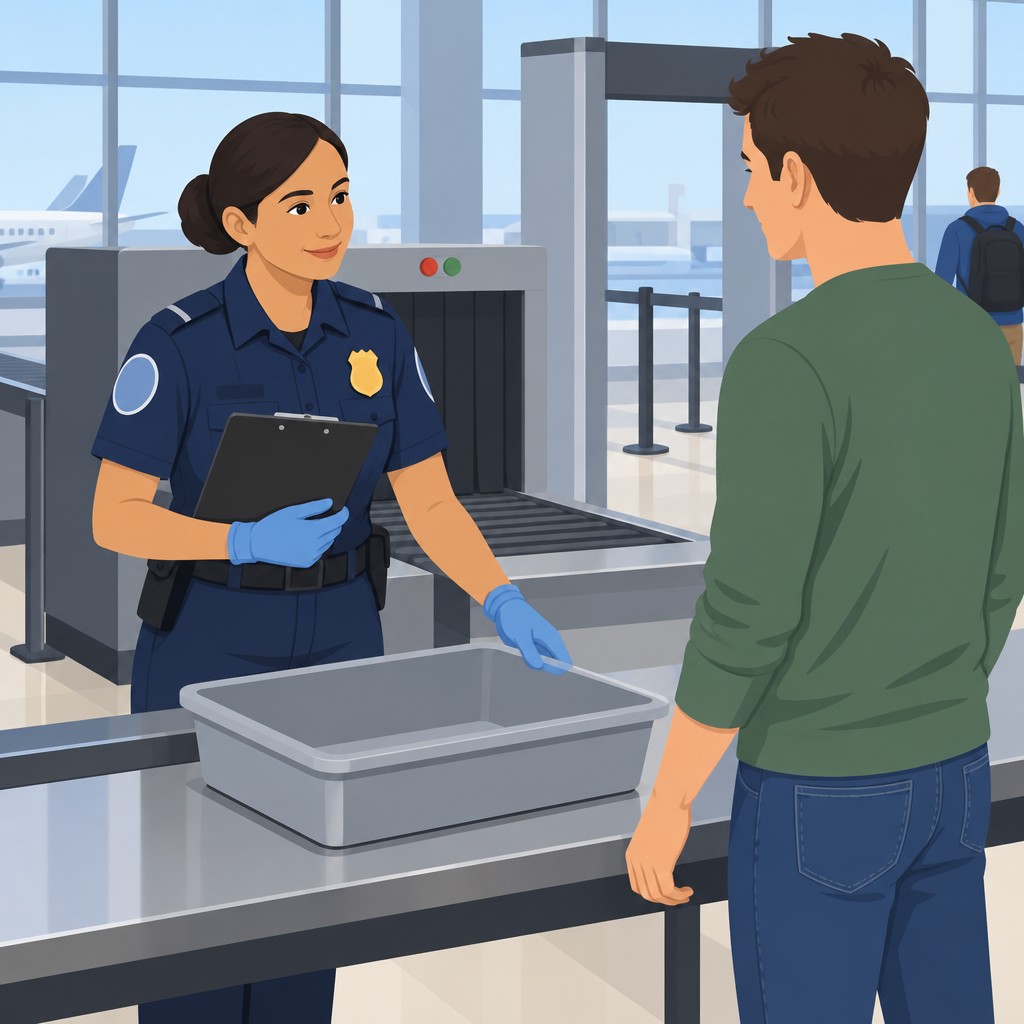
A transportation security screener inspects passengers and their carry-on items.
Screeners use x-ray machines, metal detectors, and physical searches during inspections.
They detect weapons, explosives, and other prohibited items to support safe travel.
Professionalism in Transportation Security Screening
Professional conduct helps passengers trust that screeners follow security protocols carefully.
That trust can support a more efficient screening process.
Professionalism also helps create order and security throughout the airport environment.
Transportation Security Screener Responsibilities
Transportation security screeners perform duties requiring careful attention and consistent professional conduct.
They use established methods to examine passengers and their luggage.
Their responsibilities combine screening procedures with safety and security practices.
Screening Passengers and Luggage
Screeners examine passengers and luggage during transportation security checks.
They use various technologies and techniques to detect prohibited items.
These screening methods support consistent security checks throughout the transportation environment.
Following Security Protocols
Transportation security screeners must follow strict protocols that protect passengers and staff.
They apply established guidelines while completing each screening task.
They also implement required security measures throughout the screening process.
- Abiding by screening procedures
- Following established guidelines
- Implementing security measures
Upholding Safety and Security Standards
Screeners maintain professionalism while upholding safety and security standards.
They help maintain a secure transportation environment through attentive daily work.
They report suspicious activity and remain vigilant throughout their duties.
- Ensuring a secure transportation environment
- Reporting suspicious activity
- Remaining vigilant and alert
Professionalism in Transportation Security
Professional screeners perform their responsibilities with dedication and care.
They consistently apply security procedures while carrying out their assigned duties.
This approach supports safety and security within the transportation industry.
Professional Appearance and Demeanor
A screener’s appearance and demeanor shape passenger perceptions of security screening.
Therefore, professional conduct can build trust and confidence among passengers.
Additionally, a positive approach can ease passenger anxiety during the screening process.
- A professional appearance creates trust and confidence among passengers.
- A positive demeanor helps ease passenger stress and anxiety.
Dress Code and Grooming Standards
Following dress and grooming standards helps screeners project a professional image.
Moreover, a clean appearance supports passenger confidence during each interaction.
Screeners should maintain their uniforms and personal grooming throughout their duties.
- Wear a uniform that remains clean, well-fitted, and in good condition.
- Keep hair, nails, and personal hygiene neat and tidy.
Calm and Professional Conduct
Screeners must remain composed and professional throughout every security screening.
Even difficult situations require respectful communication and steady attention.
By staying focused, screeners can manage their responsibilities without becoming flustered.
- Use an even and respectful tone when speaking with passengers.
- Stay focused on the assigned task during each screening.
- Avoid distractions that could affect professional performance.
Non-Verbal Communication
Non-verbal communication strongly influences how passengers perceive a security screener.
Open body language can make interactions feel more approachable and welcoming.
Furthermore, attentive gestures can communicate confidence and respect during screenings.
- Use open body language to appear approachable and welcoming.
- Maintain eye contact to show attentiveness and confidence.
- Monitor facial expressions and gestures that might send negative messages.
These practices help screeners uphold professionalism during passenger interactions.
Gain More Insights: Top Supply Chain Management Tools and Software
Effective Communication with Passengers
Effective communication helps transportation security screeners guide passengers through screening.
A friendly greeting and steady eye contact can create a welcoming atmosphere.
Transform Your Career Today
Unlock a personalized career strategy that drives real results. Get tailored advice and a roadmap designed just for you.
Start NowClear exchanges also help screeners understand and address passenger concerns.
- Greet passengers with a smile and maintain eye contact.
- Use clear and concise language when explaining screening procedures.
- Listen attentively to questions and address concerns promptly.
- Offer assistance to passengers who need special accommodations.
Providing Clear Instructions
Passengers need to understand what the screening process requires from them.
Therefore, screeners should explain each instruction in a direct and understandable way.
Visual support and repetition can reduce confusion when instructions seem unclear.
- Explain what passengers should do during screening.
- Use visual aids or demonstrations to clarify instructions.
- Repeat important information when necessary.
- Encourage passengers to ask questions about uncertain instructions.
Handling Difficult Situations with Tact and Diplomacy
Some passengers may become irate, uncooperative, anxious, or frustrated during screening.
Screeners can manage these interactions by remaining calm and listening carefully.
Respectful problem-solving can help keep challenging situations peaceful.
- Remain calm and composed with irate or uncooperative passengers.
- Listen to concerns and seek peaceful, respectful solutions.
- Ask a supervisor for assistance when situations escalate.
- Show empathy toward anxious or frustrated passengers.
Maintaining Courtesy and Respect Toward Passengers
Courtesy reinforces the professional standards expected during passenger screening.
Respectful treatment also supports fair interactions with every passenger.
Screeners should avoid assumptions and discriminatory remarks in every interaction.
- Address passengers politely and professionally at all times.
- Avoid assumptions or discriminatory remarks about appearance, background, or behavior.
- Thank passengers for their cooperation and patience.
- Treat every passenger with dignity and respect.
Communication That Supports Safe Passenger Processing
Professional communication combines clear instructions, attentive listening, and respectful conduct.
These practices help screeners support passengers while maintaining security standards.
Consistent courtesy can create a more positive experience during the screening process.
You Might Also Like: What Does a Traffic Manager Do in Logistics?
Dealing with Challenging Situations
- Stay calm and composed when difficult situations arise.
- Next, follow proper procedures and protocols to address the situation.
- Seek guidance from supervisors or experienced colleagues when you feel unsure.
- Also, use available training and resources to manage challenging situations effectively.
- Communicate clearly and professionally with everyone involved.
Dealing with Irate Passengers
- Listen attentively to the passenger’s concerns without interrupting.
- Show empathy and understanding toward the passenger’s frustration.
- Meanwhile, remain polite and courteous despite hostile behavior.
- Offer solutions or alternatives to reduce the passenger’s anger or dissatisfaction.
- Involve a supervisor if the situation escalates beyond your control.
Managing High-Stress Situations
- Recognize signs of stress and take steps to remain calm.
- Practice deep breathing or another relaxation technique to stay focused.
- Then, prioritize tasks and address the most critical issues first.
- Delegate responsibilities when necessary to reduce your workload.
- Take short breaks when possible to recharge and refocus your energy.
Seeking Assistance When Needed
- Do not hesitate to ask colleagues or supervisors for help.
- Clearly explain the situation and identify the assistance you need.
- Afterward, thank those who provided assistance.
- Learn from the experience to manage similar situations more effectively.
- Finally, participate in ongoing training to improve your skills and knowledge.
You Might Also Like: Safety Tips Every Dock Worker Should Follow
Professionalism requires transportation security screeners to maintain strong skills and current knowledge.
Regular learning and thoughtful feedback support consistent performance in this important role.
Continuous Training and Professional Development
Regular training helps screeners enhance their skills and maintain professional standards.
Workshops and seminars provide opportunities to develop knowledge related to security screening.
Certification programs can help screeners stay current in the field.
- Engage in regular training sessions to enhance skills
- Attend workshops and seminars related to security screening
- Seek out certification programs to stay current in the field
Staying Updated on Security Procedures and Protocols
Screeners should review airport security protocols regularly.
They also need to monitor changes and updates in security measures.
Reviewing TSA manuals and guidelines reinforces awareness of current procedures.
- Review and familiarize yourself with airport security protocols
- Stay informed about any changes or updates in security measures
- Regularly review manuals and guidelines provided by the TSA
Participating in Ongoing Training Programs
Employer training programs give screeners additional opportunities to expand their knowledge.
Mock drills let participants practice their skills and techniques.
Online courses and webinars offer further ways to support ongoing learning.
- Take advantage of any training programs offered by your employer
- Participate in mock drills to practice your skills and techniques
- Attend webinars or online courses to expand your knowledge
Seeking Feedback for Improvement
Feedback from supervisors and colleagues can clarify strengths and areas for improvement.
Screeners should apply useful suggestions during their daily routines.
Viewing feedback as an opportunity supports continued growth and professional development.
- Ask for feedback from supervisors or colleagues on your performance
- Implement suggestions for improvement in your daily routine
- Take feedback as an opportunity for growth and development
These practices help screeners maintain professionalism and strengthen their performance.
Continuous learning and improvement remain essential for this important role.
Delve into the Subject: Challenges Faced by Freight Brokers and How to Overcome
Building a Positive Reputation
Professional conduct helps transportation security screeners build a positive reputation.
Reliable actions show colleagues and passengers that security responsibilities receive careful attention.
Consistent behavior also strengthens confidence in the screening process.
Consistent Adherence to Protocols
Following standard operating procedures demonstrates reliability and competence.
Additionally, consistent protocol use supports orderly and dependable screening.
These practices help others recognize your commitment to professional standards.
Effective Communication with Colleagues
Clear communication helps team members coordinate their responsibilities effectively.
Moreover, collaboration supports a positive and respectful work environment.
Transform Your Career Today
Unlock a personalized career strategy that drives real results. Get tailored advice and a roadmap designed just for you.
Start NowSharing information carefully helps colleagues maintain consistent screening practices.
Respectful Interactions with Passengers
Courtesy shows passengers that staff value respectful treatment.
A considerate approach reflects positively on your professionalism.
Respectful interactions can also support confidence during the screening process.
Establishing Trust with Passengers
Trust helps passengers feel more comfortable during transportation security screening.
Professional actions can make screening procedures appear more transparent and predictable.
Passengers respond positively when screeners combine security duties with considerate service.
Approachable Demeanor
A friendly demeanor can make passengers feel more comfortable during screening.
Meanwhile, an approachable attitude encourages passengers to communicate their needs.
Professional warmth can support trust without weakening security responsibilities.
Clear Explanations of Procedures
Clear explanations help passengers understand what screening requires.
Concise information improves transparency and reduces uncertainty.
Consequently, passengers can follow instructions with greater confidence.
Responding to Passenger Concerns
Prompt responses show that you take passenger concerns seriously.
Professional answers demonstrate commitment to passenger safety.
Furthermore, attentive responses can strengthen trust in the screening process.
Contributing to a Positive Passenger Experience
Professional screening can make travel more pleasant for passengers.
Efficient service supports a smoother experience while preserving security requirements.
Thoughtful assistance helps passengers navigate screening with greater ease.
Efficient and Thorough Screenings
Efficient screenings help passengers move through the process smoothly.
Thorough work ensures that screeners maintain necessary attention to security.
Balancing speed and care supports a positive passenger experience.
Assisting Passengers with Special Needs
Assistance helps passengers with special needs manage screening requirements.
Supportive actions demonstrate dedication to customer service.
Additionally, considerate assistance can make the process more accessible and comfortable.
Remaining Calm Under Pressure
A calm demeanor can ease tension during busy situations.
Composed behavior helps passengers remain focused on screening instructions.
Steady conduct also supports a more orderly passenger experience.
Representing the Transportation Security Industry
Transportation security screeners represent their industry through daily professional conduct.
Each interaction can influence how passengers view transportation security.
Dedicated performance helps present the industry in a positive light.
Exemplifying Professionalism at All Times
Consistent professionalism shows that screeners take their responsibilities seriously.
Respectful conduct reflects positively on the transportation security industry.
In addition, dependable behavior reinforces public confidence in screening staff.
Showing Dedication to Security Measures
Commitment to security measures reinforces the importance of safety.
Careful attention shows passengers that screening duties receive proper focus.
Such dedication supports the industry’s central security purpose.
Engaging in Continuous Learning and Improvement
Continuous learning helps screeners improve their professional performance.
Seeking development opportunities demonstrates commitment to excellence.
Ongoing improvement also helps maintain strong standards within the field.
Transform Your Career Today
Unlock a personalized career strategy that drives real results. Get tailored advice and a roadmap designed just for you.
Start NowProfessionalism and Transportation Security
Professionalism enables transportation security screeners to support passenger safety and protect the transportation industry.
Moreover, consistent professional conduct can strengthen traveler confidence and discourage potential threats.
Screeners must recognize how their work supports safety and security throughout the transportation system.
Consequently, their diligence and commitment can improve system efficiency and help prevent security breaches.
By following procedures and treating passengers respectfully, screeners help safeguard travelers, staff, and transportation infrastructure.
Continuous training and improvement also support reliable performance in daily responsibilities.
Professionalism therefore represents a commitment to the well-being of everyone affected by transportation security.
High standards of conduct and performance can reinforce trust in the security process.
They also contribute to a safe and secure travel experience for all.


