




Safety Protocols for Transportation Security Screeners
Safety protocols help airports maintain secure environments for travelers and transportation security screeners.
These procedures guide personnel through screening duties and emergency situations.
They also support consistent decisions during daily airport operations.
The Importance of Airport Safety Measures
Protecting travelers and personnel remains the primary purpose of these safety measures.
Furthermore, stringent procedures address terrorism threats and other security risks.
Consequently, airports can reduce potential harm through careful preparation and enforcement.
Protecting Travelers and Security Personnel
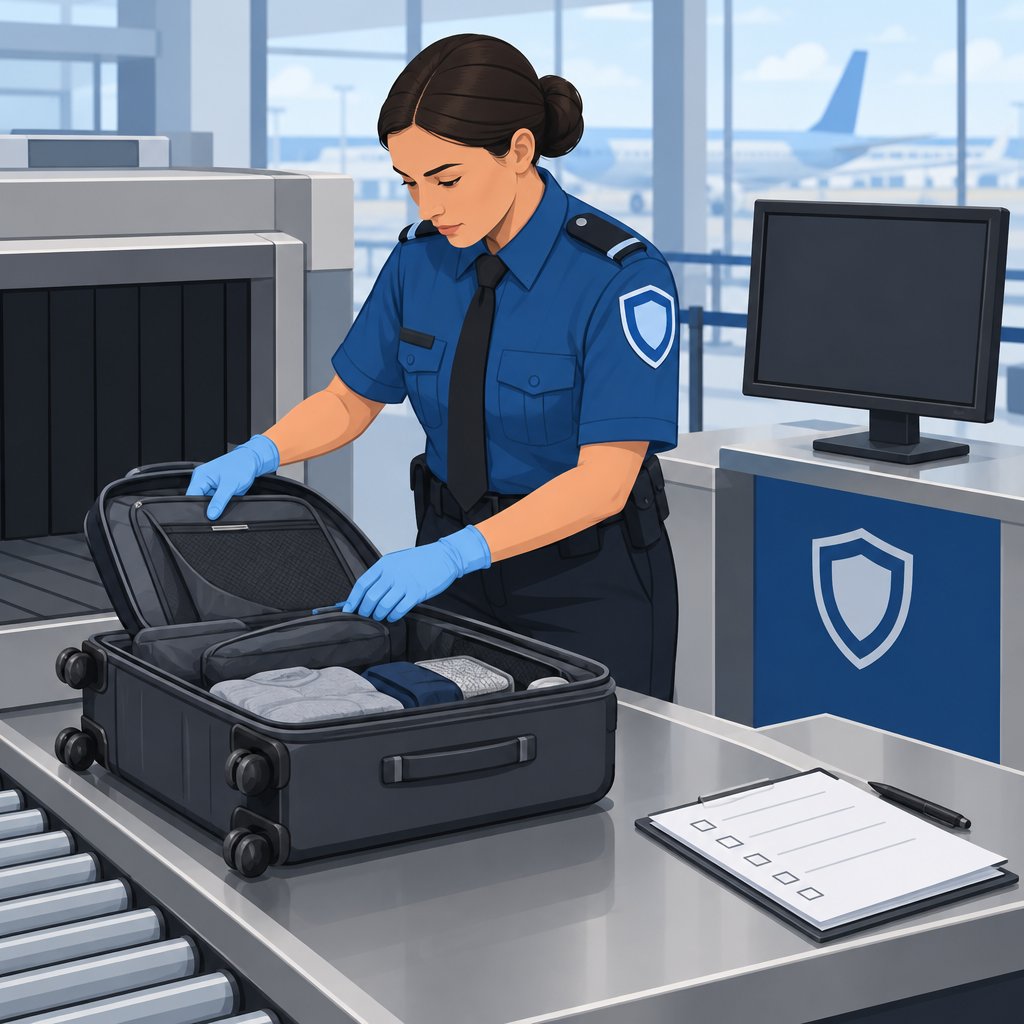
Screeners examine belongings thoroughly to help travelers continue their journeys safely.
Meanwhile, clear guidelines help personnel handle suspicious items and individuals safely.
These protections support everyone involved in the airport screening process.
Preventing Security Breaches
Established procedures help screeners identify possible security risks.
They also help personnel respond appropriately before risks become security breaches.
As a result, consistent protocols can protect travelers and airport employees.
Improving Screening Efficiency
Clear protocols streamline security screening operations.
In addition, they help personnel respond quickly during emergencies.
Efficient procedures allow screeners to address security concerns more effectively.
Maintaining a Secure Travel Environment
Transportation security screeners play a critical role in airport safety.
By following approved protocols, they help create secure conditions for travelers.
Therefore, consistent safety practices benefit everyone involved in air travel.
Training and Education for Transportation Security Screeners
- Comprehensive training strengthens transportation security screeners’ ability to perform their duties effectively.
- Ongoing education helps screeners remain informed about current security protocols and techniques.
Transportation security screeners help protect passengers and staff at airports.
They screen passengers, luggage, and cargo for potential aviation security threats.
Therefore, thorough preparation and continuing education support effective performance in their roles.
Importance of Thorough Training
Rigorous training helps screeners identify security threats and respond appropriately.
Training programs should address threat recognition, screening procedures, and communication skills.
These subjects prepare screeners to manage security risks during their daily responsibilities.
As a result, well-prepared screeners can apply their knowledge consistently during screening activities.
Need for Ongoing Education
Security protocols and techniques continue to change as new threats and challenges emerge.
Accordingly, transportation security screeners must pursue ongoing education throughout their careers.
Workshops, seminars, and refresher courses can strengthen their knowledge and practical skills.
By reviewing current practices, screeners can respond more effectively to potential security risks.
Continued learning equips screeners to support airport security as evolving threats require updated approaches.
Proper Use of Equipment
Screeners must understand how to use security equipment correctly.
Mishandling equipment can create safety risks for screeners and travelers.
Therefore, proper equipment use supports safe and effective screening procedures.
- Always complete proper training before using each piece of equipment.
- Regularly check and maintain equipment to prevent screening malfunctions.
- Follow manufacturer instructions when operating all security equipment.
- Report malfunctioning equipment immediately to supervisors for repair or replacement.
- Never modify or tamper with security equipment without proper authorization.
Screeners must remain vigilant while following equipment protocols.
These practices help protect everyone passing through transportation checkpoints.
Learn More: Future of Packaging Engineering Careers
Communication Protocols
Clear communication helps security personnel maintain smooth operations.
Effective methods support efficiency and accuracy during security screening processes.
Transportation security screeners use communication to coordinate tasks and share important information.
Importance of Clear Communication
Clear instructions help personnel avoid mistakes during screening activities.
Transform Your Career Today
Unlock a personalized career strategy that drives real results. Get tailored advice and a roadmap designed just for you.
Start NowStrong communication also reduces the risk of security breaches.
Additionally, effective communication strengthens teamwork and improves task coordination.
- Prevent errors by giving clear instructions during security operations.
- Enhance teamwork by supporting collaboration among security personnel.
- Improve efficiency by helping personnel complete tasks swiftly and effectively.
Effective Communication Methods
Security screeners should communicate instructions clearly and professionally to passengers.
Visual aids can supplement spoken instructions during screening procedures.
Radio communication allows personnel to relay urgent messages and operational updates efficiently.
- Use verbal communication to provide clear passenger instructions.
- Use signs and diagrams to reinforce verbal directions.
- Use radios to communicate urgent messages and updates.
- Use specific code words to alert team members discreetly during emergencies.
- Provide regular communication training to strengthen information-sharing skills.
Communication Procedures for Screening Operations
Team briefings update personnel about changes and important operational information.
Feedback helps staff identify communication gaps and improve existing processes.
Standard operating procedures create consistency and clarity across screening activities.
- Conduct pre-shift briefings before personnel begin their duties.
- Encourage staff feedback about communication challenges and possible improvements.
- Include communication protocols within standard operating procedures.
- Strengthen communication between departments to streamline screening procedures.
Communication Supporting Safe Screening
Clear communication supports safe and efficient screening for passengers and staff.
Consistent protocols help personnel share information accurately during operations.
Therefore, communication remains essential to successful security screening operations.
Delve into the Subject: Top Certifications for Supply Chain Analysts
Emergency Response Procedures
Transportation security requires established emergency response protocols.
These protocols guide security screeners during emergency situations.
Moreover, they support organized responses when screeners face high-stress conditions.
-
Clear protocols ensure that security screeners know how to respond during an emergency.
Furthermore, these procedures provide structure during high-stress situations.
As a result, screeners can respond effectively and mitigate potential risks.
-
Regular drills help security screeners practice emergency response protocols.
Additionally, these exercises reveal weaknesses or gaps in existing procedures.
By simulating emergencies, screeners improve response times and decision-making skills.
Therefore, regular exercises help screeners remain prepared to act swiftly.
Discover More: Common Misconceptions About Warehouse Associate Jobs
Health and Safety Guidelines
Following health and safety guidelines helps transportation security screeners prevent accidents and injuries.
Screeners must follow these protocols diligently while performing their duties.
Meanwhile, organizations should promote a safety-first mindset that protects everyone in the workplace.
Importance of Health and Safety
Safety practices reduce workplace risks for transportation security screeners.
They also help employees complete tasks efficiently by reducing distractions caused by potential hazards.
Furthermore, these practices protect employees and support a safe work environment.
- Following guidelines reduces the risk of accidents during assigned duties.
- Prioritizing safety helps employees work efficiently and avoid potential hazards.
- Adhering to guidelines safeguards employees from harm and supports workplace safety.
Building a Culture of Safety
Transportation security organizations should make safety a consistent workplace priority.
Leaders can reinforce this priority through education, communication, and recognition.
As a result, employees can remain vigilant and prepared during their duties.
- Organizations should provide thorough training on health and safety protocols.
- Open communication lets employees report safety concerns without fear of reprisal.
- Recognizing safety-conscious behavior encourages other employees to follow that example.
Applying Health and Safety Measures
Organizations should apply health and safety measures consistently across work areas and equipment.
Regular reviews can help identify hazards before they cause accidents.
Additionally, ongoing attention keeps employees informed and prepared for changing safety requirements.
- Routine inspections confirm that work areas and equipment meet safety requirements.
- Organizations should provide suitable equipment and protective gear for transportation security screeners.
- Continuous training keeps employees informed about updated health and safety guidelines.
Workplace Safety and Employee Protection
Organizations protect employees when they consistently apply health and safety guidelines.
These efforts reduce preventable risks and support confident performance.
Therefore, a secure workplace helps transportation security screeners perform their duties efficiently.
Find Out More: Required Certifications for Seamen and Sailors
Collaboration with Law Enforcement
- Law enforcement partnerships significantly strengthen security measures at transportation facilities.
- Joint training exercises prepare screeners to respond more effectively to security threats.
- Information sharing helps agencies improve security throughout transportation facilities.
- Law enforcement provides valuable intelligence about potential security threats.
- Close cooperation supports coordinated responses to security incidents.
- Law enforcement can address threats beyond airport premises through its jurisdiction and authority.
- Screeners gain investigative and counterterrorism expertise through law enforcement collaboration.
- These partnerships support comprehensive protocols for various security scenarios.
- During emergencies, law enforcement can provide additional resources and personnel.
- Regular cooperation fosters vigilance and readiness among screeners and law enforcement personnel.
Regular Inspections and Audits
Regular inspections and audits help agencies evaluate transportation security screening procedures.
They also reveal weaknesses, support compliance, improve efficiency, and strengthen security.
Therefore, agencies can address problems before incidents occur.
- Inspections identify gaps or weak points in security protocols and support timely corrective action.
- Audits confirm that screeners follow required protocols and comply with industry standards and regulations.
- Regular reviews help organizations streamline security procedures and improve operational efficiency.
- Audits reveal potential vulnerabilities and guide improvements that enhance overall security measures.
- Proactive reviews help organizations address weaknesses and prevent security breaches or incidents.
Reporting and Documentation
Proper reporting and documentation help transportation security screeners protect transportation systems.
Accurate records allow teams to monitor and improve security measures effectively.
Therefore, documentation supports passenger, staff, and transportation system security.
Timely Incident Reporting
Screeners should report security incidents promptly to relevant authorities.
Prompt reports support thorough investigations and timely corrective action.
Transform Your Career Today
Unlock a personalized career strategy that drives real results. Get tailored advice and a roadmap designed just for you.
Start NowHowever, reporting delays can hinder investigations and compromise transportation system security.
Detailed Security Documentation
Screeners should record each incident’s time, location, and involved persons.
They should also document checkpoint screening procedures, equipment, and screener training.
These records provide information for investigations, reviews, and security improvements.
Compliance and Incident Tracking
Screeners must follow reporting requirements established by regulatory bodies.
Failure to meet those requirements can result in penalties and weaken transportation security.
Meanwhile, tracking incidents over time helps teams identify patterns and trends.
Corrective Actions and Continuous Improvement
After teams investigate incidents, they should create corrective action reports.
Those reports describe steps that address vulnerabilities and prevent similar incidents.
Regular reviews help organizations adjust protocols and strengthen security effectiveness.
Incident Response Planning
Clear incident response plans guide screeners during security incidents.
These plans support swift and effective action.
Additionally, accurate records help teams improve those plans over time.
Integrated Safety Practices for Transportation Security
Transportation security organizations should integrate safety practices across every screening responsibility.
These practices protect travelers and security personnel during daily screening operations.
Moreover, consistent procedures support a secure and efficient screening process.
Training gives personnel a stronger foundation for applying safety expectations.
Clear communication helps teams coordinate their responsibilities during screening.
Reliable equipment further supports careful and consistent screening work.
Regular drills help personnel practice responses before demanding situations arise.
Organizations should also update protocols when new threats emerge.
Meanwhile, a culture of safety encourages everyone to treat protection as a shared responsibility.
Safety remains the central priority throughout transportation security screening.
Sustained attention to safety keeps transportation screening focused and dependable.


