




Introduction
Maritime pilots are highly skilled professionals who assist ships in navigating challenging waters.
These professionals help vessels travel safely through difficult waterways.
They play a crucial role in guiding vessels safely to their destinations.
Researching the Maritime Pilot Career
Maritime pilots combine navigation skills, communication, risk assessment, and safety management.
They work around harbors, ports, and challenging waterways.
Their daily decisions support coordinated and careful vessel movements.
Maritime Pilot Job Description
A maritime pilot guides ships through harbors and difficult waterways.
The pilot boards vessels and provides navigation assistance during important movements.
This work requires experience, concentration, and consistent attention to safety.
Typical Day-to-Day Tasks
Each assignment requires the pilot to evaluate conditions before guiding a vessel.
Furthermore, the pilot communicates clearly with the captain and port authorities.
The pilot also monitors changing conditions while coordinating ship movements.
- The pilot boards ships to provide navigation assistance.
- The pilot communicates with ship captains and port authorities.
- The pilot monitors weather conditions and port traffic.
- The pilot assesses risks and makes quick safety decisions.
Core Responsibilities
Maritime pilots manage vessel movements through narrow channels and busy ports.
They follow maritime regulations and apply established safety protocols.
They also coordinate closely with crew members and port personnel.
- The pilot navigates large vessels through narrow channels and busy ports.
- The pilot ensures compliance with maritime regulations and safety protocols.
- The pilot coordinates ship movements with crews and port personnel.
Challenges of Maritime Pilot Work
Weather conditions can make navigation more difficult and demanding.
Unexpected emergencies require calm responses and immediate decisions.
Additionally, pilots may work long hours while remaining available around the clock.
- The pilot navigates vessels during adverse weather conditions.
- The pilot responds to unexpected emergencies at sea.
- The pilot manages long hours and continuous on-call duties.
This career demands strong skills, substantial experience, and lasting dedication.
Education and Training Requirements
A high school diploma or equivalent typically starts this career path.
A bachelor’s degree in marine transportation, nautical science, or a related field is recommended.
Some companies may also require a master’s degree in maritime studies or a similar discipline.
- Maritime pilots must complete a maritime pilot training program approved by the U.S. Coast Guard.
- The program combines classroom instruction, simulations, and supervised training with experienced pilots.
- After training, aspiring pilots must pass written and practical examinations.
- U.S. Coast Guard certification is necessary for maritime pilot employment.
- Additionally, continuing education helps pilots maintain current industry knowledge and standards.
Delve into the Subject: Benefits of Being a Logistics Technician
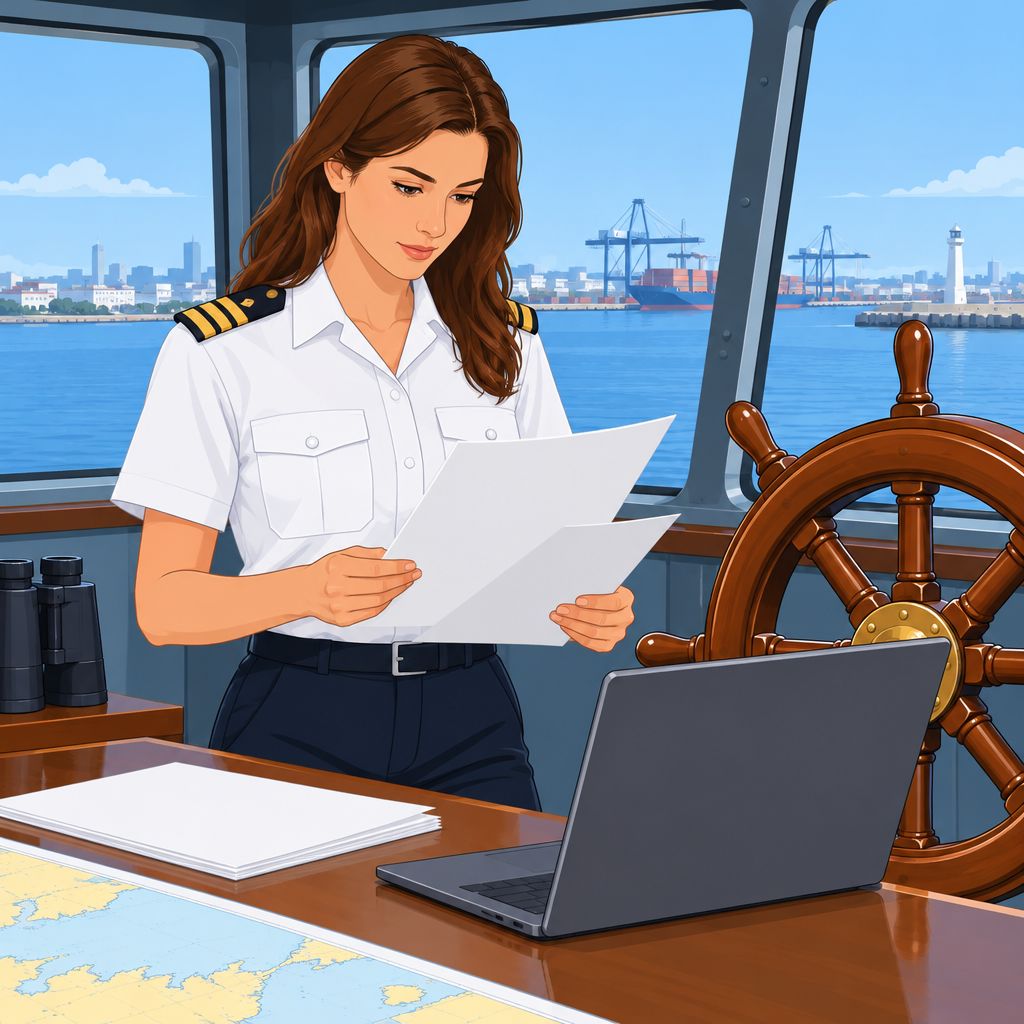
Gaining Maritime Experience
Hands-on experience in the maritime industry is crucial for aspiring maritime pilots.
It provides valuable knowledge and skills that books or classrooms alone cannot teach.
Practical experience helps candidates prepare for demanding maritime responsibilities.
Benefits of Hands-On Maritime Experience
Experience introduces candidates to maritime regulations and safety procedures.
It also builds confidence when candidates handle challenging situations at sea.
These skills support the demanding responsibilities of a maritime pilot.
- Understand the practical aspects of piloting ships
- Learn how to navigate different types of vessels
- Develop communication skills with crew members
- Gain insight into maritime regulations and safety procedures
- Build confidence when handling challenging situations at sea
This practical foundation prepares individuals for the demanding responsibilities of maritime piloting.
Internships and Entry-Level Maritime Opportunities
Several pathways can provide aspiring pilots with practical maritime exposure.
Internships and entry-level roles offer direct contact with maritime operations.
Training and observation opportunities can complement workplace experience.
- Apply for internships with maritime pilot organizations or shipping companies
- Seek entry-level positions as deckhands or crew members on ships
- Volunteer to shadow experienced maritime pilots
- Participate in training programs focused on maritime operations
- Attend workshops or seminars related to piloting and navigation
Aspiring maritime pilots can actively seek opportunities throughout the maritime industry.
These opportunities can enhance their practical skills.
They can also increase their chances of success in this competitive field.
Find Out More: Importance of Communication Skills for Maritime Pilots
Maritime Pilot Licenses and Certifications
Maritime pilots need specific licenses and certifications before guiding ships through harbors and waterways.
These credentials verify their competence, health, and readiness to perform piloting duties safely.
Requirements vary by authority, but several credentials commonly support this career.
Transform Your Career Today
Unlock a personalized career strategy that drives real results. Get tailored advice and a roadmap designed just for you.
Start NowRequired Maritime Pilot Credentials
A pilot license authorizes maritime pilots to operate within specific waters.
A Certificate of Competency demonstrates knowledge and competence in piloting ships.
STCW certification confirms that seafarers meet international safety and competence standards.
- Pilot License: The relevant authority grants this license for piloting vessels in designated waters.
- Certificate of Competency: This certification demonstrates competence and knowledge in ship piloting.
- STCW Certification: This mandatory certification confirms compliance with international training, certification, and watchkeeping standards.
- Medical Certificate: This certificate confirms that pilots can perform their duties safely and requires periodic renewal.
Steps for Obtaining the Required Credentials
Candidates combine education, maritime experience, specialized training, and applications to obtain these credentials.
They must also maintain their qualifications through renewals, refresher courses, and medical examinations.
The following steps outline a general path toward maritime pilot certification.
- Complete Relevant Education: Study marine transportation, nautical science, or a related field.
- Build Maritime Experience: Work aboard ships as a deck officer or crew member.
- Complete Pilot Training: Study navigation, ship handling, and maritime regulations through specialized training.
- Submit Applications: Apply for the pilot license, Certificate of Competency, STCW certification, and medical certificate.
- Renew Credentials: Complete required refresher courses and medical examinations when renewing qualifications.
Meeting these requirements validates a pilot’s expertise and supports safe vessel movements through various waterways.
Delve into the Subject: Real-World Applications of Supply Chain Analysis
Networking Within the Maritime Industry
- Networking with maritime professionals can provide valuable career connections.
- Build relationships with potential mentors and employers in the field.
- Attend industry events, conferences, and seminars to meet key professionals.
- Join maritime organizations and associations to expand your professional network.
- Use LinkedIn to connect with maritime industry professionals.
Networking plays an essential role in the maritime industry.
Building professional connections can create opportunities and provide valuable industry insights.
Use these strategies to network effectively within the maritime sector.
- Remain proactive and approachable when meeting fellow professionals.
- Introduce yourself and begin conversations with people in the industry.
- Attend conferences, workshops, and seminars to meet new contacts.
- Learn from industry experts during these professional gatherings.
- Join maritime associations to access networking events and professional resources.
- Create a professional LinkedIn presence to connect with mentors and employers.
- Identify experienced maritime professionals who can offer career guidance.
- Maintain relationships through regular communication and thoughtful follow-ups.
Strong industry connections can lead to job opportunities, mentorship, and valuable career advice.
Networking also requires offering assistance and support to your professional contacts.
Maintain these relationships to support continued professional growth within maritime piloting.
See Related Content: Day in the Life of a Rail Yard Engineer
Staying Current With Maritime Industry Trends
Maritime pilots need current industry knowledge to manage changes affecting their work.
Regulatory updates can influence safety standards and legal compliance.
Additionally, technology developments may change operational practices and professional expectations.
The Importance of Industry Awareness
Staying informed helps maritime pilots maintain appropriate safety standards.
It also helps them comply with changing legal requirements.
Furthermore, current knowledge helps pilots anticipate potential risks and challenges.
Resources for Current Maritime Knowledge
Maritime pilots can use several resources to monitor industry developments.
These resources provide updates about regulations, technology, and professional practices.
Continuous learning also helps pilots strengthen their skills and remain competitive.
- Subscribe to industry publications and newsletters for updates about maritime developments.
- Attend conferences, seminars, and workshops to learn about emerging trends.
- Join maritime organizations and associations to access specialized resources and information.
- Complete continuing education and training programs to enhance professional skills.
Pursue Advancement Opportunities
Maritime pilots should continually explore career paths within the industry.
Staying informed helps pilots tailor their skills and experience toward suitable opportunities.
Advancement can take several forms, depending on each pilot’s goals and aspirations.
Exploring Potential Career Paths for Maritime Pilots
Experienced pilots can advance by becoming senior pilots who mentor and guide junior colleagues.
Senior pilots may also train new pilots and oversee operations within designated areas.
Alternatively, pilots can specialize in handling specific vessel types and their operational challenges.
- Specialists may focus on container ships or cruise ships.
- This focus develops expertise in unique vessel requirements and challenges.
- Specialization can create advancement opportunities and support higher compensation.
- Some pilots transition into management roles within maritime companies or agencies.
- Managers may oversee pilot operations, safety protocols, and organizational budgets.
- Management roles provide new challenges and additional opportunities for professional growth.
Discussing Opportunities for Advancement Within the Industry
Employers often base advancement decisions on experience, skills, and demonstrated leadership.
Pilots who consistently perform well and make sound decisions may receive promotion consideration.
Continuing education and certifications can further strengthen qualifications for advanced positions.
- Networking can help pilots discover new advancement opportunities within the industry.
- Industry events, conferences, and professional organizations create valuable professional connections.
- Strong relationships with key stakeholders can increase visibility and support career advancement.
- Advanced certifications or licenses can broaden a pilot’s professional capabilities.
- Certifications in vessel traffic management or maritime law can improve competitiveness.
- Continuous learning can prepare pilots for higher-level industry roles.
Successful advancement requires dedication, hard work, and proactive career development.
Pilots can pursue their goals by researching career paths, building connections, and investing in professional growth.
Building a Maritime Piloting Career
Becoming a maritime pilot requires dedication, practical preparation, and sustained commitment to professional development.
Candidates combine marine transportation education, sea experience, and required certifications as they progress toward this profession.
Together, these elements help individuals prepare for the responsibilities associated with maritime piloting.
Furthermore, aspiring pilots should remain committed to their goals throughout this demanding career path.
They can strengthen their readiness by seeking opportunities to expand their maritime skills and knowledge.
Transform Your Career Today
Unlock a personalized career strategy that drives real results. Get tailored advice and a roadmap designed just for you.
Start NowMeanwhile, professional networking can help candidates connect with industry professionals and learn about potential opportunities.
Staying informed about industry trends also supports continued growth within the maritime field.
A maritime piloting career can reward people who value the sea, safety, and professionalism.
Although the profession presents challenges, candidates can treat those difficulties as opportunities for growth.
By following the necessary steps, individuals can work toward guiding vessels safely and efficiently.
With patience and preparation, they can pursue meaningful work navigating vessels toward their destinations.


