




Common Myths and Misconceptions About Bus Drivers
Several misconceptions surround the bus driving profession.
These misunderstandings can create false perceptions about bus drivers.
Therefore, examining these beliefs helps clarify their role in communities.
Why Debunking Misconceptions Matters
Debunking these myths encourages respect for bus drivers’ hard work and dedication.
It also creates a more positive image of their profession.
Moreover, this perspective highlights their crucial role in providing safe and reliable passenger transportation.
Bus Drivers Are Skilled Professionals
Bus drivers are highly skilled professionals.
They complete extensive training before operating buses.
Their expertise supports safe and efficient public transportation.
Training and Skill Requirements
First, bus drivers must obtain a commercial driver’s license.
They complete rigorous testing and training before receiving that license.
Additionally, defensive driving instruction helps drivers protect passengers.
- Bus drivers must obtain a commercial driver’s license through testing and training.
- They learn defensive driving techniques for safer passenger transportation.
Driving Skills and Decision-Making
Bus drivers navigate traffic, difficult roads, and changing weather conditions.
They apply strong driving skills while transporting passengers.
Moreover, drivers make quick decisions when accidents threaten passenger safety.
- Drivers navigate traffic and challenging roads with care.
- They manage adverse weather conditions while operating buses.
- Drivers make rapid decisions to help prevent accidents.
Communication Skills
Bus drivers communicate clearly with passengers during daily operations.
They provide directions and respond effectively during emergencies.
They also coordinate with dispatchers, drivers, and transit authorities.
- Drivers use strong communication skills when assisting passengers.
- They provide directions and manage emergency conversations effectively.
- Drivers communicate with dispatchers and transit authorities during operations.
Passenger Safety Responsibilities
Passenger safety remains a central responsibility for every bus driver.
Drivers follow strict protocols and regulations to protect everyone onboard.
They also prepare for unexpected situations through specialized emergency training.
- Drivers follow safety procedures that protect passengers during transportation.
- They learn emergency procedures, first aid, and evacuation protocols.
- This preparation helps drivers respond when unexpected situations arise.
These responsibilities make bus drivers essential to safe and efficient public transportation.
The Reality of Bus Driving
Many people view bus driving as easy and straightforward.
However, drivers manage demanding responsibilities throughout each workday.
Their duties require patience, concentration, and dedication.
Daily Challenges for Bus Drivers
- Bus drivers often work long shifts, beginning early and ending late.
- Consequently, extended schedules can create physical and mental strain.
- During rush hours, drivers navigate heavy traffic with large vehicles.
- This task requires considerable skill, patience, and careful attention.
- Additionally, drivers sometimes encounter unruly or disruptive passengers.
- They must handle difficult situations while protecting passenger safety.
Therefore, bus driving demands far more than simply operating a vehicle.
Next time you see a bus driver, remember the challenges they face daily.
Uncover the Details: What Does a Transportation Planner Do?
Bus Driver Pay and Career Stability
Many people believe bus drivers receive low wages.
However, bus drivers can earn competitive salaries based on experience and location.
Their compensation may also include valuable workplace benefits.
Average Salary for Bus Drivers
According to the Bureau of Labor Statistics, bus drivers earn about $42,080 annually.
Pay varies between public transportation agencies and private companies.
Experienced drivers with strong records may earn $60,000 or more each year.
- Bus drivers may receive health insurance, retirement plans, and paid time off.
- Public transportation agencies and private companies may offer different compensation packages.
- Experience and a good driving record can support higher earnings.
Benefits and Job Stability
Public transportation services remain essential and continue to need bus drivers.
Therefore, the occupation can provide steady employment opportunities.
Union representation may also strengthen job security and improve available benefits.
- Some employers provide tuition reimbursement opportunities.
- Bus drivers may advance within the transportation industry.
- Health coverage, retirement plans, and paid leave can increase total compensation.
- These factors make bus driving a rewarding career choice for many workers.
Discover More: Interview Tips for Aspiring Rail Yard Engineers
Myth: Bus Drivers Are Not Educated
One common myth claims that bus drivers lack education.
However, this belief is far from the truth.
Transform Your Career Today
Unlock a personalized career strategy that drives real results. Get tailored advice and a roadmap designed just for you.
Start NowIn fact, becoming a bus driver requires education and training.
Educational Requirements for Becoming a Bus Driver
Although colleges may not require a degree, bus drivers must meet specific educational requirements.
These requirements help drivers operate buses safely and transport passengers effectively.
Additionally, drivers must develop the knowledge and skills necessary for their responsibilities.
- High school diploma or GED
- Commercial Driver’s License (CDL)
- Completion of a training program
Importance of Continuous Training and Professional Development
Continuous training and professional development remain crucial in bus driving.
Therefore, bus drivers must stay current with regulations, safety procedures, and technology advancements.
Regular training helps drivers improve their driving skills.
Meanwhile, professional development opportunities strengthen their customer service abilities.
Continuing education also supports compliance with industry standards.
- Regular training helps bus drivers improve their driving skills
- Professional development opportunities enhance customer service abilities
- Continuing education ensures compliance with industry standards
By pursuing ongoing training, bus drivers can strengthen their expertise and improve passenger service.
This education also keeps drivers informed about current safety protocols and industry best practices.
Gain More Insights: Top Resources for Aspiring Rail Yard Engineers
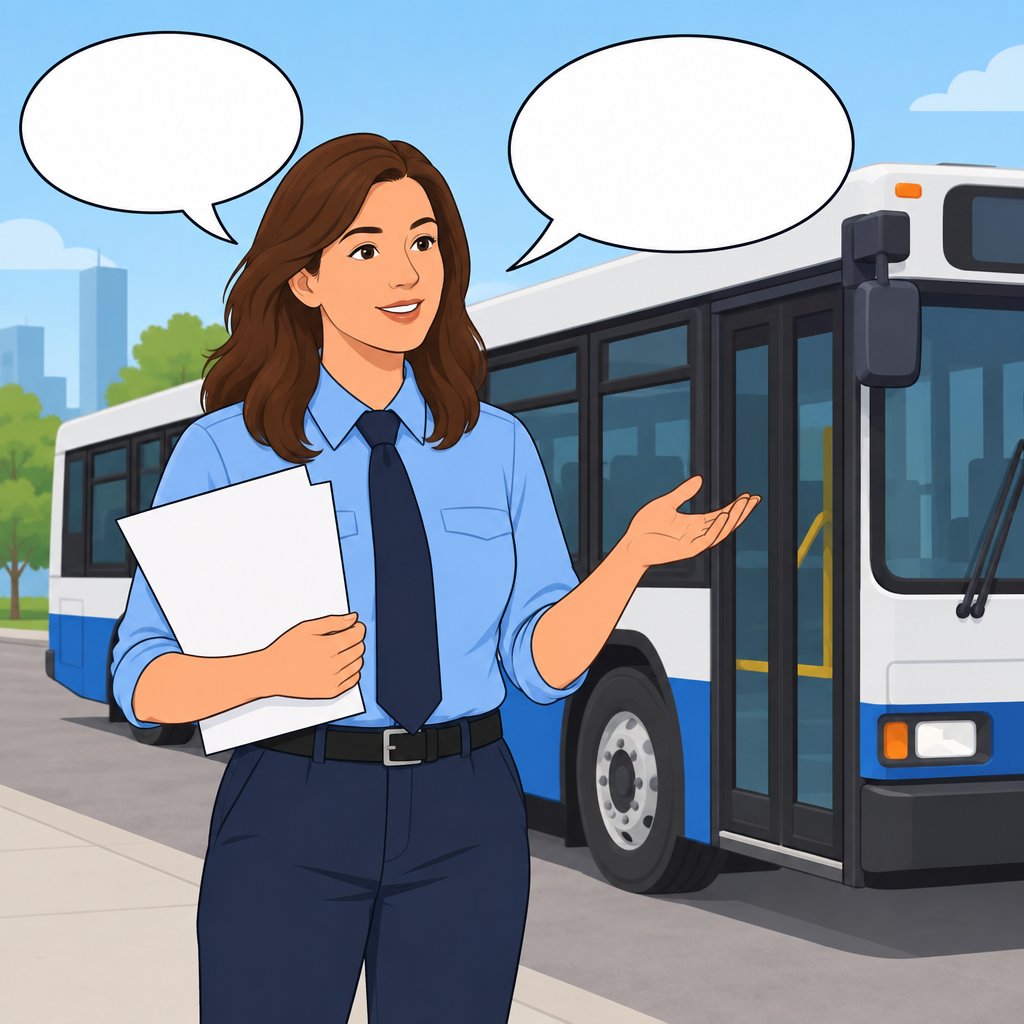
Myth: Bus Drivers Are Rude and Unfriendly
Many people believe that bus drivers are always grumpy or unapproachable.
However, this belief does not represent every driver’s personality or behavior.
Bus drivers, like workers in any profession, have different personalities.
Different Personalities Among Bus Drivers
Some drivers may seem reserved, while others readily welcome conversations.
Although a few drivers may appear unfriendly, most remain kind and professional.
Therefore, passengers should avoid judging every driver after one unpleasant interaction.
Customer Service During Bus Journeys
Bus drivers often provide passengers with their first interaction during a journey.
Consequently, their attitude can influence how passengers feel throughout the trip.
Good customer service helps passengers feel welcome, comfortable, and respected.
Professional Conduct Under Pressure
Bus drivers handle traffic, schedules, and passenger safety during each workday.
They also manage different situations while maintaining professional interactions with passengers.
Despite these demands, many drivers continue treating passengers with patience and care.
Ways Drivers Create Welcoming Journeys
Many bus drivers take practical steps to help passengers feel safe and welcome.
For example, they may greet passengers warmly and offer assistance when needed.
They also help passengers board and leave the bus safely.
- Some drivers greet passengers with a smile.
- Others offer assistance when passengers need support.
- Friendly conversations can create a welcoming atmosphere.
- Drivers help passengers board and leave safely.
- Some drivers remember regular passengers and build friendly rapport.
Recognizing Drivers’ Daily Efforts
Bus drivers take pride in serving passengers and supporting a positive travel experience.
While individual experiences differ, many drivers remain friendly, approachable, and dedicated.
Recognizing their efforts encourages passengers to view the profession more fairly.
Uncover the Details: Healthcare Benefits for Transportation Security Screeners
Bus Drivers’ Responsibility for Passenger Safety
Some people mistakenly believe bus drivers lack responsibility for passenger safety.
This belief is incorrect because drivers help maintain a safe environment throughout every journey.
They also support a secure and comfortable travel experience for everyone aboard.
Drivers remain accountable for passenger well-being during each journey.
They protect passengers by following safety regulations and traffic laws.
They also prepare to respond quickly when safety concerns arise.
- Bus drivers protect the well-being of all passengers during the journey.
- They follow safety regulations and traffic laws to protect passengers.
- They handle emergencies and respond promptly to safety concerns.
Safety Training and Operating Protocols
Drivers receive rigorous training on safety procedures and operating protocols.
They use defensive driving techniques to help prevent accidents.
They also inspect their vehicles and communicate safety instructions to passengers.
Transform Your Career Today
Unlock a personalized career strategy that drives real results. Get tailored advice and a roadmap designed just for you.
Start Now- Bus drivers complete rigorous training on safety procedures and protocols.
- They learn defensive driving techniques to help prevent accidents.
- They regularly inspect vehicles to confirm proper working conditions.
- They communicate clearly with passengers and provide safety instructions.
- They assist passengers when safety concerns require additional support.
Traffic Demands Make Bus Driving Stressful
One common myth claims that bus drivers have easy jobs without significant stress.
This belief ignores the concentration and effort required to operate a bus safely.
In reality, traffic creates demanding situations that require constant attention and careful judgment.
Traffic Challenges and Split Second Decisions
Bus drivers navigate congested streets while managing changing traffic conditions.
They also encounter aggressive drivers and must protect passengers throughout each journey.
Therefore, drivers constantly scan their surroundings and anticipate possible hazards.
- Heavy traffic creates stressful driving conditions.
- Drivers make quick decisions to help prevent accidents.
- Safe bus operation requires sustained concentration and skill.
Mental and Emotional Demands
Heavy traffic can leave bus drivers mentally and emotionally exhausted.
They maintain focus for long periods, including during difficult weather or nighttime driving.
Additionally, passenger conflicts and emergencies can increase the pressure they experience.
- Drivers concentrate for extended periods without losing focus.
- Challenging weather conditions can make driving more demanding.
- Unruly passengers and fare evasion can create additional stress.
Health Effects of Chronic Work Stress
The demands of bus driving can affect physical health over time.
Drivers may experience back pain, muscle tension, headaches, and fatigue.
Furthermore, chronic stress can contribute to more serious health problems.
- Long driving periods may contribute to back pain.
- Muscle tension and headaches can accompany ongoing stress.
- Fatigue can make demanding workdays even more difficult.
Recognizing the Demands of Bus Driving
Bus driving requires concentration, resilience, and careful attention to passenger safety.
Drivers manage traffic, passenger concerns, and emergencies during their daily work.
Recognizing these demands helps people appreciate bus drivers’ dedication and responsibility.
Recognizing the Value of Bus Drivers
Despite common misconceptions, bus driving remains a challenging profession.
Understanding their daily responsibilities can encourage greater respect for bus drivers.
Therefore, appreciating their dedication helps recognize how they support passenger safety and well-being on the road.


