




Importance of Certifications for Power Line Installers
Power line installers install, maintain, and repair power lines and related equipment.
Certifications validate their expertise and knowledge in this field.
This section explains why certifications matter for power line installers.
Overview of Power Line Installer Careers
Power line installers work with electrical power systems in residential and commercial settings.
They install, maintain, inspect, and repair power lines and related equipment.
The profession requires technical knowledge, physical ability, careful attention, and a strong safety commitment.
- Power system installation
- Power line maintenance
- Electrical equipment repair
Duties and Responsibilities
Power line installers set up electrical lines for residential and commercial buildings.
They inspect power lines and equipment to confirm compliance with safety standards.
When damage occurs, these workers repair affected lines and equipment using appropriate tools.
- Install power lines for buildings
- Inspect lines for safety compliance
- Repair damaged lines and equipment
- Use tools for electrical installation work
Skills Required for the Job
Physical strength helps installers handle demanding tasks and work extended hours.
Attention to detail supports accurate installation and reliable power system operation.
Problem-solving ability helps workers troubleshoot electrical issues efficiently and safely.
- Physical strength and stamina
- Attention to detail
- Problem-solving ability
- Electrical system knowledge
- Understanding of safety protocols
Potential Risks and Workplace Hazards
Power line installers may face electrical, physical, and environmental hazards during their work.
Workers can receive electrical shocks while handling live wires or nearby equipment.
They also face fall risks, lifting injuries, and exposure to extreme weather conditions.
- Electrical shock from live wires
- Falls from poles or towers
- Injuries from lifting heavy materials
- Exposure to extreme weather conditions
Professional Value of Power Line Installer Certifications
Certifications show that power line installers understand essential industry knowledge and can apply it competently.
They also distinguish candidates by demonstrating commitment to professional development.
Additionally, employers can use certifications as evidence of tested knowledge and practical training.
- Certifications demonstrate expertise and competency in power line installation.
- They showcase an installer’s commitment to professional development.
- Employers often prioritize individuals who have completed rigorous testing and training.
Career Opportunities and Earning Potential
Certified installers present stronger qualifications to potential employers during competitive hiring processes.
That distinction can improve access to job opportunities.
Furthermore, certified professionals often earn higher salaries than non-certified workers.
- Certifications make installers more marketable to potential employers.
- Certified professionals often command higher salaries and better job opportunities.
- Employers value certifications because they indicate expertise that supports project success.
Regulatory Requirements for Industry Certifications
Industry regulations may require certifications for specific power line installation tasks.
These requirements help employers maintain safety and compliance with established standards.
Regulatory bodies such as OSHA may require specific certifications before installers perform certain duties.
- Certifications can support legal compliance within the power line installation industry.
- Some tasks may require specific credentials before installers perform them.
- Certified installers demonstrate competence while following safety protocols.
By meeting certification expectations, installers demonstrate competence, support safe work, and pursue career advancement.
Find Out More: Top Tools Every Painter Needs for Interior Projects
Power line installers can pursue several certifications that support safe and skilled work.
These credentials address safety training, technical abilities, and specialized job responsibilities.
Therefore, installers can select certifications that match their training needs and career goals.
OSHA Safety Training Certifications
OSHA certifications provide essential safety training for professionals who work on power lines.
The training covers hazard recognition, fall protection, and electrical safety.
Installers can pursue the 10-hour or 30-hour Construction Industry Outreach Training Program.
NCCER Technical Skills Certifications
NCCER offers certifications for construction and maintenance professionals, including power line installers.
These programs cover basic electrical theory and advanced power line installation techniques.
Because employers recognize NCCER programs nationwide, they provide useful technical training for installers.
Specialty Certifications for Specific Tasks
Specialty certifications help installers develop abilities for particular tasks and work environments.
Examples include tree trimming, crane operation, and pole climbing certifications.
Additionally, these credentials demonstrate proficiency in specialized duties and support continued professional development.
Installers should consider certifications that align with their responsibilities and desired areas of expertise.
Safety training, technical programs, and specialty credentials each address different professional needs.
Transform Your Career Today
Unlock a personalized career strategy that drives real results. Get tailored advice and a roadmap designed just for you.
Start NowInvesting in relevant education and training can strengthen an installer’s preparation for fieldwork.
Explore Further: How to Paint with a Roller for Even Coverage
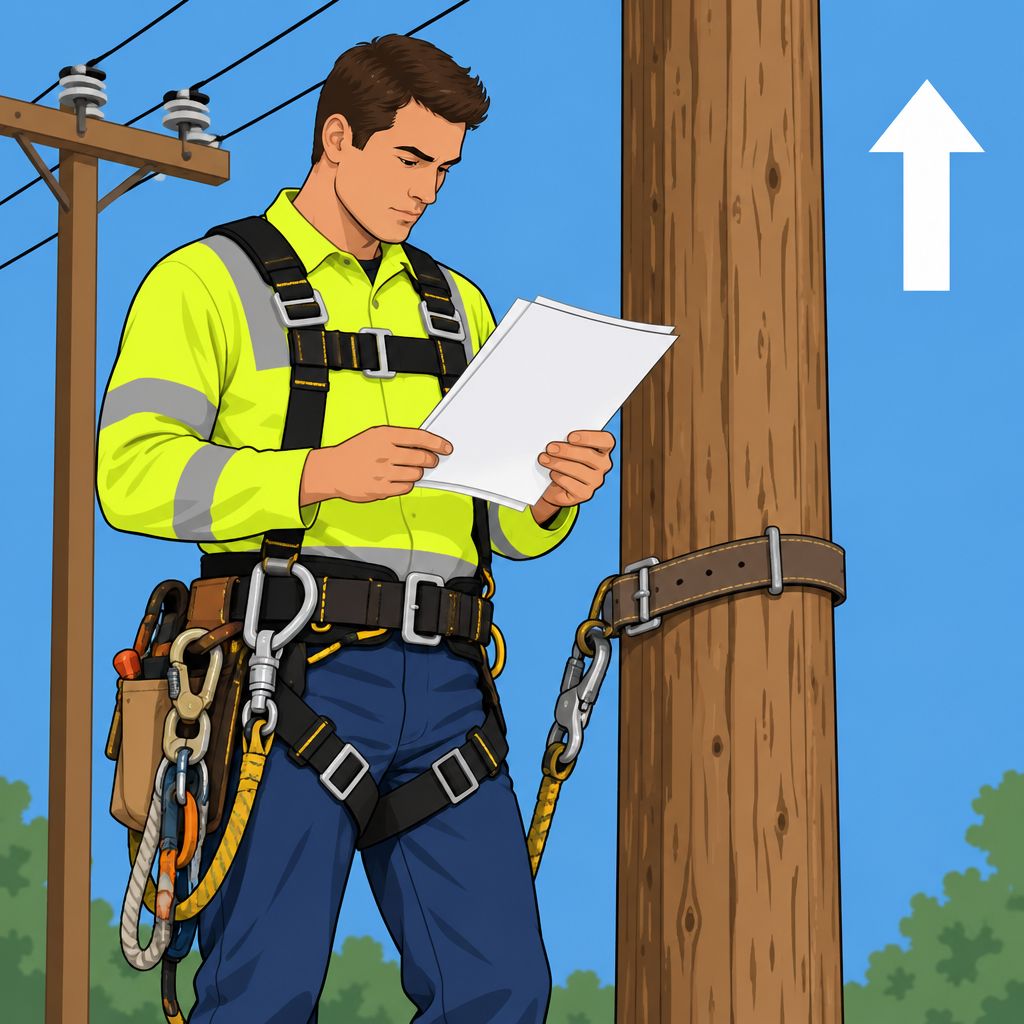
Career Benefits of Power Line Installer Certifications
Power line installer certifications can expand career opportunities by demonstrating specialized skills and knowledge.
They also help professionals approach job tasks with greater confidence.
Additionally, certifications strengthen credibility with employers and clients by showing commitment to industry standards.
- Expanded opportunities: Specialized skills can help certified professionals qualify for more industry roles.
- Increased confidence: Hands-on training and theoretical knowledge prepare installers for varied field challenges.
- Enhanced credibility: Certifications show employers and clients that installers meet industry standards.
These benefits can help professionals advance their careers and provide strong service to employers and clients.
Delve into the Subject: Top Tools Used by Agricultural Workers on the Job
How to Obtain Certifications
Power line installers can pursue certifications to demonstrate their training and field knowledge.
The certification process usually includes eligibility checks, relevant training, and an examination.
Applicants should compare available requirements before selecting a certification pathway.
Eligibility Requirements for Different Certifications
First, applicants should review the eligibility requirements for each certification.
Most certifications require a high school diploma or an equivalent qualification.
Some credentials also require work experience or completion of specific training programs.
- Most certifications require a high school diploma or equivalent.
- Some certifications require specific work experience before applicants can qualify.
- Certain certifications require applicants to complete specific training programs.
Training Programs and Courses
Training programs can help applicants develop knowledge before they attempt certification examinations.
Applicants should seek accredited programs from recognized educational institutions.
Several learning formats can support preparation, including classroom and online instruction.
- Look for accredited programs offered by recognized institutions.
- Consider community colleges or trade schools with relevant courses.
- Use online platforms that provide training for power line installers.
Exam Preparation Tips and Resources
Applicants can improve their preparation by studying the certification requirements and examination content.
Practice materials can help candidates understand the examination format and identify topics needing further review.
Experienced professionals can also provide guidance during the preparation process.
- Review the certification examination outline before studying.
- Take practice tests to become familiar with the examination format.
- Join study groups or online forums to discuss examination topics.
- Use study guides and textbooks recommended by certification providers.
- Attend workshops or seminars to strengthen your knowledge and skills.
- Seek guidance from experienced professionals in the field.
Applicants should follow each certification provider’s instructions throughout the process.
Careful preparation can help candidates approach certification examinations with greater confidence.
After completing the requirements, successful applicants can obtain the certifications they pursue.
Find Out More: Understanding the Miner's Role in Construction Projects
Cost of Certifications
Certification costs depend on the credential and the institution offering it.
Power line installers should identify required credentials before planning their education expenses.
Careful budgeting helps applicants prepare for fees and evaluate possible career benefits.
Overview of Certification Fees
Common credentials include the Certified Power Line Technician and Journeyman Lineman Certification.
Certification fees can range from a few hundred dollars to more than one thousand dollars.
The Certified Power Line Technician certification typically costs between $500 and $800.
Meanwhile, the Journeyman Lineman Certification can cost more than $1,000.
Applicants should research specific requirements and plan for all associated certification fees.
Potential Career Return on Investment
Certification fees require upfront spending, but credentials may support career advancement.
Power line installers with relevant certifications may increase their earning potential.
Certified professionals may also receive consideration for supervisory roles.
Additionally, certification can give candidates a competitive advantage in the job market.
Employers may prefer applicants who demonstrate expertise through recognized certifications.
Financial Assistance for Certification Costs
Applicants facing financial barriers can explore several options for reducing certification expenses.
Community colleges and technical schools may offer scholarships for certification students.
These institutions may also provide grants for students pursuing power line installation credentials.
Some employers may cover part or all of certification costs.
Transform Your Career Today
Unlock a personalized career strategy that drives real results. Get tailored advice and a roadmap designed just for you.
Start NowEmployers may provide this support when certification benefits their workforce.
Eligible students can also investigate federal aid programs, including Pell Grants.
Financial assistance can make certification programs more accessible to qualified applicants.
Certification Standards for Power Line Installers
Certifications confirm a power line installer’s skills and knowledge.
They also support quality work and alignment with industry standards.
Employers may value certified professionals for reliability, safety awareness, and field expertise.
Certification Benefits for Career Development
Certifications can help professionals pursue higher-paying positions.
They may also support career growth and stronger job security.
Additionally, credentials demonstrate commitment to excellence and continued learning.
Professional Development Through Certification
Power line installers can use certifications to strengthen their professional direction.
By expanding their skills, they can present themselves more effectively in a competitive industry.
Furthermore, continued learning supports a professional approach to workplace responsibilities.
Choosing a Certification Path
Start by exploring certification options available in your area.
Next, compare each option with your career goals and current development needs.
Then, commit to the steps required to become a certified power line installer.
Additional Resources
Google search results for Certifications for Power Line Installers Construction and Manual Labor
Bing search results for Certifications for Power Line Installers Construction and Manual Labor


