




Introduction
Boilermakers are skilled craftsmen who fabricate, install, and repair boilers and closed vats.
They also work on large vessels that contain liquids and gases.
These professionals play a crucial role in manufacturing, energy production, and construction.
Addressing occupational health risks remains essential because their work involves hazardous materials, high temperatures, and heavy machinery.
Without proper precautions and mitigation strategies, boilermakers face various occupational health issues.
Overview of Boilermaker Health Risks
Boilermakers encounter several occupational hazards during maintenance, repair, and equipment operation.
Some exposures create immediate dangers, while others produce serious long-term health effects.
Workers can reduce these risks by following safety procedures and using suitable protective equipment.
- Asbestos exposure can cause respiratory problems.
- Welding fumes can damage the lungs and create respiratory problems.
- Heavy machinery can cause accidents and physical injuries.
Common Hazards Faced by Boilermakers
Boilermakers work around materials, fumes, machinery, and equipment that can affect their health.
Older industrial systems may contain hazardous materials that release harmful substances during repairs.
Furthermore, physical tasks and equipment operation can increase the likelihood of workplace injuries.
Asbestos Exposure
Older boilers and pipes may contain asbestos materials.
Maintenance or repair work can disturb these materials and release tiny fibers into the air.
Workers may inhale the fibers without recognizing the exposure.
Prolonged exposure can contribute to mesothelioma, lung cancer, and asbestosis.
Welding Fume Exposure
Welding fumes can contain substances such as manganese, chromium, and nickel.
Boilermakers can inhale these fumes while completing welding tasks.
Repeated exposure may cause respiratory problems, lung damage, and neurological issues.
Long-term exposure has links to chronic bronchitis, metal fume fever, and lung cancer.
Heavy Machinery Risks
Boilermakers often operate heavy machinery and work near substantial equipment.
This environment increases the risk of accidents and serious physical injuries.
Falls, crush injuries, and burns represent common dangers during equipment-related tasks.
These injuries can affect mobility and physical health for extended periods.
Long-Term Health Implications
Repeated exposure to occupational hazards can create lasting health consequences.
Respiratory damage may develop gradually after prolonged contact with asbestos or welding fumes.
Physical injuries can also affect a boilermaker’s mobility and overall health.
- Asbestos and welding fumes can contribute to chronic asthma and bronchitis.
- Extended exposure to toxic fumes can cause irreversible lung damage.
- Asbestos exposure can increase the risk of mesothelioma and lung cancer.
- Welding fumes have links to lung cancer and neurological problems.
- Heavy machinery accidents can cause significant physical injuries.
Health Protection Measures
Boilermakers should learn about workplace hazards before beginning maintenance or repair tasks.
They should use personal protective equipment and follow established safety protocols.
Regular health screenings can help identify early signs of occupational illness.
These measures can reduce long-term effects and support continued work in the profession.
Regular health check-ups help boilermakers protect their long-term well-being.
Importance of Regular Health Check-ups
Regular medical examinations can reveal potential health risks before they become serious.
Early detection supports timely action and helps prevent conditions linked to hazardous work environments.
Health screenings can identify respiratory problems, hearing loss, skin irritations, and occupational injuries.
- Medical examinations can detect developing health concerns early.
- Early findings can help prevent serious health issues.
- Boilermakers face risks that may affect their respiratory, hearing, and skin health.
- Regular screenings can reveal occupational illnesses before they worsen.
Medical Examinations for Boilermakers
Boilermakers work around high heat, heavy machinery, and toxic materials.
These exposures may affect their health over time without regular monitoring.
Health professionals can assess their condition and recommend appropriate preventive measures.
- High temperatures create demanding working conditions for boilermakers.
- Heavy machinery can contribute to occupational health risks.
- Toxic materials may produce long-term health effects.
- Regular check-ups provide valuable information about overall health.
Benefits of Early Health Detection
Regular screenings can identify potential health concerns before they cause irreversible damage.
Early identification allows boilermakers to pursue timely treatment and practical preventive measures.
Consistent medical care supports their health and well-being throughout their working lives.
Transform Your Career Today
Unlock a personalized career strategy that drives real results. Get tailored advice and a roadmap designed just for you.
Start Now- Early detection can help prevent irreversible health conditions.
- Timely intervention can address emerging risks more effectively.
- Appropriate treatment can provide necessary support for boilermakers.
- Regular check-ups help maintain long-term health and well-being.
By attending regular health check-ups, boilermakers can take proactive steps to manage occupational health risks.
Explore Further: Groundskeeper's Checklist for Lawn Maintenance
Personal Protective Equipment for Boilermakers
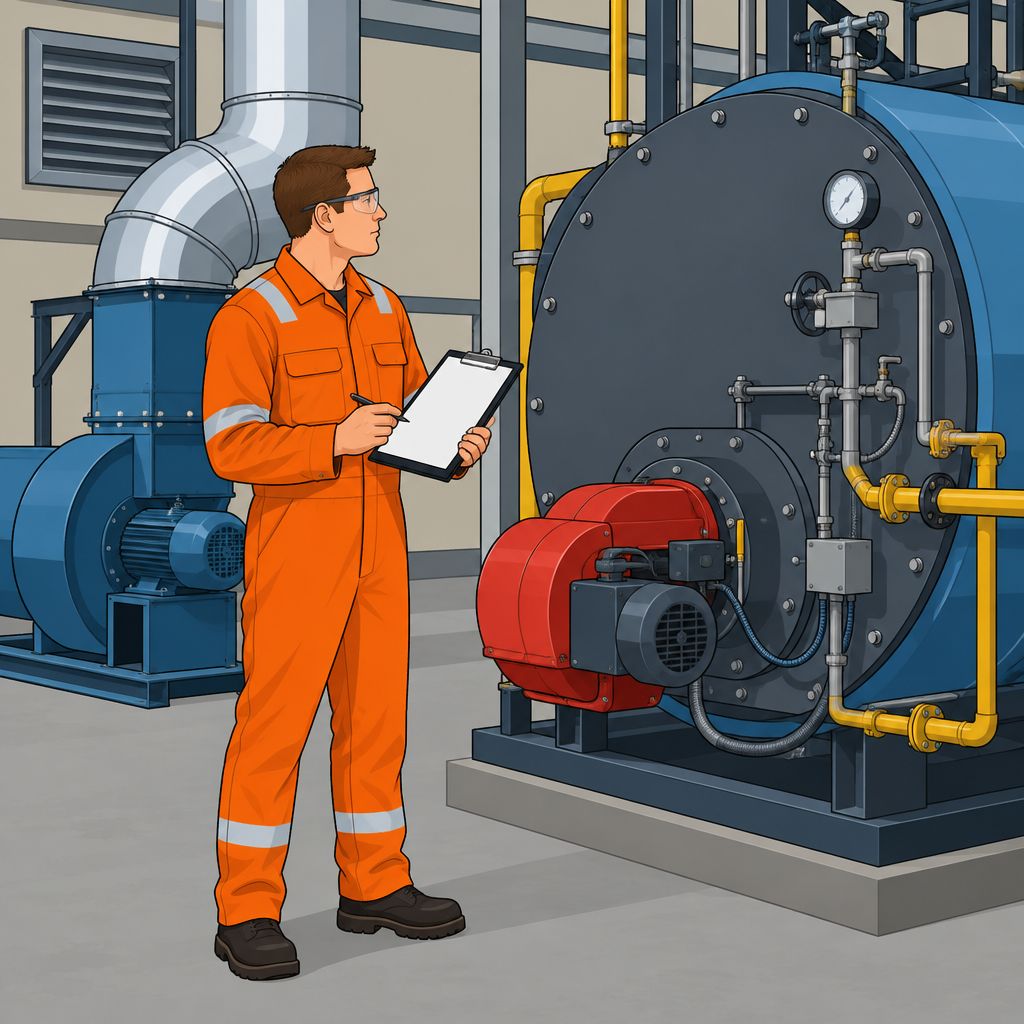
Boilermakers need suitable personal protective equipment to reduce workplace health risks.
Each item protects against specific hazards encountered during boilermaking tasks.
- Respirators protect workers from harmful fumes and airborne particles.
- Gloves help prevent burns, cuts, and other hand injuries during work.
- Safety goggles shield the eyes from sparks, debris, and chemicals.
Why Proper PPE Matters
Proper PPE remains essential because boilermakers face several workplace hazards.
- PPE creates a barrier between the body and potential hazards, reducing injury risks.
- Following PPE guidelines helps workers comply with safety regulations and standards.
- Using PPE can help prevent long-term health issues caused by prolonged hazard exposure.
- Safety gear can improve focus and confidence, supporting better work performance.
- Employers and employees share responsibility for prioritizing workplace safety through PPE.
Proper PPE Fit and Maintenance
Workers must select, inspect, clean, and replace PPE to maintain effective protection.
- PPE should fit correctly without gaps or discomfort.
- Regular inspections help workers identify wear and damage.
- Proper cleaning and storage can extend PPE’s lifespan and effectiveness.
- Workers should replace damaged or worn-out PPE immediately.
PPE Training and Education
Training gives boilermakers the knowledge needed to use and maintain PPE safely.
- Employers should conduct regular training on proper PPE use and maintenance.
- Workers need awareness of the health risks associated with inadequate PPE.
- Demonstrations show employees how to wear and adjust PPE correctly.
- Employers should monitor advancements in PPE technology and safety regulations.
PPE Supports Boilermaker Safety
Personal protective equipment forms a vital part of boilermaker safety measures.
Using appropriate PPE helps workers reduce health risks and follow safety requirements.
Consistent PPE use also helps boilermakers prioritize their well-being at work.
You Might Also Like: Famous Structures Built by Skilled Masons
Training and Education for Boilermaker Safety
Comprehensive training and ongoing education help boilermakers manage occupational health risks.
These programs build the knowledge and skills needed for safe, efficient work.
Furthermore, regular instruction reinforces safe practices as workplace conditions change.
- Proper training helps boilermakers understand potential hazards in their work environment.
- It also equips workers to reduce risks and prevent accidents.
- Hands-on instruction teaches boilermakers to use safety equipment correctly.
- Practical exercises also reinforce established safety protocols.
Additionally, ongoing education keeps boilermakers informed about current safety protocols and industry practices.
- Regular sessions reinforce safety procedures and keep them familiar to workers.
- Training on new technologies helps boilermakers adapt to workplace changes.
- Safety innovations can provide additional ways to manage workplace risks.
- Continuous education keeps workers informed about updated industry regulations and standards.
Investing in training and education helps minimize health risks for boilermakers.
It also supports a safer work environment for everyone involved.
Gain More Insights: The Benefits of Installing Fences for Pet Owners
Ergonomics and workplace safety significantly affect boilermakers’ health risks.
Proper ergonomics help prevent musculoskeletal injuries, while safety measures reduce workplace accidents.
Ergonomics and Musculoskeletal Injuries
Ergonomics refers to how people interact with their work environment.
For boilermakers, proper ergonomics can reduce musculoskeletal injury risks.
These injuries often result from repetitive movements, awkward postures, and heavy lifting.
- Boilermakers can prevent muscle and joint strain by setting up workstations correctly.
- They should keep tools within reach during work tasks.
- Regular breaks and stretching exercises can relieve muscle fatigue and reduce injury risks.
Workplace Safety Measures
Workplace safety helps boilermakers prevent accidents and injuries.
Boilermakers work in potentially hazardous environments, including construction sites and industrial plants.
Proper safety training and personal protective equipment help workers manage workplace hazards.
- Regular safety audits help identify potential workplace risks.
- Inspections also help companies address those risks.
- Emergency response plans help workers handle accidents or incidents effectively.
Ergonomics and workplace safety help boilermakers protect their health and well-being.
By focusing on these areas, companies can create safer work environments.
These practices can also reduce injury and accident risks among workers.
Learn More: Managing Construction Budgets and Costs
Mental Health Awareness
Boilermakers may face mental health challenges because their work involves physical demands and high-pressure conditions.
Furthermore, job stress can affect their emotional well-being and daily performance.
Employers and workers should promote mental health support and practical stress management strategies.
Challenges Faced by Boilermakers
Several workplace conditions can affect boilermakers’ mental health.
Recognizing these challenges helps workers seek support before stress becomes overwhelming.
Additionally, supportive workplaces can reduce isolation and strengthen worker well-being.
- Remote locations and confined spaces may cause isolation and loneliness.
- Tight deadlines and stressful situations can create anxiety and emotional pressure.
- Physical demands may cause fatigue, burnout, and declining mental well-being.
- Fluctuating industry demand may create job insecurity and additional stress.
Resources for Mental Health Support
Accessible resources can help boilermakers manage emotional challenges and protect their mental well-being.
Workers should consider confidential support whenever stress affects their daily lives.
Peer connections and professional guidance can also encourage recovery and resilience.
- Employee Assistance Programs may provide confidential counseling and support services.
- Mental health hotlines can offer immediate assistance during times of distress.
- Therapists and counselors can help workers process emotions and develop coping strategies.
- Peer support groups can connect boilermakers who understand the job’s challenges.
- Exercise, mindfulness, and relaxation techniques can support personal well-being.
Stress Management Techniques
Practical habits can help boilermakers reduce stress during demanding work periods.
Transform Your Career Today
Unlock a personalized career strategy that drives real results. Get tailored advice and a roadmap designed just for you.
Start NowWorkers can choose techniques that fit their schedules, responsibilities, and personal needs.
Consistent self-care can improve focus, relaxation, and emotional resilience.
- Prioritizing tasks and setting realistic goals can reduce feelings of overwhelm.
- Regular physical activity can reduce stress, improve mood, and support well-being.
- Mindfulness and meditation can promote relaxation, focus, and emotional resilience.
- Deep breathing can calm the body and reduce anxiety during stressful moments.
- Work-life boundaries can help workers recharge through relationships, breaks, and hobbies.
Supporting Long-Term Boilermaker Health
Boilermakers face ongoing risks from hazardous materials, burns, and musculoskeletal injuries.
Therefore, workers should follow established safety protocols and select protective equipment for each task.
Regular health check-ups also help workers monitor their well-being and address concerns promptly.
By staying informed and vigilant, boilermakers can reduce injury risks and support a healthier workplace.
These practices can help them pursue long, successful careers while protecting their colleagues.
Additional Resources
Google search results for Health Risks and Mitigation for Boilermakers Construction and Manual Labor
Bing search results for Health Risks and Mitigation for Boilermakers Construction and Manual Labor


