




Maintaining a healthy lawn is essential for a well-kept property.
A checklist helps groundskeepers track important tasks.
These tasks may include mowing, watering, weeding, fertilizing, and aerating.
Consequently, groundskeepers can complete necessary maintenance on time.
A checklist also helps prevent important tasks from being overlooked.
It provides a systematic approach to lawn care.
This approach ensures that workers miss no essential step.
Furthermore, a well-maintained lawn enhances the property’s appearance.
It creates a welcoming environment for residents and visitors.
With a checklist, groundskeepers stay organized and efficient.
Therefore, they can follow more effective lawn maintenance practices.
This organized process supports a healthy and attractive landscape.
Essential Tools for Lawn Maintenance
- Lawnmower: This tool cuts grass evenly and keeps the lawn tidy.
- Trimmer: Use this tool to edge borders and trim hard-to-reach areas.
- Rake: This tool gathers leaves, grass clippings, and other lawn debris.
- Shovel: Use this tool to dig, plant, and move soil or mulch.
Well-maintained equipment supports efficient lawn maintenance work.
Additionally, a sharp lawnmower blade produces a clean cut.
This clean cut prevents browning and supports healthy grass growth.
Regularly clean and lubricate trimmers and rakes to extend their lifespan.
Proper care also helps these tools function correctly.
Regular Lawn Care Tasks
Regular lawn care tasks support the health and appearance of your outdoor space.
Each task contributes to a vibrant and lush lawn.
Use a consistent routine to keep your lawn attractive and inviting.
- Mowing the lawn
- Edging
- Weeding
- Watering
Mowing the Lawn
Regular mowing keeps your lawn neat and tidy.
It also promotes healthy grass growth and limits opportunities for weeds.
Therefore, mow at the proper height to avoid stressing the grass.
Edging
Edging gives your lawn a polished appearance by defining its borders.
It also keeps grass from spreading onto walkways and flower beds.
Regular edging creates clean lines and improves the lawn’s overall appearance.
Weeding
Weeds compete with grass for water, sunlight, and nutrients.
As a result, weeds can create thin and patchy areas.
Remove weeds by hand or apply a targeted herbicide to limit their spread.
Watering
Proper watering supports the health and growth of your lawn.
Water deeply and infrequently to encourage deep roots and drought tolerance.
Water early in the morning to reduce evaporation and fungal disease risks.
Early watering also allows grass to dry before evening.
By combining these tasks, you can keep your outdoor space beautiful throughout the year.
Learn More: Famous Structures Built by Skilled Masons
Seasonal Lawn Tasks
Groundskeepers should adjust lawn care tasks as each season brings different maintenance needs.
A seasonal schedule helps support healthy, vibrant grass throughout the year.
Therefore, timely work can address changing lawn conditions and prevent problems from escalating.
Spring Lawn Care
Spring growth requires nutrients, airflow, weed management, and renewed coverage.
First, inspect the lawn and identify bare patches or emerging weeds.
Transform Your Career Today
Unlock a personalized career strategy that drives real results. Get tailored advice and a roadmap designed just for you.
Start NowThen, schedule treatments that support strong, even grass growth.
- Apply fertilizer in spring to provide essential nutrients for healthy growth.
- Aerate the lawn to improve soil airflow, reduce compaction, and promote grass growth.
- Address weeds that emerged during the winter months.
- Overseed bare patches to encourage thick, lush grass growth.
Summer Lawn Care
Summer maintenance focuses on steady mowing, hydration, pest awareness, and targeted treatments.
Hot, dry periods can increase stress, so monitor the lawn consistently.
Meanwhile, address thin areas before they become larger bare patches.
- Mow regularly to maintain the ideal grass height and prevent overgrowth.
- Water properly to keep grass hydrated and healthy during hot, dry periods.
- Monitor for pests and apply appropriate treatments to prevent lawn damage.
- Spot treat bare patches or thin areas with seed or fertilizer as needed.
Fall Lawn Care
Fall preparation strengthens grass and improves its readiness for winter.
Additionally, remove leaves regularly so they do not block grass growth.
Inspect thatch buildup and improve air and water penetration when necessary.
- Aerate the lawn to improve root development and nutrient absorption before winter.
- Apply fall fertilizer to promote root growth and strengthen grass.
- Remove fallen leaves regularly to prevent grass suffocation and restricted growth.
- Dethatch areas with excessive buildup to improve air and water penetration.
Winter Lawn Care
Winter maintenance prepares the lawn, tools, trees, and shrubs for the next growing season.
As grass enters dormancy, adjust care practices and monitor surrounding plants.
Use quieter periods to organize supplies and plan upcoming spring work.
- Cut the grass slightly shorter and reduce watering as dormancy begins.
- Clean and sharpen tools for the upcoming spring season.
- Inspect trees and shrubs for damage or disease before issues worsen.
- Plan spring maintenance by purchasing seeds or scheduling professional services.
Following seasonal tasks helps groundskeepers maintain a healthy, vibrant lawn throughout the year.
Stay proactive and address problems promptly to limit long-term lawn damage.
Explore Further: The Benefits of Installing Fences for Pet Owners
Pest and Disease Control
Proactive care helps prevent common pests and diseases from weakening grass.
Early identification allows prompt treatment of lawn problems.
Prompt action can limit further damage to the lawn.
Addressing Common Pests
- Grubs feed on grassroots and cause brown patches across the lawn.
- Use insecticides specifically designed for grub control.
- Chinch bugs suck sap from grass blades, causing yellowing and death.
- Treat chinch bugs with insecticidal soap or neem oil.
- Armyworms feed on grass blades and can quickly destroy a lawn.
- Apply insecticides labeled for armyworm control to eliminate these pests.
- Dollar spot fungus creates small, silver dollar-sized dead patches on the lawn.
- Apply fungicides labeled for dollar spot control to treat this disease.
Tips for Identifying and Treating Pests and Diseases
- Inspect the lawn regularly for chewed grass blades and discolored patches.
- Mow at the proper height to help keep the lawn healthy.
- Water deeply but infrequently to help prevent lawn stress.
- Fertilize appropriately to support healthy grass and reduce stress.
- Aerate the lawn to improve drainage and reduce thatch buildup.
- Reduced thatch can limit conditions that support pests and diseases.
- Consider ladybugs or nematodes for eco-friendly pest control.
Regular monitoring helps you respond quickly to lawn pests and diseases.
These practices support a lush and green landscape for your enjoyment.
Learn More: Managing Construction Budgets and Costs
Soil Care and Nutrient Management
Proper soil care supports a healthy and vibrant lawn.
Nutrient management helps grass receive the resources it needs.
Furthermore, these practices promote steady lawn growth throughout the year.
Soil Testing and Nutrient Balance
Regular soil testing reveals nutrient levels in the lawn.
This information guides informed fertilization decisions.
Additionally, balanced nutrients support healthy grass growth.
- Test the soil regularly to determine nutrient levels in the lawn.
- Use soil information to make informed fertilization decisions.
- Keep soil pH within the optimal range for plant nutrient uptake.
- Balance nitrogen, phosphorus, and potassium to support healthy growth.
Techniques for Improving Soil Health
Composting improves soil structure and fertility.
Organic matter helps soil retain moisture.
Meanwhile, mulch protects roots and suppresses weeds.
- Use compost to improve soil structure and fertility.
- Add organic matter to increase the soil’s moisture retention.
- Apply mulch to improve soil health and protect plant roots.
- Use mulch to regulate soil temperature, retain moisture, and suppress weeds.
Delve into the Subject: Training Programs for Aspiring Warehouse Workers
Landscaping and Design Considerations
Groundskeepers play a crucial role in maintaining the property’s overall aesthetic.
Their responsibilities extend beyond mowing the lawn.
- Groundskeepers select and plant flowers that complement the property’s design and color scheme.
- Regular pruning and shaping of bushes and shrubs maintain a neat, manicured appearance.
- Groundskeepers design and create walkways using gravel, stones, or pavers to enhance the landscape.
- They may also install landscape features such as water fountains, statues, or garden structures.
- Groundskeepers use mulch and compost to improve soil health, retain moisture, and enhance flower beds and gardens.
By applying these landscaping practices, groundskeepers maintain a visually appealing property throughout the year.
Groundskeeper Safety Measures
Groundskeepers face hazards from equipment, sharp objects, weather, and outdoor conditions.
Therefore, protective practices reduce accidents and support safer lawn maintenance.
Workers should prioritize safety during every task, regardless of its apparent simplicity.
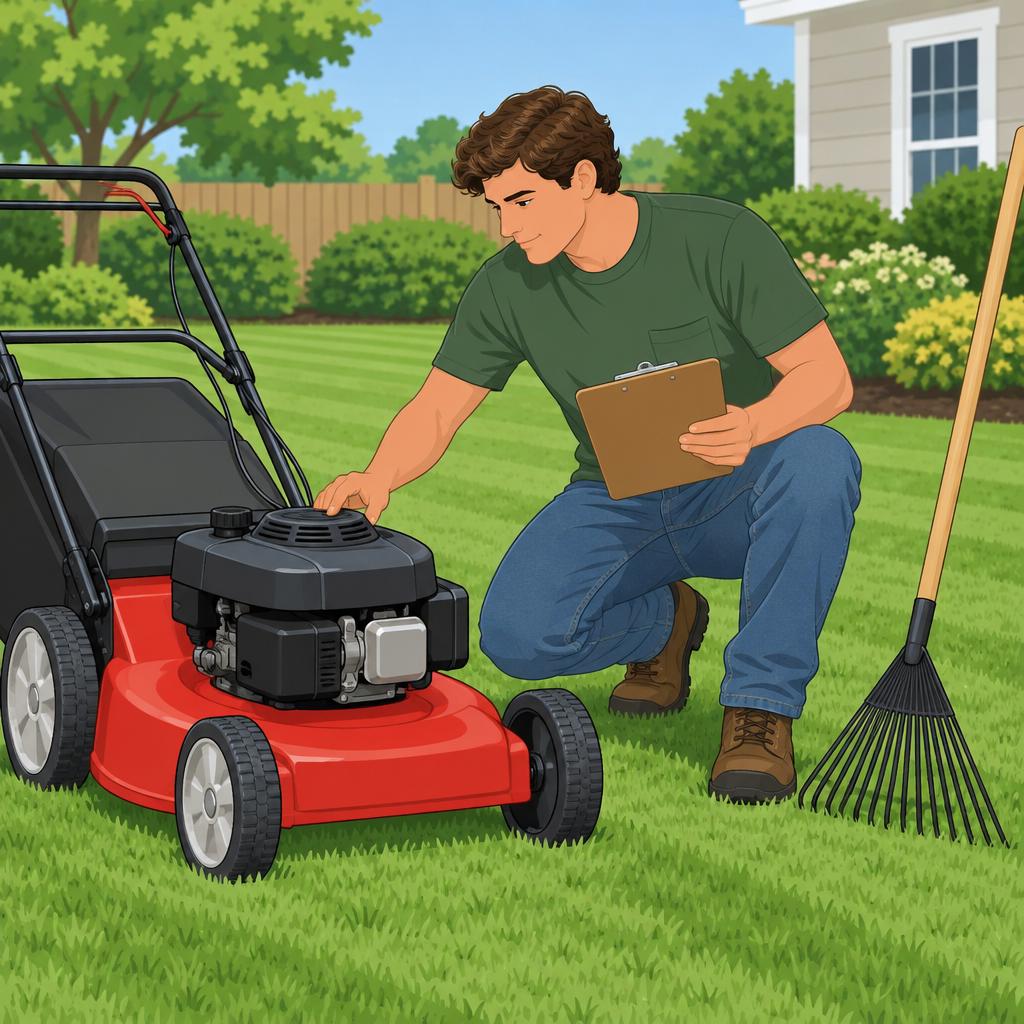
- Inspect equipment before use and confirm that it works properly.
- Follow each manufacturer’s operating guidelines to help prevent accidents.
- Handle trimmers, lawn mowers, and other sharp equipment carefully.
- Drink water and take breaks during hot weather to prevent heat exhaustion.
- Apply sunscreen to protect exposed skin from harmful ultraviolet rays.
- Keep a first aid kit nearby for minor injuries.
Protective Gear for Outdoor Work
Appropriate clothing and equipment protect groundskeepers from common outdoor hazards.
Additionally, protective gear helps limit injuries from debris, chemicals, insects, and uneven surfaces.
Workers should select gear that supports both protection and comfortable movement.
- Wear gloves to protect hands from cuts, bruises, and blisters.
- Use goggles or safety glasses to shield eyes from debris and chemicals.
- Choose closed-toe shoes with good treads to reduce slips and falls.
- Wear long-sleeved shirts and pants to protect skin from scratches and insect bites.
- Use a hat or cap to shield the head and face from sunlight.
Safe Equipment Handling Practices
Proper equipment handling gives groundskeepers better control during lawn maintenance tasks.
Before operating any tool, workers should understand its controls and intended use.
Transform Your Career Today
Unlock a personalized career strategy that drives real results. Get tailored advice and a roadmap designed just for you.
Start NowRegular care also keeps equipment reliable and reduces preventable hazards.
- Read the operating manual for every piece of equipment before use.
- Use tools with both hands to maintain control and prevent injuries.
- Keep equipment clean and well maintained for dependable performance.
- Store equipment securely to prevent accidents or theft.
- Refuel equipment carefully to reduce spills and fire risks.
- Never exceed equipment capacity because overloading can cause damage or injuries.
- Never leave operating equipment unattended when children are nearby.
Practices That Help Prevent Injuries
Awareness and careful movement help groundskeepers avoid preventable injuries.
Moreover, proper lifting and tool techniques reduce strain during demanding work.
Workers should respond promptly when pain or discomfort continues after a task.
- Watch for obstacles that could cause trips or falls.
- Walk carefully across wet or uneven surfaces to prevent slipping.
- Lift heavy objects by bending your knees and using your legs.
- Take regular breaks to reduce fatigue and repetitive motion injuries.
- Stretch before and after work to help prevent muscle strains.
- Use proper techniques with tools to avoid strains and sprains.
- Seek medical attention for injuries or discomfort that persist.
Effective Lawn Care Practices
A lawn care checklist ensures that workers complete every necessary task.
Regular inspections, proper mowing heights, and suitable watering support healthy grass.
Additionally, trimming edges, removing weeds, and applying fertilizer as needed improve lawn condition.
Meanwhile, equipment maintenance and pest monitoring help prevent avoidable problems.
Addressing lawn issues promptly also supports efficient and effective care.
By following a checklist, workers can organize important tasks throughout the season.
Consistent attention keeps the lawn well maintained and enhances the property’s appearance.
A well-kept lawn can also add value to the property.
Therefore, use this checklist to maintain a lush and vibrant lawn throughout the season.
Additional Resources
Bing search results for Groundskeeper's Checklist for Lawn Maintenance Construction and Manual Labor


