




Lumberjacks and Timber Work
A lumberjack, also known as a logger, harvests timber for various purposes.
This skilled worker performs essential tasks within the forestry sector.
Additionally, lumberjacks help prepare wood for later use.
Definition of a Lumberjack
A lumberjack works in forestry and cuts down trees.
Afterward, the lumberjack processes the harvested wood.
Therefore, this role combines tree harvesting with wood preparation.
Importance of Lumberjacks in the US Economy
Lumberjacks provide materials that support several US industries.
For example, construction and furniture industries use these materials.
As a result, lumberjacks contribute to economic activity through timber production.
Lumberjack Salaries in the US
This blog post examines the salaries lumberjacks can expect in the US.
The topic focuses on earnings associated with lumberjack work.
Understanding these salaries provides useful context about this forestry occupation.
Salary is an important consideration for anyone exploring a lumberjack career in the United States.
Lumberjacks support the timber industry by cutting trees and processing wood for various uses.
Understanding compensation can help prospective workers plan their careers in this field.
Average Salary for Lumberjacks in the United States
The average lumberjack salary in the United States ranges from $42,000 to $55,000 annually.
However, individual earnings can vary according to several employment and market conditions.
Location, experience, and company size can significantly affect a lumberjack’s annual compensation.
Factors That Influence Lumberjack Salaries
Several factors determine how much a lumberjack earns in the United States.
Regional timber demand and living costs can create meaningful wage differences.
Employers may also adjust compensation based on worker expertise and organizational resources.
- Location affects pay because states and regions offer different timber opportunities and living costs.
- Experience can increase earnings as lumberjacks develop industry knowledge and advanced skills.
- Company size may influence wages because larger employers can provide more competitive compensation packages.
Lumberjack Salary Ranges Across Different States
Lumberjack salaries vary significantly across states and regional job markets.
States with strong timber demand may offer higher wages than areas with limited forestry activity.
Reported annual salaries generally range from $35,000 to $70,000, depending on location and employment conditions.
For example, lumberjacks in Oregon, Washington, and Montana may earn higher wages.
Benefits and Bonuses for Lumberjacks
Employers may provide benefits in addition to a lumberjack’s base salary.
Common benefits include health insurance, retirement plans, vacation days, and sick leave.
Some employers also offer bonuses when workers meet production targets.
These benefits can strengthen the total compensation package for lumberjacks.
They may also provide additional support and financial security throughout employment.
Comparing salaries, benefits, and bonuses can help candidates evaluate opportunities within the timber industry.
Careful comparison also helps workers make informed decisions about entering this field.
Prospective lumberjacks can use these compensation details when planning their professional futures.
Comparison of Salaries Between Entry-Level and Experienced Lumberjacks
Entry-level lumberjacks typically earn less than experienced workers.
In the United States, entry-level lumberjacks usually earn $30,000 to $40,000 annually.
However, location, company, and experience can influence individual earnings.
Experienced lumberjacks can earn $50,000 to $70,000 or more each year.
Specialized skills, certifications, efficiency, and safety records can increase their earning potential.
Opportunities for Advancement in the Lumberjack Industry
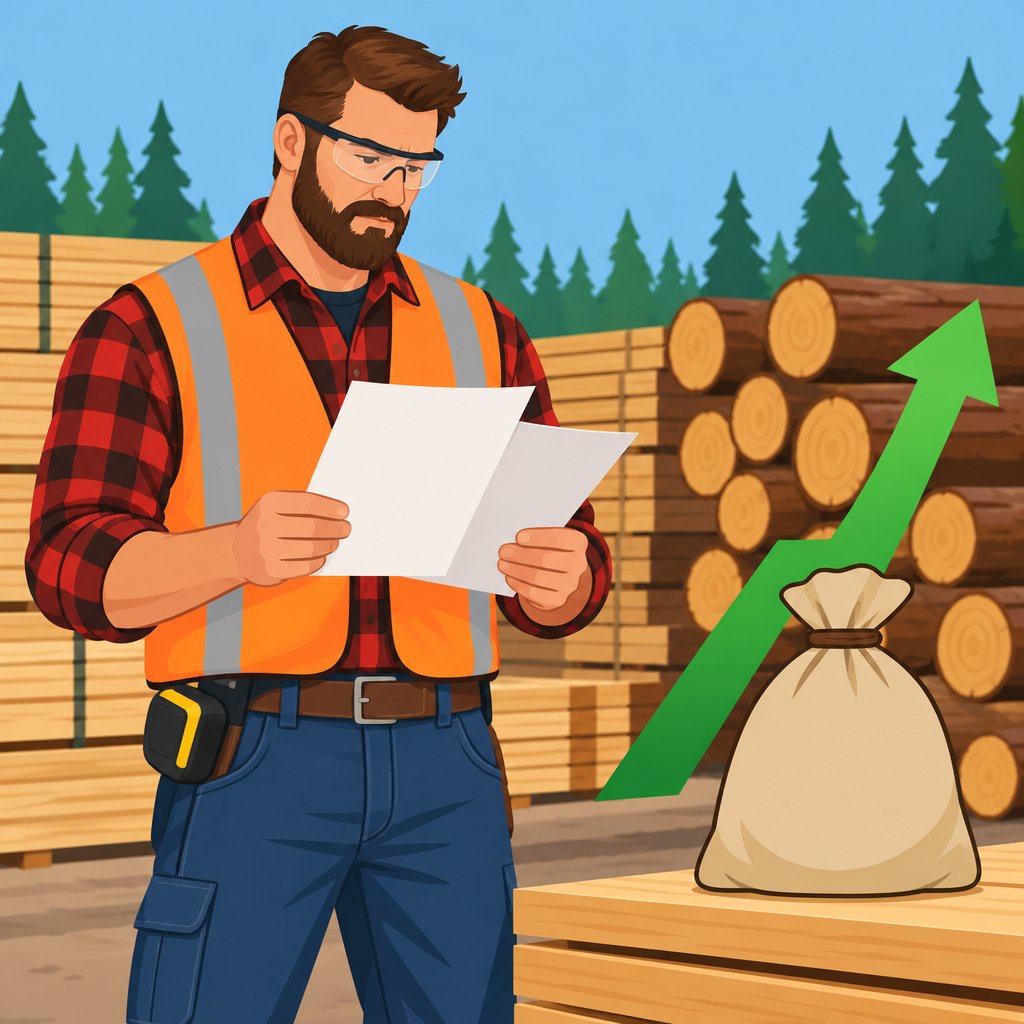
The lumberjack industry offers advancement opportunities for workers who build experience and develop their skills.
Experienced lumberjacks can advance into crew leader, supervisor, or logging manager positions.
Transform Your Career Today
Unlock a personalized career strategy that drives real results. Get tailored advice and a roadmap designed just for you.
Start NowThese roles involve greater responsibility and typically provide higher salaries.
Additionally, some lumberjacks specialize in tree climbing, tree removal, or equipment operation.
Specialized expertise can help workers secure higher wages and more prestigious industry positions.
Training and Education Requirements for Higher-Paying Positions
A high school diploma or equivalent usually satisfies entry-level lumberjack requirements.
Higher-paying positions often require additional education, training, or specialized qualifications.
Training in chainsaw operation, safety protocols, and forestry management can improve career prospects.
Many community colleges and vocational schools offer forestry and logging programs.
These programs can provide aspiring lumberjacks with skills needed for career advancement.
Certifications from organizations such as Arborist Certification or the Forest Stewardship Council may support higher-paying opportunities.
How to Negotiate for a Higher Salary as a Lumberjack
Lumberjacks should highlight their skills, experience, certifications, and relevant training during salary negotiations.
Concrete examples of workplace achievements can strengthen a request for higher pay.
Furthermore, researching industry standards helps workers assess whether their compensation remains competitive.
Salary information can also provide leverage when workers request raises.
Finally, confident, professional, and prepared communication can support a successful negotiation.
Discover More: Best Training Programs for Aspiring Dockworkers
Challenges Faced by Lumberjacks in Terms of Pay and Working Conditions
- Lumberjacks often receive low pay despite the dangerous nature of their work.
- Harsh conditions require long hours and expose workers to extreme weather.
- Seasonal employment can create financial uncertainty for many lumberjacks.
- Many workers have limited access to healthcare and retirement benefits.
- Fluctuating demand can also create job insecurity within the industry.
Unionization in the Lumberjack Industry and Its Impact on Salaries
- Union membership can help lumberjacks negotiate for better pay and working conditions.
- Unions advocate for fair wages, workplace benefits, and improved safety.
- Through collective bargaining, unions can help workers secure higher salaries.
- Unionized lumberjacks receive representation during disputes with employers.
- Membership can provide greater stability and strengthen workers’ sense of community.
Gender Pay Gap Among Lumberjacks and Strategies to Address It
- Women in the lumberjack industry often earn less than their male counterparts.
- Addressing stereotypes and bias can help reduce pay differences.
- Encouraging more women to enter the industry can support greater pay equality.
- Pay transparency and accountability measures can help employers address disparities.
- Diversity and inclusion initiatives can also contribute to closing the gender pay gap.
Online Resources for Researching Lumberjack Salaries
- Websites such as Glassdoor and Indeed provide salary information for lumberjack positions.
- Government websites, including the Bureau of Labor Statistics, publish industry wage data.
- Professional organizations such as the American Logging Council may offer salary surveys.
- Online forums can help lumberjacks share information about typical salaries.
- Career counselors and industry experts can provide personalized salary guidance.
Discover More: Innovations Making Mining Safer and More Efficient
Pay Factors That Shape Lumberjack Earnings
Lumberjack earnings vary across the United States.
Experience, location, and company size can influence annual pay.
Regional demand for wood products may also raise available salaries.
- Entry-level lumberjacks can earn around $30,000 per year.
- Experienced lumberjacks with specialized skills can earn up to $70,000 annually.
- Regions with strong wood product demand may offer higher salaries.
Fair Compensation and Industry Sustainability
Fair wages can help employers attract skilled lumberjacks.
They can also support retention among workers performing physically demanding tasks.
Consumers can support companies that prioritize fair lumberjack pay.
Advocating for better pay can support a sustainable future for the industry.
Additional Resources
Bing search results for Lumberjack Salaries: What to Expect in the US Construction and Manual Labor


