




Mining Resources and Worker Needs
Mining has remained a crucial industry throughout history.
It provides essential resources for various industries.
Therefore, miners require specific tools and equipment for their work.
Essential Tools for Miners
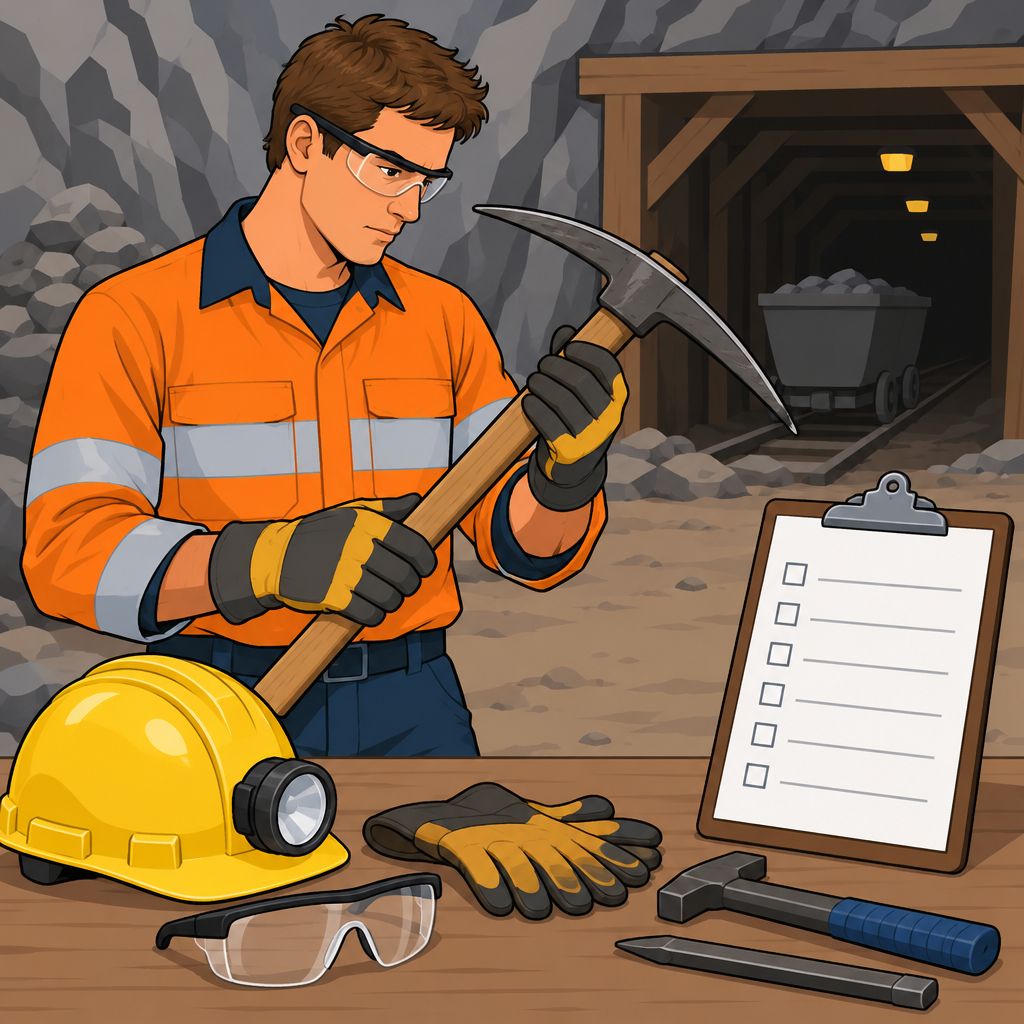
Mining helmets with LED lights improve visibility in dark underground tunnels.
Meanwhile, pickaxes help miners break rocks and other hard surfaces.
Sturdy shovels move dirt, rocks, and debris during mining operations.
Additionally, safety goggles protect miners’ eyes from dust, debris, and other hazards.
Hard hats protect miners’ heads from falling objects and potential mine collapses.
Essential Equipment for Mining Operations
Mining drills create holes for placing explosives or extracting minerals.
Furthermore, blasting tools such as dynamite break up rock formations.
Respirators protect miners’ lungs from harmful dust and gases.
Mining carts and rail systems transport materials and equipment efficiently.
Finally, two-way radios help miners communicate with supervisors and coworkers.
Supporting Safety and Productivity
Using the right tools helps miners perform their jobs safely and effectively.
These items also support safer mining operations.
Moreover, proper equipment contributes to increased productivity.
Personal Protective Equipment (PPE)
Personal protective equipment, commonly called PPE, helps miners work safely.
It creates a barrier between miners and hazards encountered during their duties.
Therefore, mining companies should provide suitable PPE for every miner.
Importance of PPE in Mining
Mining exposes workers to falling debris, toxic gases, and extreme temperatures.
Without proper PPE, miners face greater risks of injuries and illnesses.
Consequently, suitable protective equipment plays an essential role in mining safety.
Examples of PPE
Miners use several types of PPE to reduce exposure to workplace hazards.
Each item protects a different part of the body from potential harm.
The following equipment provides common forms of protection for miners.
- Helmets protect miners from head injuries caused by falling objects or impacts.
- Gloves shield miners’ hands from cuts, burns, and other injuries.
- Safety boots provide toe protection and slip resistance, helping prevent foot injuries.
Proper Maintenance and Usage of PPE
Miners must maintain PPE carefully and use it according to safety procedures.
Regular inspections can reveal damage, defects, or excessive wear.
Miners should replace damaged PPE immediately to preserve its protective function.
Additionally, workers need training that explains how to wear and use PPE correctly.
Improper use can reduce equipment effectiveness and compromise miner safety.
Regular training reinforces the importance of wearing PPE throughout each work shift.
By supplying suitable equipment and supporting proper practices, mining companies can reduce workplace accidents and injuries.
Tools for Excavation
- Mining teams use various tools to dig and drill through different materials.
- Shovels, pickaxes, and drills provide essential support for excavation tasks.
- Moreover, durable and reliable equipment promotes efficient and safe work.
Types of Tools Needed for Digging and Drilling
- Shovels move loose materials such as soil, gravel, and sand.
- Meanwhile, pickaxes break hard surfaces, including rocks and concrete.
- Drills create holes in the ground for various mining purposes.
Importance of Durable and Reliable Tools
- Durable tools withstand rugged conditions in mining environments.
- Reliable equipment delivers consistent performance and reduces downtime.
- Consequently, durable and reliable tools improve productivity and safety.
Discover More: How to Maintain and Care for Machinist Tools
Safety Equipment
Safety equipment helps miners prevent accidents and protect their well-being.
Without suitable equipment, miners face greater risks of injuries, illnesses, and fatalities.
Mining companies must provide suitable safety gear for hazardous working conditions.
- Importance of safety equipment in preventing accidents
- Examples of safety equipment, including gas detectors and emergency communication devices
- Training on how to use safety equipment properly
Importance of Safety Equipment in Preventing Accidents
Safety equipment reduces miners’ exposure to dangerous working conditions.
It also helps protect workers from serious harm during mining activities.
Therefore, mining companies should supply the necessary gear for workplace hazards.
Examples of Safety Equipment
Gas detectors monitor toxic gas levels in the surrounding air.
Transform Your Career Today
Unlock a personalized career strategy that drives real results. Get tailored advice and a roadmap designed just for you.
Start NowThese devices alert miners when dangerous gas concentrations develop.
Meanwhile, two-way radios and signaling devices support emergency communication.
Training for Safety Equipment Use
Providing safety equipment alone does not guarantee effective protection.
Miners need training to inspect, maintain, and use their equipment correctly.
Training should also cover emergency responses and established safety protocols.
Gain More Insights: Top 5 Challenges Faced by Factory Workers Today
Importance of Proper Lighting in Underground Mining
Proper lighting helps miners see clearly in dark and hazardous underground conditions.
It also helps workers identify hazards and prevent accidents or injuries.
Additionally, clear visibility improves efficiency and supports productive mining work.
Types of Lighting Equipment
Mining operations use several lighting devices to support different working needs.
Each lighting option provides illumination in a different way.
Together, these devices improve visibility throughout the mining site.
Headlamps provide hands-free lighting because miners wear them on their helmets.
Lanterns provide portable illumination that miners can carry around the mining site.
Floodlights illuminate wider areas within the mine.
Importance of Regular Maintenance and Battery Checks
Lighting equipment requires regular attention during underground mining operations.
Battery checks help prevent sudden failures and maintain continuous lighting.
Proper care extends equipment lifespan and supports reliable performance.
High-quality lighting supports safe and efficient underground mining.
Regular maintenance helps preserve dependable lighting throughout mining operations.
Gain More Insights: Innovative Tools and Equipment for Modern Fence Erectors
Ventilation equipment helps miners maintain safe underground working conditions.
Importance of Ventilation in Mining
- Ventilation prevents toxic gases from building up and harming miners’ health.
- It supplies fresh air while removing dust and particulates from underground spaces.
- Additionally, ventilation helps regulate underground temperature and humidity levels.
Types of Ventilation Equipment
- Fans circulate air and create airflow throughout the mine.
- Ventilation shafts provide channels for air to enter and leave the mine.
- Ducts distribute air throughout the mine and support proper ventilation.
Regular Inspections and Maintenance
- Mine operators should inspect ventilation systems regularly to confirm proper operation.
- Maintenance teams clean fans, repair ducts, and check airflow meters.
- Proper maintenance reduces ventilation failures and supports miners’ safety.
Ventilation equipment remains essential for safe and healthy underground mining.
Regular inspections and maintenance help prevent incidents caused by poor air quality.
By investing in suitable ventilation equipment, mining companies can prioritize worker well-being and maintain high safety standards.
Delve into the Subject: How to Paint a Room in One Day: Time-Saving Tips
Communication Devices
- Communication supports safety and coordination in mining operations.
- Mining teams use two-way radios and signaling devices.
- Proper training helps miners use communication devices effectively.
Communication plays a crucial role in protecting miners and coordinating mining activities.
Therefore, mining companies need reliable communication devices for successful operations.
These devices help workers share important information quickly during daily activities.
Importance of Communication in Mining
Effective communication keeps workers informed about hazards, schedule changes, emergencies, and other critical information.
It also helps mining teams maintain safer working conditions.
Furthermore, clear communication supports smooth coordination among team members.
Workers can respond more effectively when they receive timely and accurate information.
Types of Communication Devices Used in Mining
Two-way radios remain common communication devices in mining operations.
They provide reliable communication in harsh mining environments.
Miners, supervisors, and other personnel can exchange information in real time.
Additionally, radios help workers address operational issues quickly.
Signaling devices, including alarms and lights, alert workers about dangers or emergencies.
These signals can notify miners about evacuation procedures and required safety measures.
Training for Communication Device Use
Reliable devices cannot replace proper training.
Transform Your Career Today
Unlock a personalized career strategy that drives real results. Get tailored advice and a roadmap designed just for you.
Start NowMining companies should teach workers how to operate communication devices correctly.
Regular training helps miners understand device functions and emergency responses.
Consequently, trained workers can communicate more effectively during urgent situations.
Proper device use can improve emergency response times and coordination among team members.
Monitoring Equipment for Mining Safety and Efficiency
Mining operations can expose workers to gas leaks, dust explosions, and other serious hazards.
Monitoring equipment detects these dangers early and helps prevent accidents.
Additionally, miners can track important conditions and improve operational efficiency.
Gas Detectors and Dust Monitors
Gas detectors commonly support safety in mining environments.
These devices can detect methane, carbon monoxide, and hydrogen sulfide.
They provide real-time gas readings and alert miners to potential dangers.
Consequently, miners can take necessary precautions when gas levels become dangerous.
Dust monitors also help miners manage serious workplace health hazards.
They measure dust concentrations in the air and help workers reduce exposure.
Excessive dust can cause respiratory issues and contribute to long-term health problems.
Therefore, miners can use ventilation systems or water sprays to control dust.
Calibration and Maintenance of Monitoring Equipment
Regular calibration and maintenance keep monitoring equipment reliable and accurate.
Calibration adjusts each device so it provides accurate readings.
Maintenance includes cleaning, inspecting, and replacing components when necessary.
Without calibration, equipment may provide false readings and misrepresent workplace risks.
Regular maintenance also extends equipment life and supports optimal performance.
Miners should follow manufacturer guidelines for calibration and maintenance procedures.
By maintaining their equipment, mining teams can strengthen safety and improve efficiency.
Maintaining Safe and Efficient Mining Operations
Miners need helmets, gloves, and goggles to protect themselves during daily operations.
They also use picks, shovels, and drills to extract minerals efficiently.
Furthermore, proper training teaches miners to operate each tool safely and effectively.
Regular equipment maintenance helps prevent accidents and unexpected breakdowns.
Consequently, suitable tools and equipment improve productivity while reducing workplace risks.
With appropriate knowledge and resources, miners can perform their duties more safely and effectively.
Additional Resources
Google search results for Essential Tools and Equipment for Miners Construction and Manual Labor
Bing search results for Essential Tools and Equipment for Miners Construction and Manual Labor


