




Pest control professionals face several health risks during their daily work.
Recognizing these risks helps employers and workers strengthen workplace safety practices.
Exposure to Harmful Chemicals
Pest control professionals often handle chemicals and pesticides during routine work.
Prolonged exposure can cause respiratory issues and skin irritation.
Additionally, repeated contact may contribute to long-term health complications.
Physical Hazards
Workers may climb ladders, lift heavy equipment, and bend into tight spaces.
These activities can place significant strain on muscles and joints.
Without proper precautions, professionals may develop musculoskeletal injuries.
Biological Hazards
Pest control professionals can encounter pathogens in contaminated environments.
Insect bites and rodent droppings may expose workers to illnesses and allergies.
For example, exposure can contribute to Lyme disease or hantavirus risks.
Mental Health Concerns
Pest control work can create stressful and challenging situations.
Resistant pests and client complaints may increase anxiety and emotional strain.
Over time, these pressures can contribute to burnout and other mental health concerns.
Preventative Measures
Pest control companies should prioritize employee safety and well-being.
Proper training and personal protective equipment can help reduce workplace risks.
Regular health check-ups and open communication can further support worker safety.
Common Health Risks for Pest Control Professionals
Several occupational hazards can affect pest control professionals during treatment work.
Chemical exposure, physical strain, breathing problems, and skin reactions require careful attention.
Therefore, workers should use protective equipment and follow appropriate safety practices.
Exposure to Harmful Chemicals
- Treatments may involve toxic chemicals that can harm workers.
- Extended exposure may contribute to respiratory problems and other health concerns.
- Workers should follow safety measures to reduce contact with these substances.
Physical Injuries
- Heavy equipment can place physical demands on pest control professionals.
- Climbing ladders also creates fall risks during treatment work.
- Training in lifting methods and ladder safety can help prevent injuries.
Respiratory Issues
- Inhaling pesticides or dust can irritate the respiratory system.
- Such exposure may increase the risk of asthma, bronchitis, and related problems.
- Proper respiratory protection helps limit inhalation of harmful substances.
Skin Irritations and Allergic Reactions
- Direct pesticide contact can cause skin irritation or allergic reactions.
- Possible symptoms include rashes, itching, and redness.
- Protective clothing and gloves can reduce skin contact during treatment.
These hazards make workplace safety an essential priority for pest control professionals.
Workers can reduce occupational risks by using protective gear and completing proper training.
Long-Term Health Effects of Pesticide Exposure
- Increased risk of neurological disorders like Parkinson’s disease.
- Potential reproductive health problems and birth defects.
- Development of respiratory conditions such as asthma.
- Higher cancer risks from exposure to carcinogenic pesticides.
Pesticide exposure creates significant long-term health risks for pest control professionals.
Several serious conditions may develop after prolonged exposure.
Studies link prolonged pesticide exposure with neurological disorders such as Parkinson’s disease.
These debilitating conditions can seriously affect a worker’s health and quality of life.
Additionally, certain pesticide chemicals may disrupt hormones and reproductive functions.
This disruption can create difficulties with conception or contribute to birth defects.
Regular exposure can also increase the risk of respiratory conditions such as asthma.
Workers may inhale toxic fumes and particles during pesticide applications.
These substances can irritate the lungs and airways over time.
Consequently, irritation may trigger asthma attacks and other respiratory problems.
Some pesticides contain carcinogenic components that may increase cancer risks.
Workers can absorb these chemicals through the skin or inhale them.
Exposure may increase the risk of leukemia, lymphoma, and lung cancer.
Therefore, pest control professionals need effective measures to reduce these long-term risks.
Proper safety procedures, training, and protective equipment help protect workers’ health.
Find Out More: Seasonal Window Cleaning Tips for Homeowners
Personal Protective Equipment for Pest Control Work
Pest control professionals can reduce workplace exposure by using suitable personal protective equipment.
Protective gear creates a barrier between workers and harmful chemicals or substances.
Transform Your Career Today
Unlock a personalized career strategy that drives real results. Get tailored advice and a roadmap designed just for you.
Start NowConsistent protection supports safer pesticide application and handling practices.
Protection Provided by Gloves, Masks, and Goggles
Gloves protect skin from direct pesticide contact.
They help prevent skin irritation and chemical burns during treatment work.
Masks protect the respiratory system from toxic fumes and airborne particles.
- Goggles shield the eyes from pesticide splashes.
- Eye protection helps prevent irritation, inflammation, and serious eye injuries.
- Workers should select protection that matches their duties and exposure risks.
Consistent and Proper PPE Use
Regular PPE use can reduce short-term effects linked to pesticide exposure.
These effects may include dizziness, nausea, and headaches.
Proper fitting and adjustment help equipment provide maximum protection.
- Workers should wear PPE consistently while performing relevant duties.
- Training reinforces correct equipment use and important safety measures.
- Proper training can also help reduce accidents and injuries.
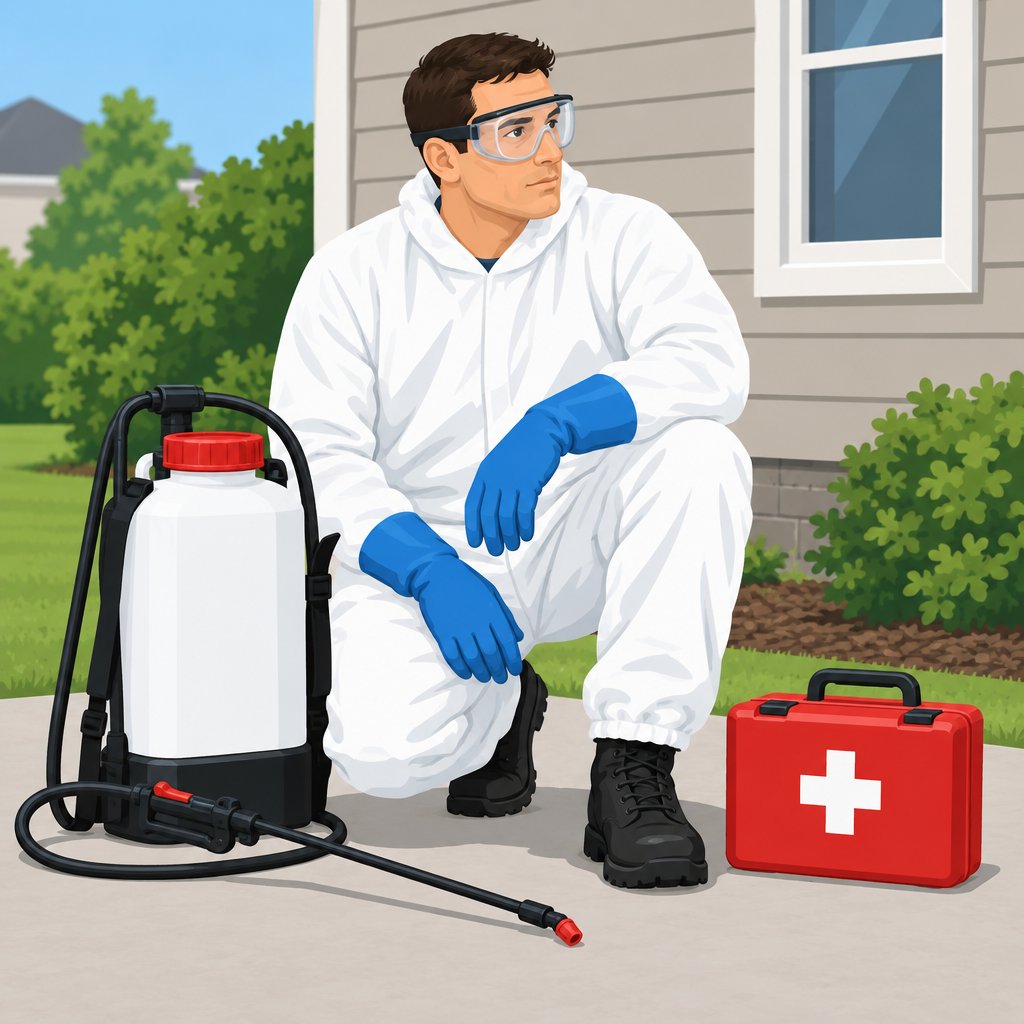
Employer Responsibilities for Safety Gear
Employers must provide appropriate PPE for pest control employees.
Suitable safety gear helps employers create a safer working environment.
Access to quality equipment demonstrates attention to employee health and well-being.
- Employers should maintain PPE regularly and replace damaged equipment.
- Reliable equipment supports compliance with safety standards and regulations.
- Employer support encourages workers to follow protective practices consistently.
Maintaining a Safer Working Environment
PPE remains an essential safety measure throughout pest control work.
Gloves, masks, and goggles help limit exposure when professionals use pesticides.
Employers and workers must support consistent, proper, and well-maintained PPE use.
Learn More: How to Handle Warehouse Staffing Challenges Effectively
Safe Pesticide Handling and Storage
- Follow label instructions when mixing and applying pesticides.
- Store chemicals securely away from living areas.
- Handle pesticides cautiously to prevent accidental poisoning.
Pesticides help pest control professionals manage infestations and protect public health.
However, careless handling and storage can expose workers and residents to serious health risks.
Label directions explain safe mixing, application methods, dilution ratios, and necessary precautions.
Professionals should follow these directions to support effective treatment and reduce harmful exposure.
Secure storage prevents unauthorized access and accidental contact with chemical products.
Workers should keep pesticides in locked cabinets or designated areas away from living spaces.
These locations must remain inaccessible to children, pets, and unauthorized individuals.
Accidental poisoning may result from ingestion, inhalation, or skin contact with pesticides.
Symptoms can include nausea, dizziness, and respiratory problems.
Severe exposure can cause organ damage or death.
Professionals should handle pesticides cautiously and use appropriate protective equipment.
See Related Content: Heavy Equipment Operator Certification Guide
Regular Health Check-Ups and Screenings
Regular check-ups help pest control professionals monitor their health.
They can reveal early signs of problems associated with workplace pesticide exposure.
Scheduled screenings support prompt attention when health concerns appear.
- Undergo regular health check-ups to monitor potential health issues.
- Schedule screenings for conditions related to pesticide exposure.
- Prioritize early detection and treatment of health problems.
Importance of Regular Health Check-Ups
Health check-ups provide a structured way to review the well-being of pest control professionals.
These appointments can identify possible health changes before they become more serious.
Professionals can then discuss appropriate treatment or monitoring with qualified healthcare providers.
Scheduling Screenings for Pesticide Exposure
Professionals should schedule screenings for conditions related to pesticide exposure.
These screenings can help identify adverse effects at an early stage.
Regular appointments also create opportunities to discuss workplace exposure with healthcare providers.
Early Detection and Treatment of Health Problems
Early detection supports timely treatment and health management.
Prompt attention can help prevent health problems from becoming more serious.
Therefore, regular screenings help professionals protect their well-being and continue working safely.
Explore Further: Understanding Paint Finishes: Gloss, Satin, and More
Training and Education for Safety
Training programs teach pest control professionals how to handle pesticides, use protective equipment, and recognize workplace hazards.
Transform Your Career Today
Unlock a personalized career strategy that drives real results. Get tailored advice and a roadmap designed just for you.
Start NowThey also explain practical methods for reducing exposure and protecting workers during routine duties.
Consequently, structured instruction helps professionals make safer decisions while working with potentially harmful chemicals.
Ongoing Education and Certification
Professionals should continue developing their pesticide handling knowledge after initial training.
Regular education introduces updated safety guidance and reinforces responsible application practices.
Certification programs also help workers demonstrate current competence in safe pesticide use.
Industry Regulations and Best Practices
Industry regulations can change, so pest control professionals must monitor current requirements.
By reviewing updated rules, workers can maintain compliance and reduce avoidable legal or health risks.
Furthermore, applying recognized best practices can help prevent workplace accidents and injuries.
A Sustained Commitment to Safety
Training and education remain essential for protecting pest control professionals and their clients.
Continued learning supports safer work environments and encourages consistent attention to safety.
Therefore, professionals should treat safety as a continuing responsibility throughout their careers.
Alternative Pest Control Methods to Reduce Health Risks
- Consider eco-friendly and non-toxic pest control solutions to protect your health.
- Implement integrated pest management techniques for a more sustainable approach.
- Educate pest control professionals about environmentally friendly options and their benefits.
Alternative pest control methods can significantly reduce health risks from traditional chemical-based treatments.
Eco-friendly and non-toxic solutions help professionals limit exposure to pesticides and other toxic chemicals.
Integrated pest management techniques prevent pests through several coordinated control methods.
These methods include biological, cultural, physical, and chemical controls.
This holistic approach reduces health risks while minimizing environmental impact.
It also promotes long-term pest control solutions.
Furthermore, education can encourage professionals to consider environmentally friendly options.
Prioritizing eco-friendly practices supports a safer and healthier work environment.
These practices protect professionals and support the well-being of their clients.
Protecting Health During Pest Control Work
Pest control professionals encounter health risks throughout their daily work.
Contact with disease-carrying rodents and insects creates an additional infection concern.
Improper equipment handling can intensify those hazards during field activities.
Professionals should prioritize health and safety during every assignment.
They must follow established safety protocols while performing their duties.
Clear safety expectations help workers manage demanding workplace conditions.
Furthermore, professionals need current information about industry standards and recommended practices.
Continued learning helps workers respond to changing challenges with greater confidence.
Awareness efforts can reinforce the importance of health in this demanding profession.
These efforts support worker well-being and encourage longer, safer careers.
Additional Resources
Google search results for Health Risks for Pest Control Professionals Construction and Manual Labor
Bing search results for Health Risks for Pest Control Professionals Construction and Manual Labor


