




Introduction
Fishing is vital for the sustenance of millions worldwide.
A brief overview reveals the industry’s importance.
Technological advancements and sustainable practices will transform the industry.
Sustainable Fishing Practices
In recent years, the fishing industry has shifted significantly toward sustainable fishing methods.
This shift reflects growing recognition that marine ecosystems need protection for future generations.
Sustainable methods maintain healthy fish populations while minimizing environmental impacts.
Industry Changes Toward Sustainable Methods
Historically, fishing activities caused overfishing, habitat destruction, bycatch, and other harmful effects.
These practices reduced fish populations and degraded marine ecosystems.
Consequently, industry participants increasingly recognize the need for conservation and environmental stewardship.
Importance of Preserving Marine Ecosystems
Marine ecosystems support life on Earth by providing food, oxygen, and habitat for many species.
They also support commercially important fish species and help regulate the Earth’s climate.
Moreover, millions of people depend on fisheries for food and income.
Innovative Sustainable Fishing Practices
- MSC certification evaluates fisheries for sustainability and environmental impact, helping consumers choose sustainably sourced seafood.
- Fisheries Improvement Projects unite companies, conservation organizations, and government agencies to improve fishery sustainability.
- GPS tracking, satellite monitoring, and electronic reporting help fisheries monitor populations and reduce bycatch.
- Community-based management involves local communities in decisions and helps protect fish stocks and marine ecosystems.
Fishing technology has advanced significantly.
These changes have revolutionized fishing practices.
They have also improved efficiency across the fishing industry.
Impact of Technology on Fishing Practices
- Technology helps fishermen track fish populations and monitor their movements.
- Meanwhile, GPS systems guide fishermen toward productive fishing spots accurately.
- Sonar technology reveals underwater structures and detects fish during fishing operations.
Advancements in Equipment and Tools for Fishermen
- New materials and designs make fishing equipment lighter, stronger, and more durable.
- Additionally, electric reels, fish finders, and underwater cameras improve fishing efficiency.
- Modern vessels use advanced navigation and communication systems for safer operations.
Artificial Intelligence and Drones in Fishing
- Artificial intelligence analyzes data and predicts fish behavior for better fishing strategies.
- Furthermore, drones monitor fish populations and locate schools of fish.
- AI algorithms analyze satellite data to identify illegal fishing activities.
Technology has transformed fishing into a more efficient and sustainable industry.
As these tools evolve, fishermen can expect further changes in future fishing practices.
Learn More: Day in the Life of a Sheet Metal Worker
Aquaculture and Fish Farming
Aquaculture and fish farming have become more popular as sustainable alternatives to traditional fishing practices.
They supply seafood while reducing pressure on wild fish populations.
Furthermore, their growth reflects increasing seafood demand and the need for sustainable protein sources.
- Growing popularity of aquaculture as a sustainable alternative
- Expansion of fish farming operations worldwide
- Benefits and challenges of fish farming
Growing Popularity of Aquaculture
Aquaculture involves breeding, rearing, and harvesting fish, shellfish, and aquatic plants.
Farmers manage these species in controlled environments, including ponds, tanks, and net pens.
This approach provides reliable seafood supplies and reduces pressure on wild fish populations.
Moreover, global population growth increases the need for sustainable protein sources.
Aquaculture also reduces overfishing, habitat destruction, and bycatch.
Consequently, controlled fish farming can help conserve marine ecosystems.
Expansion of Fish Farming Operations Worldwide
Fish farming operations have expanded worldwide to meet rising seafood demand.
China, India, and Indonesia rank among the leading producers of farmed fish.
Together, these countries represent a significant share of global aquaculture production.
Technological advancements have supported this international expansion.
Improved breeding techniques help farmers increase production.
Additionally, better feed formulations and water management improve operational efficiency.
Benefits of Fish Farming
Fish farming produces seafood within controlled environments.
As a result, farmed fish are often free from contaminants and parasites.
This characteristic can make farmed seafood a safer and healthier option.
Fish farming also reduces pressure on wild fish populations.
Meanwhile, depleted stocks can recover and replenish when demand shifts toward farmed seafood.
Therefore, aquaculture supports marine ecosystem conservation and biodiversity protection.
Challenges of Fish Farming
Despite its benefits, fish farming faces several environmental and operational challenges.
Transform Your Career Today
Unlock a personalized career strategy that drives real results. Get tailored advice and a roadmap designed just for you.
Start NowDisease outbreaks can spread quickly when overcrowding occurs within farms.
Excess feed and waste can also pollute surrounding water bodies.
Furthermore, farmed fish may create genetic impacts on wild populations.
Effective management practices can reduce these negative effects.
Farmers should monitor water quality and maintain responsible aquaculture systems.
These measures can support seafood production while protecting marine ecosystems and wild fish populations.
Responsible aquaculture can therefore help create a more sustainable future for the fishing industry.
You Might Also Like: Common Mistakes by Power Line Installers
Changing Consumer Preferences in Seafood Markets
- Shift towards healthier and more environmentally friendly seafood options
- Demand for traceability and transparency in the seafood supply chain
- Growth of niche markets for sustainably caught or farmed seafood
Consumers increasingly choose healthier and more environmentally friendly seafood options.
Greater awareness of seafood’s health benefits influences this shift.
Meanwhile, concerns about traditional fishing practices encourage consumers to consider environmental impacts.
Many consumers now prefer seafood that fishers catch or farmers produce sustainably.
They want their purchases to support practices that protect oceans and marine ecosystems.
Consequently, sustainably sourced seafood has created growing niche markets.
Consumers also request traceability and transparency throughout the seafood supply chain.
They seek information about seafood origins, harvesting methods, and applicable quality standards.
This demand reflects concerns about food safety, ethical practices, and environmental effects.
Therefore, seafood companies face pressure to adapt their practices.
Many businesses now use traceability systems that help consumers track seafood origins.
Additionally, certifications can demonstrate commitments to sustainable and ethical practices.
These changes encourage greater accountability across the fishing industry.
Businesses that prioritize sustainability and responsibility can better respond to this changing market.
See Related Content: DIY Insulation Tips from Professional Insulation Workers
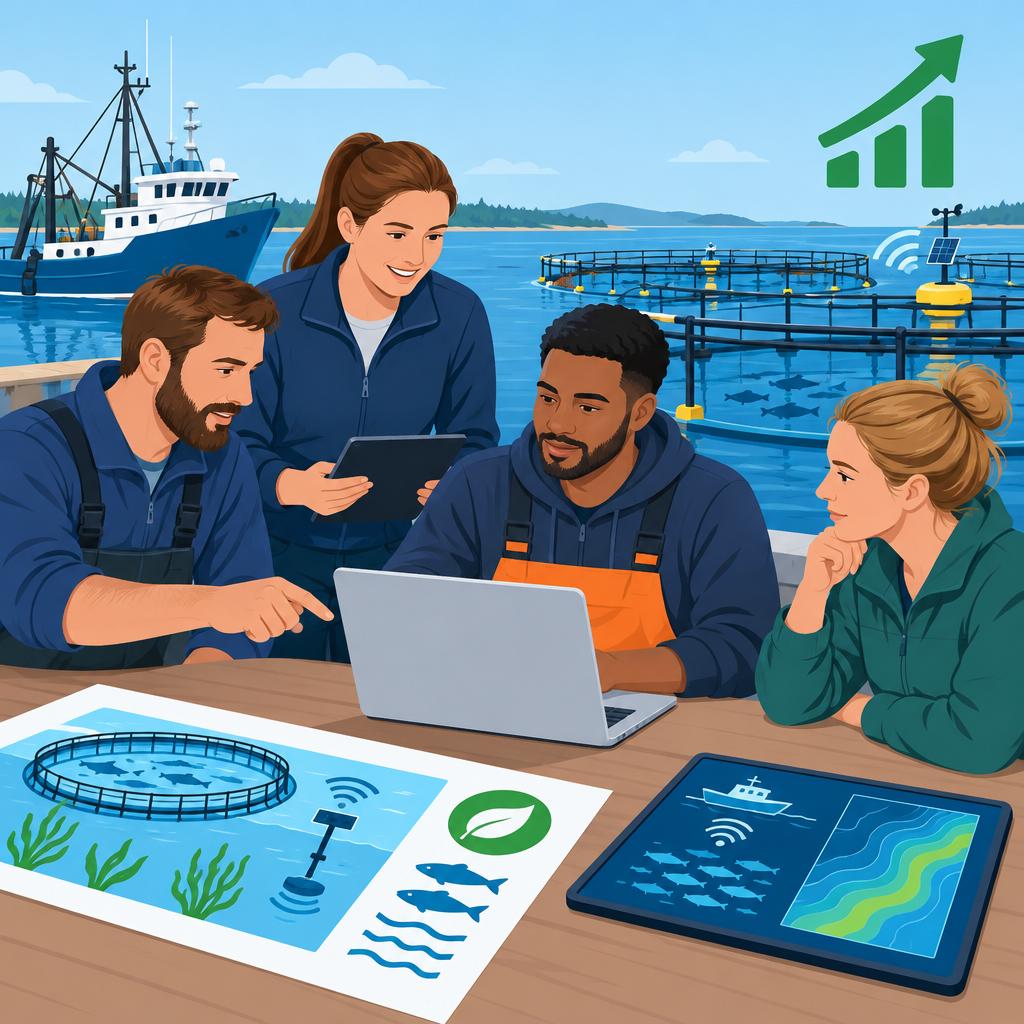
Regulations and Compliance
Governments are tightening fishing rules to protect marine resources and sustain marine ecosystems.
These measures address overfishing, bycatch, and habitat destruction.
Fishing companies must comply while maintaining long-term industry viability.
Increasing Regulations on Fishing Practices
- Governments worldwide are implementing stricter regulations to sustain marine ecosystems.
- These regulations address overfishing, bycatch, and habitat destruction.
- The rules aim to prevent fish stock depletion and protect endangered species.
- They also preserve marine habitats through fishing quotas, gear restrictions, and closed areas.
- Compliance supports the fishing industry’s long-term viability and global fisheries health.
- Fishing companies must invest in new technologies and methods to meet these standards.
Enforcing Sustainable Fishing Quotas and Restrictions
- Scientists and authorities set sustainable quotas using fish population and ecosystem assessments.
- These quotas allow fish stocks to replenish after sustainable harvesting.
- Governments enforce quotas to prevent overfishing and fish population collapse.
- Authorities use monitoring and surveillance programs to track compliance and detect illegal fishing.
- Gear limitations and seasonal closures further protect marine resources.
- Fishermen must follow these restrictions to balance fishing activity with ecosystem health.
Government Policy and the Fishing Industry
- Government policies significantly shape the fishing industry’s development.
- Regulations and compliance requirements influence fishing operations and management.
- Sustainability policies can encourage industry innovation and efficiency.
- However, overly restrictive rules can challenge small-scale and artisanal fisheries.
- Policymakers must balance conservation goals with the fishing sector’s economic viability.
- Stakeholder engagement helps policymakers develop effective and inclusive regulations.
Uncover the Details: The Importance of Teamwork Among Ironworkers
Climate Change and Its Effects
Climate change affects fish populations, ocean conditions, and the future of the fishing industry.
Rising sea temperatures and ocean acidification disrupt marine ecosystems worldwide.
These changes create serious challenges for fishermen and fishing companies.
- Climate change impacts on fish populations
- Strategies for adapting to changing ocean conditions
- Climate action for the fishing industry’s future
Impact of Climate Change on Fish Populations
Rising sea temperatures are shifting fish distribution and abundance.
Ocean acidification also disrupts marine ecosystems and affects key fish species.
Consequently, changing fish availability creates major challenges for the fishing industry.
Adapting to Changing Ocean Conditions
Fishermen and fishing companies must adjust their practices as ocean conditions change.
They can use sustainable fishing methods and implement effective fisheries management strategies.
Furthermore, aquaculture can help reduce pressure on wild fish populations.
Addressing Climate Change for the Fishing Industry’s Future
The fishing industry must address climate change to support long-term sustainability.
Reducing carbon emissions and promoting sustainable fishing practices can build greater resilience.
Research on climate impacts can support a more environmentally friendly future.
Collaboration and Partnerships
- Importance of collaboration between different stakeholders in the fishing industry
- Initiatives to promote sustainable fishing practices through partnerships
- Examples of successful collaborations in the industry
Collaboration strengthens resource management and helps stakeholders address complex fishing challenges.
Transform Your Career Today
Unlock a personalized career strategy that drives real results. Get tailored advice and a roadmap designed just for you.
Start NowGovernments, fishing communities, NGOs, and researchers can coordinate decisions and sustainable practices.
Together, these groups share knowledge, resources, and best practices for better outcomes.
Importance of Collaboration Among Fishing Stakeholders
Effective partnerships improve decision-making and support responsible fishing practices.
Stakeholders can combine their knowledge and resources to address shared challenges.
Consequently, collaboration can benefit marine ecosystems and fishing communities.
Partnership Initiatives for Sustainable Fishing
Several initiatives promote sustainable fishing through cooperation among industry participants.
The Marine Stewardship Council works with fisheries, retailers, and consumers.
Its certification programs and awareness campaigns encourage sustainable seafood choices.
Additionally, the Global Sustainable Seafood Initiative brings industry stakeholders together.
The initiative develops global seafood certification standards and supports industry cooperation.
These partnerships improve transparency, traceability, and sustainability across the fishing industry.
Successful Fishing Industry Collaborations
Several partnerships have produced positive environmental and community outcomes.
WWF and Thailand’s fishing industry worked together to promote sustainable tuna fishing.
Through this partnership, local fishermen adopted better management strategies.
These strategies also reduced fishing impacts on marine biodiversity.
Similarly, Iceland’s government partnered with the fishing industry on ecosystem-based management.
This cooperation helped Iceland maintain healthy fish stocks.
It also supported the fishing industry’s long-term sustainability.
Future Trends Shaping the Fishing Industry
Several key trends are shaping the fishing industry’s future.
Technology, sustainability, aquaculture, market diversification, and climate change will influence industry development.
Industry stakeholders must respond thoughtfully as these trends continue affecting fishing operations.
Technological Advancements in Fishing Operations
GPS trackers are changing how fishing operations locate and monitor activities.
Drones also support fishing operations by providing additional monitoring capabilities.
Together, these technologies are revolutionizing established approaches within the fishing industry.
Sustainability as an Industry Priority
Overfishing remains a critical issue for the fishing industry.
Consequently, industry participants increasingly emphasize sustainable fishing practices.
These practices support a more responsible direction for the industry’s future.
Aquaculture and Future Seafood Supply
Aquaculture is becoming increasingly important within the global seafood sector.
The sector is expected to help meet rising worldwide demand for seafood.
Therefore, aquaculture will likely play a significant role in future seafood production.
Market Diversification and Industry Competitiveness
Fishing industry players are exploring new markets to remain competitive.
They are also developing different product offerings for changing market conditions.
This diversification gives industry participants additional ways to strengthen their competitive position.
Climate Change and Marine Ecosystems
Climate change is profoundly affecting marine ecosystems.
These environmental changes influence fish populations and fishing habits.
As a result, fishing stakeholders must account for changing marine conditions.
Sustainable Direction for the Fishing Industry
Industry stakeholders should embrace sustainable practices as fishing continues to evolve.
Working together can support a more sustainable future for the fishing industry.
This shared direction can help protect ocean health for future generations.
Additional Resources
Google search results for Future Trends in the Fishing Industry Construction and Manual Labor
Transform Your Career Today
Unlock a personalized career strategy that drives real results. Get tailored advice and a roadmap designed just for you.
Start NowBing search results for Future Trends in the Fishing Industry Construction and Manual Labor


