




Fishing Industry
The fishing industry is a vital component of many economies worldwide.
This sector plays a crucial role in job creation and economic growth.
Therefore, fishing remains important to economic development.
Overview of the Fishing Industry
The fishing industry includes many activities and participants.
It covers commercial, recreational, and subsistence fishing.
These categories describe different purposes and approaches within the sector.
Types of Fishing
Commercial fishing involves organized business activities.
Recreational fishing focuses on leisure activities.
Subsistence fishing supports personal or household needs.
Together, these forms show the industry’s broad range.
Global Distribution of Fishing Activities
Fishing activities occur across many regions worldwide.
Asia, Europe, North America, and South America represent major fishing regions.
Each region specializes in different types of fishing.
Major Participants in the Fishing Industry
Large commercial fishing companies participate in the industry.
Recreational fishing charters serve people who fish for leisure.
Small-scale subsistence fishermen conduct fishing for personal needs.
These participants help shape the industry’s structure.
Industry Trends and Challenges
Sustainability practices continue to influence the fishing industry.
Technological advancements and regulatory changes also affect industry activities.
However, overfishing, climate change, and market fluctuations create significant challenges.
The industry must respond as these trends and challenges develop.
Contribution to GDP and Employment
The industry adds revenue from commercial fishing and aquaculture to national economic output.
This contribution supports economic growth while raising incomes for people working throughout the sector.
Additionally, fishing creates jobs for fishermen, processors, distributors, and suppliers.
Consequently, coastal communities can experience lower unemployment and improved living standards.
Revenue Generated by the Industry
Companies earn revenue by selling fresh fish, processed seafood, and exports.
Global demand for these products continues to support sales across the industry.
Furthermore, this income reaches processors, distributors, retailers, and fishing businesses.
These financial flows strengthen business activity and support economic stability.
Impact on Related Industries
Fishing also creates demand for food processing, transportation, and packaging services.
Workers sort, clean, fillet, and freeze catches before distribution or export.
These activities require specialized equipment and facilities.
Meanwhile, logistics companies move seafood from ports to plants, markets, and consumers.
Thus, fishing expands opportunities across connected industries.
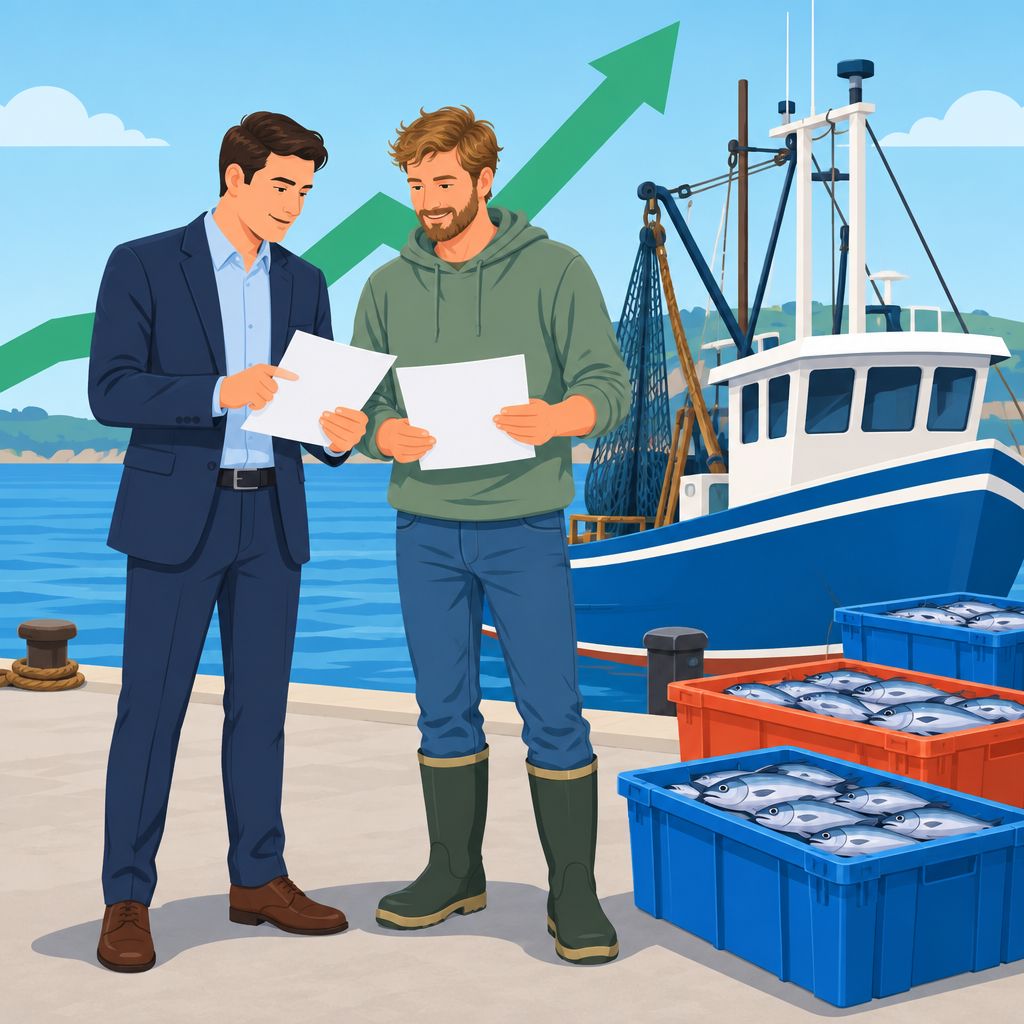
Influence on Local Economies
Coastal communities often depend on fishing for livelihoods and economic support.
Revenue from fishing reaches restaurants, seafood markets, and tourism services.
Moreover, ports, processing plants, and cold storage facilities create local jobs.
Fishing-related tourism attracts visitors seeking excursions, seafood dining, and cultural experiences.
These activities encourage community development and broaden economic activity in coastal areas.
Find Out More: Warehouse Worker Tools and Equipment Overview
Transform Your Career Today
Unlock a personalized career strategy that drives real results. Get tailored advice and a roadmap designed just for you.
Start NowEnvironmental Concerns Related to Fishing
Fishing supports food security and economic activity, yet it also creates serious environmental pressures.
These pressures can affect marine ecosystems, fish populations, and communities that depend on aquatic resources.
Therefore, responsible management must address ecological damage while maintaining access to fish resources.
Overfishing and Depletion of Fish Stocks
Overfishing occurs when people catch fish faster than populations can reproduce.
As stocks decline, targeted species become less abundant and marine ecosystems can lose balance.
Consequently, depleted stocks can threaten biodiversity and reduce resources available to fishing communities.
Bycatch and Ecosystem Damage
Bycatch occurs when fishing gear unintentionally captures species that fishers do not target.
This capture can include marine mammals, seabirds, and other fish species.
Moreover, bycatch can harm vulnerable animals, reduce biodiversity, and disrupt marine ecosystem relationships.
Regulation and Sustainable Fishing Practices
Governments increasingly regulate fishing to reduce overfishing, limit bycatch, and protect vulnerable species.
Additionally, fishers can use selective gear to reduce unwanted captures.
Marine protected areas can also support healthier ecosystems and improve long-term fishery sustainability.
Climate Change and Fishing Conditions
Climate change alters ocean temperatures, sea levels, and marine habitats.
Rising temperatures can shift fish distributions and change catch patterns.
Furthermore, ocean acidification and extreme weather events can disrupt ecosystems and challenge fishing communities.
Environmental Responsibility in Fishing
Sustainable practices can reduce fishing’s environmental impact and protect marine resources.
Conservation efforts can help maintain healthy ecosystems and support vulnerable species.
By adapting to climate change, fishing communities can pursue a more sustainable future.
Find Out More: Understanding Construction Contracts
Government Policies and Regulations
Governments manage fisheries through policies that guide fishing activities.
These policies support sustainable practices and help protect marine resources.
Additionally, governments cooperate with other countries when fish stocks cross territorial boundaries.
Government Management of Fisheries
Governments establish rules that guide fishing activities and support sustainable resource management.
They regulate fishing quotas, issue licenses, and monitor fishing operations.
These measures help limit overfishing and encourage responsible fishing practices.
International Fisheries Agreements
Many countries participate in agreements that protect and conserve marine resources.
These agreements establish shared guidelines for managing fish stocks across different territories.
Furthermore, international cooperation supports consistent management of migratory fish populations.
Subsidies for Sustainable Fishing
Governments provide subsidies to encourage fishers to adopt sustainable fishing practices.
For example, financial support can help fishers modify their gear.
Training programs and technical assistance can also support environmentally responsible methods.
Enforcement and Penalties for Violations
Authorities enforce fishing regulations to promote compliance with established laws.
Violations may result in fines, license suspensions, or equipment confiscation.
Consequently, enforcement discourages illegal fishing and promotes responsible behavior.
You Might Also Like: Tips for Efficiently Packing and Unpacking Belongings
Countries With Thriving Fishing Industries
Norway’s fishing industry makes a major contribution to the national economy.
The country uses strict regulations to promote sustainable fishing practices.
Consequently, the sector has achieved consistent growth and profitability.
Iceland also demonstrates how effective management can support a successful fishing industry.
The government invests in research and modern technology to manage fish stocks sustainably.
Transform Your Career Today
Unlock a personalized career strategy that drives real results. Get tailored advice and a roadmap designed just for you.
Start NowAs a result, the industry provides employment opportunities and supports economic growth.
Strategies for Sustainable Fishing Practices
Countries use quotas to prevent overfishing and protect fish populations for the future.
They also regulate fishing methods to reduce bycatch and habitat destruction.
Furthermore, these measures help maintain healthier marine resources over time.
Technology also supports sustainable fishing by improving targeting and operational efficiency.
Fishermen use GPS tracking and sonar technology to target specific species.
These tools reduce environmental damage, increase efficiency, and limit waste.
Effects on Coastal Communities and Economies
Fishing supports coastal residents by providing jobs and income.
It also strengthens supply chains involving processing, transportation, and retail.
Moreover, fishing activity contributes to the economic stability of coastal regions.
The industry can also encourage tourism in coastal areas.
Visitors often seek seafood and marine activities during coastal trips.
This additional activity generates revenue for restaurants, hotels, and other local businesses.
Lessons for Sustainable Fishing Development
These examples show that sustainable management supports long-term fishing success.
Governments can use regulations and quotas to prevent excessive exploitation of fish stocks.
Such measures help protect the sector’s future viability.
Countries can also invest in research and technology to improve fishing methods.
Scientific progress helps fisheries manage resources more responsibly.
Finally, governments, industry representatives, and environmental organizations should collaborate on resource management.
This cooperation can strengthen sustainable practices across the fishing sector.
See Related Content: How to Stay Organized on a Construction Site
Sustainable Prospects for Fishing and Marine Economies
Fishing provides employment, supports food security, and sustains coastal communities.
It also generates billions of dollars annually and supports millions of livelihoods worldwide.
Therefore, the industry holds an important place in the global economy.
However, fishing must prioritize sustainability to protect marine ecosystems and preserve the industry’s future.
Operators should avoid overfishing, reduce bycatch, and protect marine habitats.
These actions can help safeguard marine resources for future generations.
Climate change, overfishing, and pollution continue to challenge the industry.
Nevertheless, responsible practices and new technology can help the sector remain productive.
Conservation efforts can also support a sustainable future for communities and the global economy.
Additional Resources
Google search results for The Economic Impact of the Fishing Industry Construction and Manual Labor
Bing search results for The Economic Impact of the Fishing Industry Construction and Manual Labor


