




Groundskeeping With Native Plants
Groundskeeping with native plants uses indigenous flora to maintain landscapes.
This approach has gained popularity because it offers numerous benefits.
It cultivates plants that naturally occur in a specific region.
It avoids importing non-native species that may require more maintenance and resources.
As environmental conservation awareness grows, more people choose native plants for landscaping.
These plants adapt well to local climate, soil conditions, and pests.
Therefore, they need less care and reduce excessive watering, fertilizers, and pesticides.
This post explores the benefits of groundskeeping with native plants.
It also provides tips for adding them to landscape maintenance routines.
Benefits of Native Plants for Groundskeeping
Native plants offer several advantages for landscaping and gardening.
They can simplify groundskeeping while supporting local ecological needs.
Additionally, they can help create sustainable and wildlife-friendly outdoor spaces.
Low-Maintenance Landscaping
Native plants adapt to local soil and climate conditions.
Consequently, groundskeepers may need less watering, fertilizing, and pest control.
These characteristics support more manageable and sustainable landscaping practices.
Drought-Resistant Plantings
Native plants often tolerate local dry conditions.
Therefore, they may need little watering during dry periods.
This quality makes them suitable for areas prone to water shortages.
Support for Local Wildlife
Native plants provide food and habitat for birds, bees, butterflies, and other wildlife.
Moreover, they attract beneficial insects that contribute to a wildlife-friendly landscape.
These resources help support local wildlife within outdoor spaces.
Enhanced Biodiversity
Native plants can enhance biodiversity within a landscape.
They attract pollinators and beneficial insects.
As a result, gardens can support a healthier, more balanced ecosystem.
Tips for Successful Groundskeeping With Native Plants
- Research native plant species that thrive in your specific location
- Consider soil and sunlight requirements for each plant
- Use mulch to retain moisture and suppress weeds
- Water plants appropriately based on their needs
Groundskeeping with native plants supports sustainable landscaping and reduces maintenance demands.
These plants adapt naturally to regional conditions and help create attractive outdoor spaces.
They can also support local biodiversity, conserve water, and attract pollinators.
Research Native Plant Species for Your Location
Begin by researching native species that thrive in your specific location.
Consider the local climate, soil type, and available sunlight before selecting plants.
This approach helps each plant establish successfully within your landscaping project.
Match Plants With Soil and Sunlight Conditions
Native plants develop successfully when their soil and sunlight requirements receive careful attention.
Some species prefer well drained soil, while others grow best in full sun.
Plan each planting area around the conditions that support its selected species.
Use Mulch to Retain Moisture and Control Weeds
Mulch helps maintain healthy native plant communities throughout the growing season.
Apply mulch around plants to retain soil moisture and reduce water evaporation.
Organic materials, including bark chips and straw, can improve soil fertility as they decompose.
Water Plants According to Their Individual Needs
Native plants still require appropriate watering after you place them in the landscape.
Drought tolerant species may need less water, while other plants require more frequent irrigation.
Monitor soil moisture levels and adjust your watering schedule when conditions change.
With thoughtful plant selection and care, native landscaping can create a vibrant outdoor space.
Transform Your Career Today
Unlock a personalized career strategy that drives real results. Get tailored advice and a roadmap designed just for you.
Start NowThese practices support sustainable groundskeeping while enhancing the beauty of your property.
Gain More Insights: Top Tools Every Factory Worker Should Know
Native Plants and Ecological Preservation
Native plants help preserve ecosystems by providing habitat for local wildlife.
They also supply food sources that support biodiversity and natural ecological balance.
Therefore, native plants strengthen the environmental systems surrounding landscaped areas.
Native Plants Supporting Local Wildlife
Native plants attract birds, butterflies, and bees to landscaped spaces.
These plants provide shelter, nourishment, and nesting sites for visiting wildlife.
As a result, native plantings encourage healthier and more active local ecosystems.
Reduced Dependence on Chemical Treatments
Native plants adapt naturally to the conditions within their environment.
Consequently, they can resist many pests and diseases without extensive chemical assistance.
Using these plants can reduce reliance on harmful pesticides and fertilizers.
Native Plants and Sustainable Landscaping
Native plants generally require less water, fertilizer, and maintenance than exotic species.
This reduced demand helps landscapers lower their ecological impact.
Ultimately, native plantings support conservation while creating more sustainable outdoor spaces.
You Might Also Like: The Future of Factory Work in the United States
Challenges of Using Native Plants for Groundskeeping
- Limited availability of native plant species
- Potentially higher costs than non-native plants
- Educational barriers for landscaping professionals and homeowners
- Difficulty balancing native plants with visual appeal
People who choose native plants for groundskeeping may encounter several practical challenges.
First, local nurseries may offer only a limited selection of native species.
Consequently, property owners may need to search for specialized suppliers.
Native plants can also cost more than non-native alternatives.
Scarcity and specialized growing conditions may increase prices.
Therefore, limited budgets can discourage some landscaping decisions.
Additionally, professionals and homeowners may lack information about native plant care.
This knowledge gap can encourage misinformation or hesitation.
Finally, designers must balance ecological value with visual appeal.
Some native species may appear less ornamental than familiar non-native choices.
However, thoughtful plant combinations can support attractive, sustainable landscapes.
People can address these obstacles by learning about native plants and their care.
They can also contact specialized nurseries or suppliers for available varieties.
Experienced landscaping professionals can help create balanced designs with native flora.
These steps can support landscapes that look appealing and remain environmentally responsible.
Delve into the Subject: The Importance of Janitors in Maintaining Clean Workspaces
Successful Implementation of Native Plant Landscaping
Native plants are gaining popularity in groundskeeping because they offer numerous benefits.
Public parks and botanical gardens now use native plant landscaping strategies with impressive results.
These projects demonstrate how indigenous species can support attractive and sustainable outdoor spaces.
- Examples of public parks or botanical gardens using native plants
- Before-and-after photos of landscaping projects with native plants
- Testimonials from homeowners who switched to native plant landscaping
- Awards or recognition for promoting native plants in groundskeeping
Examples in Public Parks and Botanical Gardens
Many public parks and botanical gardens have transitioned to native plant landscaping.
For instance, Central Park in New York City has incorporated various native plant species.
This approach creates a sustainable and environmentally friendly environment for visitors.
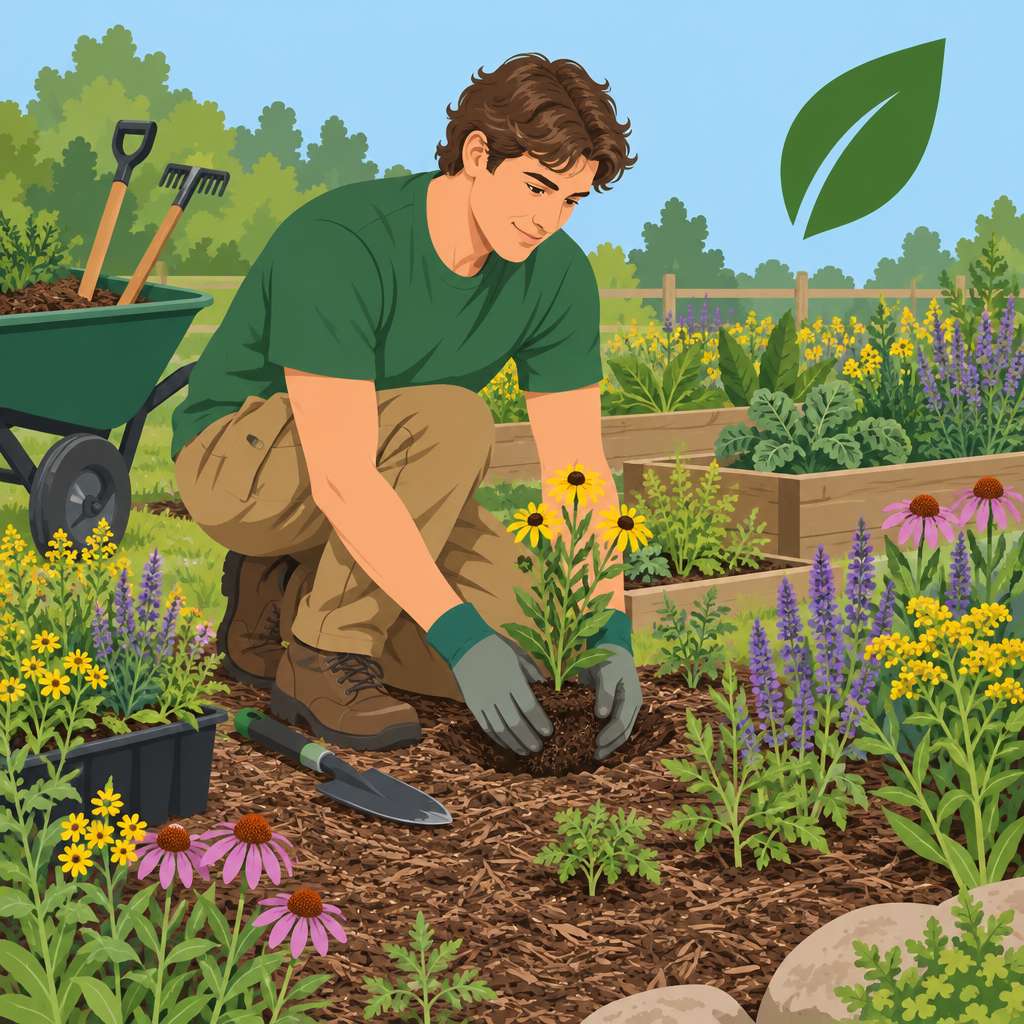
Before-and-After Photos of Native Plant Landscaping Projects
Before-and-after photos can show the transformative impact of native plant landscaping.
These images can document changes in appearance and outdoor functionality.
They also provide visual evidence of how indigenous species can enhance outdoor spaces.
Transform Your Career Today
Unlock a personalized career strategy that drives real results. Get tailored advice and a roadmap designed just for you.
Start NowTestimonials from Homeowners Who Changed Their Landscapes
Homeowners who switched to native plant landscaping often report positive experiences.
Many appreciate the low maintenance requirements associated with native plants.
They also value reduced water usage and increased biodiversity in their outdoor spaces.
Awards and Recognition for Promoting Native Plants
Groundskeepers and organizations promoting native plants have received recognition for their efforts.
Such recognition acknowledges the importance of indigenous plants in conservation and sustainability.
Awards such as the Native Plant Landscaping Award highlight achievements in native plant groundskeeping.
Find Out More: The Role of a Painter in Home Renovation Projects
Tips for Incorporating Native Plants into Existing Landscapes
Native plants can gradually transform an established landscape into a sustainable outdoor space.
This process supports environmental benefits while reducing future maintenance demands.
Careful planning helps preserve visual appeal during the transition.
- Gradually transition to using more native plants.
- Consult with a landscaping professional or native plant expert.
- Replace non-native plants when they need maintenance or replacement.
- Create a long-term native plant landscape plan.
Gradual Native Plant Integration
Begin by adding a few native plants to the existing landscape.
This approach lets you learn their care requirements gradually.
You can also observe how each plant responds to local soil and climate conditions.
Over time, replace non-native plants with suitable native alternatives.
As a result, the landscape can remain attractive during the transition.
Meanwhile, you gain experience with native plant care.
Guidance from Landscaping Professionals
A landscaping professional or native plant expert can help guide your choices.
They can recommend native species suited to your location and design preferences.
Their advice can also clarify appropriate plant care practices.
Furthermore, professional guidance can help you avoid common landscaping mistakes.
Experts can explain effective plant selection, placement, and maintenance strategies.
Therefore, consultation can support a more cohesive and sustainable landscape.
Replacing Non-Native Plants Over Time
Replace non-native plants with native alternatives when they require maintenance or need replacement.
This strategy gradually shifts the landscape toward a sustainable design.
Native replacements can reduce the time and resources required for landscape care.
Because native plants suit local conditions, they often require fewer additional resources.
They may need less water, fertilizer, and pest control.
Consequently, each replacement can contribute to a lower-maintenance landscape.
Long-Term Native Landscape Planning
A long-term plan can create a cohesive and sustainable garden.
Consider plant selection, placement, and maintenance needs during the planning process.
First, research native species suited to local climate and soil conditions.
Next, identify landscape areas where native plants can thrive.
Choose locations where they complement existing landscape features.
Finally, combine varied native plants to create visual interest and support local wildlife.
This thoughtful approach can increase biodiversity and reduce water usage.
It can also improve ecosystem health and support your well-being.
Native Plants and Sustainable Landscaping
Native plants conserve water, reduce maintenance, and support local wildlife.
Readers should consider how landscaping choices affect ecology and use native plants to promote biodiversity.
We welcome feedback and questions about incorporating native plants into landscaping projects.
For more information, explore these resources about native plants and sustainable landscaping practices.
Transform Your Career Today
Unlock a personalized career strategy that drives real results. Get tailored advice and a roadmap designed just for you.
Start Now


