




Introduction
Groundskeeping tools are essential for professionals in the industry.
Having the right tools can significantly improve grounds maintenance quality.
Additionally, suitable tools can increase the efficiency of grounds maintenance.
Lawn Mower
Lawn mowers support efficient groundskeeping across different outdoor landscapes.
Professionals should match mower types to lawn size, terrain, power needs, and maintenance demands.
Each option offers distinct benefits for specific working conditions.
Different Types of Lawn Mowers
Mowers vary in design, power source, and operating method.
These differences affect coverage, noise, physical effort, and efficiency.
The main options address small lawns, large lawns, and vast grounds.
- Push reel mowers suit small to medium-sized lawns and provide an environmentally friendly option.
- Gas-powered mowers suit large lawns and deliver greater power and efficiency.
- Riding mowers suit vast grounds and reduce physical strain on the operator.
- Electric mowers operate quietly, support eco-friendly maintenance, and suit medium-sized lawns.
Importance of Blade Maintenance
Blade condition directly affects mower performance and cutting quality.
Regular sharpening helps the mower produce a clean and precise cut.
Consequently, sharp blades promote healthy grass growth.
Tips for Selecting the Right Lawn Mower
Start by assessing the grounds and the mower’s expected workload.
Next, consider terrain, power sources, and the effort required during operation.
Finally, review maintenance needs and access to replacement parts.
- Consider the grounds’ size and choose a mower that efficiently covers the entire area.
- Evaluate the terrain because rough or uneven areas may require a more robust mower.
- Assess the power source, balancing gas power against electric mower quietness and environmental benefits.
- Factor in maintenance and choose accessible parts for straightforward blade sharpening.
By comparing these factors, groundskeeping professionals can maintain outdoor landscapes efficiently and effectively.
Trimmer and Edger Tools
Trimmers and edgers help maintain a well-manicured lawn.
Both tools cut grass and shape borders.
However, their designs and functions differ.
Differences Between Trimmers and Edgers
Trimmers reach difficult areas around trees, fences, and flower beds.
Edgers create defined borders beside sidewalks, driveways, and flower beds.
Choose between them according to the lawn task and desired finish.
- Trimmers:
- They cut grass in hard-to-reach areas around trees, fences, and flower beds.
- A rotating head spins line at high speeds for precise trimming.
- They handle various grass thicknesses and heights.
- Edgers:
- They create clean borders along sidewalks, driveways, and flower beds.
- A vertical blade cuts through grass and soil to define an edge.
- They create sharp boundaries for a polished lawn appearance.
Trimmer Recommendations
Cordless trimmers suit smaller yards with limited grass cutting needs.
Gas-powered trimmers support larger yards, thick grass, and demanding workloads.
Consider yard size, cutting demands, maneuverability, and operating time when choosing.
- Cordless Trimmers:
- They work well for smaller yards and light cutting needs.
- They offer easy maneuverability and lightweight handling for quick touch-ups.
- They provide rechargeable battery convenience for homeowners.
- Gas-Powered Trimmers:
- They suit larger yards with thick grass and heavy-duty cutting requirements.
- They provide greater power for extended use without recharging.
- They support professional landscapers and groundskeepers with demanding workloads.
Safety Gear and Operating Practices
Safety precautions help prevent accidents and injuries during trimming and edging.
Protective equipment shields you from flying debris during operation.
Following manufacturer instructions supports safer and more controlled tool use.
- Wear goggles, gloves, and closed-toe shoes for protection from flying debris.
- Avoid wet or slippery conditions to maintain a steady grip.
- Read the manufacturer’s instructions thoroughly before operating either tool.
- Follow all stated safety guidelines during use.
Understanding each tool’s purpose helps you select the right option for the task.
Proper equipment selection and safe operation support professional lawn results.
Learn More: The Future of Janitorial Services: Trends to Watch
Blower
- A blower clears debris and leaves efficiently from grounds.
- When selecting one, consider the power and capacity required for the area’s size.
- Regularly clean the filters and fuel system to extend the blower’s lifespan.
You Might Also Like: A Day in the Life of a Professional Roofer
Pruning Shears and Trimming Tools
Pruning shears and trimming tools help professionals maintain neat gardens and landscapes.
Different tools handle specific cutting, shaping, and trimming tasks.
Choose each tool according to the plant material and required reach.
- Hand pruners cut small branches and stems with precision.
- Loppers cut larger branches that hand pruners cannot handle.
- Hedge shears shape hedges and trim shrubs into desired forms.
- Pole pruners reach high branches without requiring a ladder.
Best Practices for Pruning Trees, Shrubs, and Bushes
Proper pruning supports plant health and appearance.
Each plant has specific pruning needs.
Follow these practices during pruning.
- Identify each plant’s specific needs before pruning.
- Use sharp, clean pruning shears to make clean cuts and prevent damage.
- Remove dead or diseased branches first to promote healthy growth.
- Avoid over-pruning because it can weaken plants and increase disease risk.
- Prune during the dormant season to minimize stress and promote new growth.
Importance of Keeping Tools Sharp and Clean
Sharp, clean pruning tools support plant health and tool longevity.
Regular maintenance also helps professionals work efficiently.
Transform Your Career Today
Unlock a personalized career strategy that drives real results. Get tailored advice and a roadmap designed just for you.
Start NowProper care can reduce the need for replacement tools.
- Sharp tools make clean cuts that heal faster and reduce infection risks.
- Dirty tools can spread diseases between plants and cause widespread damage.
- Regular sharpening and cleaning can extend tool life and reduce replacement costs.
- Proper tool maintenance improves efficiency and ease of use for professionals.
High-quality pruning tools help groundskeepers maintain neat and visually appealing landscapes for clients.
See Related Content: The Construction Manager's Guide to Productivity
Rakes
Rakes support several groundskeeping tasks.
Different rake designs suit different materials and working conditions.
Selecting the appropriate rake helps you complete each task effectively.
Leaf Rakes
Leaf rakes use fan-shaped heads and flexible tines to collect leaves and other lightweight debris.
Plastic models weigh less and suit delicate tasks, while metal models provide another material option.
Move the rake in sweeping motions to gather leaves into manageable piles.
- Leaf rakes collect leaves and other lightweight debris with flexible, fan-shaped tines.
- Plastic rakes feel lighter and work well for delicate tasks.
- Sweeping motions gather leaves efficiently into piles for disposal.
- A comfortable handle length that matches your height can reduce back strain.
Thatch Rakes
Thatch rakes remove thatch, which consists of dead grass and organic matter on the soil surface.
Sharp, rigid tines penetrate this layer and improve air and water circulation.
Use controlled pressure to protect grass roots and the soil beneath the thatch.
- Thatch rakes break up accumulated organic matter on the soil surface.
- Rigid, sharp tines penetrate thatch more effectively than flexible tines.
- Avoid excessive force to prevent damage to grass roots and soil.
- Metal models offer durability for demanding thatch removal tasks.
Rake Usage Techniques
Match each rake to the task, including leaf removal, thatch clearing, or soil preparation.
Keep the rake close to your body to support proper posture and reduce strain.
Short, quick motions can limit fatigue and support efficient cleanup.
- Choose a rake that suits the specific groundskeeping task.
- Hold the rake close to your body while working.
- Use short, quick motions to avoid unnecessary fatigue.
- Clean the rake regularly to prevent debris buildup and rust formation.
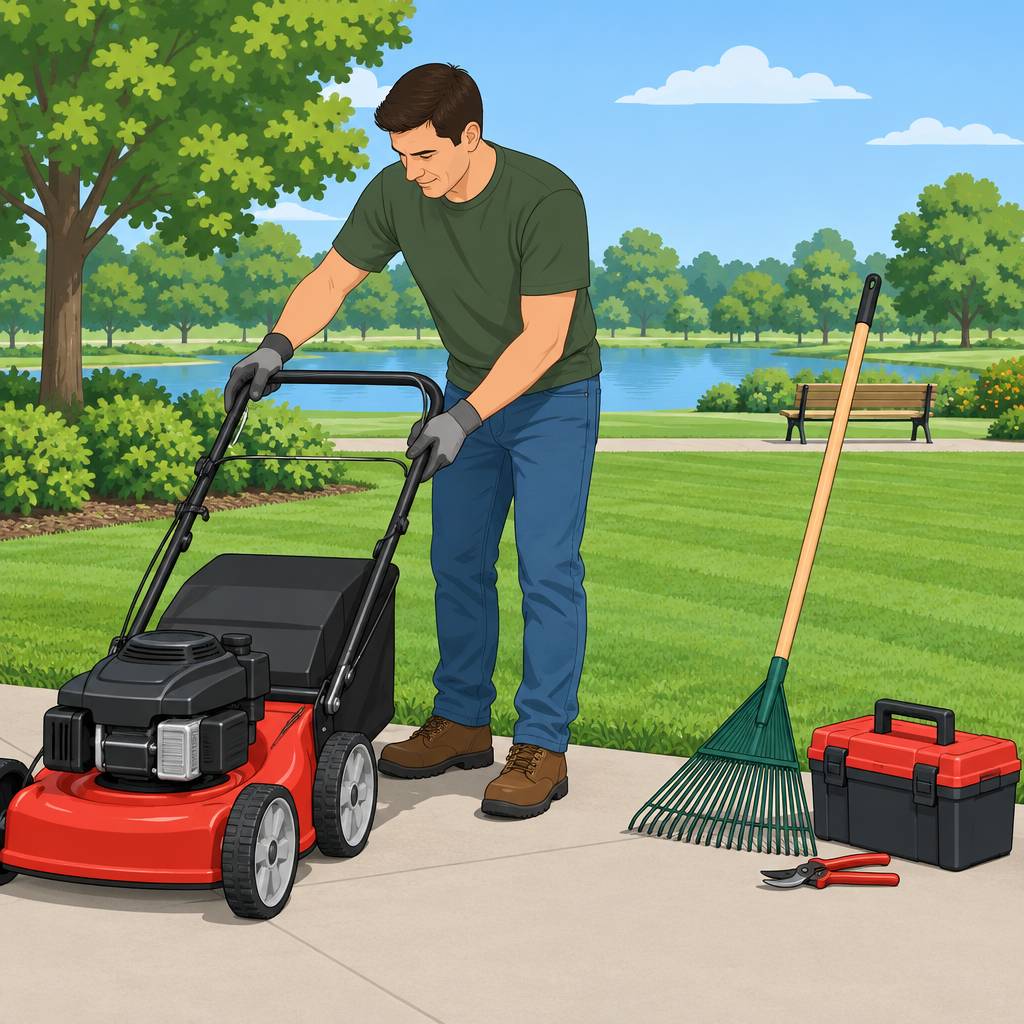
Rake Storage and Maintenance
Clean the rake after every use to remove dirt and debris.
Inspect each tool for bent tines or loose handles before storing it.
Store the rake in a dry, sheltered area to prevent rust and preserve its shape.
- Wash the rake with water and mild detergent after use.
- Repair or replace damaged parts immediately.
- Hang rakes on hooks to help maintain their shape and integrity.
- Sharpen the tines periodically with a file or grinder.
Regular maintenance keeps rake use smooth and supports equipment longevity.
You Might Also Like: How to Build a Strong Reputation as a Mover
Soil Aeration Tools
Soil aeration supports healthy grass by improving air, water, and nutrient movement through the root system.
This practice helps create conditions for lush, green grass growth.
Groundskeepers can select aeration tools according to lawn size, soil condition, and required effort.
Benefits of Aerating Soil
Aeration lets grass roots penetrate deeper and develop stronger, more resilient systems.
It also creates pathways that help nutrients reach roots for improved absorption and use.
Additionally, breaking compacted soil improves drainage and supports beneficial microbial activity.
- Aeration encourages deeper root penetration and supports stronger, more resilient grass systems.
- It creates pathways that help roots absorb nutrients more effectively.
- Breaking compacted soil improves drainage and reduces waterlogging.
- Aeration also supports beneficial microbial activity within the turf ecosystem.
Types of Aerators
Aerators differ in design, operating method, and suitability for lawn size.
Manual and spike aerators suit smaller tasks, while core and powered options cover larger areas.
However, each tool requires appropriate use to avoid compaction or maintenance problems.
- Manual aerators use handheld spikes or tines and suit small residential lawns.
- Spike aerators puncture soil, but excessive use can increase compaction.
- Core aerators remove soil plugs and improve air and water penetration.
- Powered mower or tractor attachments cover large areas efficiently but require training and maintenance.
Tips for Effective Aeration
Successful aeration depends on timing, moisture, preparation, and consistent coverage.
Water softens soil before aeration, but excessive water can create waterlogged conditions.
Afterward, fertilizer can replenish nutrients and support grass growth.
- Aerate during the grass’s active growing season, usually spring or fall.
- Avoid aerating during extreme weather or drought conditions.
- Water the lawn thoroughly beforehand, but avoid creating waterlogged soil.
- Mark irrigation lines and underground utilities before operating an aerator.
- Overlap machine passes slightly to provide full, consistent coverage.
- Apply fertilizer afterward to replenish nutrients and support healthy growth.
Tool Quality and Groundskeeping Performance
Having the right groundskeeping tools helps professionals maintain beautiful, healthy grounds.
Lawnmowers, pruners, and edgers each support specific maintenance tasks.
Professionals should invest in high-quality tools that withstand demanding work.
Additionally, regular maintenance keeps tools performing well and extends their service life.
With suitable tools, professionals can create pristine landscapes that improve the grounds’ appearance and health.
Therefore, appropriate equipment can improve the efficiency and effectiveness of groundskeeping tasks.
Additional Resources
Google search results for Groundskeeping Tools Every Pro Needs Construction and Manual Labor
Bing search results for Groundskeeping Tools Every Pro Needs Construction and Manual Labor
Transform Your Career Today
Unlock a personalized career strategy that drives real results. Get tailored advice and a roadmap designed just for you.
Start Now


