




Maintenance Workers and Their Role
Maintenance workers play a crucial role in various industries.
They handle repairs, inspections, and general maintenance tasks.
These professionals maintain equipment and buildings to support smooth operations.
Equipment Inspections and Repairs
Maintenance workers inspect and repair machinery and equipment.
They troubleshoot issues and perform routine maintenance to prevent breakdowns.
Additionally, they follow safety protocols to maintain a secure working environment.
General Building Maintenance
Maintenance workers perform general maintenance throughout buildings and facilities.
Their duties include plumbing repairs, HVAC maintenance, and electrical work.
They may also handle painting, carpentry, and facility cleanliness.
Inventory and Supply Management
Maintenance workers manage inventory and order necessary supplies.
They track spare parts, tools, and other required materials.
This preparation helps them complete tasks efficiently.
Communication and Problem-Solving Skills
Maintenance workers need technical skills, strong communication, and effective problem-solving abilities.
They interact with staff members and supervisors about maintenance concerns.
They report issues, request assistance, and develop practical solutions.
Operational Importance of Maintenance Workers
Maintenance workers support daily operations across various industries.
Their attention to detail and technical skills help maintain equipment and facilities.
Their dedication makes them an indispensable part of many organizations.
Educational Background
Maintenance workers typically need a high school diploma or equivalent.
Some employers may prefer vocational training in related fields.
Relevant training can include HVAC or electrical work.
Certifications Needed
Employers do not always require certifications for maintenance work.
However, OSHA safety regulations certifications can benefit candidates.
Plumbing or carpentry certifications can also enhance job prospects.
Specific Skills Required
Maintenance workers need strong problem-solving abilities.
They troubleshoot and repair various issues.
Good communication helps them interact with supervisors, coworkers, and residents.
Experience Needed
Employers often prefer prior maintenance experience.
Related work experience can also support job applications.
Hands-on experience with maintenance tools and equipment provides an advantage.
Inspecting and Repairing Equipment
Maintenance workers inspect machinery and equipment for malfunctions or other issues.
This proactive work helps prevent breakdowns and supports smooth operations.
Regular checks also help workers identify concerns before they escalate.
Machinery and Equipment Inspection Process
First, workers review maintenance logs to identify scheduled inspections.
- Review maintenance logs to identify scheduled inspections.
- Visually inspect machinery for signs of wear or damage.
- Use testing equipment to check performance and functionality.
- Listen for unusual sounds that may indicate a problem.
- Check for leaks, cracks, or other physical defects.
- Document findings and note potential issues.
Next, workers use inspection results to identify problems early.
They can then address issues before those problems cause major breakdowns.
Careful documentation also supports timely maintenance decisions.
Handling Repairs and Replacements
When workers identify a malfunction, they determine the most suitable response.
They assess the problem severity and its impact on operations.
Afterward, they consult supervisors or team members about the repair strategy.
Transform Your Career Today
Unlock a personalized career strategy that drives real results. Get tailored advice and a roadmap designed just for you.
Start Now- Assess the severity of the problem and its operational impact.
- Consult supervisors or team members about the repair strategy.
- Gather the necessary tools and replacement parts.
- Follow safety protocols during repairs.
- Test machinery after completing repairs.
Furthermore, workers gather the tools and replacement parts required for the repair.
They follow safety procedures while conducting repairs and replacements.
Finally, they test the machinery to confirm proper operation.
Strong troubleshooting and problem-solving skills help workers manage repairs effectively.
Prompt action keeps operations running smoothly and limits the effect of equipment issues.
Explore Further: The Importance of Teamwork in Boilermaking
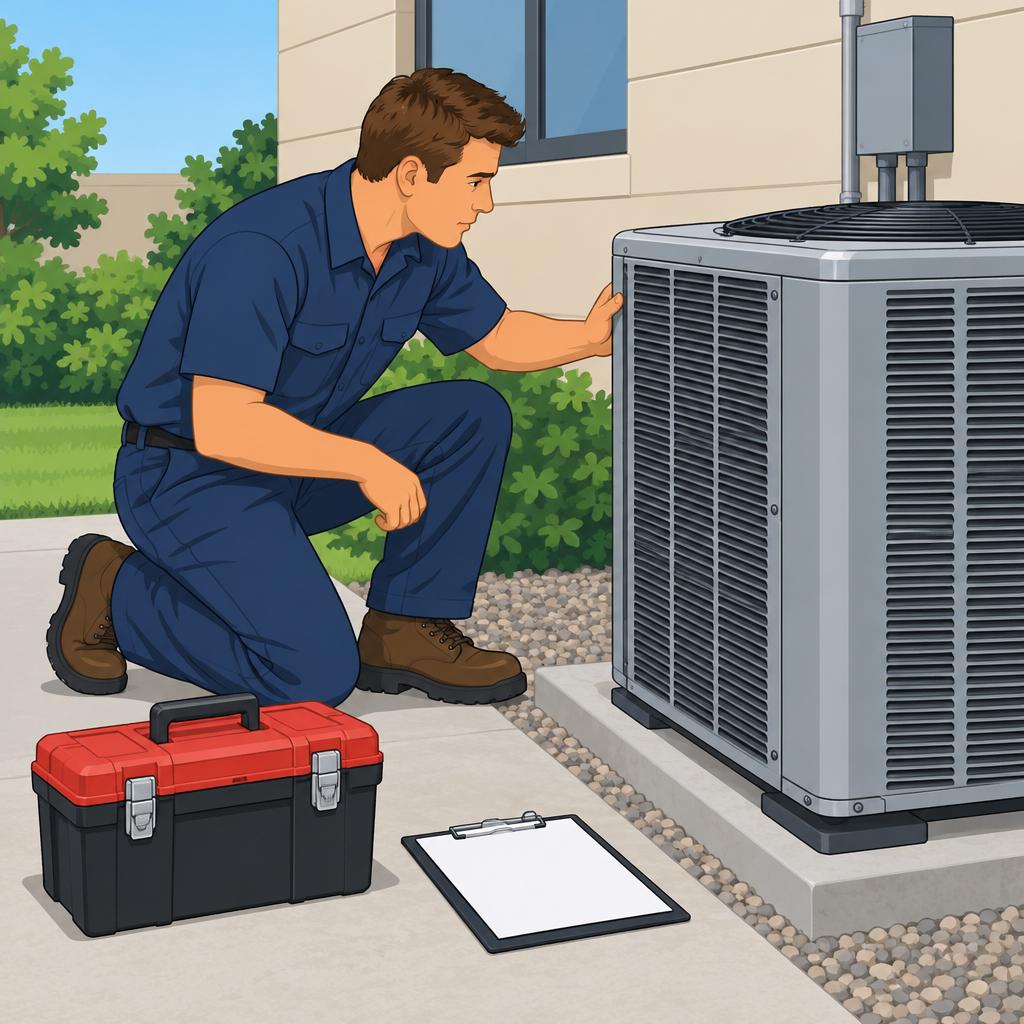
Preventative Maintenance
Preventative maintenance helps facilities avoid costly breakdowns and reduce downtime.
It lets facility teams address developing problems before they disrupt operations.
Scheduled care also supports efficient equipment use and safer working conditions.
- Regular Inspections: Regular inspections reveal wear, damage, and developing equipment problems early.
- Cleaning and Lubrication: Cleaning and lubrication protect machinery from corrosion and mechanical failure.
- Calibration and Adjustment: Calibration and adjustment preserve equipment accuracy and operating efficiency.
- Replacement of Parts: Replacing worn components helps prevent major breakdowns and additional damage.
- Testing Systems: System testing confirms that equipment functions properly and exposes underlying issues.
These tasks extend equipment life and reduce unexpected failures.
They also help facilities maintain safe, reliable operations.
Delve into the Subject: Top Skills Every Professional Roofer Should Master
Handling Work Orders and Requests
Maintenance workers handle work orders and maintenance requests promptly to support safe, efficient operations.
- Prioritizing Work Orders: Workers prioritize requests according to urgency and operational importance.
- Efficient Communication: Clear communication helps teams coordinate efforts and address requests promptly.
- Timely Response: Workers respond quickly to prevent operational disruptions and potential safety hazards.
- Documentation: Detailed records help workers track task status, completion times, and future priorities.
- Collaboration: Workers collaborate with other departments to resolve complex maintenance issues efficiently.
- Problem-Solving: Strong problem-solving skills help workers address unexpected issues and complete tasks successfully.
Consequently, effective coordination keeps maintenance work organized and responsive.
A proactive approach helps workers complete requests efficiently while reducing avoidable disruptions.
Find Out More: Sheet Metal Worker vs. Welder: Key Differences
Safety Protocols and Compliance
Following safety protocols helps maintenance workers create a safer working environment.
These standards protect workers and help prevent accidents, injuries, and property damage.
Therefore, compliance supports safer and more effective maintenance operations.
Importance of Safety Protocols
Maintenance workers must understand safety protocols before beginning assigned tasks.
Strict compliance reduces workplace risks and helps prevent avoidable accidents.
Additionally, consistent compliance demonstrates a strong commitment to workplace safety.
- Maintenance workers must follow safety protocols to mitigate workplace risks.
- Strict compliance with safety standards helps prevent accidents during maintenance tasks.
- Following safety protocols demonstrates commitment to workplace safety.
- Safety regulations reduce the likelihood of injuries and property damage.
Ensuring Compliance with Safety Standards
Employers train maintenance workers to understand relevant safety protocols and regulations.
Regular meetings reinforce compliance and keep safety expectations clear.
Supervisors also monitor tasks, while inspections identify and address potential hazards.
- Maintenance workers receive training on safety protocols and regulations.
- Regular safety meetings reinforce the importance of compliance.
- Supervisors oversee tasks to ensure workers follow safety guidelines.
- Employers provide appropriate safety gear and equipment for assigned tasks.
- Regular inspections identify and address workplace safety hazards.
Through consistent adherence, maintenance teams protect worker well-being and support successful operations.
Clear training, supervision, equipment, and inspections strengthen compliance across maintenance activities.
Find Out More: Career Advancement Opportunities for Pipelayers
Maintaining accurate records of maintenance activities and repairs supports efficient equipment and facility operations.
These records help teams track maintenance history and plan future repairs and upgrades.
They also provide evidence for safety compliance and insurance purposes.
Importance of Record Keeping
Accurate records help workers track the maintenance history of equipment.
Additionally, documented activities support budget planning for future repairs and upgrades.
Proper documentation also demonstrates regular maintenance for safety and insurance requirements.
- Track the history of equipment maintenance.
- Support budget planning for future repairs and upgrades.
- Ensure compliance with safety regulations and industry standards.
- Provide evidence of regular maintenance for insurance purposes.
Maintenance Documentation Processes
Maintenance workers document equipment inspections, repairs, and maintenance schedules through several methods.
They record inspection findings, create repair requests, and update maintenance systems with current information.
Furthermore, teams collaborate to keep documentation accurate and support efficient facility operations.
- Use maintenance logs to record inspection dates and findings.
- Create work orders for needed repairs or replacements.
- Keep equipment manuals and maintenance schedules in a database.
- Take photographs or videos before and after maintenance.
- Update digital maintenance management systems with real-time data.
- Collaborate with team members to ensure accurate documentation.
Detailed records help workers operate equipment and facilities efficiently.
They also help teams extend asset lifespans and minimize downtime from unexpected breakdowns.
Troubleshooting and Problem-Solving
Maintenance workers identify equipment issues to support smooth facility operations.
Transform Your Career Today
Unlock a personalized career strategy that drives real results. Get tailored advice and a roadmap designed just for you.
Start NowThey troubleshoot malfunctions by examining symptoms, testing possible causes, and applying appropriate solutions.
Their technical judgment helps maintain equipment functionality and resolve operational problems efficiently.
Identifying Equipment Issues
Regular inspections and maintenance checks help workers detect potential equipment problems early.
Additionally, workers use technical knowledge to recognize unusual equipment performance.
Diagnostic tools help them locate the root causes of equipment malfunctions.
- Workers conduct regular inspections and routine maintenance checks to identify developing equipment issues.
- They use technical expertise to detect abnormalities in equipment performance.
- Diagnostic tools help workers pinpoint the causes of equipment malfunctions.
Troubleshooting Techniques
Maintenance workers follow systematic troubleshooting methods when equipment develops problems.
They identify symptoms first, then narrow the possible causes through careful testing.
Team discussions and equipment manuals provide additional guidance during complex troubleshooting tasks.
- Workers begin by identifying symptoms and narrowing down possible causes.
- Logical reasoning helps them eliminate potential issues until they find the underlying problem.
- They collaborate with teammates and consult equipment manuals during troubleshooting.
Problem-Solving Skills
Strong problem-solving skills help maintenance workers analyze complex equipment issues.
They respond quickly when unexpected maintenance problems require immediate attention.
Creative thinking allows workers to explore practical solutions when standard approaches prove insufficient.
- Maintenance workers apply critical and analytical thinking to equipment problems.
- They develop quick solutions for complex maintenance challenges.
- Creativity and innovation support unconventional approaches to problem-solving.
Effective troubleshooting helps maintenance workers resolve equipment issues and support reliable facility operations.
Collaborating with Other Departments
Maintenance workers often collaborate with other departments to address maintenance issues effectively.
This teamwork helps teams complete tasks efficiently and on time.
Additionally, clear communication helps departments coordinate their responsibilities.
Key Responsibilities
Maintenance workers coordinate with several departments during repairs, supply planning, and technical support.
These interactions help teams understand maintenance needs and manage work alongside daily operations.
Furthermore, cross-functional meetings help departments discuss upcoming projects and potential challenges.
- Coordinate with the facilities department to schedule repairs and maintenance work.
- Communicate with the procurement team to order necessary supplies and equipment.
- Work closely with the operations team to understand maintenance effects on daily operations.
- Collaborate with the IT department to address technical issues involving maintenance systems.
- Participate in cross-functional meetings to discuss upcoming projects and potential challenges.
Essential Skills
Effective collaboration requires maintenance workers to communicate clearly with colleagues across the organization.
Strong teamwork helps workers coordinate tasks with people from different departments.
Moreover, adaptability and organization help workers manage changing priorities and multiple projects.
- Use effective communication skills to convey maintenance requirements clearly.
- Apply strong teamwork skills when working with colleagues from different areas.
- Use problem-solving abilities to address maintenance issues efficiently.
- Adapt to changing priorities and unforeseen challenges.
- Use organizational skills to manage multiple tasks and projects simultaneously.
By working closely with other departments, maintenance workers can complete tasks effectively.
They can also address issues promptly while supporting teamwork throughout the organization.
This collaboration supports better efficiency and productivity across daily operations.
Operational Value of Maintenance Work
Maintenance workers keep equipment functional and help organizations sustain efficient operations across various industries.
They conduct routine inspections, complete repairs, and respond to emergency maintenance calls.
These responsibilities help operations continue with fewer disruptions.
Preventative maintenance addresses developing problems before they interrupt work.
Effective communication and collaboration help maintenance workers coordinate responsibilities with other team members.
Following safety protocols reduces the risk of accidents and injuries during maintenance activities.
Maintenance workers help minimize downtime, reduce repair costs, and extend equipment service life.
Organizations depend on their expertise to support productivity and profitability.
Although they often work behind the scenes, their dedication supports successful business operations.


