




Warehouse Careers and Training
Warehouse workers play a crucial role in the supply chain industry.
They ensure efficient storage, handling, and distribution of goods.
Aspiring warehouse workers can choose training programs that build necessary skills and knowledge.
On-site Training Programs
Industry professionals offer on-site training programs for aspiring warehouse workers.
These programs provide hands-on experience in warehouse settings.
Participants learn inventory management and product handling through practical instruction.
Experienced mentors also explain daily responsibilities and workplace practices.
Online Courses
Online courses give aspiring warehouse workers flexible learning opportunities.
These courses cover logistics, inventory control, and warehouse safety regulations.
Participants access course materials and lectures whenever their schedules allow.
Self-paced learning allows individuals to manage their training independently.
Certification Programs
Many warehouse training programs award certification after successful completion.
These certifications validate the skills and knowledge gained during training.
They demonstrate competency to potential employers in warehouse operations.
Employers often view certification as evidence of professional commitment and excellence.
Warehouse Worker Training Program Options
Aspiring warehouse workers can choose from several training program options.
These programs develop the skills and knowledge needed for warehouse work.
Each option offers a different path toward workplace preparation.
On-the-Job Training
On-the-job training remains one of the most common options for warehouse workers.
Employees learn while working in an active warehouse setting.
Experienced workers guide trainees through tasks and daily responsibilities.
This hands-on approach builds practical skills and valuable workplace experience.
Training length depends on task complexity and the learner’s progress.
Most programs require only willingness to learn and work hard.
Warehouse Certification Programs
Certification programs prepare workers for specific areas of warehouse operations.
Examples include forklift operation and inventory management.
Many programs combine classroom instruction with hands-on practice.
This combination helps participants understand their chosen subject thoroughly.
Programs may last several days or weeks, depending on subject complexity.
Most certification programs require a high school diploma or GED.
Vocational Warehouse Courses
Vocational courses offer another pathway into warehouse work.
Technical schools and community colleges commonly provide these courses.
Students receive broad instruction in warehouse operations.
Course topics may include inventory management, order picking, and safety procedures.
Programs can last several months or up to one year.
Most courses require a high school diploma or GED.
Some institutions may also set additional admission requirements.
Benefits of Warehouse Worker Training
Training programs provide aspiring warehouse workers with several practical benefits.
They also support skill development and workplace readiness.
These advantages can strengthen preparation for warehouse responsibilities.
Transform Your Career Today
Unlock a personalized career strategy that drives real results. Get tailored advice and a roadmap designed just for you.
Start Now- Improved skills help workers perform warehouse duties more effectively.
- Training can support career advancement and access to higher-paying positions.
- Employers may prefer trained candidates when filling warehouse roles.
- Safety instruction teaches workers to operate equipment and complete tasks carefully.
- Professional development can increase confidence in workplace abilities.
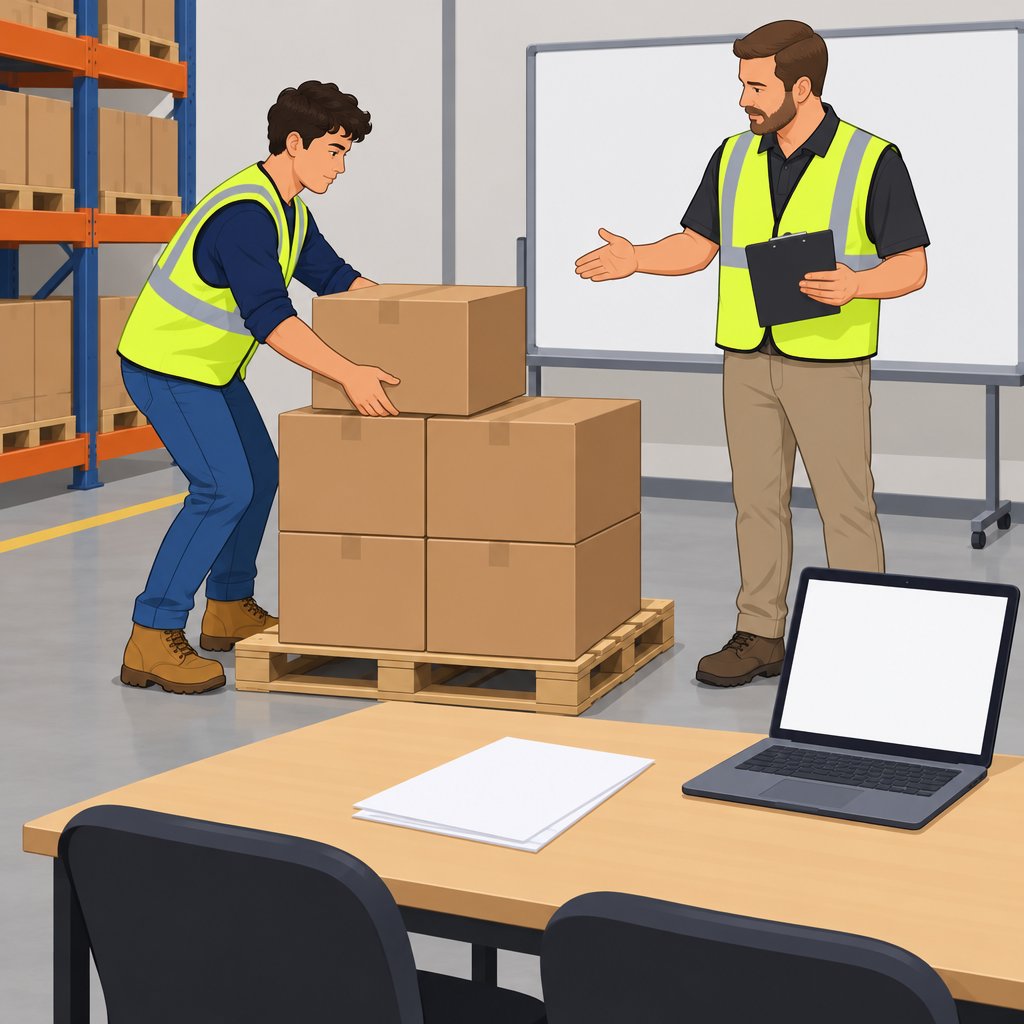
On-the-Job Training
On-the-job training prepares aspiring warehouse workers for their responsibilities.
It combines practical instruction with daily tasks inside a warehouse.
Therefore, trainees build relevant skills while learning workplace expectations.
How On-the-Job Training Works for Warehouse Workers
On-the-job training teaches warehouse workers while they perform tasks within the warehouse.
New employees work alongside experienced workers and gain practical knowledge.
Additionally, trainees encounter real situations that reflect warehouse operations.
They learn to operate equipment, manage inventory, and fulfill orders accurately.
As a result, workers develop efficiency while handling everyday responsibilities.
Supervisors and mentors guide trainees throughout the learning process.
They also reinforce company policies and safety regulations.
This hands-on approach strengthens workplace understanding and encourages skill development.
Hands-On Experience and Skills Gained
On-the-job training helps warehouse workers develop valuable skills through direct experience.
Trainees organize inventory and use warehouse management systems effectively.
They also learn to handle materials safely.
Meanwhile, real warehouse work connects classroom knowledge with practical situations.
Workers communicate with teammates and prioritize tasks during busy periods.
They also make sound decisions when pressure increases.
With continued practice, trainees gain confidence in their abilities.
Furthermore, they develop a strong work ethic and greater workplace readiness.
This experience prepares workers for fast-paced warehouse responsibilities.
Success Stories of Warehouse Workers
Many warehouse workers began their careers through on-the-job training.
Over time, their experience helped them achieve meaningful progress within the industry.
These examples can encourage aspiring warehouse workers to begin their careers.
Sarah started her warehouse career as a trainee.
Through dedicated training and continuous learning, she strengthened her skills.
Eventually, Sarah progressed into a leadership role within the company.
Mark entered the warehouse workforce with little experience but strong determination.
His mentors supported him during training and helped him adapt quickly.
Consequently, Mark excelled in his warehouse role.
These stories show how training can transform warehouse careers.
It provides essential skills and knowledge for warehouse responsibilities.
Additionally, training can support a fulfilling and rewarding career path.
Uncover the Details: Innovations in Crop Cultivation for Agricultural Workers
Certification Programs
Aspiring warehouse workers can strengthen their qualifications through certifications in specialized operational areas.
These programs develop practical knowledge and support future opportunities in warehouse management.
Additionally, each certification addresses specific responsibilities within warehouse operations.
Popular Certification Programs
Several certifications help workers build knowledge related to warehouse safety, equipment, management, and inventory.
For example, forklift training focuses on equipment operation and workplace responsibilities.
Meanwhile, other programs address safety procedures, warehouse management, or inventory control.
- Forklift Operation Certification
- OSHA Safety Certification
- Warehouse Management Certification
- Inventory Control Certification
Each certification concentrates on a particular aspect of warehouse work.
Transform Your Career Today
Unlock a personalized career strategy that drives real results. Get tailored advice and a roadmap designed just for you.
Start NowAs a result, workers can select programs that match their professional goals.
These credentials also help workers demonstrate focused preparation for warehouse responsibilities.
Requirements for Obtaining Certifications
Certification providers establish requirements that applicants must complete before receiving credentials.
For instance, forklift candidates typically complete training and pass a practical assessment.
Similarly, OSHA safety candidates complete training and demonstrate their understanding of safety protocols.
These steps confirm that workers understand essential duties before performing them independently.
Therefore, applicants should review each program’s requirements and complete every required assessment.
Certifications and Career Advancement
Certifications can support career advancement in warehouse operations and management.
They validate a worker’s skills while showing commitment to continued professional development.
Furthermore, employers may favor candidates who hold relevant certifications.
These credentials indicate that candidates possess training related to their intended responsibilities.
Workers may also gain access to higher pay and additional growth opportunities within the industry.
By choosing suitable certifications, aspiring workers can expand their qualifications and employment prospects.
Find Out More: Power Line Installers: Career Flexibility
Vocational Courses for Warehouse Workers
Vocational courses can prepare aspiring warehouse workers for logistics and supply chain responsibilities.
These programs build knowledge for inventory management, logistics, and supply chain operations.
Additionally, they address the specific demands of warehouse settings.
Curriculum and Skills
Students study inventory control, storage, and distribution.
They also learn transportation management and safety regulations.
Furthermore, courses may cover quality control, warehouse technology, and customer service.
Career Opportunities and Advancement
Completing these courses can create job opportunities in logistics.
Skilled training may help individuals secure entry-level positions in warehouses and distribution centers.
Moreover, acquired knowledge can support advancement toward warehouse supervisor or operations manager roles.
Uncover the Details: Safety Tips Every Fence Erector Should Follow on the Job
Resources for Warehouse Worker Training
Training programs provide aspiring warehouse workers with essential skills and knowledge.
If you want to begin a supply chain career, enrolling in training offers a practical first step.
Additionally, several resources provide information about warehouse worker training programs.
Use these resources to develop necessary skills and begin your warehouse industry career.


