




Painting New Construction Homes
Painting new construction homes completes and protects the home’s surfaces.
Additionally, painting enhances the home’s appearance and helps preserve its materials.
Proper painting techniques create a long-lasting and durable finish.
Therefore, painters should use high-quality materials and follow expert advice.
Expert painters understand the different considerations involved in new construction projects.
They apply techniques and strategies that differ from those used for repainting existing structures.
As a result, skilled painters can help homeowners make informed decisions.
Before painting a new construction home, first identify the surface you will prepare.
This assessment helps you choose suitable preparation methods, primers, and paints.
Why Surface Assessment Matters
Surface assessment reveals imperfections that require attention before painting begins.
It also helps you select products that suit each surface.
Furthermore, proper assessment supports strong adhesion and a smooth finish.
- Identify imperfections that need correction before painting.
- Determine which paint and primer best suit the surface.
- Prepare the surface so paint adheres properly and finishes smoothly.
Common Surfaces in New Construction Homes
New construction homes often include several surfaces that require different preparation methods.
For example, drywall commonly covers interior walls and ceilings.
Meanwhile, wood, metal, and exterior siding each need suitable preparation and products.
- Drywall commonly appears on interior walls and ceilings and needs specific preparation.
- Wood appears on doors, trims, and cabinets and may need sanding and priming.
- Metal surfaces, including railings and appliances, may need primers that prevent rust or corrosion.
- Exterior siding, including vinyl, stucco, or brick, requires surface-specific preparation.
Preparation Methods for Different Surfaces
Start by cleaning every surface to remove dirt, dust, and grease.
Next, repair cracks, holes, and other imperfections before applying paint.
Finally, choose suitable sanding, priming, painting, and application methods.
- Clean surfaces thoroughly so dirt, dust, and grease do not interfere with adhesion.
- Repair cracks, holes, and imperfections with spackling or wood filler.
- Sand wood and glossy surfaces to create smoother textures and improve adhesion.
- Apply primer to improve adhesion and seal porous surfaces.
- Use latex paint for most interior walls or acrylic paint for exterior surfaces.
- Consider a paint sprayer for large areas requiring an even finish.
By assessing and preparing each surface carefully, you can support a successful painting project.
These steps help enhance the home’s appearance and support a durable finish.
Choosing the right paint helps create a flawless finish for a new construction home.
Importance of Selecting High-Quality Paint
First, high-quality paint provides strong coverage and supports an efficient painting process.
Additionally, durable paint helps walls withstand everyday wear and tear.
Superior pigmentation also helps colors retain their appearance over time.
- High-quality paint lasts longer and provides better coverage, saving time and money in the long run.
- Quality paint offers better durability, helping walls withstand everyday wear and tear.
- Superior pigmentation improves color retention and helps prevent fading or yellowing.
Types of Paint Finishes for Different Areas
Next, choose a finish according to each room’s traffic and surface needs.
Flat finishes help create a subdued appearance in suitable areas.
Meanwhile, glossier finishes provide easier cleaning and greater durability.
- Flat or matte finishes suit ceilings and low-traffic areas because they hide imperfections.
- Eggshell or satin finishes suit bedrooms and living rooms with their soft, cleanable sheen.
- Semi-gloss or gloss finishes suit kitchens and bathrooms because they resist moisture and wear.
Tips for Choosing the Right Colors
Finally, select colors that support the home’s overall design aesthetic.
Also, compare samples under the home’s lighting before making a final choice.
Furthermore, accent colors can add visual interest to smaller spaces.
- Consider the home’s overall design aesthetic when selecting paint colors.
- Choose colors that complement the furniture and decor for a cohesive appearance.
- Test paint samples on the walls to evaluate their appearance in the home’s lighting.
- Use accent walls or bold colors in smaller spaces, such as bathrooms or hallways.
By selecting suitable paint, finishes, and colors, you can create a stunning and durable result.
Uncover the Details: Common Challenges Faced by Surveyors on the Job
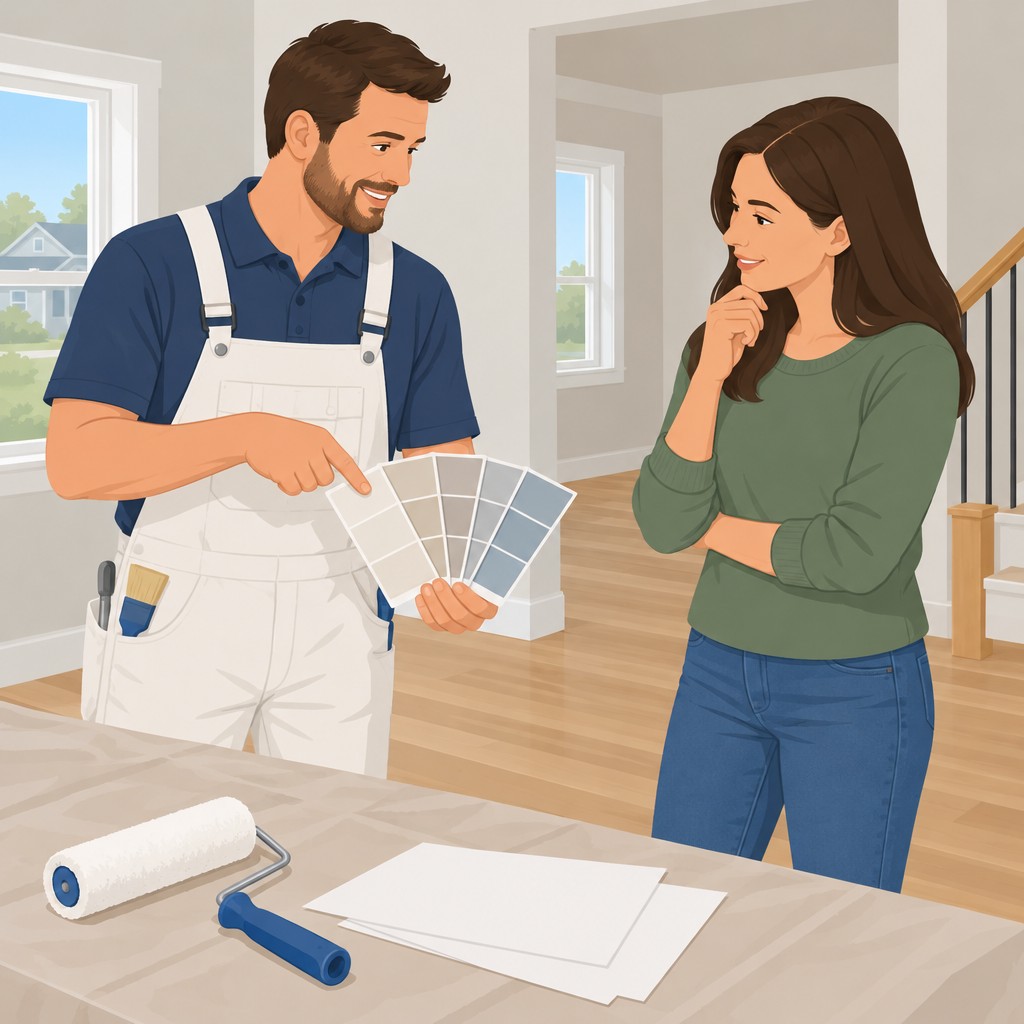
Proper Painting Techniques for New Construction Homes
Proper painting techniques help create a smooth and even finish throughout the home.
They also support a consistent appearance across walls, trim, and other painted surfaces.
Furthermore, careful application helps the finished paint withstand daily wear.
Benefits of Proper Painting Techniques
- Proper techniques create a smooth, even coat that improves the home’s appearance.
- The right methods help the paint withstand daily wear for a longer period.
- Careful application prevents streaks, drips, and uneven coverage from affecting the finish.
Techniques for Even and Smooth Paint Application
- Prepare the surface by cleaning and sanding it as needed.
- Use high-quality paint, brushes, rollers, and sprayers for a professional finish.
- Apply thin, even layers while working in small sections.
- Use feathering to blend paint edges and create seamless transitions between sections.
Cutting In and Edging for Clean Lines
- Use a high-quality angled brush to cut along edges and corners.
- Work slowly and carefully to maintain precision and avoid sloppy mistakes.
- Use painter’s tape to protect trim, windows, ceilings, and other areas.
- Remove the tape carefully while the paint remains wet.
These techniques help create a professional-looking finish that enhances the home’s beauty and value.
See Related Content: Ironworker Industry Trends and Future Outlook
Time Management
Proper time management keeps a new construction home’s painting project on track.
It also helps control the project’s budget.
Therefore, painters should organize each stage before work begins.
Transform Your Career Today
Unlock a personalized career strategy that drives real results. Get tailored advice and a roadmap designed just for you.
Start NowTimeline for Completing the Painting Process
The schedule separates preparation, priming, painting, and final inspection.
Each stage receives an estimated timeframe for better project coordination.
Additionally, the timeline helps the team monitor progress throughout the project.
- Start by preparing the surfaces over one to two days.
- Prime the walls and ceilings over one day.
- Paint the trim and doors over one to two days.
- Paint the walls and ceilings over two to three days.
- Complete touch-ups and the final inspection over one day.
Tips for Maximizing Efficiency and Productivity
Effective planning helps painters manage tasks efficiently.
Meanwhile, organized teamwork supports steady progress.
Finally, focused work helps the team maintain quality throughout the project.
- Organize and plan the workflow before starting the project.
- Use high-quality paint and tools for a smooth finish.
- Work in sections to create manageable tasks.
- Delegate tasks to a skilled team to accelerate the process.
- Take breaks to prevent fatigue and maintain focus.
By following these guidelines, painters can complete the process in a timely manner.
They can also maintain high-quality results throughout the project.
Uncover the Details: Benefits of Becoming a Certified Machinist
Environmental factors can affect the painting process in new construction homes.
Weather, humidity, and temperature variations can influence the finished paint job.
Therefore, painters should adjust their methods to match indoor and outdoor conditions.
Weather Conditions
- First, check the weather forecast before beginning the painting project.
- Avoid extreme heat or cold because these conditions affect paint drying time.
- Generally, paint performs best between 50 and 85 degrees Fahrenheit.
Humidity Levels
- High humidity slows paint drying and may cause streaks or bubbles.
- Use a dehumidifier to lower room humidity before applying paint.
- Conversely, low humidity can dry paint too quickly and create a rough finish.
Adjusting Painting Techniques
- In high humidity, choose slow-drying paint to help prevent streaks.
- In low humidity, paint smaller sections to maintain even coverage.
- Additionally, use a paint conditioner to slow drying in dry conditions.
By considering environmental factors, painters can adjust their techniques for professional results.
Uncover the Details: Glazier Job Market Trends and Employment Opportunities
Proper Cleanup and Maintenance
Proper cleanup helps preserve the fresh appearance of a newly painted construction home.
Prompt attention to spills and splatters helps protect the painted surfaces from damage.
Regular maintenance also supports a durable finish and keeps the home looking well cared for.
Importance of Proper Cleanup
Careful cleanup enhances the home’s appearance after the painting work ends.
It also prevents paint residue from affecting nearby surfaces or diminishing the finished result.
Therefore, painters and homeowners should address spills before they dry and become difficult to remove.
Cleaning Paint Spills and Splatters
Use the appropriate cleaning method for the type of paint involved.
Work gently to remove paint without spreading it or damaging the surface underneath.
For dried spills, remove excess paint carefully before cleaning away any remaining residue.
- Act quickly and clean spills before the paint dries.
- Wipe water-based paint with a damp cloth.
- Use a cloth dampened with mineral spirits for oil-based paint.
- Blot gently instead of scrubbing, which may spread the paint.
- Use a paint scraper carefully when removing dried paint.
- Finish with mild soap or cleanser to remove remaining residue.
Maintaining Painted Surfaces
Regular cleaning removes dust and dirt that can accumulate on painted surfaces.
Choose gentle cleaning products to protect the paint from unnecessary wear.
Prompt touch-ups can address minor damage before it worsens.
- Dust painted surfaces regularly with a soft cloth or duster.
- Avoid harsh chemicals and abrasive cleaners that may damage the paint.
- Touch up chips, scratches, and worn areas as needed.
- Consider a clear protective coating to improve surface durability.
- Inspect painted surfaces periodically for signs of wear or damage.
- Hire a professional painter for maintenance and touch-up services when necessary.
Proactive care helps preserve the beauty and integrity of the home’s paint job.
Consistent attention also helps maintain a fresh and vibrant appearance over time.
Achieving a Lasting Painting Finish
Painting a new construction home requires careful planning and skilled execution.
Homeowners should prepare surfaces properly, use quality materials, and choose suitable paint colors.
These steps support a successful painting project and create an attractive finish.
Additionally, expert guidance helps homeowners avoid common mistakes during the project.
Proper planning can also save time and reduce project costs.
Ultimately, careful attention to detail helps create a beautiful, durable finish.
Homeowners can enjoy the results for years by applying these painting recommendations.


