




Heavy Equipment Operators and Their Daily Work
Heavy equipment operators support essential work in construction, mining, and transportation.
They operate and maintain heavy machinery to complete projects efficiently.
However, daily operations present several challenges that require skill, attention, and coordination.
Challenges Faced by Heavy Equipment Operators
Operators work in hazardous environments, so they must prioritize safety.
They also maintain machinery carefully to prevent breakdowns and operational delays.
Additionally, changing conditions, communication demands, and long hours can affect performance.
- Operators must follow strict safety procedures to prevent accidents in hazardous work environments.
- They should maintain heavy machinery regularly to prevent breakdowns and project delays.
- Changing weather conditions can affect operators’ performance and machinery operation.
- Clear communication with team members and supervisors supports successful project completion.
- Long operating hours can cause fatigue and reduce concentration.
- Operators need technical skills to use advancing equipment and technology effectively.
- They must comply with strict safety and environmental regulations to avoid penalties.
- Complex projects and demanding deadlines can increase job-related stress.
- The work requires physical strength and endurance to maneuver heavy machinery effectively.
- Operators should reduce environmental harm while performing their work.
Proper training helps operators manage workplace hazards and equipment demands.
Effective communication also supports safe, efficient operations across various industries.
Finally, regulatory compliance helps operators complete projects responsibly and safely.
Physical Demands of the Job
Heavy equipment operators encounter demanding physical conditions during their daily work.
These demands can affect comfort, energy, and long-term physical health.
Operators can protect their well-being by recognizing risks and taking appropriate precautions.
Extended Standing and Sitting
Operating heavy equipment often requires workers to stand or sit in one position for extended periods.
This limited movement can cause discomfort, fatigue, and musculoskeletal problems over time.
In particular, prolonged positioning can strain the back, legs, and neck.
Heavy Lifting and Repetitive Movements
Operators may lift materials, tools, and equipment during their work.
Improper lifting can create muscle strain and increase the risk of injury.
Furthermore, repeated movements can contribute to tendonitis and carpal tunnel syndrome.
Exposure to Harsh Weather
Outdoor work exposes operators to heat, cold, rain, snow, and wind.
These conditions can cause discomfort, dehydration, frostbite, heatstroke, and other weather-related health problems.
Therefore, operators should use suitable clothing and take precautions against changing weather conditions.
By addressing these physical demands, operators can reduce injury risks and support their health.
Safety Hazards
Heavy equipment operators face safety hazards while operating cranes, bulldozers, and excavators.
Therefore, unsafe operation can place operators and others at risk.
Strict procedures, reliable machinery, and qualified operators help create safer work environments.
- Heavy machinery can cause accidents when operators do not use it properly.
- These accidents may cause injuries or fatalities.
- Operators should wear safety gear, inspect machinery, and follow every safety guideline.
- Proper training and certification give operators skills to handle equipment safely and reduce risks.
See Related Content: The Economic Importance of the Mining Industry
Equipment Maintenance
Heavy equipment operators face numerous challenges in their daily work, and equipment maintenance remains a critical issue.
Proper maintenance supports safe machinery operation and helps prevent accidents on the job site.
Consistent care helps operators keep equipment reliable and ready for daily tasks.
Regular Machinery Maintenance
- Operators must follow a strict maintenance schedule to keep equipment running smoothly.
- Regular inspections help operators identify potential issues before they become major problems.
- Operators perform lubrication, filter changes, and fluid checks during routine maintenance.
Downtime From Breakdowns and Malfunctions
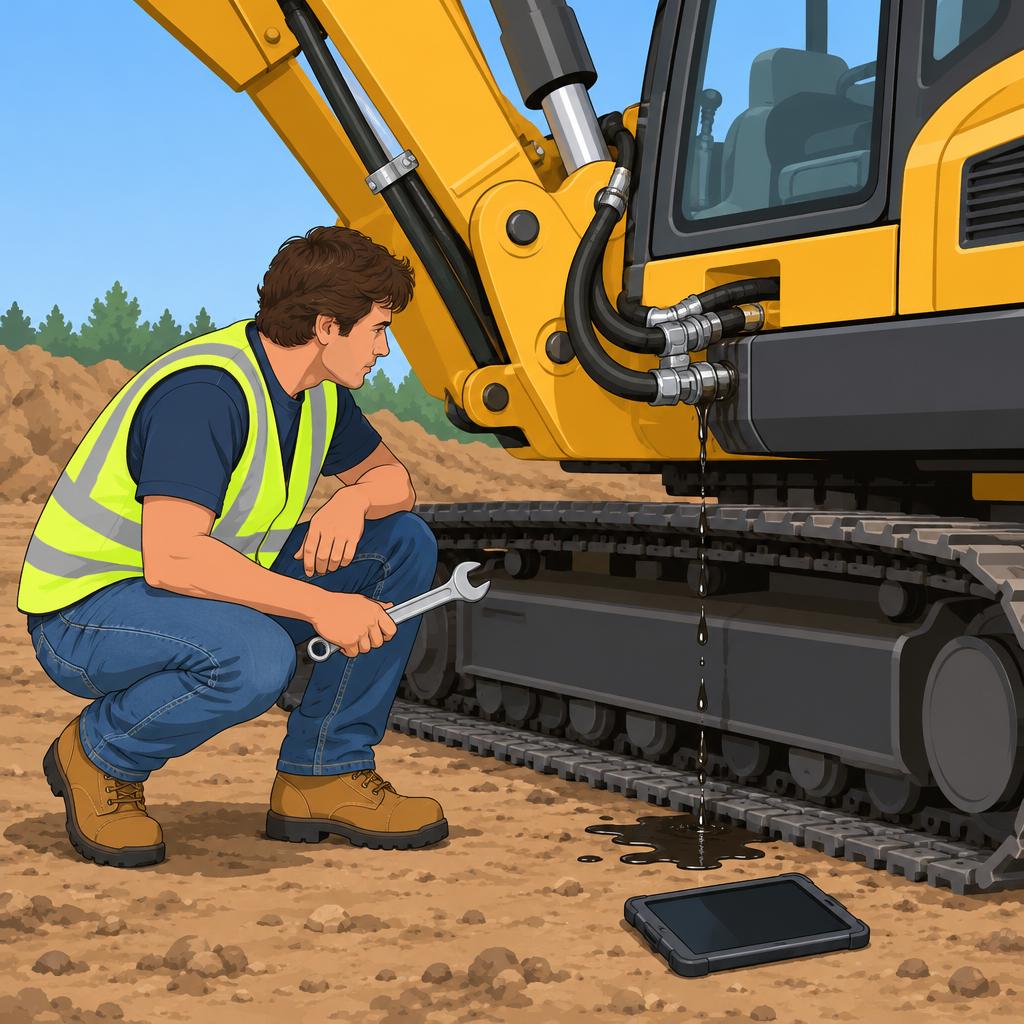
- Unexpected breakdowns and malfunctions can create significant downtime for heavy equipment operators.
- Consequently, downtime reduces productivity and increases repair costs and lost work time.
- Operators need troubleshooting skills to resolve common issues and complete minor job site repairs.
Routine Inspections and Timely Repairs
- Routine inspections help operators identify potential problems before those problems escalate.
- Preventive maintenance extends equipment life and reduces the risk of costly repairs.
- Therefore, operators should schedule regular checkups and repairs for safe, efficient machinery operation.
Effective equipment maintenance requires diligence, skill, and close attention to detail.
By staying proactive, operators can keep machinery running smoothly and safely on the job site.
Gain More Insights: Understanding OSHA Regulations for Equipment Operators
Communication issues challenge heavy equipment operators.
Effective communication supports safety and efficiency on the job.
Noisy Work Environments
Noise from heavy equipment can make workplace communication difficult.
Operators may struggle to hear instructions or warnings from colleagues.
Equipment noise can also interfere with radio communication.
- Working in noisy environments can hinder communication.
- Operators may struggle to hear instructions or warnings from colleagues.
- Equipment noise can make radio communication difficult.
Clear Communication Requirements
Operators need clear communication with their team members.
They must convey important information quickly and accurately.
Misunderstandings can cause accidents and delays.
Transform Your Career Today
Unlock a personalized career strategy that drives real results. Get tailored advice and a roadmap designed just for you.
Start Now- Operators need clear and effective communication with team members.
- They must convey important information quickly and accurately.
- Misunderstandings or poor communication can lead to accidents and delays.
Hand Signals for Site Communication
Hand signals provide an important communication method on construction sites.
Operators use them when noise or limited visibility prevents verbal communication.
All team members should understand and use these signals effectively.
- Hand signals are essential for communication on construction sites.
- Operators rely on signals when noise prevents verbal communication.
- All team members should understand and use hand signals effectively.
Equipment Signals and Alerts
Many heavy equipment machines include signaling devices.
Operators need to understand how these signals work.
Signal lights and alarms alert others to operator actions.
- Many heavy equipment machines include signaling devices.
- Operators need to understand how these signals work.
- Signal lights and alarms alert others to operator actions.
Clear communication, hand signals, and equipment alerts help operators support safer, more efficient work.
Uncover the Details: Mining Equipment Maintenance and Care Tips
Stress and Fatigue Among Heavy Equipment Operators
Stress and fatigue affect heavy equipment operators in this demanding industry.
Tight deadlines and high-pressure situations can strain their physical and mental well-being.
Operators can manage these challenges by resting regularly and practicing self-care.
Pressure from Demanding Work Schedules
Construction sites often require operators to complete tasks quickly and efficiently.
Because time matters, deadlines can create intense pressure during demanding assignments.
This pressure can affect both physical and mental well-being.
Physical and Mental Fatigue
Operating heavy equipment requires long hours of concentration and focus.
Continuous machinery operation can drain operators physically and mentally.
Remaining alert throughout each shift can increase fatigue and exhaustion.
Benefits of Regular Breaks
Regular breaks give operators time to rest and recharge during the workday.
Short pauses can help prevent burnout while supporting focus and productivity.
Operators should also get adequate sleep each night to reduce fatigue.
Self-Care Practices for Operators
Self-care helps operators protect their physical and mental well-being.
Exercise, meditation, and outside hobbies can help reduce stress.
A balanced diet and sufficient hydration can support optimal job performance.
Recognizing these challenges helps operators make informed choices about rest and recovery.
Prioritizing well-being helps operators perform at their best.
Delve into the Subject: Common Drywall Installation Mistakes to Avoid
Environmental Factors
Working outdoors exposes heavy equipment operators to environmental challenges that affect their health and safety.
These challenges include extreme temperatures, airborne pollutants, and hazards requiring protective equipment.
Operators can reduce risks by following safety procedures and using suitable protective gear.
- Working outdoors exposes operators to extreme temperatures
- Dust, fumes, and other pollutants can affect health
- Proper protective gear helps operators manage workplace hazards
Working Outdoors in Extreme Temperatures
Operators work in weather ranging from scorching heat to freezing cold.
Extreme temperatures can cause discomfort and serious health risks.
Therefore, operators should stay hydrated, take breaks, and wear clothing suited to conditions.
Health Effects of Dust and Fumes
Dust, fumes, and other pollutants frequently surround heavy equipment operators at work.
Breathing these substances can cause respiratory issues, allergies, and other health problems.
Accordingly, operators should use respiratory protection and monitor air quality regularly.
Importance of Proper Protective Gear
Proper protective gear helps heavy equipment operators manage hazards during equipment operation.
Hard hats and safety goggles help guard against falling objects and flying debris.
Gloves and hearing protection address additional risks associated with heavy equipment.
Operators should inspect protective gear regularly to ensure it remains effective.
Training and safety protocols help operators respond to changing environmental conditions.
Transform Your Career Today
Unlock a personalized career strategy that drives real results. Get tailored advice and a roadmap designed just for you.
Start NowBy taking these precautions, operators can protect their health and work more safely.
Visibility and Maneuvering Challenges
Visibility issues challenge operators of large equipment.
Large machinery can obstruct their view and create potential hazards.
Additionally, tight work areas restrict maneuvering and complicate navigation.
Operators also face communication barriers across busy job sites.
Clear communication supports safe and efficient equipment operation.
Operator Readiness and Equipment Performance
Long operating hours can reduce concentration and affect decision-making.
Mechanical breakdowns and malfunctions require operators to respond quickly.
Therefore, training helps operators handle unexpected equipment problems effectively.
Organizations should address these challenges to support safer operations.
Heavy equipment operators deserve recognition for their demanding work across various industries.


