




Evaluating Masonry Project Options
Masonry projects use bricks, stones, and concrete to create walls, patios, and fireplaces.
Homeowners must decide whether to complete these projects themselves or hire a professional.
Budget, available time, skill level, and project requirements should guide this decision.
Practical Factors for Masonry Decisions
Cost affects the choice between do-it-yourself work and professional masonry services.
DIY projects can reduce labor costs, although materials may remain expensive.
However, professional services may prevent costly mistakes despite higher upfront expenses.
Time also influences how homeowners approach masonry projects.
DIY work requires planning, material purchasing, and construction time.
Meanwhile, experienced professionals can complete projects more efficiently.
Skill and precision remain essential for successful masonry work.
People without masonry experience may struggle to complete the work correctly.
Therefore, hiring a professional can provide more reliable results.
Safety requires careful attention because masonry projects involve heavy materials and tools.
Professionals receive training to manage these risks on the job site.
That training can support safer project execution.
Quality depends on accurate construction and skilled workmanship.
Professional masons use their expertise to deliver high-quality results.
DIY projects may not provide the same level of craftsmanship.
Some masonry projects also require permits before construction begins.
Professionals understand local regulations and can obtain necessary permits.
Following permit requirements helps support proper project planning.
Longevity provides another important consideration for masonry projects.
Properly executed masonry structures can last for decades.
Professional workmanship increases the likelihood of durable, long-lasting construction.
Choosing an Appropriate Masonry Approach
Your budget, schedule, and experience should shape your masonry project decision.
Consider the project’s complexity and requirements before selecting an approach.
Careful evaluation can help you choose between DIY work and professional assistance.
Cost Comparison
- DIY masonry costs. DIY projects require you to purchase materials, tools, and safety equipment.
These expenses include bricks, mortar, trowels, levels, and possible equipment rentals.
You may also need to rent a mixer or scaffolding for the project. - Professional masonry costs. Hiring a professional mason usually costs more initially.
You pay for the mason’s expertise, labor, and overhead expenses.
However, professionals already own the necessary tools and equipment, which may reduce your costs. - Long-term financial considerations. DIY work may appear less expensive at first.
However, mistakes can create additional repair costs later.
A professional mason can complete the work correctly, potentially reducing future repair expenses.
Masonry Skill Requirements
Masonry projects require different skill levels depending on their complexity.
Basic DIY abilities may suffice for a small wall or simple patio.
However, fireplaces and intricate stonework demand greater expertise.
Assessing Personal Readiness
Begin by examining the project’s specific requirements before choosing between DIY work and professional assistance.
Consider your experience with bricks, stones, concrete, and similar masonry materials.
Also, determine whether you have completed comparable projects successfully.
Next, evaluate the project’s size, required tools, available time, and necessary training.
If the work exceeds your abilities or comfort level, consult a professional mason.
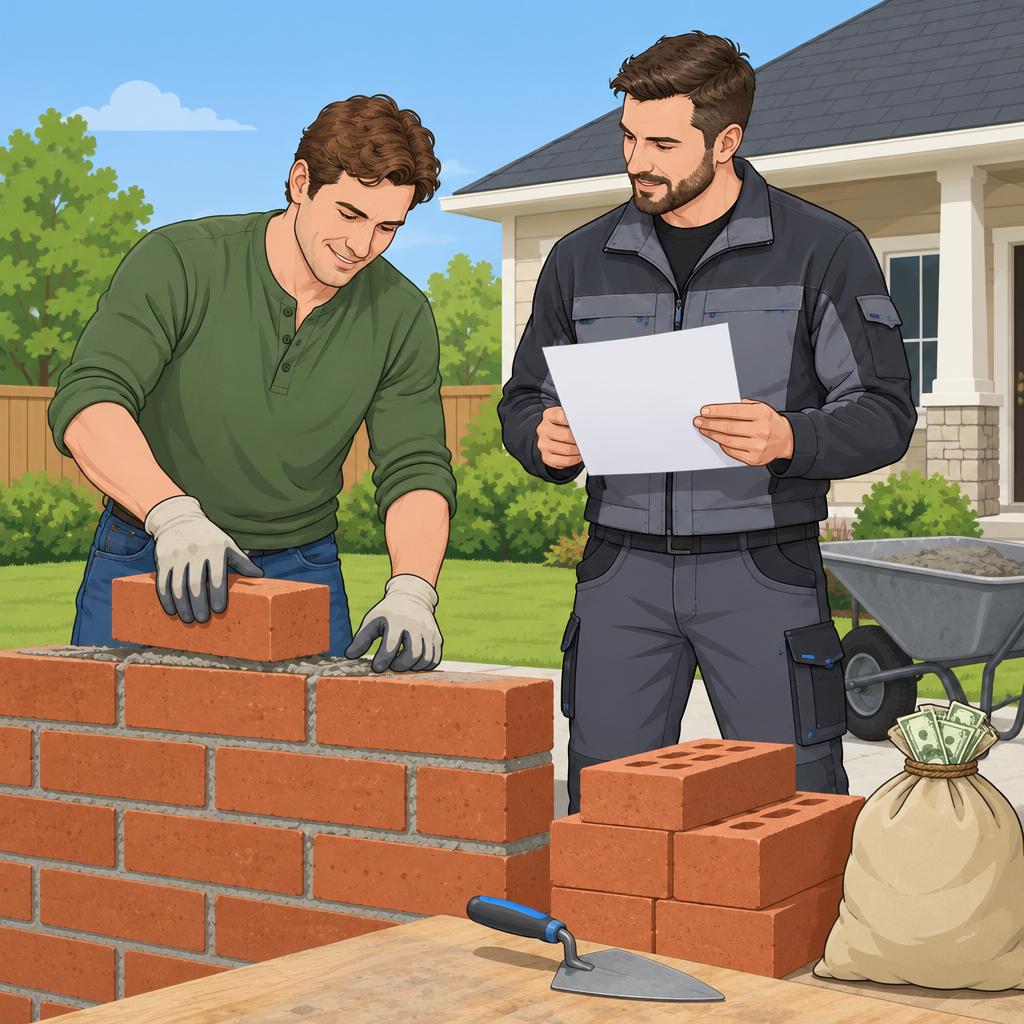
Benefits of Professional Masonry Experience
Professional masons bring practical expertise and experience to complex construction challenges.
They understand how to manage different materials and respond to unexpected problems.
Additionally, experienced masons can advise you about design, materials, and ongoing maintenance.
Their guidance supports a high-quality result and reduces the difficulties beginners often face.
Furthermore, professionals can complete demanding masonry work efficiently and with less disruption.
Transform Your Career Today
Unlock a personalized career strategy that drives real results. Get tailored advice and a roadmap designed just for you.
Start NowDiscover More: Key Challenges in Construction Management
Time and Effort
Masonry projects demand careful attention to time and effort, whether you work independently or hire a professional.
Therefore, compare planning needs, physical demands, and available assistance before choosing an approach.
This comparison helps align the project with your preferences, abilities, and resources.
DIY Masonry Project Time Commitments
- DIY masonry projects often require substantial time for planning, preparation, and construction.
- Before starting, individuals research techniques, gather materials, and learn proper procedures.
- Additionally, inexperienced workers may spend extra time correcting mistakes or addressing unexpected challenges.
- Working alone can extend the construction schedule, especially when tasks require multiple steps.
Physical Demands of DIY Masonry
- DIY masonry work requires lifting materials, mixing mortar, and placing bricks or stones.
- Workers also bend, lift, and stand for extended periods during construction.
- Consequently, strenuous tasks can cause fatigue when people do not pace themselves.
- Proper precautions help reduce the risk of injury during physically demanding work.
Professional Masonry Efficiency
- Professional masons use experience and specialized knowledge to complete work efficiently.
- Moreover, their skills can shorten the schedule compared with inexperienced efforts.
- They also use specialized tools and equipment to streamline construction tasks.
- Hiring a professional reduces manual effort while supporting efficient, high-quality results.
Your decision depends on your preferences, abilities, available resources, and project requirements.
A DIY approach can provide personal satisfaction, but it demands substantial time and physical labor.
By comparison, a professional can finish the project faster and reduce the burden of manual work.
Consider your priorities and capabilities carefully before beginning to support a successful outcome.
Explore Further: Health and Safety Training for Construction Workers
Tools and Equipment for Masonry Projects
You need the right tools to complete a masonry project successfully.
These tools support simple repairs and full-scale construction.
They help workers handle masonry materials and complete tasks efficiently.
- Masonry trowel
- Brick hammer
- Chisel
- Masonry saw
- Mortar mixers
- Masonry brush
- Wheelbarrow
Together, these tools support different stages of masonry work.
Cost Analysis of Purchasing or Renting Tools
When you choose between DIY work and professional help, tool costs deserve careful consideration.
Purchasing equipment can become expensive, particularly when specialized tools are necessary.
Renting equipment may reduce costs when a DIY project requires tools briefly.
Specialized Equipment and Knowledge Possessed by Professional Masons
Professional masons often access specialized equipment that renters or buyers may not readily find.
They also understand how to use these tools effectively.
For example, they can operate heavy-duty mortar mixers and masonry saws safely and efficiently.
These machines require skill and experience.
Furthermore, professional masons understand various masonry techniques and materials.
This knowledge helps them produce durable, high-quality results.
They can assess existing structures and determine appropriate repairs or construction methods.
Then, they execute the work with precision and accuracy.
DIY enthusiasts may handle minor repairs and small projects.
However, retaining walls and brick patios may require professional expertise.
Hiring a professional provides access to suitable tools, equipment, and masonry knowledge.
Discover More: How to Get Promoted as an Assembler
Safety Considerations
Masonry projects require careful planning to protect everyone involved.
Heavy materials, power tools, and elevated work areas can create serious hazards.
Therefore, proper precautions support a safer and more successful project.
Importance of Safety Precautions
Workers handle heavy bricks and stones during many masonry projects.
They must use proper techniques to move and position these materials safely.
Additionally, elevated work areas increase the possibility of falls and other accidents.
- Improperly handled bricks and stones can cause serious injuries.
- Power tools and equipment require proper safety measures during use.
- Work at heights increases the risk of falls and related accidents.
Risks of Untrained DIY Masonry Work
DIY masonry work may appeal to homeowners who want to save money.
However, inexperienced workers may mishandle materials or use tools incorrectly.
Consequently, mistakes can threaten both the project and the people nearby.
- DIY projects can become dangerous without appropriate knowledge and experience.
- Untrained workers may not understand safe material-handling techniques.
- Construction mistakes can compromise the project’s structural integrity.
Advantages of Professional Masonry Services
Professional masons bring training and experience to masonry projects.
They handle materials and tools safely while following appropriate work practices.
As a result, professional assistance can provide a safer and more secure outcome.
Transform Your Career Today
Unlock a personalized career strategy that drives real results. Get tailored advice and a roadmap designed just for you.
Start Now- Professionals complete masonry work with strong safety standards.
- Experienced masons handle materials and tools efficiently.
- Professional support reduces risks associated with untrained DIY work.
Learn More: Surveying Software: Top Programs Used by Professionals
Quality of Work
Quality craftsmanship strongly influences masonry durability and appearance.
Therefore, property owners should consider workmanship before choosing an approach.
Professional skill can help masonry projects withstand weather and continued use.
The Importance of Quality Craftsmanship
Careful craftsmanship supports the structural integrity of masonry projects.
Moreover, poor workmanship can cause cracks, leaks, and other structural problems.
Quality work helps projects endure changing weather conditions over time.
- Quality craftsmanship supports the project’s structural integrity.
- Poor workmanship can cause cracks, leaks, and other structural problems.
- Quality work helps projects withstand various weather conditions.
Amateur and Professional Masonry Work
Amateur work often reflects limited experience and training.
In contrast, professional masons use their expertise to produce consistent results.
They also understand how to handle different materials and construction techniques.
- Amateur work often reflects limited experience and training.
- Professional masons apply specialized expertise and practical skills.
- Professionals understand different masonry materials and techniques.
The Value of Hiring a Skilled Mason
A skilled mason can complete the project correctly from the beginning.
Additionally, professional attention to detail creates a more attractive finished result.
A skilled mason can also advise you about design, materials, and project execution.
- A skilled mason can complete the project correctly from the beginning.
- Professional attention to detail creates a visually pleasing result.
- Experienced masons can advise you about design, materials, and execution.
Although amateur work may seem less expensive initially, later repairs can increase its total cost.
Consequently, professional masonry work can provide durable and attractive results.
That quality can help the finished project stand the test of time.
Making an Informed Masonry Project Decision
DIY masonry projects can be cost-effective and rewarding.
They offer creative freedom and a sense of accomplishment.
However, complex or time-sensitive projects may require professional help.
Professional assistance supports quality workmanship while saving time and effort.
Therefore, weigh the advantages and disadvantages before choosing an approach.
Consider your skill level, available time, and budget before starting a project.


