




Health and Safety Training for Construction Workers
Health and safety training helps construction workers maintain a safer work environment.
Proper training can prevent accidents and injuries by teaching workers about hazards and prevention methods.
This section covers PPE, hazard reporting, and emergency response protocols.
By following these protocols, construction workers can minimize risks and support workplace safety.
Overview of the Construction Industry
- High risks and hazards in the construction industry:
- Construction work involves heavy machinery, heights, and hazardous materials.
- Workers face risks such as falls, electric shocks, and other accidents.
- Importance of establishing a culture of safety:
- A safety culture reduces the likelihood of accidents.
- Workers need proper training and must follow safety protocols.
- Statistics on workplace injuries and fatalities:
- According to OSHA, construction workers experience high injury rates.
- OSHA reports thousands of construction fatalities annually.
The construction industry involves significant risks and hazards each day.
Construction work involves heavy machinery, working at heights, and exposure to hazardous materials.
As a result, workers face falls, electric shocks, and various accidents.
Therefore, construction companies must prioritize safety and establish a strong safety culture.
A safety culture helps companies protect workers and prevent accidents.
In addition, companies can reduce workplace injuries and fatalities by maintaining safe work environments.
Although training supports safety, workers must also follow established protocols consistently.
Workplace injury and fatality statistics highlight the need for stronger safety measures.
According to the Occupational Safety and Health Administration, construction workers experience high injury rates.
Furthermore, OSHA reports thousands of fatalities in the construction sector each year.
Consequently, construction companies must prioritize safety compliance and effective workplace protections.
Legal Requirements for Health and Safety Training
Construction sites expose workers to hazards that require clear legal protections.
OSHA establishes construction safety rules to reduce workplace accidents and injuries.
Employers must follow these rules while preparing workers for site-specific risks.
OSHA Regulations for Construction Sites
OSHA requires construction sites to follow strict safety standards.
Employers must provide safe workplaces and train workers in required safety procedures.
Furthermore, OSHA conducts inspections to check whether companies follow these regulations.
- OSHA requires construction sites to follow strict safety standards.
- Construction employers must provide safe work environments.
- Employers must train workers in safety procedures.
- OSHA conducts regular inspections to assess compliance.
- Violations can result in severe penalties and fines.
OSHA Training Requirements for Construction Workers
OSHA requires workers to receive training about potential workplace hazards.
This training helps workers understand safe practices before they perform assigned tasks.
Employers must ensure that workers understand their responsibilities and demonstrate competence.
- Training must address fall protection.
- Workers must learn electrical safety practices.
- Training must explain proper equipment usage.
- Workers must learn emergency procedures for accidents and injuries.
- Employers must provide adequate training and verify worker competence.
Consequences of Safety Regulation Violations
When companies neglect safety requirements, workers face greater risks of serious injuries.
Untrained workers may struggle to recognize hazards or respond effectively during emergencies.
In addition, companies may face legal action, financial penalties, or site shutdowns.
- Noncompliance can cause serious injuries or fatalities.
- Insufficient training increases accident risks.
- Violations can lead to legal action and lawsuits.
- OSHA violations can produce fines and other penalties.
- Authorities may shut down noncompliant construction sites.
Health and safety training fulfills legal obligations for construction employers.
It also supports safer workplaces by helping workers respond to hazards and emergencies.
By following OSHA requirements, companies can reduce preventable accidents and protect their workers.
Explore Further: How to Get Promoted as an Assembler
Common Construction Site Hazards
Construction sites contain hazards that can cause serious injuries or fatalities.
Workers may fall from ladders, scaffolding, or roofs without proper precautions.
Exposed wiring and faulty equipment can cause electrical shocks or electrocution.
Workers may also encounter asbestos, lead, and harmful fumes.
These substances can cause respiratory problems, skin conditions, or long-term health effects.
Training Practices That Improve Construction Safety
Health and safety training gives construction workers practical knowledge for recognizing and controlling workplace hazards.
Workers learn to follow safety procedures and use protective equipment correctly.
Training also encourages workers to report unsafe conditions and prevent incidents.
Employers can create safer sites by investing in comprehensive training programs.
Transform Your Career Today
Unlock a personalized career strategy that drives real results. Get tailored advice and a roadmap designed just for you.
Start NowAccidents Linked to Inadequate Training
Without adequate instruction, workers may overlook hazards and make dangerous decisions.
Those mistakes can produce serious injuries and lasting health problems.
Past accidents demonstrate why employers must reinforce safe practices before work begins.
- A worker may fall from an unsecured ladder while working at height.
- An electrician may suffer electrocution after handling wiring improperly.
- A laborer may inhale toxic fumes without wearing a respirator.
- A worker may develop health problems after long-term asbestos exposure.
These examples show how inadequate preparation can expose workers to unnecessary harm.
Consistent training helps workers identify risks and respond before accidents occur.
Learn More: Surveying Software: Top Programs Used by Professionals
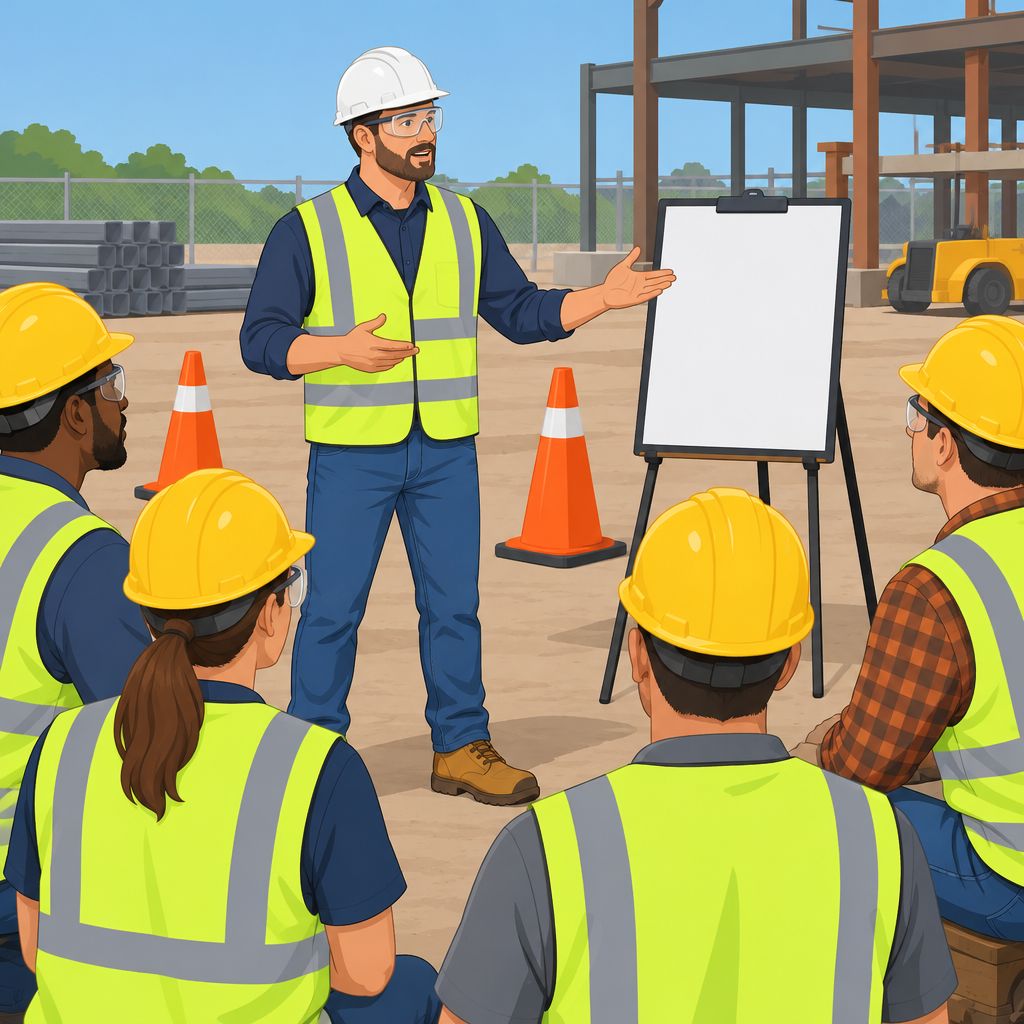
Importance of Personal Protective Equipment
Personal protective equipment helps construction workers manage hazards on worksites.
It creates a barrier against potential dangers and reduces the risk of injuries and accidents.
- PPE protects workers from falling objects, electrical hazards, and harmful substances.
- Common equipment includes hard hats, safety goggles, earplugs, gloves, and high-visibility vests.
- Additionally, proper training teaches workers how to use PPE correctly.
- Training also explains how workers should wear, adjust, and maintain their protective equipment.
- Regular inspections confirm that PPE remains effective and meets safety standards.
By emphasizing PPE and training, construction companies can create safer working environments.
These measures can also reduce workplace accidents and injuries.
You Might Also Like: Building a Career in Construction Management
Importance of Emergency Response Training
Construction workers can save lives by responding quickly and effectively during accidents or injuries.
Proper training helps workers react appropriately and reduce further harm during emergencies.
Additionally, prepared workers can limit property damage, costly delays, and workplace risks.
- Quick responses can save lives after accidents or injuries occur.
- Training helps workers protect themselves and their colleagues during emergencies.
- Effective preparation can prevent property damage and costly construction delays.
- Emergency readiness supports a safer work environment across construction sites.
Emergency Response Protocols
First, workers should assess the situation and protect everyone from immediate danger.
Next, they should contact emergency services when severe injuries or structural collapses require professional assistance.
Meanwhile, trained workers can provide first aid while professional responders travel to the site.
- Assess the situation and ensure everyone’s immediate safety.
- Contact emergency services when severe injuries or structural collapses occur.
- Provide first aid if you have appropriate training.
- Secure the area with barricades or warning signs.
- Document the incident and report it to appropriate authorities.
Examples of Effective Emergency Responses
Emergency response training helps workers act decisively when unexpected incidents threaten site safety.
For example, workers can evacuate quickly when training prepares them for construction site fires.
Similarly, trained coworkers can provide immediate assistance during falls, storms, or medical emergencies.
- Workers evacuated quickly when a fire broke out at a construction site.
- A trained coworker provided immediate first aid after a worker fell from height.
- Workers sought shelter and secured equipment during a sudden storm.
- Trained workers administered CPR and stabilized an individual until paramedics arrived.
Therefore, emergency response training strengthens construction site preparedness.
Workers can mitigate risks by following established protocols and remaining prepared.
This preparation helps protect everyone in a high-risk construction environment.
See Related Content: Customer Satisfaction Tips for Professional Movers
Benefits of Health and Safety Training
Health and safety training supports successful construction projects.
It helps companies protect employees while maintaining efficient project operations.
Training can improve productivity, control insurance costs, and strengthen employee morale.
Improved Productivity
Proper training helps construction workers follow health and safety protocols.
These protocols help prevent workplace accidents and injuries.
Fewer injuries reduce downtime and help companies keep projects on schedule.
Reduced Insurance Costs
Companies that invest in training often experience lower insurance premiums.
Training teaches workers to identify and address potential workplace hazards.
Effective hazard control reduces accident risks and can lower company insurance costs.
Boosted Employee Morale
Employees feel more confident when companies provide safe and supportive workplaces.
Health and safety training shows that companies value worker well-being.
This support can increase job satisfaction and improve overall employee performance.
Results from Construction Company Training Programs
Construction companies have reported positive results after implementing health and safety training programs.
XYZ Construction Company reported a 20% reduction in workplace accidents after introducing comprehensive employee training.
ABC Builders reported improved employee morale and retention after introducing regular safety training sessions.
Building a Strong Construction Safety Culture
Health and safety training for construction workers creates a safer work environment.
Transform Your Career Today
Unlock a personalized career strategy that drives real results. Get tailored advice and a roadmap designed just for you.
Start NowIt gives workers the knowledge and skills needed to protect themselves and others from potential site hazards.
Additionally, employers must provide adequate training and foster a safety culture within their organizations.
By investing in training programs and resources, employers can minimize accidents and injuries.
Consequently, organizations can save lives and reduce costs associated with workplace incidents.
Construction companies must make health and safety a top priority for their workforce.
By implementing comprehensive training programs, companies can establish a culture of safety.
Moreover, regular risk assessments and enforced safety protocols can support this workplace safety culture.
This culture benefits employees and the organization as a whole.


