




Introduction
Magazine design has evolved significantly over the past few decades.
Initially, print dominated the scene with rich visuals and tactile experiences.
Later, the internet introduced digital magazines and expanded creative possibilities.
Today, both formats offer unique opportunities and challenges for designers.
Designers must understand the differences between print and digital formats.
Each medium requires distinct design principles and audience engagement tactics.
Print creates a physical experience for readers.
Digital formats support dynamic interaction with content.
This comparison explores the strengths and weaknesses of both formats.
It also helps designers make informed decisions about magazine production.
Print Design’s Lasting Value
Print magazines provide a tactile experience that digital formats cannot replicate.
Readers can feel the paper’s texture and assess the print quality.
This physical interaction strengthens readers’ emotional connections with the content.
Additionally, print follows established design conventions.
These conventions include specific layouts, typefaces, and color schemes.
Designers maintain stronger control over these elements in print.
Digital Design’s Interactive Reach
Digital magazines provide interactivity and versatility.
Readers can click through articles and view videos.
They can also engage with multimedia experiences.
This additional engagement can significantly strengthen the storytelling process.
Moreover, digital design supports real-time updates and global distribution.
Designers can optimize content for various devices and screen sizes.
Therefore, this adaptability helps magazines reach diverse audiences.
It can also improve audience engagement across different platforms.
Choosing a Magazine Format
Both print and digital magazines offer distinct strengths and weaknesses.
Designers should weigh these factors before choosing a format.
The target audience often influences this decision.
Content type also affects which format suits a magazine best.
Ultimately, designers should match the medium with their communication goals.
Early Beginnings of Print Magazines: Highlights and Key Milestones
Magazine design history reaches back to the seventeenth century.
European periodicals emerged especially in Germany and France.
Around the 1660s, “Erlanger” and “The Gentleman’s Magazine” helped establish this new media format.
Early magazines informed the public about current events and provided entertainment.
During the eighteenth century, magazines diversified their content.
They covered politics, literature, and culture.
The launch of “The Parisian Magazine” in 1736 reflected this broader direction.
As a result, more readers sought deeper insights into various subjects.
During the nineteenth century, magazines introduced significant design innovations.
They incorporated illustrations, which quickly became essential features.
Artists such as Gustave Dore transformed visual storytelling within magazine pages.
Transform Your Career Today
Unlock a personalized career strategy that drives real results. Get tailored advice and a roadmap designed just for you.
Start NowMeanwhile, “Harper’s Weekly” emerged as a popular magazine in the United States.
- 1821: “The United States Magazine and Democratic Review” shifted magazine purposes.
- 1843: “The Illustrated London News” introduced color illustrations and bold layouts.
- 1890s: Sensationalism encouraged magazines such as “Life” and “Pearson’s” to emerge.
Transition to Digital Formats: Rise of Online Publications and E-Magazines
The internet’s late twentieth-century rise transformed magazine design dramatically.
Print publications faced new competition as digital formats emerged quickly.
Online magazines created new opportunities while challenging traditional publishers.
As technology advanced, e-magazines began offering dynamic content.
Interactive videos and audio gave readers more immersive experiences.
Consequently, magazines adopted multimedia elements that print could not provide.
- 1993: “HotWired” became one of the first online magazines.
- 2000: Downloadable PDF magazines provided a digital alternative to print.
- 2010: “Time” and “Wired” launched interactive applications that increased digital engagement.
Impact of Technological Advancements on Magazine Design
Technology has reshaped magazine design in several important ways.
Desktop publishing changed how designers worked during the 1980s.
Adobe InDesign and Photoshop empowered designers to create sophisticated layouts.
Later, web technologies continued this transformation.
HTML and CSS helped designers build visually engaging websites.
These technologies also enabled layouts that adapted to different screen sizes.
Social media platforms changed how magazines distribute and present content.
Instant sharing expands reach and attracts more diverse audiences.
Magazines now use Instagram and Twitter to strengthen visual storytelling.
- Rapid prototyping: Figma enables designers to test and revise layouts quickly.
- Data analytics: Magazines monitor reader engagement and adjust content accordingly.
- Augmented reality: Magazines add interactive experiences through AR elements.
This evolution continues as technology progresses.
Therefore, magazine designers must adapt to new tools and trends.
They face pressure to create content that engages digital audiences.
Despite digital growth, print magazines still retain value.
Many readers prefer the tactile experience of turning physical pages.
Print design often prioritizes aesthetics and blends art with editorial content.
Ultimately, magazine design reflects a remarkable history of continual change.
Innovation has guided the transition from early print formats to sophisticated e-magazines.
Today, print and digital magazines coexist and serve different reader preferences.
Key Elements of Print Magazine Layout
Print magazine design combines several elements to create an attractive reading experience.
The layout forms the foundation for presenting a magazine’s intended message.
Typography, imagery, and page structure work together to organize content effectively.
- Typography: Font choices establish mood, tone, readability, and visual appeal.
- Imagery: Photographs, illustrations, and graphics strengthen storytelling and capture reader interest.
- Page Structure: Grids, margins, and columns create balance and guide readers smoothly.
Importance of Tactile Elements
Physical qualities contribute significantly to a print magazine’s appeal.
Readers often value tangible products that provide a distinctive experience.
Paper, finishes, and binding influence how readers perceive and use magazines.
- Paper Quality: High-quality stock conveys professionalism, luxury, durability, and substance.
- Finish: Matte surfaces create subtle aesthetics, while glossy surfaces strengthen color vibrancy.
- Binding: Staples create an informal feel, while perfect binding offers polished presentation.
Role of Color Theory
Color theory influences both the appearance and emotional impact of magazine design.
Designers must understand how colors interact and communicate meaning.
Careful color choices can support brand identity and improve visual organization.
- Color Wheel: A color wheel helps designers select harmonious primary, secondary, and tertiary color schemes.
- Color Psychology: Blue can suggest trust, while red can evoke excitement.
- Visual Hierarchy: Contrasting colors direct attention toward important features and improve comprehension.
Integrating Print Elements for Cohesion
Designers create cohesion by combining typography, imagery, structure, and color consistently.
Consistent choices help every page support the magazine’s visual identity.
Clear organization also helps readers follow the publication’s narrative flow.
- Consistent Typography: A limited font selection maintains a unified voice and visual identity.
- Layered Imagery: Seamlessly blending text and images creates dynamic storytelling.
- Defined Sections: Headers and subheaders guide readers through the magazine’s content.
Adapting Design for Different Audiences
Designers must understand their target audience before selecting visual approaches.
Different demographics respond to varying colors, images, typography, and layouts.
Audience awareness helps publications create stronger connections with their readers.
Transform Your Career Today
Unlock a personalized career strategy that drives real results. Get tailored advice and a roadmap designed just for you.
Start Now- Aesthetic Preferences: Fashion magazines may use vibrant colors, while academic journals may prefer muted tones.
- Content Relevance: Imagery and typography should reflect the publication’s subject matter.
- Reader Engagement: Captivating layouts encourage exploration and connection with the content.
Balancing Functionality with Creativity
Successful print magazine design balances practical function with creative expression.
Designers need engaging visuals that also support navigation and readability.
Creative decisions should remain consistent with the magazine’s brand identity.
- Navigation: Visual cues, arrows, and icons can guide readers through different sections.
- Readability: Clear fonts, adequate spacing, and uncluttered pages improve the reading experience.
- Creativity: Unique designs can distinguish one publication from others in a competitive market.
Print Design Principles for Lasting Impact
Multiple design elements work together to create a captivating print magazine.
Typography, imagery, page structure, and tactile details establish a strong foundation.
Color theory and visual hierarchy further improve both appearance and functionality.
A thoughtful balance between creativity and practicality creates an engaging reading experience.
These principles remain important as print publishing continues to develop.
You Might Also Like: Understanding PPC Advertising for Beginners
Digital magazines now offer design opportunities that traditional print cannot match.
Therefore, designers must adopt features that encourage active reading and stronger engagement.
This section examines digital features, screen-based principles, user experience, content strategy, and community building.
Digital Design Features
Digital magazines can extend beyond the limitations of printed pages.
Interactive tools help readers explore content instead of simply viewing static pages.
Meanwhile, multimedia and responsive layouts support richer experiences across different devices.
- Interactivity: Readers can click through articles, join polls, and follow embedded links.
- Animations: Motion graphics can bring static images to life and strengthen storytelling.
- Multimedia: Audio and video can enrich interviews, tutorials, and visual storytelling.
- Responsive design: Flexible layouts adjust content for screens of different sizes.
- Hyperlinking: Links give readers immediate access to additional resources and social media pages.
Adapting Traditional Design Principles for Screens
Digital design still depends on established principles that organize information clearly.
However, designers must adjust those principles for screens and changing display sizes.
Consistent structure, readable text, and thoughtful spacing help readers focus on each page.
- Visual hierarchy: Font sizes, colors, and layouts can emphasize important content.
- Consistent branding: Logos, colors, and typography should reinforce brand recognition.
- White space usage: Open space can improve readability and reduce visual clutter.
- Color theory: Thoughtful color choices can influence moods and user behavior.
- Typography: Readable fonts, suitable sizes, and flexible spacing support different screens.
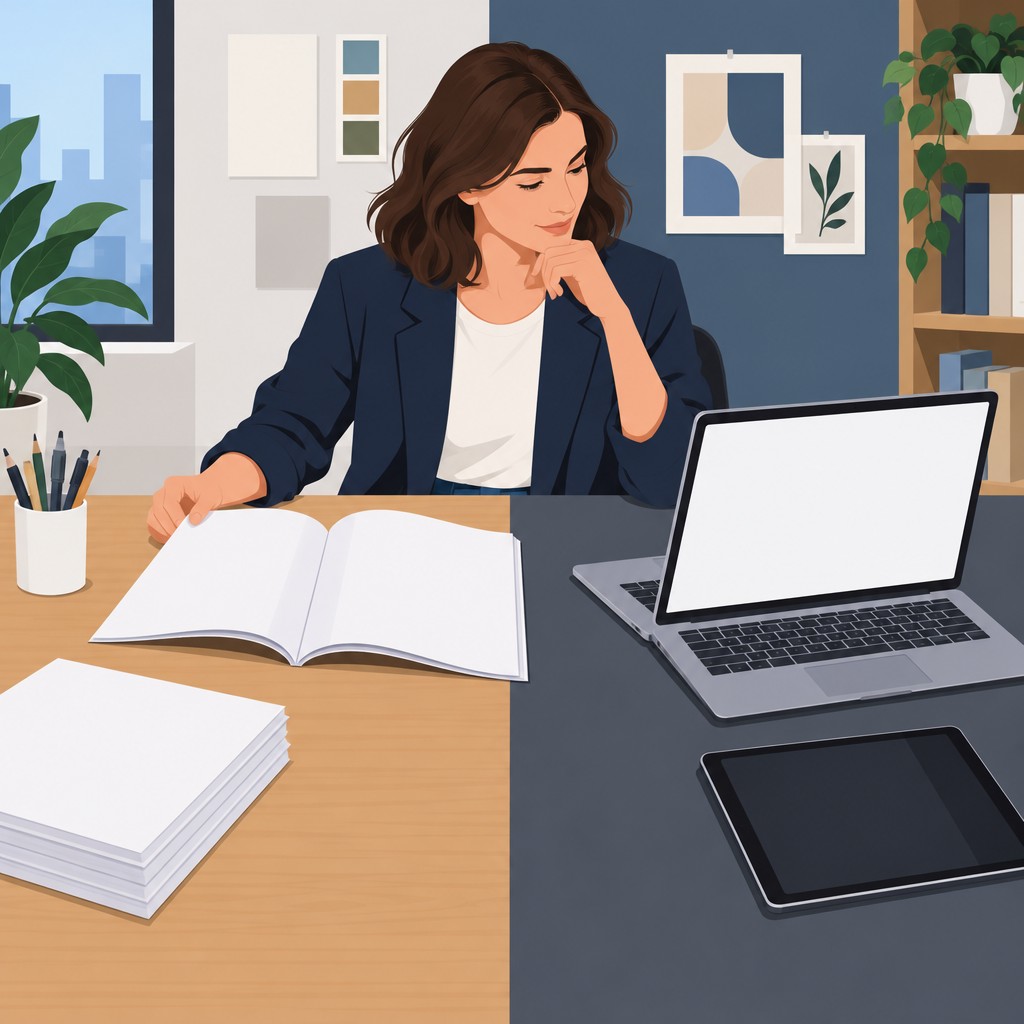
User Experience and Interface Considerations
A successful digital magazine responds directly to readers’ needs.
Clear interfaces help users find content, complete actions, and continue exploring.
Additionally, performance and accessibility support a more inclusive reading experience.
- Intuitive navigation: Clear menus and logical page flows guide readers through content.
- Loading speed: Optimized images and files can reduce delays and frustration.
- Touchscreen compatibility: Buttons and interactive elements should remain easy to tap.
- Accessibility features: Image descriptions and strong contrast can improve readability.
- Feedback mechanisms: Comments and article ratings can encourage community participation.
Content Strategy for Digital Magazines
Strong design cannot replace content that captures and retains reader interest.
For that reason, editorial planning should support both audience needs and visual presentation.
Data and regular updates can also guide improvements to future content.
- Compelling headlines: Concise, relevant headlines can attract readers’ attention.
- Segmented content: Organized content can address different reader interests.
- Visual storytelling: Images, videos, and infographics can strengthen understanding and retention.
- Regular updates: Fresh articles and features can encourage readers to return.
- Data analytics: Engagement metrics can reveal reader behavior and inform future strategies.
Community Building Through Digital Magazines
Digital magazines can create spaces where readers connect around shared content.
Interactive features invite readers to respond, share opinions, and participate directly.
Furthermore, direct communication can strengthen relationships between publications and their audiences.
- Comment sections: Reader comments can encourage dialogue around published content.
- Social media integration: Sharing options can help readers distribute articles through social networks.
- Email newsletters: Regular messages can provide updates and exclusive content.
- Polls and surveys: Reader feedback can shape future content and encourage participation.
- Reader contests: Submission contests can promote reader-generated content and involvement.
Digital magazine design continues to evolve as platforms introduce new creative possibilities.
Designers can combine interactivity, multimedia, accessibility, and sound content planning.
By adapting established principles, they can create dynamic magazines that keep readers engaged.
Find Out More: Impact of Social Media on Influencer Relations Roles
Audience Engagement
Engagement shapes how readers experience magazine content.
Each format creates different opportunities for attention, interaction, and loyalty.
Designers can match format choices with reader expectations and content goals.
- Print Magazines:
- Physical presence strengthens emotional connection.
- Paper texture creates a distinctive reading experience.
- Readers often move slowly through content and savor the experience.
- Magazines can serve as decor and reinforce brand identity.
- Physical formats can encourage loyalty and longer subscriptions.
- Physical presence strengthens emotional connection.
- Digital Magazines:
- Interactive elements capture attention and make content more dynamic.
- Readers can share articles instantly through social media.
- Multimedia integration can strengthen digital storytelling.
- Analytics reveal reader behavior and content preferences.
- Editors can update content quickly and keep it relevant.
- Interactive elements capture attention and make content more dynamic.
Accessibility and Reach
Accessibility influences how effectively magazines connect with their audiences.
Geographical conditions and demographic needs affect the reach of each format.
Both options provide useful ways to serve readers with different levels of access.
- Print Magazines:
- Print products reach areas without reliable internet access.
- Local distribution channels support community engagement.
- Subscribers may receive promotions connected to their geographic areas.
- People can see and share physical copies, increasing awareness.
- Distribution expenses can restrict international reach.
- Print products reach areas without reliable internet access.
- Digital Magazines:
- Digital formats provide global reach with few physical barriers.
- Readers can access content across multiple devices.
- Apps and websites can serve diverse demographic groups.
- Search optimization helps articles reach wider audiences.
- Technology dependence can exclude less tech-savvy individuals.
- Digital formats provide global reach with few physical barriers.
Cost Considerations for Magazine Publishing
Production and distribution costs influence the viability of magazine formats.
Print and digital publishing each create distinct financial demands.
Careful budgeting helps publishers balance quality, reach, and long-term sustainability.
Transform Your Career Today
Unlock a personalized career strategy that drives real results. Get tailored advice and a roadmap designed just for you.
Start Now- Print Magazines:
- Printing costs can rise when publishers use high-quality images.
- Distribution requires shipping, warehousing, and other logistics expenses.
- Subscriptions help publishers offset production costs.
- Physical inventory creates additional storage expenses.
- Advertisers often support print revenue streams.
- Printing costs can rise when publishers use high-quality images.
- Digital Magazines:
- Digital platforms usually require less initial investment.
- Real-time distribution adds minimal costs for each update.
- Editors can update content without reprinting physical copies.
- Targeted digital advertising can improve cost efficiency.
- Website and application maintenance creates ongoing expenses.
- Digital platforms usually require less initial investment.
A Balanced Magazine Format Strategy
Print and digital magazines offer different strengths and challenges.
A hybrid strategy can combine physical engagement with digital interactivity.
This approach can help brands respond to changing reader preferences.
Brands can use print to maintain physical visibility and digital tools to expand interaction.
The best choice depends on audience demographics, content type, and budget limits.
A balanced strategy uses the strengths of both formats within today’s media landscape.
See Related Content: How to Keep Up with TV Industry Trends
Trends in Magazine Design
Print magazine design continues to evolve through creativity and sustainability.
Designers respond to eco-conscious readers and changing expectations.
Several trends now shape print and digital publications.
Emerging Trends in Print Magazine Design
Print magazines showcase creativity while adopting more sustainable practices.
Designers increasingly address environmental concerns and reader expectations.
Several approaches now influence print magazine design.
- Sustainable Materials: Many publications use recycled paper and eco-friendly inks.
- Unique Formats: Fold-out pages, unusual sizes, and die-cut designs create visual interest.
- Textural Depth: Textured papers engage readers and emphasize important features.
- Artisanal Aesthetics: Illustrations and handwritten fonts create a personal connection with readers.
- Limited Edition Issues: Special issues offer exclusive content and attract collectors.
- Integration of Photography: High-quality photography complements written content and strengthens reader engagement.
- Storytelling through Layouts: Editorial layouts guide readers through a compelling narrative journey.
- Typographical Innovation: Varied font sizes and styles establish hierarchy and focal points.
- Interactive Elements: QR codes connect printed pages with digital platforms.
Innovative Features in Digital Magazines
Digital magazines expand what publications can achieve.
They use technology to create engaging reading experiences.
Innovative tools help digital magazines stand apart.
- Augmented Reality: AR lets readers access videos and three-dimensional models through compatible devices.
- Social Sharing Capabilities: Share buttons help readers distribute articles across social platforms.
- Hyperlinking: Hyperlinks direct readers toward additional resources and information.
- Responsive Design: Responsive layouts support reading across smartphones, tablets, and desktops.
- Multimedia Integration: Sound, video, and animation make digital storytelling more vibrant.
- Personalized Content: Algorithms tailor content to individual reader preferences.
- Data Analytics: Analytics reveal reader behavior and inform future content strategies.
- In-app Purchases and Subscriptions: Digital platforms support convenient issue purchases and subscriptions.
- Offline Accessibility: Downloaded issues allow readers to access content without an internet connection.
Future Directions in Magazine Design
Magazine design will continue developing across print and digital formats.
Technology will influence design choices as reader preferences change.
Publishers and designers will adapt their approaches to maintain reader engagement.
- Further Emphasis on Sustainability: Magazines will adopt more sustainable materials and production processes.
- Blending of Formats: Hybrid publications may combine print qualities with digital interactivity.
- Enhanced Visual Experiences: Augmented and virtual reality may transform content interaction.
- Greater Personalization: Artificial intelligence may deliver content tailored to reader interests.
- Focus on Community Building: Social platforms may encourage discussion beyond magazine pages.
- Integration of E-commerce: Digital articles may let readers shop directly from editorial content.
- Data-Driven Design: Reader behavior data will guide more effective magazine layouts.
- Innovative Advertising Models: Sponsored content and partnerships may integrate more closely with editorial workflows.
- Enhanced Reader Interactivity: Polls and comments may let readers influence article discussions.
Magazine design remains dynamic across both formats.
Print and digital magazines present different challenges and opportunities.
Publishers who follow emerging trends can create content that engages audiences.
Find Out More: How to Handle Difficult Edits as a Copy Editor
Successful Print Magazines That Adapted Well to Digital
National Geographic offers a strong example of successful digital adaptation.
The magazine uses visual storytelling to connect its print and digital audiences.
Interactive online features deepen articles through videos, galleries, and animations.
Its digital platform attracts younger audiences while retaining longtime subscribers.
- Visual Storytelling: Stunning photography remains central to the brand.
- Interactive Features: Quizzes and multimedia elements encourage reader participation.
- Mobile Optimization: The website and app support smooth navigation across devices.
These strategies help National Geographic remain relevant within a changing media landscape.
The publication continues engaging readers without abandoning informative and visually compelling articles.
Digital Magazines That Prioritize Design Excellence
Digital-first magazines also demonstrate exceptional design quality.
Wired combines striking visuals with innovative typography throughout its technology-focused publication.
Its design choices improve readability while supporting reader engagement.
Wired’s digital approach reflects the constantly evolving technology it covers.
- Stunning Layouts: Structured grids support straightforward navigation.
- Interactive Graphics: Infographics and data visualizations invite active exploration.
- Responsive Design: The website adapts intuitively to different screen sizes.
The Gentlewoman provides another example of distinctive digital magazine design.
Its editorial focus addresses modern women’s interests through a refined visual identity.
High-quality photography gives its articles an elegant and sophisticated presentation.
- Simplicity and Elegance: Clean layouts prioritize content and imagery.
- High-Quality Photography: Visuals support the magazine’s storytelling.
- Consistent Branding: Design choices align with the editorial voice.
The Gentlewoman uses its digital format to strengthen audience connections.
Both publications demonstrate how strong aesthetics can support an effective user experience.
Lessons for Aspiring Magazine Designers
Aspiring magazine designers can apply several lessons from these examples.
First, designers must understand their audience before developing visual or interactive choices.
Transform Your Career Today
Unlock a personalized career strategy that drives real results. Get tailored advice and a roadmap designed just for you.
Start NowNational Geographic and Wired tailor their content to readers’ interests and expectations.
Audience knowledge helps designers create work that resonates effectively.
- Research Demographics: Identify age groups, interests, and digital habits.
- Engage Users: Prioritize interaction to encourage stronger participation.
- Value Feedback: Seek regular input to refine design elements.
Next, designers should maintain consistency across every platform.
Each featured brand carries its identity across print and digital experiences.
The Gentlewoman reinforces recognition through consistent visual and editorial choices.
Designers should preserve a coherent theme while adapting layouts for digital use.
- Consistent Visual Identity: Apply related colors, fonts, and styles across platforms.
- Editorial Voice Matters: Align writing style with visual presentation.
- Adapt Core Elements: Preserve defining characteristics during digital adaptation.
Creative innovation also helps magazines compete within a crowded media landscape.
National Geographic and Wired attract attention by experimenting with multimedia features.
Therefore, aspiring designers should welcome new ideas and test emerging formats.
- Experiment with Formats: Explore user-generated content or augmented reality.
- Incorporate Multimedia: Use video, audio, and dynamic infographics.
- Stay Updated: Follow design trends and technological developments.
Finally, designers must optimize content for smartphones, tablets, and other devices.
Responsive design allows readers to navigate layouts smoothly across different screen sizes.
Each example demonstrates why adaptability should remain a design priority.
- Flexible Grids: Use responsive grids that adjust to screen dimensions.
- Fast Loading Times: Optimize images and content for performance.
- User-Friendly Navigation: Create intuitive menus and links.
Studying successful digital adaptations helps aspiring designers avoid common mistakes.
These brands show how strategic design choices can support resilience in changing markets.
Designers can build lasting reader experiences by combining editorial vision with digital innovation.
The Future of Integrated Magazine Design
This section examined magazine design’s dynamic relationship between print and digital formats.
Print magazines engage readers through texture, imagery, and physical presence.
They create a tangible connection that encourages readers to pause and reflect.
Digital magazines, however, provide instant access, interactive features, and multimedia integration.
Readers can explore videos, animations, and hyperlinks within the content.
Each format offers distinct design strengths.
Print supports deliberate layouts, expressive typography, and controlled color management.
It also deepens storytelling through careful selection and arrangement.
Digital design excels through adaptability, immediacy, and broad reach.
Designers can update digital content in real time and reach global audiences quickly.
Both formats can coexist and strengthen one another.
Some readers value ink’s scent and the experience of turning pages.
Others prefer convenient access through their devices.
This coexistence gives designers additional opportunities for experimentation.
Designers can blend print’s tactile qualities with digital flexibility.
They might create digital magazines that echo print’s physical character.
Alternatively, print products can incorporate visual approaches associated with digital media.
Experimenting with formats encourages creativity and expands professional skills.
Using both platforms broadens a designer’s toolkit and potential impact.
Magazine design will continue evolving across these connected formats.
Therefore, designers should approach print and digital platforms as complementary tools.
Each platform can support captivating experiences for different reader preferences.
Whether designers use glossy pages or vibrant screens, compelling storytelling remains the central goal.
Strong magazine design connects meaningful stories with audiences.
Additional Resources
Google search results for Magazine Design: Print vs. Digital Media and Communication
Transform Your Career Today
Unlock a personalized career strategy that drives real results. Get tailored advice and a roadmap designed just for you.
Start NowBing search results for Magazine Design: Print vs. Digital Media and Communication


