




Camera Operation in Film and Television
Camera operators play a vital role in the film and television industry.
They capture visual stories through their lenses.
Their work shapes how audiences perceive narratives.
As a camera operator, you translate scripts into visual art.
Technical Proficiency for Camera Operators
Your skills determine the quality of every shot.
Aspiring camera operators must develop essential technical skills.
Learn about camera settings and functions to operate equipment effectively.
Understanding ISO, aperture, and shutter speed helps shape each final image.
Creative Vision and Visual Storytelling
Familiarity with digital and film formats supports versatile camera operation.
Moreover, framing and composition can strengthen visual storytelling.
Successful camera operators envision how each scene should look.
This vision guides shot selection, framing, and creative decisions.
Attention to Detail in Every Shot
Exploring different angles can evoke distinct emotions.
Therefore, embrace your artistic instincts and experiment with different styles.
Small adjustments can significantly affect the quality of a shot.
Precision in Lighting and Composition
Pay close attention to lighting, colors, and shadows.
These elements influence the mood and tone of each scene.
Careful observation ensures that distractions do not weaken the main story.
Collaboration Across Film Production Teams
Camera operators work closely with directors, producers, and crew members.
Clear communication helps production teams remain aligned.
Respecting others’ input fosters a productive work environment.
Additionally, adaptability helps operators respond to changing circumstances.
Developing a Strong Camera Operation Skillset
Technical knowledge, creativity, attention to detail, and collaboration form a strong skillset.
These abilities can guide your journey through the film and television industry.
With dedication and practice, you can excel in this competitive field.
Understanding Camera Equipment
For aspiring camera operators, mastering camera equipment is essential.
A strong foundation in camera knowledge opens doors to various filming opportunities.
This section examines the equipment knowledge that supports effective camera work.
It covers camera types, lenses, settings, and technical troubleshooting.
Familiarity with Camera Types and Lenses
Camera operators need to understand how different cameras affect visual results.
Each camera type serves particular production needs and creative purposes.
Likewise, lens selection changes perspective, framing, and image character.
- DSLR Cameras: These versatile cameras provide high image quality and interchangeable lenses.
- Mirrorless Cameras: These compact cameras use electronic viewfinders and omit mirror mechanisms.
- Camcorders: These video-focused cameras often include built-in zoom lenses for convenient recording.
- Cinema Cameras: These filmmaking cameras provide high image quality, dynamic range, and varied recording formats.
Prime lenses use fixed focal lengths and often deliver excellent image quality.
Zoom lenses provide variable focal lengths and simplify framing adjustments.
Wide-angle lenses capture expansive scenes, while telephoto lenses magnify distant subjects.
- Prime Lenses: These lenses perform well in low light and maintain a fixed focal length.
- Zoom Lenses: These lenses let operators adjust framing without changing lenses.
- Wide-Angle Lenses: These lenses create a sense of space for landscapes and architecture.
- Telephoto Lenses: These lenses suit wildlife photography and sports shooting from a distance.
Knowledge of Camera Settings and Functions
Camera settings directly influence the visual outcome of each shot.
Operators should understand how exposure, focus, color, and motion interact.
Careful adjustments help operators respond effectively to changing lighting conditions.
- ISO: This setting controls the camera’s sensitivity to light and affects exposure.
- Aperture: This setting controls incoming light and influences depth of field.
- Shutter Speed: This setting controls motion rendering through freezing or blurring movement.
- White Balance: This setting corrects color temperature and supports accurate color representation.
Higher ISO settings support low-light shooting but can introduce image noise.
A wider aperture admits more light but reduces depth of field.
Transform Your Career Today
Unlock a personalized career strategy that drives real results. Get tailored advice and a roadmap designed just for you.
Start NowTherefore, mastering these controls strengthens visual storytelling and exposure management.
Ability to Troubleshoot Technical Issues
Technical problems can arise during any production.
Operators who understand basic troubleshooting can respond calmly under pressure.
Quick checks often identify power, focus, image, or storage problems.
- Camera Will Not Turn On: Check the battery, connections, settings, and an alternative battery.
- Autofocus Issues: Confirm autofocus activation, or switch to manual focus when necessary.
- Image Quality Problems: Check focus settings and inspect the sensor or lens for dust.
- SD Card Errors: Try another card or reformat the card after backing up footage.
Applying Equipment Knowledge on Set
Equipment knowledge helps operators adapt to different filming situations.
Camera and lens familiarity supports deliberate choices about perspective and image quality.
Meanwhile, setting control allows creative management of light, focus, color, and motion.
Finally, troubleshooting skills prepare operators for unexpected technical challenges.
Together, these foundational abilities support steady and capable camera operation.
Mastery of Framing and Composition
Framing and composition help camera operators arrange visual elements effectively.
Strong compositions guide the viewer’s eye and support visual storytelling.
They also enhance emotional impact by controlling subject placement and surrounding space.
Thoughtful framing gives each shot greater clarity, balance, and narrative purpose.
Understanding the Rule of Thirds
The rule of thirds divides the frame into nine equal sections.
The resulting intersections provide useful placement points for important subjects.
This arrangement often creates balance while maintaining visual interest.
- Turn on the grid feature: Activate your camera’s grid to visualize the frame divisions.
- Position your main subject: Place important elements along grid lines or near their intersections.
- Balance the frame: Use opposing elements and negative space to support the main subject.
This simple method can make shots more engaging and easier to read.
Other Composition Techniques
Several additional techniques can strengthen visual storytelling.
Each approach influences depth, emphasis, balance, or the viewer’s movement through the frame.
Experimentation helps you discover which methods support your artistic vision.
- Leading Lines: Use visible lines to direct attention toward the subject.
- Framing: Place foreground or background elements around the subject to add depth.
- Symmetry: Arrange matching elements to suggest harmony, order, or stability.
- Negative Space: Leave open areas around the subject to emphasize its importance.
Combining these techniques can improve the aesthetic quality and communication of your shots.
Creating Visually Appealing Shots
Visual appeal helps capture and maintain an audience’s attention.
Effective shots can evoke emotion while keeping the subject visually clear.
Therefore, consider light, color, perspective, and focus during every setup.
- Lighting: Use natural light and golden hour conditions to create warm, inviting images.
- Color Composition: Combine complementary colors to create harmony, contrast, or tension.
- Shot Angles: Test high and low angles to change the subject’s perceived presence.
- Depth of Field: Use shallow focus to separate the subject from its background.
These choices can make images more compelling and improve communication with the audience.
The Importance of Framing for Storytelling
Framing functions as a storytelling device rather than merely a technical method.
It can communicate emotion, context, character dynamics, and narrative emphasis.
Additionally, framing choices shape how viewers interpret each scene.
- Establishing Context: Use backgrounds and surroundings to clarify the scene’s circumstances.
- Creating Mood: Use cramped spaces for tension and open spaces for freedom.
- Character Relationships: Use proximity, angles, and boundaries to suggest relationships.
- Emphasizing Actions: Direct attention toward important movements or events through deliberate framing.
Consequently, careful framing can create a more immersive viewing experience.
Consider the emotional journey you want the audience to experience.
Practical Exercises for Framing and Composition
Regular practice helps camera operators refine their framing and composition skills.
Experimentation also reveals which visual choices best support different subjects.
Use the following exercises to develop a more observant and confident approach.
- Daily Photo Challenge: Photograph subjects while focusing on one composition technique each day.
- Analyze Professional Work: Study films and photographs to identify effective framing choices.
- Create a Storyboard: Plan a short video and map how each frame supports its story.
- Work with Different Subjects: Photograph portraits, landscapes, and street scenes to broaden your practice.
These exercises can sharpen your visual judgment and strengthen your confidence.
With consistent attention to framing, you can create clearer and more compelling visual narratives.
Find Out More: Managing Global Communications for Corporations
Attention to Detail in Camera Operation
Attention to detail helps aspiring camera operators create clear, precise, and compelling images.
Every frame communicates meaning through carefully controlled visual elements.
A camera operator’s keen eye can improve work across film, television, and live events.
Small mistakes can reduce a project’s overall quality and production value.
Transform Your Career Today
Unlock a personalized career strategy that drives real results. Get tailored advice and a roadmap designed just for you.
Start NowFocusing on Small Details
Camera operators must notice elements that other team members might overlook.
Careful observation helps operators control the visual qualities that shape each shot.
These details include lighting, framing, color, movement, and focus.
- Lighting: Proper lighting can transform an ordinary shot into something spectacular.
- Framing: Subject placement can change the entire composition of an image.
- Color: Color temperature influences a scene’s mood and tone.
- Movement: Smooth, intentional movement prevents distractions from the subject.
- Focus: Subject sharpness can attract viewers or weaken their interest.
Managing these elements enables operators to capture images that support the intended story.
Maintaining Focus and Clarity
Clear images strengthen storytelling by helping viewers connect with the content.
Camera operators control which subjects receive visual emphasis through focus choices.
Those choices can reveal important nuances within the narrative.
Consistent clarity also supports emotional tone and visual organization.
- Enhancing Storytelling: Clear images help audiences connect emotionally with the content.
- Guiding the Viewer’s Eye: Focus directs attention toward the scene’s most important elements.
- Establishing Mood: Clear focus can strengthen tension, serenity, or another emotional tone.
- Creating Visual Hierarchies: Different focus levels can establish importance within a scene.
- Showcasing Skills: Reliable focus demonstrates professionalism and technical expertise.
By maintaining focus and clarity, operators elevate the quality of their visual work.
Qualities of Great Camera Operators
Attention to detail separates average camera operators from highly effective professionals.
Strong operators anticipate needs while maintaining consistent control over each shot.
They also identify problems early and communicate solutions with the production team.
- Intuition: Experienced operators anticipate needs before those needs become immediate problems.
- Consistent Quality: Detail-oriented operators produce reliable, high-quality shots.
- Problem-Solving: Careful observation helps operators resolve potential issues promptly.
- Collaboration: Detail-oriented operators communicate effectively with directors and team members.
- Technical Mastery: Equipment knowledge helps operators use available capabilities fully.
Together, these qualities improve production quality and strengthen professional relationships.
Developing Stronger Visual Awareness
Camera operators develop attention to detail through time, practice, and dedication.
Critical observation helps them recognize effective choices in films and live events.
Regular review then reveals opportunities to improve precision and storytelling.
- Observe: Study films and live events critically, noting effective and ineffective choices.
- Practice: Shoot regularly in varied conditions to adapt to different environments.
- Seek Feedback: Ask trusted peers to identify details that need improvement.
- Analyze Work: Review footage to find areas where greater precision could help.
- Stay Informed: Follow industry trends and techniques that can strengthen visual skills.
These practices encourage a more granular perspective and support higher-quality footage.
Professional Growth Through Visual Precision
Prioritizing attention to detail sharpens technical ability and enriches creative vision.
Focused, clear shots can create stronger experiences for audiences.
Consistent precision helps camera operators distinguish their work in a competitive field.
By refining this skill, operators create visuals that leave lasting impressions.
Find Out More: Effective Sales Strategies for Media Sales Reps
Communication Skills
Effective communication stands at the heart of successful filmmaking.
Aspiring camera operators must develop several communication skills.
These skills support collaboration, understanding, and execution of a shared vision.
Collaboration with Directors, Cinematographers, and Crew Members
Camera operators work closely with various team members.
Each collaboration requires clear communication to keep everyone aligned.
- Understanding the Vision: Discuss the artistic vision clearly with directors and cinematographers.
- Setting Expectations: Explain technical requirements and limitations clearly to the crew.
- Sharing Insights: Offer feedback about camera performance and visual observations during production.
- Technical Language: Use terminology that technical and creative team members understand.
- Adjusting to Feedback: Adapt your approach according to the director’s feedback.
Effective collaboration helps camera operators create engaging visuals.
They also help maintain the project’s flow while supporting the overall vision.
Clear exchanges keep creative and technical contributions aligned.
Taking Direction and Providing Feedback
Taking direction remains crucial for camera operators.
Each project presents unique demands that require flexibility and adaptability.
- Active Listening: Pay attention to instructions and critiques from directors and crew members.
- Clarifying Doubts: Ask questions whenever directions remain unclear.
- Implementing Changes: Adapt quickly to changes and meet real-time production demands.
- Offering Solutions: Suggest constructive responses to technical challenges and constraints.
- Maintaining a Positive Attitude: Treat feedback as an opportunity to learn.
Taking direction while offering feedback fosters a constructive environment.
This process can encourage innovative solutions and improve production quality.
Respectful exchanges also help teams address challenges efficiently.
Clear Communication on Set
Clear communication on set remains essential.
Misunderstandings can cause delays and increase costs.
- Enhances Efficiency: Clear instructions streamline workflows and preserve valuable time.
- Minimizes Errors: Clarity reduces mistakes that can disrupt production schedules.
- Encourages Team Cohesion: Open communication builds trust and supports collaboration.
- Supports Safety: Timely information keeps everyone aware of surroundings and potential hazards.
- Fosters Creativity: Open exchanges create opportunities for stronger ideas.
In busy production environments, clarity remains paramount.
When everyone understands their roles, teams work cohesively and efficiently.
Clear communication also helps team members respond confidently to changing conditions.
Transform Your Career Today
Unlock a personalized career strategy that drives real results. Get tailored advice and a roadmap designed just for you.
Start NowBeyond technical camera skills, communication remains equally important.
This ability improves the final product while supporting collaboration.
Strong communication skills help aspiring camera operators navigate complex sets confidently.
Therefore, aspiring camera operators should prioritize communication development.
Practice active listening through exercises that encourage teamwork.
Working with diverse teams can further strengthen these abilities.
Effective collaboration, responsive direction, constructive feedback, and clarity support every production.
These skills can elevate your craft and strengthen your contributions.
Explore Further: Market Research Analyst: Career Growth and Opportunities
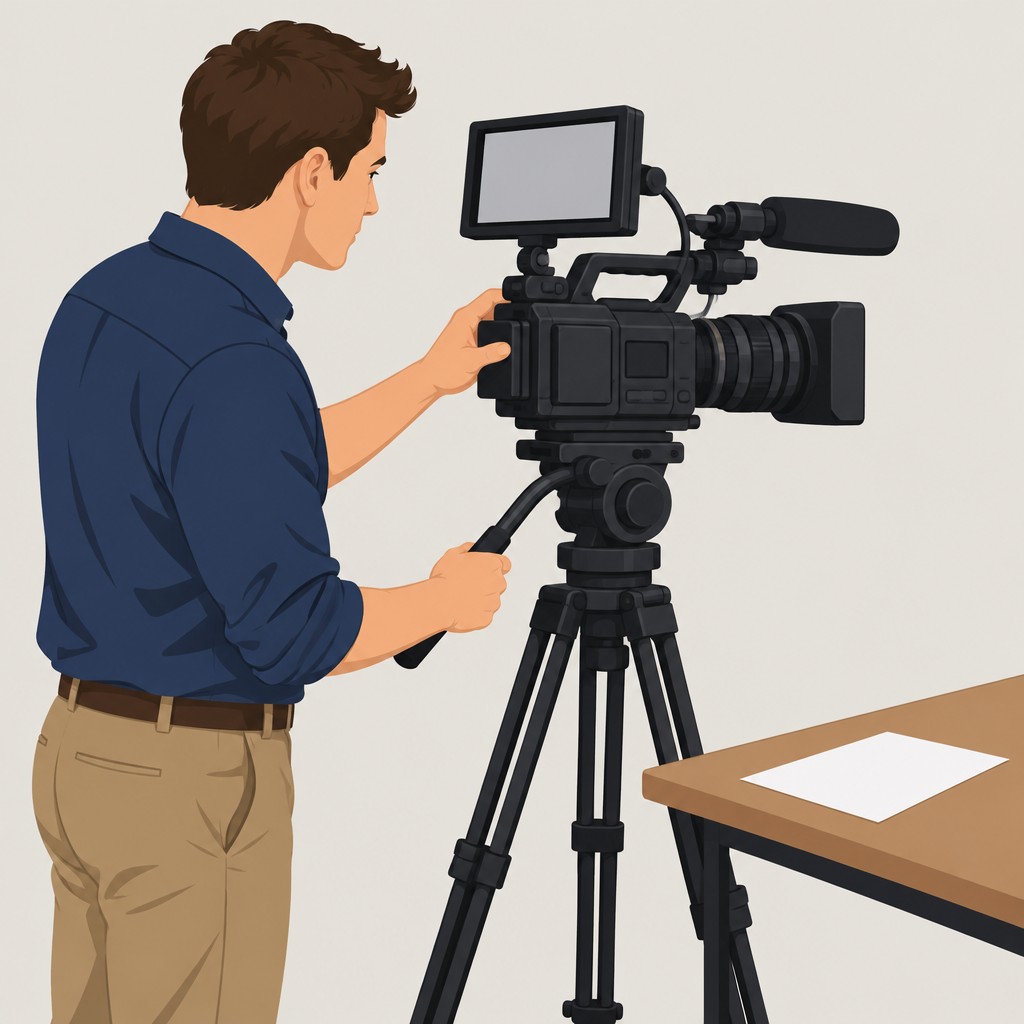
Problem-solving Abilities
Camera operators need strong problem-solving abilities in fast-paced production environments.
They face challenges involving equipment, scenes, and changing lighting conditions.
Moreover, high-pressure situations require operators to think quickly and adapt immediately.
Effective problem-solving helps operators maintain production progress when unexpected difficulties arise.
Quick Thinking and Adaptability
Camera operators often need quick thinking during active shoots.
Unexpected circumstances may require immediate adjustments to camera angles or settings.
Meanwhile, clouds or sunset can change lighting conditions dramatically.
Therefore, operators must remain calm, focused, and ready to respond.
Operators can adapt effectively by following several practical steps.
- Assess the situation rapidly.
- Determine the best course of action.
- Communicate effectively with the team.
- Implement necessary changes swiftly.
- Test new settings or angles before continuing.
Adjusting to Changing Circumstances on Set
Camera operators regularly manage changing circumstances during production.
Crew dynamics can shift quickly as production demands develop.
Last-minute script adjustments or actor availability may also affect filming.
Consequently, flexibility helps operators overcome these changing requirements.
Several strategies help operators manage changes effectively.
- Stay informed about the project’s progress and changes.
- Prepare backup plans for common issues.
- Keep communication open with directors and crew.
- Keep spare equipment available.
- Practice improvisation to strengthen adaptability.
Troubleshooting and Finding Solutions
Camera operators must develop strong troubleshooting skills.
Equipment failures can occur at any stage of production.
For example, a jammed camera or malfunctioning lens can disrupt filming.
Operators therefore need to diagnose and resolve issues quickly.
Operators can strengthen their troubleshooting process through several techniques.
- Understand how all equipment functions.
- Use an equipment checklist to identify potential issues.
- Perform regular maintenance on cameras and lenses.
- Learn common technical problems.
- Seek input from other crew members when needed.
Handling High-Pressure Situations
High-pressure environments can create stressful situations for camera operators.
Operators often work long hours while managing tight deadlines.
Last-minute scene changes and technical failures can intensify that pressure.
Maintaining composure helps operators respond effectively during demanding moments.
Operators can manage stress by applying several practical habits.
- Practice deep breathing or mindfulness techniques.
- Stay organized to reduce chaos during shoots.
- Take breaks when possible to reset mentally.
- Know your limits and seek help when necessary.
- Reflect on past challenges to improve future responses.
Creating a Problem-Solving Mindset
A problem-solving mindset encourages camera operators to address potential issues proactively.
Operators should continually seek practical improvements and workable solutions.
Furthermore, a solution-oriented approach builds resilience during challenging situations.
Operators can develop this mindset through continuous learning and experimentation.
- Continue learning about camera technology.
- Watch films critically to examine camera work decisions.
- Discuss techniques with experienced professionals.
- Experiment with different shooting techniques.
- Stay curious and open to new ideas.
Building Resilient Camera Operations
Problem-solving abilities support aspiring camera operators throughout film production.
Quick thinking, adaptability, and troubleshooting skills help operators manage unexpected challenges.
By developing a calm, solution-oriented approach, operators can handle demanding production conditions effectively.
Transform Your Career Today
Unlock a personalized career strategy that drives real results. Get tailored advice and a roadmap designed just for you.
Start NowFind Out More: How to Balance Multiple Event Planning Projects
Physical stamina supports consistent performance as a camera operator.
Camera operators often work long days that demand focus and physical endurance.
Long production hours can gradually reduce alertness and movement quality.
Therefore, developing stamina helps you remain capable throughout demanding shoots.
Managing Long Hours on Set
Production schedules often extend when crews fall behind planned timelines.
Multiple takes can require repeated effort before a scene reaches the desired result.
Additionally, location changes can increase the time you spend working.
- Shooting Schedules: Productions may run behind schedule and extend working hours.
- Multiple Takes: Repeated scenes require sustained physical and mental effort.
- Location Changes: Moving between locations can lengthen the production day.
Maintaining energy helps you stay on your feet and perform reliably.
Without preparation, fatigue can affect your focus and physical control.
Regular conditioning prepares your body for extended work periods.
Adapting to Challenging Shooting Conditions
Camera operators may work outdoors, indoors, or within restricted spaces.
Weather conditions can shift from intense heat to freezing cold.
Uneven terrain and confined areas can also make movement more demanding.
- Outdoor Shoots: Changing weather can challenge your physical endurance.
- Unstable Terrain: Rocky or uneven ground requires careful movement.
- Limited Space: Tight areas and low ceilings can restrict your movements.
Physical stamina helps you adjust while maintaining control of your work.
Furthermore, adaptability allows you to remain effective across different environments.
Preparing for varied conditions can support consistent performance on set.
Handling Equipment with Strength and Endurance
Camera operators regularly move and control equipment during production.
Cameras may weigh several pounds and require steady physical control.
Tripods and lighting gear can add considerable effort during transport and setup.
- Cameras: Their weight requires strength when you manipulate them.
- Tripods: Their bulk can make transportation more demanding.
- Lighting Gear: Its size can require endurance during setup and movement.
Strength and endurance help you carry equipment for extended periods.
Physical fitness can also reduce the risk of injury from lifting and carrying.
Careful preparation supports safer and more controlled equipment handling.
Building Endurance for Extended Standing
Camera operators often remain standing for several hours during production.
Extended standing can create fatigue when your body lacks preparation.
Targeted exercise can strengthen the legs and core muscles that support stability.
- Regular Exercise: Choose activities that strengthen your legs and core.
- Stretching: Use regular stretches to improve flexibility.
- Walking: Increase daily steps gradually to build endurance.
As your endurance improves, you may feel less tired during long shoots.
Consequently, better stamina can support sharper focus and stronger decisions.
Consistent conditioning prepares you to remain effective while standing.
Supporting Stamina Through Healthy Habits
Physical health directly influences your ability to complete daily production tasks.
Nutritious food provides energy for physically demanding work.
Hydration becomes especially important during long shoots and warm weather.
- Balanced Diet: Choose nutritious foods that help maintain energy levels.
- Hydration: Drink enough water during demanding work periods.
- Rest: Allow your body enough time to recover after demanding days.
Rest helps your body recover before the next production day.
Together, healthy habits support the stamina you need on set.
They also help you maintain reliable performance across demanding schedules.
Developing a Balanced Stamina Training Routine
A balanced training routine can improve your ability to sustain energy.
Cardiovascular activities develop endurance for prolonged physical effort.
Strength exercises improve your ability to manage equipment and maintain stability.
- Cardiovascular Training: Running, cycling, or swimming can build endurance.
- Strength Training: Weightlifting and bodyweight exercises can build muscle.
- Flexibility Training: Yoga or pilates can improve flexibility and core strength.
Flexibility work can help you move more comfortably in varied shooting spaces.
Combining these methods creates broader physical preparation for production work.
Transform Your Career Today
Unlock a personalized career strategy that drives real results. Get tailored advice and a roadmap designed just for you.
Start NowWith consistent training, you can approach demanding roles with greater resilience.
Strengthening Career-Ready Physical Resilience
Physical stamina forms an important part of preparation for camera operation.
Long hours, difficult conditions, equipment, and standing all require physical readiness.
Healthy habits and structured training can help you meet these demands.
As your resilience grows, you can handle challenges with greater confidence.
That commitment can help you remain capable and focused throughout each production.
Creativity in Camera Operations
Creativity helps aspiring camera operators transform ordinary scenes into extraordinary visuals.
Moreover, original visual choices help operators connect with audiences and support compelling stories.
This section explores creative practices that can strengthen your journey as a camera operator.
Creative Approaches to Camera Work
Original thinking allows camera operators to present familiar subjects in fresh and engaging ways.
By experimenting with perspective, light, movement, and lenses, you can expand your visual options.
Additionally, unconventional choices can create memorable images without changing the subject itself.
- Experiment with Angles: Shoot from unexpected angles to give familiar subjects fresh perspectives.
- Play with Lighting: Use natural light, shadows, and highlights to create depth and intrigue.
- Incorporate Movement: Use pans, tilts, or gimbals to make dynamic images that engage viewers.
- Use Unconventional Framing: Apply negative space or off-center placement to create visual tension.
- Explore Different Lenses: Use wide-angle or macro lenses to alter perception and strengthen storytelling.
Translating Creative Vision into Images
A camera operator brings creative vision to life by translating ideas into carefully planned images.
Before filming, visual planning can clarify colors, themes, styles, and the intended narrative flow.
Collaboration also helps the camera operator refine ideas and support the wider production vision.
- Concept Development: Sketch ideas and create mood boards to visualize colors, themes, and styles.
- Storyboarding: Map scenes with a shot list or storyboard to maintain a cohesive narrative flow.
- Collaboration: Work with directors and producers to understand and refine their creative vision.
- Use of Color: Apply color theory and suitable palettes to evoke emotions and support the story.
- Sound Design: Add sound elements that complement imagery and strengthen the storytelling experience.
Building a Distinctive Creative Identity
Creativity can help camera operators distinguish their work in a competitive industry.
A distinctive approach develops through experimentation, inspiration, collaboration, and continuous learning.
Furthermore, a varied portfolio can demonstrate both creative range and adaptability.
- Develop a Signature Style: Test different techniques until you discover an approach that feels distinctive.
- Create a Diverse Portfolio: Present varied genres, styles, and formats to demonstrate versatility.
- Stay Inspired: Study films, commercials, and art to stimulate new creative ideas.
- Engage with the Community: Join workshops and film festivals to find collaboration and fresh ideas.
- Continuous Learning: Explore new technologies and trends to expand your creative expression.
Creative Contributions to Filmmaking
Creative camera work shapes how audiences experience stories and interpret visual information.
Strong visual choices can deepen narratives, evoke emotions, and create lasting impressions.
Creative thinking also supports practical problem-solving when production conditions change unexpectedly.
- Storytelling: Use creative visuals to add narrative depth and immerse viewers in the story.
- Emotional Connection: Create engaging visuals that evoke emotions and leave lasting impressions.
- Uniqueness: Use original approaches to help your work stand out in a saturated market.
- Problem-Solving: Apply creative thinking to resolve unexpected challenges during production.
- Aesthetic Appeal: Create beautiful imagery that captivates viewers and elevates the final product.
Exercises for Strengthening Creative Skills
Regular practice can help camera operators develop stronger creative instincts.
Small exercises encourage experimentation with subjects, techniques, and visual perspectives.
Meanwhile, collaboration and documentation can help you recognize and develop recurring creative interests.
- Daily Photo Challenge: Take one daily photo using changing themes, subjects, or techniques.
- Film Analysis: Study favorite films and identify choices that strengthen the cinematography and story.
- Mind Mapping: Organize brainstorming ideas visually to explore connections and develop concepts.
- Join Creative Collaborations: Work with other creatives to generate new ideas and sustain creative energy.
- Keep a Visual Journal: Record inspirations through sketches, writing, or collected images.
Creative Practice Through the Lens
Creative camera operation empowers you to capture striking images and express a personal visual perspective.
Experimentation, planning, and collaboration can help you produce more engaging visual stories.
Consistent creative practice can also help you build confidence and distinguish your work.
Continuous Learning and Growth
Continuous learning helps aspiring camera operators remain adaptable in a changing field.
Technological advances require operators to update their knowledge and practices regularly.
Ongoing education, training, and mentorship can strengthen technical skills and creative judgment.
Staying Current With Camera Technology and Techniques
Camera technology evolves quickly as manufacturers introduce models with enhanced features.
Operators should study new equipment, software, and filming techniques to remain competitive.
Trade shows, online communities, and industry publications can reveal current developments.
- Understand New Equipment: Study the specifications and benefits of current cameras, lenses, and accessories.
- Learn Relevant Software: Explore updated editing and post-production applications that can improve project workflows.
- Explore Innovative Techniques: Study drone footage, 360-degree filming, and virtual reality production.
Training and Mentorship Opportunities
Formal schooling provides a foundation, but practical education should continue afterward.
Workshops and classes provide hands-on experience that can sharpen specific production skills.
Mentors can explain industry practices, review your work, and help refine your style.
- Attend Workshops: Choose sessions focused on particular camera techniques or equipment.
- Take Online Courses: Use flexible learning platforms such as Coursera or Udemy.
- Earn Technical Certifications: Pursue certifications for relevant equipment or software.
- Consider Film Schools: Seek comprehensive training and networking opportunities through formal programs.
- Attend Networking Events: Meet established professionals who may provide mentorship opportunities.
Expanding Skills Through Deliberate Practice
Regular skill development can improve employability, creativity, and confidence.
New technology and techniques also require operators to adapt consistently.
Versatile operators can pursue diverse roles by combining shooting and editing abilities.
- Adapt to Change: Adjust your methods as production technology and practices evolve.
- Stand Out Professionally: Develop distinctive techniques that demonstrate exceptional ability.
- Expand Job Opportunities: Build specialized skills that support diverse camera roles.
- Improve Creativity: Apply unfamiliar techniques to approach projects from fresh perspectives.
- Build Confidence: Use growing knowledge to make creative decisions with greater assurance.
Set clear learning goals to guide your professional development.
Transform Your Career Today
Unlock a personalized career strategy that drives real results. Get tailored advice and a roadmap designed just for you.
Start NowCreate timelines for acquiring or improving specific skills.
Record your progress in a learning journal and identify areas needing further attention.
Practical Strategies for Ongoing Development
A consistent learning routine makes professional development easier to maintain.
Regular practice allows you to apply new knowledge through direct experience.
Feedback from peers and mentors can reveal opportunities for meaningful improvement.
- Set a Schedule: Reserve weekly time for studying technology or practicing skills.
- Follow Industry Leaders: Monitor influential professionals for useful insights and advice.
- Join Online Communities: Participate in camera operation forums and related discussion groups.
- Create Personal Projects: Apply new lessons through hands-on work that encourages creativity.
- Request Feedback: Ask peers or mentors to evaluate your work constructively.
Sustaining Professional Growth
Camera operators can strengthen their careers by treating learning as an ongoing responsibility.
Updated knowledge supports stronger technical choices and more creative project contributions.
With dedication, aspiring operators can continue developing within this evolving field.
Essential Skills for Sustained Camera Operation
Resilience and adaptability help camera operators succeed in changing environments and demanding conditions.
Operators can strengthen these qualities by approaching each production with flexibility and determination.
These traits support steady performance when circumstances shift unexpectedly.
Familiarity with post-production helps operators anticipate potential issues during filming.
That knowledge also connects shooting decisions with later stages of the production process.
Consequently, operators can prepare footage more effectively for continued creative work.
Industry awareness keeps camera operators informed about evolving standards and trends.
Meanwhile, regular practice helps them refine their craft and maintain relevant capabilities.
Technology changes quickly, so operators should continue learning throughout their careers.
Experienced professionals can offer guidance that supports practical development.
Therefore, aspiring operators should seek opportunities to observe, practice, and improve.
Passion and dedication can sustain progress through the demands of this dynamic field.
Creative work can make the journey rewarding and exciting.
Additional Resources
Google search results for Essential Skills for Aspiring Camera Operators Media and Communication
Bing search results for Essential Skills for Aspiring Camera Operators Media and Communication


