




Audio Engineering Education in the United States
Audio engineering involves manipulating sound for music, film, gaming, and broadcasting.
High-quality audio production helps captivate audiences across these industries.
Many students pursue audio engineering degrees to develop recording, mixing, and mastering skills.
Berklee College of Music
Berklee College of Music is renowned for its music programs and innovative curriculum.
The college offers a Bachelor’s degree in Music Production and Engineering.
Students gain hands-on experience in advanced studios and learn from industry professionals.
Full Sail University
Full Sail University focuses on entertainment and media education.
Its Bachelor’s degree in Recording Arts covers audio technology and production techniques.
Additionally, project-based learning helps students prepare for professional work.
SAE Institute
SAE Institute specializes in creative media education through locations across the United States.
Its Audio Engineering diploma provides detailed training in recording and mixing.
Students complete practical assignments that simulate real-world scenarios.
University of Southern California
The University of Southern California offers an excellent Music Production program.
The program combines technical skills with artistic expression.
Students explore sound design for film and other media.
California Institute of the Arts
California Institute of the Arts provides a distinctive approach to audio engineering.
Its Bachelor of Fine Arts in Music Technology emphasizes creative sound practices.
Students innovate while mastering traditional audio techniques.
Choosing an Audio Engineering School
Choosing the right school remains essential for aspiring audio engineers.
These institutions provide knowledge and practical skills for audio engineering careers.
Therefore, students can compare program strengths when selecting their preferred educational path.
Berklee College of Music
Berklee College of Music stands in Boston, Massachusetts, and serves aspiring audio engineers.
Founded in 1945, Berklee has developed a strong reputation for music education.
Its culture welcomes diverse musical genres and innovative approaches to music production.
State-of-the-Art Facilities
Berklee provides advanced facilities that support practical learning and technical development.
Students practice audio techniques in professional recording environments.
These spaces help learners prepare for challenges within the music industry.
- Professionally equipped recording studios
- Advanced mixing rooms
- Interactive control rooms
- Performance spaces for live recording
- Access to current software and technology
Experienced Faculty and Mentorship
Berklee employs faculty members with extensive experience across the music industry.
Many instructors have worked with recognized artists and producers.
Consequently, students receive mentorship grounded in technical knowledge and professional practice.
Faculty members also teach industry standards alongside essential audio skills.
Music Production and Engineering Program
Berklee offers a Bachelor of Music in Music Production and Engineering.
The degree combines theoretical study with practical application.
Students develop technical proficiency while exploring their individual artistic visions.
- Audio engineering principles
- Music production techniques
- Acoustics and sound design
- Mixing and mastering essentials
- Collaboration with musicians and composers
Hands-On Learning Opportunities
Berklee places strong emphasis on experiential learning.
Students spend substantial time in recording studios and performance spaces.
This approach lets learners develop skills through realistic audio projects.
Additionally, collaborative assignments strengthen teamwork and communication abilities.
Industry Connections and Networking
Berklee maintains relationships with leaders throughout the music industry.
These connections can support internships and networking opportunities.
Transform Your Career Today
Unlock a personalized career strategy that drives real results. Get tailored advice and a roadmap designed just for you.
Start NowThe college also hosts guest artists for workshops and masterclasses.
Through these events, students gain professional insights and practical advice.
Career Pathways for Graduates
Berklee graduates can pursue several careers across audio and media production.
Their training supports work in prominent studios or independent businesses.
Some alumni also enter film, television, and gaming industries.
Therefore, the degree can prepare graduates for varied professional roles.
- Recording engineer
- Mixing engineer
- Music producer
- Sound designer
- Broadcast engineer
Full Sail University for Audio Engineering
Full Sail University offers audio engineering education in Winter Park, Florida.
The university attracts students from across the country.
Its accelerated programs help students complete degrees sooner than traditional programs.
Therefore, this approach appeals to students who want to enter the workforce quickly.
Practical Training and Industry Experience
Full Sail emphasizes hands-on learning throughout its audio engineering programs.
Students develop practical skills through projects that reflect professional audio work.
Additionally, industry professionals contribute real-world experience as faculty members.
This connection helps students understand current expectations within audio production.
Audio Production Degree Offerings
The Bachelor of Science in Audio Production covers recording, mixing, and mastering.
Students also study music production across different genres.
Furthermore, coursework includes advanced audio software and hardware.
- Bachelor of Science in Audio Production: Students study recording, mixing, and mastering techniques.
- Music Production: Students produce music across different genres.
- Technology Integration: Courses provide training with advanced audio software and hardware.
Collaborative Audio Learning Environment
Full Sail creates a learning environment that encourages creativity and collaboration.
Students complete hands-on projects while practicing with professional equipment.
Moreover, classroom settings simulate real-world audio production environments.
This practical experience helps students prepare for audio production careers.
Facilities and Audio Resources
The university provides facilities that support recording, editing, and live sound training.
Students use these spaces while completing practical assignments.
Consequently, the facilities reinforce skills developed through classroom instruction.
- Recording Studios: Students use high-quality recording facilities.
- Editing Suites: Advanced editing suites support detailed audio work.
- Live Sound Stages: Students practice live sound production in dedicated spaces.
Industry Connections and Career Support
Full Sail maintains connections with professionals in the audio engineering industry.
The university hosts networking events and guest lectures led by industry leaders.
These activities help students connect with professionals and potential employers.
In addition, those connections can support internships and employment opportunities after graduation.
Resources for Career Development
Full Sail provides resources that help students prepare for professional opportunities.
Students can improve their job-seeking skills through workshops and guidance.
The alumni network also connects graduates with current students.
- Job Placement Services: Students receive extensive job placement resources.
- Alumni Network: Graduates remain connected and support current students.
- Career Workshops: Workshops help students refine their job-seeking skills.
Student Community and Creative Development
Students describe the Full Sail experience as dynamic and energetic.
The campus encourages community among aspiring audio engineers.
Collaborative projects strengthen teamwork and critical thinking.
Meanwhile, students share diverse backgrounds and interests during classroom discussions.
Extracurricular Opportunities
Extracurricular activities extend learning beyond regular coursework.
Students can explore creative interests while developing production skills.
These activities also provide opportunities to present work and exchange ideas.
- Clubs and Organizations: Students can join groups focused on music, sound design, and production.
- Competitions: Students can showcase their skills through competitions.
- Workshops and Seminars: These events expand knowledge beyond classroom instruction.
Preparing for Audio Production Careers
Full Sail combines accelerated study with practical audio production training.
Students build skills through projects, technology use, and collaboration.
Transform Your Career Today
Unlock a personalized career strategy that drives real results. Get tailored advice and a roadmap designed just for you.
Start NowIndustry connections and career resources further support their professional development.
As a result, graduates can pursue varied career paths within audio production.
Students interested in audio engineering can evaluate Full Sail’s facilities, programs, and learning environment.
Learn More: The Role of a Producer in Live TV Broadcasts
New York University’s Steinhardt School of Culture, Education, and Human Development supports aspiring audio engineers.
Located in New York City, the school offers an immersive experience in the music technology landscape.
Overview of NYU Steinhardt
Steinhardt provides a curriculum focused on audio engineering and music technology.
The program combines theoretical study with practical application.
Students complete projects that blend creativity with technical skill.
This approach prepares graduates for varied responsibilities in audio engineering.
Audio Engineering Minor
Students can pursue an Audio Engineering minor within the broader Music Technology program.
The minor complements majors in music and related fields.
It deepens students’ understanding of sound and recording techniques.
Coursework covers several essential areas of audio production.
- Sound Design
- Digital Audio Production
- Music Production Techniques
- Audio Mixing and Mastering
- Acoustics and Psychoacoustics
Through this minor, students develop practical skills with professional equipment and software.
Hands-on experiences also expand their creative approaches to audio work.
Facilities and Equipment
NYU Steinhardt provides facilities and equipment for audio engineering studies.
Students can use studios and laboratories during their coursework.
These resources support projects that require professional audio production methods.
Available resources include the following facilities and tools.
- High-quality recording studios
- Industry-standard mixing consoles
- Advanced sound design tools
- Digital audio workstations
- A comprehensive library of sound samples and plugins
These resources help students execute projects with professional methods.
Access to current technology encourages experimentation with audio production techniques.
Internship Opportunities
NYU’s New York City location provides access to internship opportunities.
Students can connect with professionals across the music industry.
They may pursue roles in studios, production companies, and record labels.
Common internship settings include the following environments.
- Recording Studios
- Concert Venues
- Music Festivals
- Audio Production Companies
- Radio Stations
Internships let students apply classroom knowledge in professional settings.
Networking during these experiences can support future employment opportunities.
Curriculum Highlights
NYU Steinhardt’s curriculum develops creative and technical audio skills.
Core courses address important areas of audio engineering.
Students can study foundational subjects through the following courses.
- Introduction to Music Technology
- Digital Audio Processing
- Audio Engineering Fundamentals
- Field Recording Techniques
- Electronic Music Composition
Elective courses allow students to explore more specialized subjects.
These options can address business, media, and live production interests.
- Music Business and Management
- Sound for Film and Video Games
- Live Sound Engineering
This flexible curriculum supports several audio-related career paths.
Students receive technical training alongside sustained engagement with music.
Collaborative Projects and Performances
Collaboration forms an important part of the learning experience at NYU Steinhardt.
Students regularly complete group projects with musicians and other artists.
These activities strengthen teamwork and communication skills.
The program encourages students to create original work with their peers.
Collaborative opportunities include the following activities.
Transform Your Career Today
Unlock a personalized career strategy that drives real results. Get tailored advice and a roadmap designed just for you.
Start Now- Live performances
- Studio recordings
- Cross-disciplinary projects
These projects help students refine their technical and creative abilities.
They also provide experience working within team-based production environments.
Faculty Expertise
NYU Steinhardt’s faculty brings varied backgrounds and expertise to the program.
Many educators have experience as producers, sound engineers, and composers.
Their practical insights enrich students’ learning experiences.
Faculty members support students through several forms of guidance and mentorship.
- Networking opportunities
- Insight into industry trends
- Personalized feedback on projects
This mentorship helps students develop individual artistic voices within audio engineering.
Faculty guidance also connects technical development with personal creative direction.
Preparing for Audio Engineering Careers
NYU Steinhardt combines technology, coursework, internships, and collaboration in its audio engineering education.
Students gain experience with equipment, software, production methods, and teamwork.
Faculty mentorship further supports their technical growth and creative development.
This immersive environment prepares graduates for changing opportunities in audio engineering.
You Might Also Like: Market Research Analyst: Key Responsibilities and Duties
Carnegie Mellon University Music and Technology Program
Carnegie Mellon University sits in Pittsburgh, Pennsylvania, and supports students pursuing audio engineering careers.
Its dynamic offerings connect creative practice with technological development.
The Bachelor of Science in Music and Technology prepares students for music, engineering, and audio technology fields.
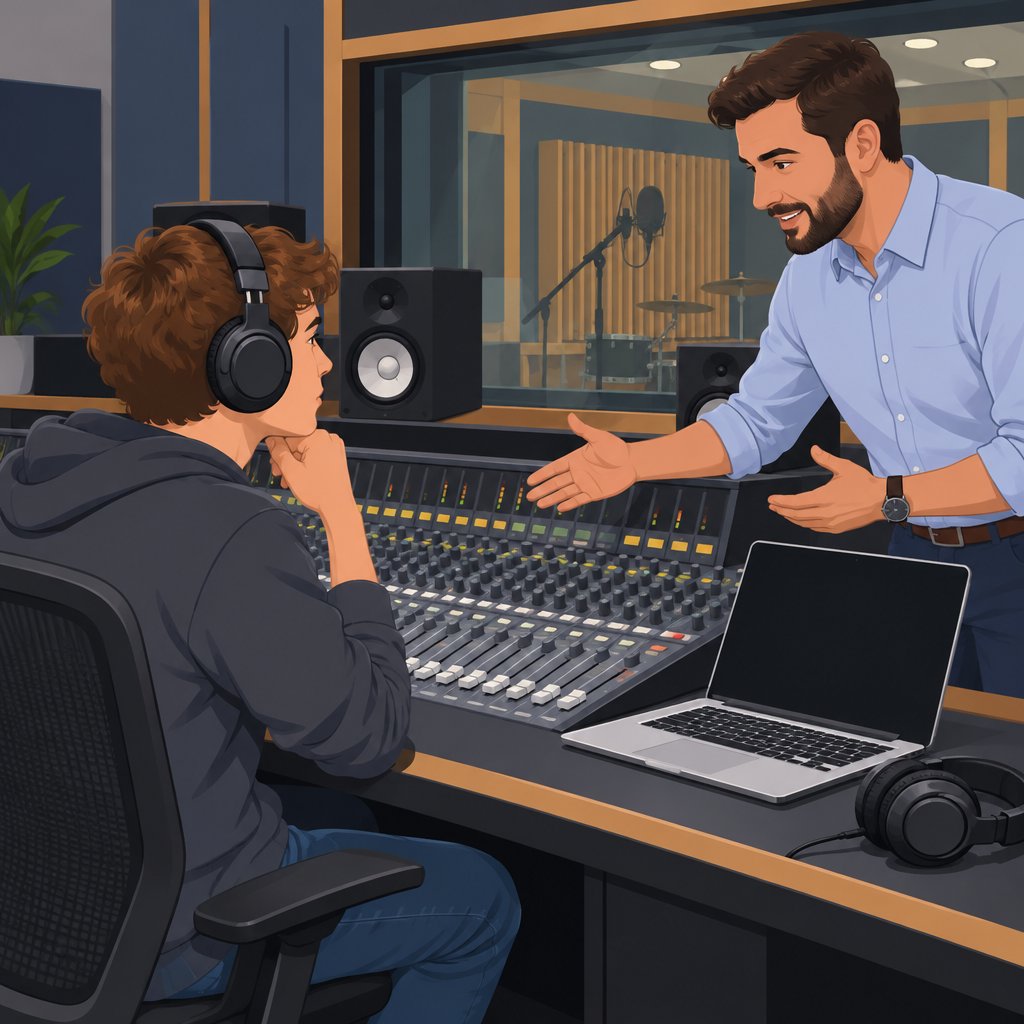
Program Overview
The Bachelor of Science in Music and Technology combines several academic disciplines.
Students develop knowledge of music theory alongside practical engineering skills.
Through research and innovation, the program connects artistic vision with technical application.
- Students study music theory and practical engineering principles.
- They gain hands-on experience with audio technology and creative projects.
- The program supports preparation for diverse audio engineering careers.
Core Curriculum
The curriculum gives students a broad foundation in music, engineering, and digital technology.
Coursework balances theoretical understanding with practical audio production skills.
Students also explore programming and sound design for modern media applications.
- Music theory covers harmony, melody, and rhythm fundamentals.
- Audio engineering introduces recording, mixing, and mastering techniques.
- Digital signal processing examines audio signal transformation and manipulation.
- Computer programming supports modern audio technology development.
- Sound design explores audio creation for visual media and performances.
Research Opportunities
Research forms an important part of the Music and Technology program.
Students pursue projects that explore new possibilities in audio engineering.
These investigations connect acoustics, interactive media, artificial intelligence, and virtual reality.
- Acoustic research examines sound behavior in different environments.
- Interactive sound projects develop immersive audio experiences.
- Artificial intelligence research explores music composition and arrangement.
- Virtual reality sound design creates audio experiences for virtual applications.
Facilities and Equipment
Carnegie Mellon provides specialized facilities for students studying audio engineering.
These spaces give students access to professional tools and audio technology.
Students can apply classroom concepts while recording, experimenting, and editing sound.
- Professional-grade recording studios support industry-standard recording environments.
- Sound laboratories support experiments with acoustic treatments.
- Performance halls provide spaces for showcases and performances.
- Computer labs include software for sound design and audio editing.
Hands-On Learning
Hands-on learning anchors Carnegie Mellon’s approach to music and technology education.
Students apply theoretical knowledge through projects that reflect real-world audio scenarios.
They also develop creative and technical abilities through collaborative production work.
- Recording sessions let students collaborate with musicians in studio settings.
- Internships provide industry experience through partnerships with local studios.
- Capstone projects showcase students’ technical and creative skills.
Industry Connections
Carnegie Mellon maintains connections with professionals and organizations in audio engineering.
Faculty members bring professional experience that enriches students’ academic learning.
Industry relationships support collaborative projects, guest lectures, and internship opportunities.
As a result, students gain contacts that can support their professional development.
Career Prospects
Graduates can pursue varied careers across audio production, sound design, and related fields.
The program’s combined creative and technical training supports multiple professional directions.
Students can apply their skills in music, film, interactive media, and digital content.
- Audio engineers record and mix sound for music and film.
- Sound designers create auditory elements for interactive media.
- Music producers oversee the development of music recordings.
- Acoustic consultants advise on sound quality and space acoustics.
- Podcast producers manage audio production for digital media.
Community and Collaboration
Carnegie Mellon’s community encourages creativity and innovation among students.
Collaborative projects bring together students with different skills and academic interests.
Transform Your Career Today
Unlock a personalized career strategy that drives real results. Get tailored advice and a roadmap designed just for you.
Start NowThis interdisciplinary environment helps students strengthen teamwork abilities.
Those abilities support effective collaboration within the audio engineering industry.
Preparing Students for Audio Engineering Careers
Carnegie Mellon’s Music and Technology program combines music theory, engineering, and creative experimentation.
Students build practical skills through research, specialized facilities, and hands-on projects.
Industry connections and collaborative learning further support their preparation for evolving audio careers.
Explore Further: Building Effective Backlinks: A Specialist's Guide
Middle Tennessee State University in Murfreesboro, Tennessee, offers audio engineering education for aspiring audio professionals.
The College of Media and Entertainment supports students preparing for careers in the competitive entertainment industry.
Through practical training, MTSU prepares students for varied audio production careers.
Audio Production and Engineering Program
MTSU offers a Bachelor of Science in Audio Production and Engineering.
The degree develops technical audio skills while encouraging creative thinking.
Additionally, students combine classroom theory with practical application throughout the curriculum.
Practical Training and Industry Experience
MTSU emphasizes hands-on learning through projects that reflect professional audio challenges.
Students strengthen their abilities while collaborating with peers across media-related disciplines.
Furthermore, the university provides several opportunities for students to build practical experience.
- Internships: Students pursue internships with local studios, radio stations, and music festivals.
- Studio Projects: Students complete projects in modern facilities while collaborating with other media students.
- Equipment Access: Students use professional audio production equipment and software during their training.
- Campus Events: Workshops and events connect students with experienced entertainment professionals.
Curriculum Areas and Technical Skills
The curriculum introduces students to essential audio production concepts and professional workflows.
Students develop technical knowledge through courses covering recording, mixing, production, and post-production.
Consequently, the program supports both creative development and practical audio expertise.
- Introduction to Audio Production: Students learn recording and mixing fundamentals, including microphones and mixers.
- Digital Audio Workstations: Students practice using industry-standard software for music production and editing.
- Live Sound Engineering: Students study equipment and techniques for concerts and other live events.
- Music Production: Students explore composition, arrangement, and final mixing.
- Audio Post-Production: Students apply sound design principles to film, television, and video games.
Career Paths for Graduates
Graduates can pursue audio careers across music, live events, broadcasting, and screen media.
Their training supports roles that require recording, editing, mixing, and sound system management.
Moreover, students can apply their skills in both studio and live production environments.
- Sound Engineer: Sound engineers record, mix, and edit audio for various media.
- Music Producer: Music producers manage and oversee music recording projects.
- Live Sound Technician: Live sound technicians operate audio systems during events.
- Post-Production Specialist: Post-production specialists edit audio and create sound designs for screen media.
- Broadcast Technician: Broadcast technicians operate and maintain audio equipment for radio and television.
Reasons to Consider MTSU
MTSU offers an academic environment designed for students interested in audio production.
Experienced faculty members provide industry knowledge, guidance, and mentorship.
In addition, the university connects students with facilities, alumni, services, and regional opportunities.
- Experienced Faculty: Faculty members bring extensive industry experience to the classroom.
- Modern Facilities: Students access updated studios, equipment, and production tools.
- Alumni Network: Graduates maintain connections that can support student networking.
- Regional Location: MTSU sits near Nashville, a major music and entertainment center.
- Student Support: Advising, career counseling, and internship access support student development.
Preparation for Audio Production Careers
MTSU combines structured coursework with practical opportunities for aspiring audio engineers.
Students can prepare for work in music production, live sound, broadcasting, and post-production.
For students seeking audio engineering education, MTSU provides relevant training and career preparation.
Find Out More: The Evolution of Web Design: A Historical Overview
The University of Miami’s Frost School of Music offers audio engineering education in Coral Gables, Florida.
Students pursue a Bachelor of Music in Music Engineering Technology.
The program combines musical creativity with technical study and practical experience.
Academic Programs and Curriculum
The curriculum integrates technical knowledge with artistic creativity.
It prepares aspiring audio engineers for varied professional environments.
Additionally, laboratory sessions help students apply theoretical concepts to practical situations.
Consequently, graduates develop skills for addressing challenges in the audio industry.
- Audio Recording: Students study recording techniques, equipment, and software.
- Mixing and Mastering: Courses explain how professionals shape and complete music tracks.
- Sound Design: The program teaches students to create and manipulate sound.
- Live Sound Engineering: Students practice setting up and managing sound for events.
- Music Technology: Students explore developments in music software and hardware.
State-of-the-Art Facilities
The Frost School of Music gives students access to advanced recording studios and laboratories.
These facilities include industry-standard technology for instructional and professional recording work.
As a result, students practice audio production in settings that resemble professional environments.
- Recording Studios: Multiple studios support instructional and professional recording purposes.
- Sound Laboratories: Specialized labs support sound design and engineering studies.
- Production Equipment: Students use advanced audio gear, software, and essential production tools.
Networking and Industry Connections
The Frost School of Music connects students with music professionals, industry experts, and organizations.
These relationships can support internship searches and future employment opportunities.
Transform Your Career Today
Unlock a personalized career strategy that drives real results. Get tailored advice and a roadmap designed just for you.
Start NowFurthermore, students gain professional insight through events and direct interaction with experienced practitioners.
- Guest Speakers: Industry guests share practical knowledge and professional perspectives.
- Workshops: Professionals lead sessions that strengthen students’ technical abilities.
- Internship Opportunities: The university helps students pursue practical workplace experience.
Student Life and Extracurricular Activities
The University of Miami promotes a lively student environment that encourages creativity and collaboration.
Students can extend their learning through organizations, performances, and competitions.
Through these activities, they strengthen teamwork, leadership, and communication skills.
- Student Organizations: Music technology and audio engineering groups encourage collaboration.
- Performances: Students present their work during university performances and events.
- Competitions: Participation exposes students to different aspects of the industry.
Student Resources and Support
The University of Miami provides resources that support students’ academic progress and professional development.
Advisors, tutors, and career professionals offer guidance throughout the college experience.
Therefore, students can access assistance while developing their academic and career plans.
- Advising: Academic advisors help students select courses and plan careers.
- Tutoring: Tutoring services assist students who need additional academic support.
- Career Services: The career center offers resume workshops, mock interviews, and job assistance.
Preparation for Audio Engineering Careers
The Frost School of Music combines structured coursework, practical facilities, and professional connections.
Students also receive support that encourages academic progress and career preparation.
Together, these elements provide a comprehensive foundation for work in music production and audio technology.
Factors That Shape an Audio Engineering Education
Choosing the right institution can shape an aspiring audio engineer’s future.
Several respected schools offer distinct advantages for students entering this competitive field.
University of Southern California (USC) combines experienced faculty with state-of-the-art facilities.
Its hands-on learning approach prepares students for real-world audio challenges.
Additionally, USC’s proximity to Hollywood creates valuable networking opportunities.
Berklee College of Music emphasizes creativity through its broad music curriculum.
Students explore diverse genres and develop familiarity with various recording techniques.
Full Sail University provides an immersive environment with accelerated programs.
Students access advanced technology while developing practical skills for audio careers.
New York University’s Tisch School of the Arts connects audio engineering with music production and sound design.
Moreover, students interact with experienced professionals and build essential industry connections.
California State University, Northridge emphasizes practical experience with advanced software and equipment.
Its internship opportunities help students connect classroom theory with professional practice.
Stevens Institute of Technology combines engineering principles with creative arts.
This interdisciplinary approach develops versatile skills for technology-related careers.
These institutions provide comprehensive programs that support student growth.
They help aspiring audio engineers refine skills and expand their knowledge.
Therefore, compare each school’s strengths before planning an audio engineering education and career.
Additional Resources
Bing search results for Top Schools for Audio Engineering Degrees in the USA Media and Communication


