




Introduction
Producers guide live television broadcasts from planning through completion.
They connect creative goals with practical production requirements.
Furthermore, their decisions help teams manage complex broadcast demands.
Definition of a Producer in Live Television
A producer oversees every major element of a live television broadcast.
They coordinate different teams to support seamless execution.
This role includes planning, scheduling, and allocating available resources.
Additionally, producers connect the creative vision with practical production needs.
Importance of Producers in Smooth Broadcast Operations
Producers keep broadcast operations organized and focused.
They manage timelines and budgets while keeping production activities on track.
Moreover, their leadership helps crews meet deadlines effectively.
Without strong production leadership, projects may experience confusion and miscommunication.
Producers also identify potential issues before those problems become serious.
They prepare contingency plans and use problem-solving skills during unexpected situations.
As a result, their proactive approach helps live events continue without major interruptions.
Key Areas Covered in This Production Guide
This guide examines the producer’s responsibilities across the broadcast process.
It explores pre-production planning, live execution, and post-broadcast evaluations.
Understanding these areas provides greater appreciation for the production process.
It also considers challenges involving technology failures, talent issues, and unexpected complications.
These challenges demonstrate the constantly changing nature of live broadcasting.
Finally, emerging technologies and audience demands continue to influence production roles.
Therefore, producers must adapt their methods to remain effective within the industry.
The Key Responsibilities of a Live TV Producer
A live TV producer manages many tasks throughout each day.
They guide production from preparation through the completed broadcast.
Their planning gives the production team a clear direction.
Overview of Daily Tasks and Duties
Producers organize scripts, segments, and stories before each broadcast.
They create a rundown that covers the entire program.
This preparation establishes clear priorities for everyone involved.
- Planning and Pre-production: Producers organize scripts, segments, stories, and the complete broadcast rundown.
- Team Meetings: Producers align the crew on goals, timelines, assignments, and collaboration.
- Budget Management: Producers manage budgets and allocate resources carefully.
- Scheduling: They create production schedules and coordinate participants to prevent conflicts.
- Content Development: Producers select and approve news pieces, segments, or entertainment acts.
- Oversight of Rehearsals: They oversee rehearsals and confirm cues for talent and crew.
Coordination with Various Departments
Live broadcasts depend on seamless coordination among departments.
Producers connect technical and creative teams throughout production.
Therefore, clear communication keeps the broadcast aligned with its goals.
- Technical Team: Producers coordinate camera angles, lighting, and sound settings with technical directors.
- Creative Team: They work with writers, directors, and graphic designers to refine storytelling.
- Talent Coordination: Producers schedule talent and brief hosts and interviewees about their roles.
- Logistics Management: They coordinate set design, equipment, materials, and transportation for remote broadcasts.
- Post-production Teams: Producers review recordings and gather feedback after each broadcast.
Decision-Making During Live Broadcasts
Live broadcasts create challenges that require immediate responses.
Producers make real-time decisions to maintain the program’s flow.
They manage pressure while protecting the broadcast’s overall direction.
- Crisis Management: Producers respond calmly to technical glitches, breaking news, and other disruptions.
- Content Adjustment: They shift segments when late-breaking news changes the broadcast’s priorities.
- Live Editing: Producers select camera angles and coordinate changes with technical teams.
- Audience Engagement: They monitor viewer interaction and adjust broadcasts according to feedback.
- Time Management: Producers cut segments or extend discussions to keep broadcasts on schedule.
These responsibilities require producers to plan, coordinate, and respond quickly.
They connect many production elements while protecting the program’s quality.
Through steady leadership, producers help create engaging television for viewers worldwide.
Although the role demands composure, it also shapes the broadcast’s success.
Pre-Production Planning
Pre-production planning organizes the broadcast before production begins.
It aligns creative goals, content decisions, schedules, and logistical requirements.
This preparation helps the team identify challenges and support a smoother live broadcast.
Transform Your Career Today
Unlock a personalized career strategy that drives real results. Get tailored advice and a roadmap designed just for you.
Start NowPre-Production Meeting Coordination
Pre-production meetings establish a foundation for successful live television broadcasts.
These meetings bring producers, directors, technical staff, and hosts together.
During each session, participants discuss broadcast goals and production expectations.
Clear objectives help everyone coordinate efforts effectively.
The producer facilitates discussions and keeps the planning process focused.
Meanwhile, effective communication clarifies every team member’s responsibilities.
Each participant contributes specialized insights to strengthen the plan.
The producer gathers feedback and incorporates useful suggestions into the production strategy.
Additionally, meetings help the team identify potential challenges before the broadcast.
Team members can brainstorm solutions for anticipated problems.
This proactive approach reduces risk and improves production efficiency.
Regular meetings also encourage teamwork and collaboration.
As members communicate, they strengthen their working relationships.
A cohesive team can improve the broadcast’s overall production quality.
Script Development and Content Creation
Script development provides an essential structure for the broadcast.
The script acts as a blueprint for the show’s progression.
It identifies dialogue, segment order, and important graphics.
Producers collaborate with writers and content creators during development.
They ensure the script supports the show’s goals and audience expectations.
At the same time, content must engage viewers while communicating essential information.
Producers review timing and pacing throughout the script.
They determine whether each segment fits its assigned time slot.
Feedback from directors and other team members may require revisions.
Creative discussions allow ideas to develop and improve.
Producers encourage brainstorming sessions that generate fresh content ideas.
However, they must balance creativity with practical production requirements.
They evaluate budgets, logistics, equipment, and available resources.
After finalizing the script, producers oversee supporting production materials.
These materials may include visuals, graphics, and other multimedia content.
Each element should reinforce the broadcast’s central message.
Producers also prioritize audience engagement when selecting content.
They study audience demographics and tailor material to viewer preferences.
Scheduling and Logistics Coordination
A well-structured schedule keeps the production moving toward its broadcast deadline.
The producer coordinates each element of the live broadcast schedule.
When building the schedule, producers consider talent availability and crew schedules.
They also account for equipment needs and production requirements.
Every element must align to support a seamless production.
Logistics coordination helps the team manage equipment and set transportation.
Producers supervise setup and breakdown at filming locations.
Throughout this process, they communicate with different team members.
Transform Your Career Today
Unlock a personalized career strategy that drives real results. Get tailored advice and a roadmap designed just for you.
Start NowClear updates keep everyone informed about timelines and responsibilities.
This communication reduces confusion, scheduling conflicts, and overlapping tasks.
Producers also coordinate with external vendors and production partners.
They manage contracts, resources, and delivery schedules.
That coordination maintains the supply of materials needed for the broadcast.
Furthermore, producers develop contingency plans for unexpected problems.
Backup plans help the team respond quickly during live production.
Producers also organize rehearsals before the live event.
Rehearsals reveal potential problems while changes remain possible.
They give talent and crew opportunities to practice their roles.
Consequently, participants can refine the production before broadcast.
Efficient pre-production creates a confident and prepared production team.
That confidence supports smoother execution and more engaging programming.
Well-organized broadcasts can strengthen viewer trust and encourage future success.
See Related Content: Market Research Analyst: Key Responsibilities and Duties
The Role of the Producer During Live Broadcasts
Live television broadcasts present unique challenges because unexpected issues can arise at any moment.
No production follows its plan perfectly, so producers must respond quickly when conditions change.
Their decisions help the team maintain quality, direction, and audience engagement during the broadcast.
Real-Time Problem Solving and Crisis Management
When problems occur, producers must assess each situation immediately.
They decide whether to alter the show’s content, structure, or timing.
Strong decision-making skills help producers manage pressure effectively.
Common problems can affect technical performance, guest appearances, weather conditions, and segment timing.
- Technical malfunctions can disrupt audio or video quality.
- Last-minute cancellations can change planned guest appearances.
- Unexpected weather can disrupt outdoor broadcasts.
- Long segments can create timing problems.
To respond effectively, producers communicate with technical teams and coordinate troubleshooting efforts.
They may revise the show format to accommodate unexpected changes.
They also guide on-air talent through unfamiliar or difficult situations.
Backup plans help producers minimize disruptions when original arrangements fail.
Meanwhile, exceptional interpersonal skills help producers keep crews calm and focused.
Emotional turmoil can spread quickly during tense situations.
By listening carefully, producers create a supportive environment for collaborative crisis management.
Directing Production Crews and On-Air Talent
The producer serves as the central coordinator during a live broadcast.
This role requires effective direction of production crews and on-air talent.
Before broadcasting begins, producers ensure that everyone understands their responsibilities.
Clear instructions support timely execution and help align every production element.
Key directing responsibilities include the following:
- Establishing clear communication channels among team members.
- Guiding camera operators and technical staff.
- Directing on-air talent through scripts and cues.
- Ensuring that crews uphold the production’s vision.
Pre-show meetings prepare the team for a smoother broadcast.
During these meetings, producers discuss goals, audience engagement, and time management.
Throughout the broadcast, producers monitor performance and adjust instructions when necessary.
Quick communication helps every team member remain focused and on schedule.
Furthermore, respectful relationships with on-air talent support a collaborative working atmosphere.
Producers also review each segment to ensure consistency with the broadcast’s overall theme.
Transform Your Career Today
Unlock a personalized career strategy that drives real results. Get tailored advice and a roadmap designed just for you.
Start NowMaintaining Timing and Show Flow
Timing remains essential because poor scheduling can disrupt an entire live broadcast.
Producers ensure that every segment follows its assigned schedule.
They plan segment lengths carefully to create smooth transitions between portions of the show.
Several strategies help producers manage broadcast timing effectively.
- Creating a comprehensive running order for the show.
- Using countdown clocks to track segment lengths.
- Briefing technical crews about specific timing requirements.
- Building padding into the schedule for delays or overruns.
Producers communicate with directors whenever the schedule requires adjustment.
If a segment runs long, they decide whether to shorten or remove the next segment.
This flexibility helps preserve the broadcast’s structure and quality.
Audience engagement also influences the pace and flow of a live show.
Skilled producers adjust the tempo according to audience reactions and available feedback.
They may use real-time audience metrics to gauge viewer interest.
When a segment attracts attention, producers may extend it.
When interest declines, they may move the show forward more quickly.
These responsibilities make the producer central to a successful live broadcast.
Quick thinking, strong leadership, and careful coordination keep production running smoothly.
A dedicated producer helps the broadcast maintain quality and audience engagement.
Delve into the Subject: Building Effective Backlinks: A Specialist's Guide
Collaboration with Key Staff
The producer coordinates live television broadcasts.
Collaboration with several teams supports a smooth production process.
Successful producers work with directors, technical staff, on-screen talent, and sponsors.
This process requires effective communication, mutual respect, and shared goals.
Working with Directors and Technical Teams
Producers and directors share a common vision for each production.
They align their creative perspectives to achieve the intended result.
During planning, producers outline the show’s format, budget, and narrative flow.
Directors translate these ideas into visual storytelling.
They coordinate camera angles, lighting, and set design.
This cooperation ensures that each element supports the show’s goals and audience engagement.
Technical teams also perform essential production tasks.
These specialists manage sound, lighting, and video feeds.
Producers communicate equipment needs to the technical crew.
They also help each segment run without technical interruptions.
Regular meetings keep everyone informed.
Furthermore, these meetings support brainstorming and troubleshooting.
- Teams strategize the show’s pacing and content flow.
- Producers and directors choose camera angles and shot types for maximum impact.
- Technical staff address equipment requirements before production begins.
- Rehearsals help teams refine performances and technical operations.
Liaising with On-Screen Talent and Guests
The producer builds crucial relationships with on-screen talent.
Producers coordinate interviews, segments, and special appearances.
They work closely with hosts, reporters, and guest presenters.
This cooperation ensures that every participant understands their responsibilities.
Before broadcasts, producers brief on-screen talent.
They explain key messages, possible questions, and segment timings.
These discussions help talent prepare for live appearances.
They also help participants feel more confident during broadcasts.
Transform Your Career Today
Unlock a personalized career strategy that drives real results. Get tailored advice and a roadmap designed just for you.
Start NowMoreover, producers manage talent schedules and logistics.
They coordinate travel, accommodation, and necessary rehearsals.
This detailed planning reduces unnecessary stress for on-screen talent.
Clear communication also improves the broadcast experience.
Regular updates prepare everyone for changes and unexpected events.
- Producers clarify each segment’s objectives and content.
- They offer constructive feedback during rehearsals.
- They create a supportive atmosphere for creativity and confidence.
- They inform everyone about changes and last-minute updates.
Building Relationships with Sponsors and Partners
Producers also develop relationships with sponsors and partners.
These relationships help secure funding and production resources.
Producers often negotiate contracts and advertising agreements.
This work requires clear communication and strong negotiation skills.
Producers must understand sponsor expectations.
They align content with advertising messages while protecting the show’s integrity.
A balanced arrangement can support long-term partnerships.
Regular updates and clear deliverables help sponsors feel valued and informed.
Producers also engage with other production partners.
These partners may include production companies, broadcasters, and content distributors.
Such relationships can provide access to expertise, equipment, and talent.
- Producers understand sponsor goals and connect them with production needs.
- They maintain open communication throughout the broadcast process.
- They fulfill promises to build trust and credibility.
- They celebrate shared successes and strengthen professional relationships.
Collaboration shapes the producer’s role in live television.
Strong cooperation among teams supports successful productions.
By fostering professional relationships, producers help broadcasts meet their objectives.
Effective collaboration improves production quality and audience engagement.
Find Out More: The Evolution of Web Design: A Historical Overview
Understanding Modern Broadcast Technology and Tools
Live television production has changed significantly over time.
Technological advances continue to shape how producers plan and deliver broadcasts.
Modern tools improve broadcast clarity, audience engagement, and production efficiency.
Key Technologies in Live Broadcasting
High-definition cameras provide clear images that improve the viewer experience.
Live streaming software supports seamless broadcasts across multiple platforms.
Graphics, audio, communications, and remote production tools support complex live events.
- High-Definition Cameras: These cameras deliver clear images for live broadcasts.
- Live Streaming Software: OBS Studio supports streaming across multiple platforms.
- Graphics and Animation Tools: Adobe After Effects creates real-time visuals and graphics.
- Audio Equipment: Quality microphones and mixing consoles support clear broadcast sound.
- Remote Production Technology: REMI allows producers to manage shows from different locations.
- Integrated Communications Systems: Intercom systems support communication among production crew members.
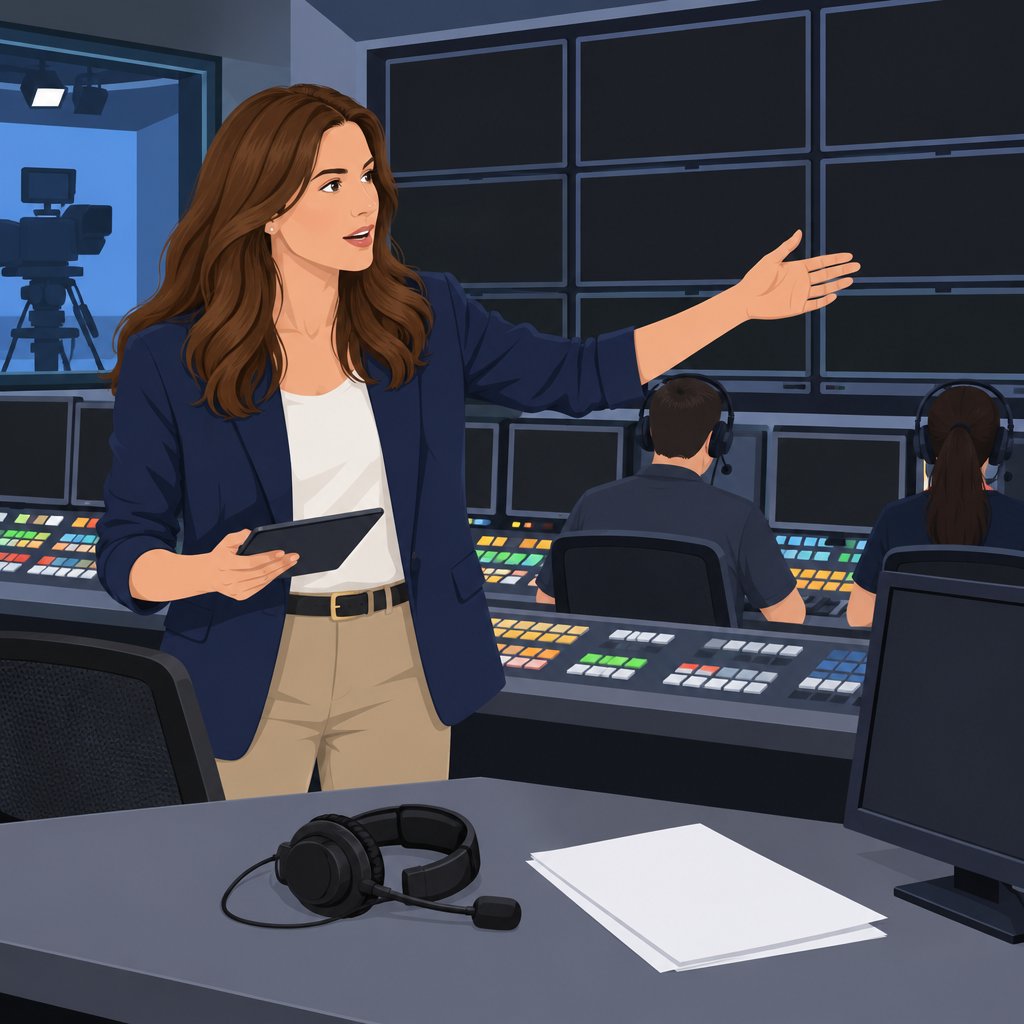
The Producer’s Role in Technology Integration
A producer’s responsibilities extend beyond basic organization.
Producers evaluate technology and determine whether it supports each broadcast’s goals.
Effective integration helps teams work efficiently while encouraging creative production choices.
Essential Responsibilities in Technology Integration
Producers research available tools before selecting technology for a specific broadcast.
They also prepare crew members to use new equipment confidently and accurately.
Testing, budgeting, and feedback help producers manage technology throughout production.
- Research and Select Technology: Producers choose tools that align with production goals.
- Training Crew: Producers train crew members to use new technologies effectively.
- Managing Budgets: Producers acquire suitable technology within available budget limits.
- Testing Equipment: Producers test equipment thoroughly before the broadcast begins.
- Feedback Mechanisms: Producers gather feedback to improve future technology use.
Managing Remote and Hybrid Production Setups
Remote and hybrid production setups have become increasingly common in recent years.
Digital platforms have contributed to this shift in production practices.
Producers must adapt workflows when teams work across different locations.
Strategies for Successful Remote Production
Cloud services allow teams to access data and collaborate efficiently.
Reliable communication tools help remote crew members coordinate their work.
Virtual control rooms allow producers to direct broadcasts from different locations.
- Utilizing Cloud-Based Services: Cloud storage supports data access and team collaboration.
- Implementing Reliable Communication Tools: Zoom and Slack support real-time communication.
- Setting Up Virtual Control Rooms: Virtual rooms support remote broadcast direction.
- Ensuring High-Quality Internet Connections: Reliable connectivity supports successful remote productions.
- Regular Team Check-Ins: Routine meetings help teams track progress and resolve challenges.
Hybrid production requires producers to balance onsite and remote teams.
Transform Your Career Today
Unlock a personalized career strategy that drives real results. Get tailored advice and a roadmap designed just for you.
Start NowClear communication protocols help teams maintain consistent workflows.
Producers must also prepare for technical and scheduling complications.
Challenges in Remote and Hybrid Production
Remote production can create technical, logistical, and communication challenges.
Different locations may limit equipment access and complicate coordination.
Producers who anticipate these issues can protect production quality.
- Technical Issues: Connectivity problems can disrupt production and delay schedules.
- Coordination Difficulties: Different time zones can create misunderstandings.
- Equipment Limitations: Remote teams may lack high-quality production equipment.
- Engagement Challenges: Remote audiences require innovative and compelling content.
- Time Zone Adjustments: Different schedules can complicate meetings and rehearsals.
Technology’s Continuing Impact on Live Production
Technology continues to influence how producers manage live broadcasts.
Producers evaluate tools, train teams, and manage increasingly complex production setups.
By adapting to innovation, producers can create engaging and dynamic broadcasts.
The industry will continue to require flexible and knowledgeable production leaders.
Successful producers use technological innovation to support compelling stories and global audience connections.
Delve into the Subject: The Importance of Storytelling in Video Editing
Challenges Faced by Live TV Producers
Live television broadcasts offer excitement and spontaneity.
However, unexpected events can disrupt scheduled programming and test producers’ skills.
Producers must respond quickly while protecting the broadcast’s continuity.
Handling Unexpected Events During a Broadcast
Producers prepare for disruptions that may occur without warning.
They assess each situation and select practical solutions quickly.
Consequently, contingency planning helps producers maintain a steady broadcast.
- Technical Failures: Equipment can malfunction at any moment. Producers troubleshoot audio, video, or lighting problems quickly.
- Guest No-Shows: Guests may cancel suddenly or arrive late. Backup guests or topics can fill unexpected gaps.
- Weather Conditions: Outdoor broadcasts face changing weather. Producers may relocate segments or alter plans when conditions worsen.
- Unforeseen News Events: Major news can change the broadcast’s focus. Producers prioritize developments and adjust programming immediately.
- Audience Reactions: Live interactions may produce unpredictable responses. Producers manage disruptions while preserving a constructive atmosphere.
Navigating Audience Engagement and Feedback
Live audiences create unique challenges for producers.
Producers monitor feedback and respond effectively during the broadcast.
They encourage participation while keeping discussions focused and constructive.
- Monitoring Social Media: Producers track comments, posts, and shares during broadcasts. This feedback can influence the show’s flow.
- Handling Negative Feedback: Criticism can appear quickly. Producers acknowledge concerns without allowing them to derail the broadcast.
- Encouraging Interaction: Polls and questions invite viewer participation. These segments help audiences feel involved in the narrative.
- Adapting Content: Viewer reactions may prompt real-time changes. Producers adjust headlines or discussions according to audience sentiment.
- Measurement Metrics: Producers review ratings, social engagement, and feedback scores. They use these measures to improve future programming.
Balancing Creativity with Logistical Constraints
Producers balance creative vision against practical limitations.
Time, budgets, staffing, and available resources shape their decisions.
Therefore, producers seek imaginative solutions that remain achievable.
- Time Management: Live broadcasts follow strict schedules. Producers allocate time carefully to prevent overruns and delays.
- Budget Limitations: Financial resources determine what teams can achieve. Producers balance creative goals with available funding.
- Staffing Challenges: Live broadcasts require coordinated teams. Producers clarify responsibilities so everyone understands their role.
- Resource Availability: Equipment, locations, and technology can restrict creativity. Producers develop alternatives within those limits.
- Creative Collaboration: Writers, directors, and crew contribute different perspectives. Producers align these ideas while supporting creative work.
Career Path and Skills Development
A relevant education often provides a strong foundation for live television production careers.
Practical experience also helps aspiring producers understand live production environments.
Meanwhile, continuous learning keeps producers prepared for changing technologies and production techniques.
Educational Requirements and Career Progression
Many producers earn bachelor’s degrees in communications, broadcasting, film, media studies, journalism, or theater production.
However, internships provide valuable exposure to live production environments during college.
Additionally, practical work builds production skills and industry knowledge.
- Communications
- Broadcasting
- Film and Media Studies
- Journalism
- Theater Production
Many successful producers begin in entry-level positions.
For example, production assistants, camera operators, and technical directors gain valuable experience.
As producers accept more responsibilities, they demonstrate creativity and problem-solving abilities.
- Production Assistant (PA)
- Camera Operator
- Technical Director
These experiences can help producers advance toward associate producer roles.
Later, leadership skills and industry knowledge can support progression into senior producer positions.
A strong portfolio presents a producer’s capabilities and supports future advancement.
Over time, many producers pursue executive producer roles.
Furthermore, certifications related to television production can strengthen professional qualifications.
Essential Skills for Successful Live Television Production
Live television production requires producers to apply a diverse set of skills.
Clear verbal and written communication helps producers share ideas effectively.
Strong leadership encourages collaboration among people with varied talents and responsibilities.
Transform Your Career Today
Unlock a personalized career strategy that drives real results. Get tailored advice and a roadmap designed just for you.
Start NowQuick problem-solving helps producers address unexpected challenges during live broadcasts.
Creative thinking enables producers to develop engaging content for audiences.
Organizational ability helps producers manage schedules, tasks, and production resources.
Technical knowledge improves understanding of cameras, sound equipment, and editing software.
Effective time management helps producers meet strict broadcast deadlines.
Adaptability allows producers to adjust plans quickly when circumstances change.
- Communication: Producers share ideas clearly with crew members.
- Leadership: Producers guide diverse teams toward shared production goals.
- Problem-solving: Producers make quick decisions during unexpected challenges.
- Creativity: Producers develop content that captures audience interest.
- Organization: Producers coordinate schedules and resources efficiently.
- Technical knowledge: Producers understand essential broadcast equipment and software.
- Time management: Producers complete tasks within tight timelines.
- Adaptability: Producers remain calm and adjust plans under pressure.
Producers can improve these skills through training sessions, workshops, and courses.
Moreover, industry networking allows producers to learn from other professionals.
Networking and Industry Involvement
Networking supports career advancement in live television production.
Professional relationships can create access to new opportunities.
Industry events provide places to meet professionals and learn about production trends.
- Attend industry events: Conferences, panels, and workshops encourage professional connections.
- Join professional organizations: The Producers Guild of America provides resources and networking events.
- Utilize social media: LinkedIn helps professionals connect and share relevant content.
- Participate in community projects: Local productions provide experience and relationship-building opportunities.
- Seek mentorship: Established producers can offer guidance about industry careers.
Industry involvement extends beyond formal networking activities.
Regular engagement supports personal and professional growth.
Reading industry publications helps producers understand current events and remain relevant.
Participating in forums encourages discussions about production trends.
Sharing insights can connect producers with people who share similar interests.
An online portfolio can display completed projects and increase professional visibility.
Collaborating with peers creates opportunities for shared learning and broader networks.
- Stay updated: Read industry publications and news regularly.
- Contribute to discussions: Join forums focused on production trends.
- Showcase work online: Display projects through an accessible portfolio.
- Collaborate with peers: Work with other professionals on shared projects.
Active industry participation can strengthen a producer’s career development.
Over time, a strong reputation can create additional professional opportunities.
Producer Leadership in Live Television
The producer serves as the linchpin in live television production.
They oversee every broadcast element and help the program run smoothly.
From concept development through execution, the producer manages logistics effectively.
They coordinate camera crews, sound engineers, and on-screen talent.
Additionally, producers schedule rehearsals and organize production meetings.
These activities place communication at the center of their work.
During chaotic live situations, producers make quick decisions and think on their feet.
How Television Production Continues to Evolve
Technology and audience preferences continue reshaping television production.
Consequently, producers adapt traditional broadcasts for digital platforms.
They also integrate social media elements to make broadcasts more interactive.
Moreover, producers study audience analytics when creating engaging content.
This data-driven focus can improve viewer experiences and increase engagement.
Meanwhile, streaming services create distinct challenges and opportunities for producers.
Building a Career in Television Production
A production career brings excitement and challenges to every project.
Aspiring producers should strengthen their organizational and communication skills.
Furthermore, strong industry networks can support career advancement.
Internships and entry-level opportunities provide hands-on experience in live production environments.
This pathway can lead to creative fulfillment and professional growth.
As the industry evolves, producers can shape future broadcasts.
Finally, lifelong learning supports success in this dynamic field.
Transform Your Career Today
Unlock a personalized career strategy that drives real results. Get tailored advice and a roadmap designed just for you.
Start NowAdditional Resources
Google search results for The Role of a Producer in Live TV Broadcasts Media and Communication
Bing search results for The Role of a Producer in Live TV Broadcasts Media and Communication


