




Introduction
4-H Youth Agents empower and guide youth within the community.
These agents significantly influence young people’s personal and educational development.
They play a crucial role in supporting young individuals.
Primary Responsibilities of a 4-H Youth Agent
A 4-H Youth Agent creates opportunities that help youth practice leadership and personal development.
The agent also organizes educational experiences and supports participants as they set goals and plan projects.
Additionally, strong relationships with families and community partners strengthen each participant’s learning experience.
- Facilitate leadership and personal development opportunities for youth.
- Organize and oversee educational programs and events for 4-H members.
- Provide guidance and support during goal setting and project planning.
- Cultivate positive relationships with youth, families, and community partners.
- Encourage youth to explore interests and develop new skills.
Importance of Promoting Positive Youth Development
Positive youth development helps participants build confidence and recognize their abilities.
Moreover, 4-H activities strengthen communication, teamwork, belonging, and community connection.
These experiences also help youth explore interests and prepare for future success.
- Empower youth to become confident and capable individuals.
- Build essential life skills, including communication and teamwork.
- Foster belonging and connection within the community.
- Help youth discover strengths and interests for future success.
- Create a supportive and inclusive environment for personal growth.
Role of a 4-H Youth Agent in Educational Programs
Educational programs give youth practical ways to learn, participate, and apply new skills.
Agents coordinate activities while volunteers and staff help maintain program quality.
Regular evaluation shows how initiatives support participants and improve future programming.
- Develop and implement engaging curriculum for 4-H programs.
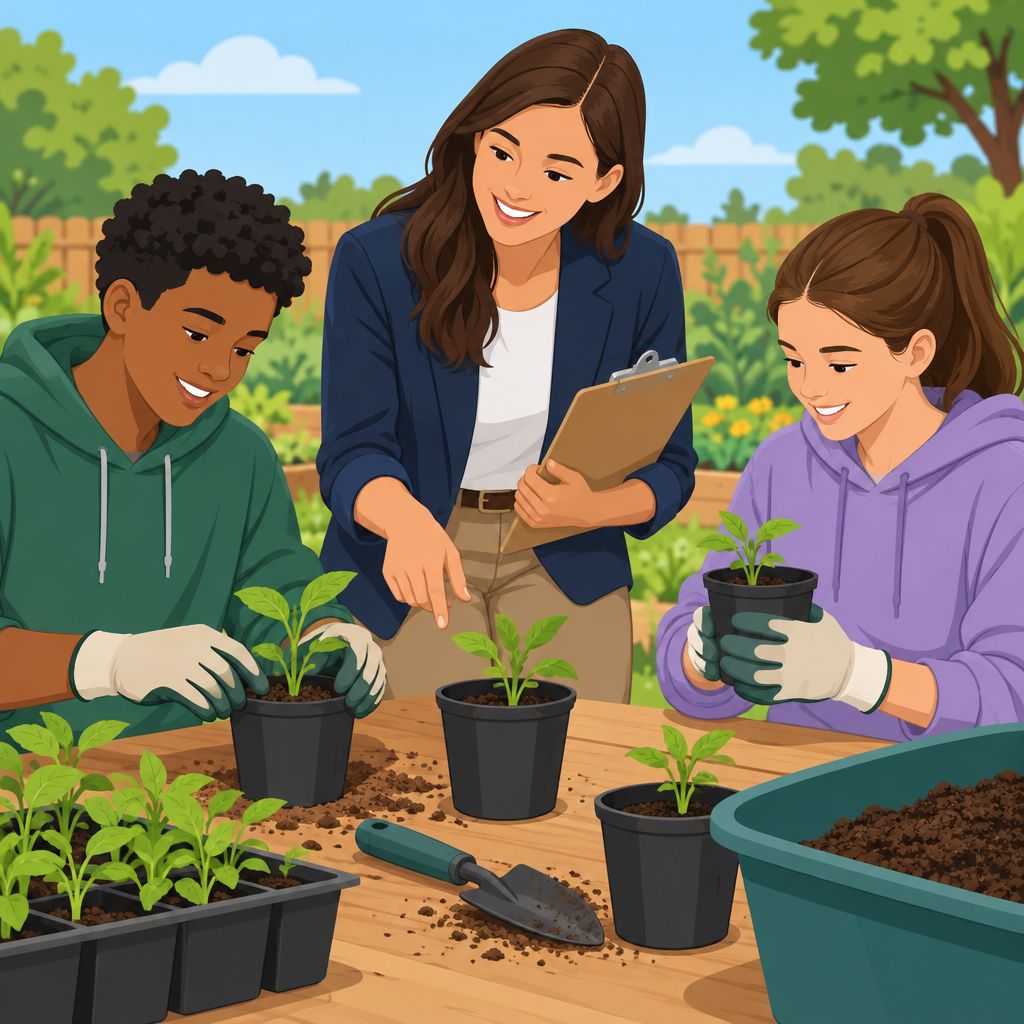
- Coordinate workshops, meetings, and hands-on activities for youth.
- Evaluate the impact and outcomes of educational initiatives.
- Collaborate with volunteers and staff to enhance program quality.
- Provide mentorship and guidance to youth participants.
Through these responsibilities, a 4-H Youth Agent helps young people develop skills and pursue their potential.
Consequently, the agent supports future community leaders through learning, mentorship, and participation.
Daily Tasks of a 4-H Youth Agent
Daily work combines educational planning, youth interaction, communication, and program administration.
The agent supports participants while coordinating volunteers, families, community partners, and stakeholders.
Additionally, the agent evaluates programs, manages resources, and promotes continued youth engagement.
- The agent plans and implements educational programs.
- The agent interacts with youth through workshops, events, and activities.
- The agent builds relationships with youth and their families.
- The agent organizes meetings, training sessions, and project exhibitions.
- The agent creates and manages budgets for programs and activities.
- The agent collaborates with volunteers, partners, and community stakeholders.
- The agent evaluates program outcomes through data collection and analysis.
- The agent guides youth as they pursue personal and educational goals.
- The agent recruits new participants and retains current members.
- The agent attends conferences, workshops, and training sessions.
- The agent communicates with members, parents, and volunteers regularly.
- The agent manages records, reports, and grant writing responsibilities.
- The agent celebrates youth achievements through recognition events and ceremonies.
- The agent participates in professional development activities.
- The agent advocates for the value and impact of 4-H programs.
See Related Content: Agronomist vs. Horticulturist: What's the Difference?
Program Development
- 4-H Youth Agents develop new programs and initiatives within the 4-H program.
- They plan and implement educational activities and events for youth.
- 4-H Youth Agents evaluate program effectiveness and make improvements as needed.
Discover More: Building Resilient Farm Ecosystems
Community Engagement
Community engagement remains a vital part of a 4-H Youth Agent’s role.
Agents connect with residents through events, partnerships, and digital communication.
These efforts help community members learn about 4-H opportunities.
- Agents organize workshops and events to raise awareness about the 4-H program.
- They attend local fairs, festivals, and community gatherings to promote 4-H.
- Agents collaborate with local businesses to sponsor 4-H activities and events.
- They use social media platforms to reach wider audiences and connect with community members.
Collaboration with Schools, Organizations, and Volunteers
Collaboration strengthens the support network surrounding the 4-H program.
Schools, organizations, and volunteers each contribute valuable resources and connections.
Working together helps 4-H deliver stronger youth development opportunities.
- Local schools provide access to youth and educational resources for 4-H programs.
- Organizations offer additional support, resources, and networks for 4-H initiatives.
- Volunteers mentor and guide youth during 4-H activities.
- Collaboration creates a strong support network for youth development initiatives.
Advocating for Youth and Positive Outcomes
Advocacy helps 4-H Youth Agents support positive outcomes for young people.
Agents encourage youth to express their views and participate in decisions.
They also promote leadership, life skills, learning, and personal growth.
- Agents advocate for policies and programs that benefit youth in the community.
- They empower youth to voice opinions and participate in decision-making processes.
- Agents promote positive youth development through leadership, life skills, and educational opportunities.
- They create safe and supportive environments where youth learn, grow, and thrive.
You Might Also Like: Soft Skills for Agricultural Technician Success
Training and Development for 4-H Youth Agents
Ongoing training keeps 4-H Youth Agents informed about current practices.
Professional development strengthens the skills agents use in their daily work.
Continuous learning improves each agent’s ability to support youth effectively.
Importance of Ongoing Training
Ongoing training introduces new strategies and techniques for youth programming.
It also deepens agents’ understanding of youth development principles.
Additionally, training helps agents respond to changing needs and programming trends.
- Agents learn new strategies and techniques through ongoing training.
- Training strengthens their understanding of youth development principles.
- Professional learning helps agents adapt their programs to changing needs.
Ways Agents Stay Current
4-H Youth Agents can attend conferences, workshops, and seminars to expand their knowledge.
Networking connects agents with professionals who share experiences and practical ideas.
Online courses and webinars provide flexible options for continued learning.
- Agents attend conferences, workshops, and seminars for professional learning.
- They network with other professionals in the youth development field.
- They complete online courses and participate in webinars.
Support from Professional Organizations
Professional organizations give agents access to resources, research, and best practices.
They also create opportunities for networking and collaboration.
Transform Your Career Today
Unlock a personalized career strategy that drives real results. Get tailored advice and a roadmap designed just for you.
Start NowFurthermore, these organizations support continuing education and professional growth.
- Organizations provide resources, research, and best practices.
- They encourage networking and collaboration among professionals.
- They support continuing education and career development.
Resources for 4-H Youth Agents
Several organizations and learning platforms support agents throughout their careers.
These resources help agents access information that strengthens youth programming.
Agents can select resources that match their professional learning needs.
- The National 4-H Council supports professional learning and youth development work.
- The Cooperative Extension Service provides resources for 4-H Youth Agents.
- Youth development associations offer professional connections and learning opportunities.
- Educational institutions provide additional training resources.
- Online learning platforms offer accessible courses and educational materials.
Professional Growth and Youth Support
Ongoing training helps 4-H Youth Agents excel in their roles.
Using professional resources allows agents to apply current practices confidently.
As agents continue learning, they strengthen the support they provide to youth.
Explore Further: Creating Effective Conservation Awareness Campaigns
Educational Program Facilitation
A 4-H Youth Agent plans educational programs for young people.
The agent implements activities that support learning through 4-H participation.
These programs give young people structured opportunities to develop their interests.
Volunteer Recruitment and Training
The agent recruits volunteers to assist with 4-H activities.
Volunteers receive training that prepares them to support program activities.
This support helps the agent coordinate activities for participating young people.
Youth Events and Activities
A 4-H Youth Agent organizes events and activities for youth in the community.
The agent coordinates the details needed to deliver each activity.
These events create additional ways for young people to participate in 4-H.
Youth Support and Guidance
The agent provides support as young people participate in 4-H programs.
Guidance helps participants navigate their experiences within the program.
The agent remains available to encourage youth during their participation.
Community Partnership Development
The agent collaborates with community partners to expand 4-H programs.
These partnerships help connect the program with additional community support.
Stronger collaboration can extend opportunities for young people.
The Reach and Value of Youth Agent Work
A 4-H Youth Agent facilitates programs, trains volunteers, and organizes youth activities.
The agent also guides participants and works with community partners.
Readers can learn more about 4-H and consider becoming volunteers or supporters.
- Educational programs give young people opportunities to participate in 4-H learning experiences.
- Volunteers help agents deliver activities that serve participating youth.
- Community partnerships can expand the reach of 4-H programs.
Additional Resources
Google search results for Daily Responsibilities of a 4-H Youth Agent Agricultural
Bing search results for Daily Responsibilities of a 4-H Youth Agent Agricultural


