




From Vineyard to Wine Bottle
A vineyard-to-bottle overview shows how grapes become wine through several connected stages.
Each stage influences the final product and helps explain the work behind every bottle.
Understanding these steps clarifies how producers transform harvested grapes into finished wine.
Harvesting and Crushing Grapes
First, producers harvest grapes for winemaking.
They then crush the grapes to release juice for the next stage.
Consequently, harvesting and crushing begin the transformation from vineyard fruit to wine.
Fermenting the Grape Juice
After crushing, yeast converts the grape juice sugars into alcohol during fermentation.
This process may last several days or weeks, depending on the desired wine style.
Therefore, fermentation changes the juice into wine while supporting the intended style.
Aging Wine for Flavor Development
Once fermentation ends, producers age the wine in barrels or tanks.
During this stage, the wine develops flavors and aromas.
Thus, aging helps shape the quality and complexity of the finished product.
Bottling and Packaging the Wine
After aging, producers bottle the wine for distribution.
They also package it and add labels that help market the product.
Finally, packaging presents the wine to consumers and supports its movement into distribution.
The Value of Understanding Wine Production
Understanding this journey helps consumers appreciate the effort behind each bottle.
It also helps producers protect product quality and consistency.
Together, these perspectives highlight the craftsmanship involved in transforming grapes into wine.
Vineyard
Vineyards provide the land where growers cultivate grapevines specifically for winemaking.
They establish the foundation for grape development and influence the character of resulting wines.
Therefore, understanding vineyard conditions helps explain how growers shape wine quality.
Types of Grapes Grown for Wine
Thousands of grape varieties grow worldwide, but winemakers select only certain varieties for wine production.
Growers classify wine grapes into two main categories: red grapes and white grapes.
Each category contributes distinct flavors, aromas, and colors to the resulting wine.
- Red grapes include Cabernet Sauvignon, Merlot, Pinot Noir, and Syrah.
- These varieties produce bold, complex, and full-bodied red wines.
- White grapes include Chardonnay, Sauvignon Blanc, Riesling, and Pinot Grigio.
- These varieties produce crisp, refreshing, and aromatic white wines.
Factors Affecting Grape Growth
Several environmental factors influence grape growth and development.
Climate, soil composition, and topography work together to create a vineyard’s terroir.
These conditions give grapes from each region distinctive characteristics.
- Climate includes temperature, precipitation, and sunlight exposure.
- Cooler climates produce grapes with higher acidity.
- Warmer climates yield riper, more fruit-forward grapes.
- Soil drainage, nutrient content, and pH levels affect grapevine growth.
- Soil conditions also influence grape yield and flavor complexity.
- Elevation, slope, and vineyard orientation affect grape ripening and quality.
- Higher altitudes can create cooler temperatures and longer growing seasons.
- These conditions can produce more balanced and flavorful grapes.
Importance of Terroir in Grape Quality
Terroir combines a vineyard’s soil, climate, and topography.
This combination strongly influences grape quality and, ultimately, wine quality.
Consequently, terroir gives wines a sense of place that reflects their vineyard origins.
Winemakers study terroir when selecting grape varieties and crafting wines.
They use this knowledge to highlight the vineyard’s distinctive qualities.
Through this approach, winemakers create wines that express their origins.
Harvesting
Harvesting marks a decisive point in the grape growing process.
Winemakers coordinate timing, methods, and ripeness assessments to shape the resulting wine.
These choices affect the grapes before fermentation begins and influence the wine’s quality and character.
- Timing of grape harvest
- Methods of harvesting grapes, including hand-picking and machine harvesting
- The role of grape ripeness in determining wine quality
Timing of Grape Harvest
Harvest timing directly affects the grapes’ sugar levels, acidity, and flavor profile.
Winemakers monitor the grapes carefully to identify the most suitable harvest period.
They also consider the characteristics of each grape variety before selecting a harvest date.
Therefore, precise timing helps winemakers pursue the intended style and balance.
Transform Your Career Today
Unlock a personalized career strategy that drives real results. Get tailored advice and a roadmap designed just for you.
Start NowMethods of Harvesting Grapes
Hand-picking requires workers to select and remove grape clusters individually.
This labor-intensive approach supports selective harvesting and can minimize grape damage.
Machine harvesting uses mechanical equipment to collect large quantities of grapes quickly.
Although efficient and cost-effective, machines may collect leaves, stems, and other unwanted debris.
Grape Ripeness and Wine Quality
Grape ripeness strongly influences the quality and character of the finished wine.
Grapes picked too early may contain insufficient sugar and acidity.
As a result, early-picked grapes can produce unbalanced or underdeveloped wines.
Overripe grapes may create wines that taste excessively sweet or contain high alcohol levels.
Winemakers sample grapes regularly and analyze sugar, acidity, and phenolic ripeness.
These assessments guide harvesting decisions and help achieve the desired wine style.
Gain More Insights: Collaboration Between Food Safety and Other Departments
Crushing and Pressing Grapes
After harvest, winemakers process grapes before they become wine.
Crushing and pressing extract juice from the grapes.
These processes influence the wine’s flavor, aroma, color, and quality.
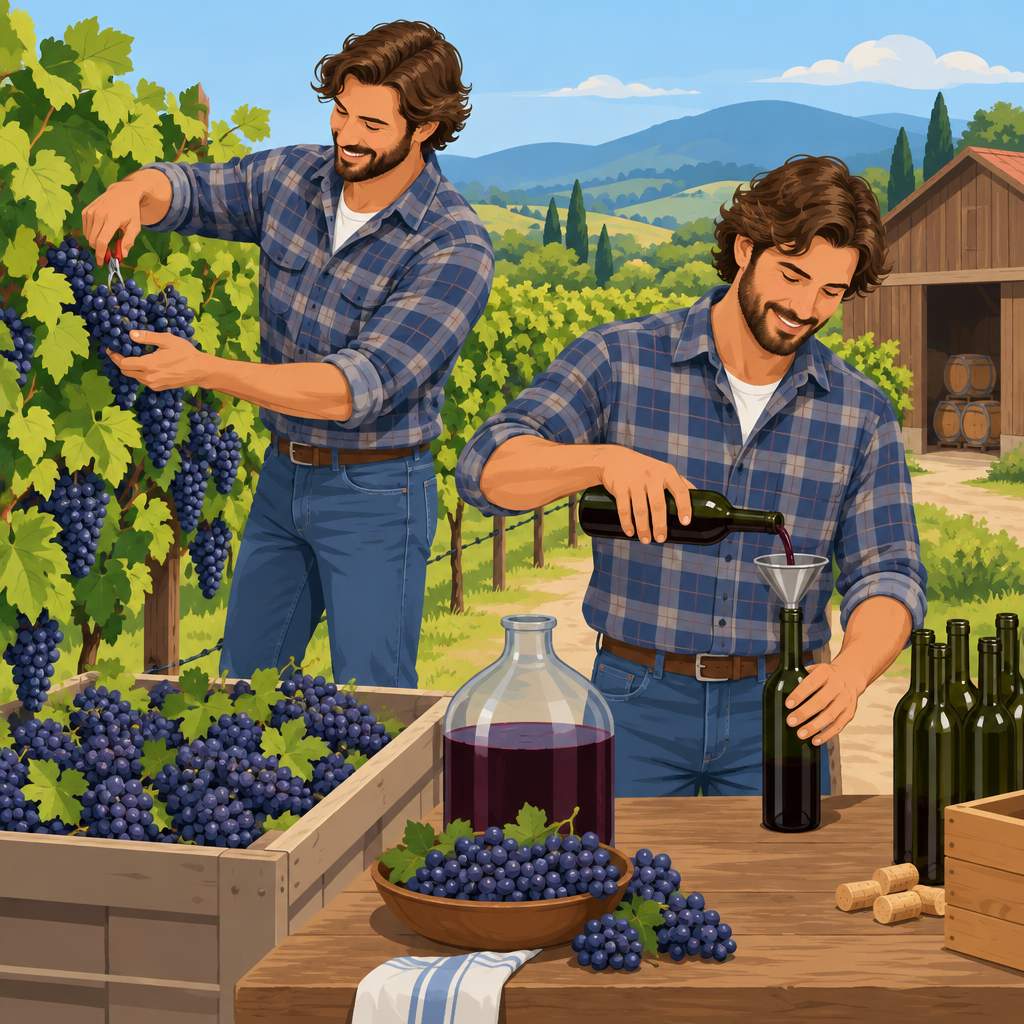
The Crushing Process
Crushing breaks open grapes and releases their juice.
Furthermore, this step helps extract juice without damaging the skins and seeds.
Crushing also breaks down cell walls, allowing the juice to flow freely.
- Crushing begins the juice extraction process.
- Winemakers can crush grapes manually by stomping on them.
- Alternatively, machines can crush the grapes mechanically.
The Pressing Process
Pressing separates juice from skins, seeds, and other solid materials.
Next, winemakers use pressing methods suited to the desired wine style.
Gentle pressing limits the extraction of bitter tannins from skins and seeds.
- Manual basket presses provide one pressing method.
- Pneumatic presses offer another method for extracting juice.
- Pressing helps prevent unwanted flavors from entering the juice.
Effects on Wine Quality
Crushing and pressing determine how efficiently winemakers extract grape juice.
Moreover, these techniques affect the wine’s flavor, aroma, and color.
Careful handling helps winemakers produce balanced and pleasant wine.
- Proper techniques minimize harsh tannin extraction.
- Different pressing techniques can influence the final wine style.
- Careful processing supports consistent wine quality.
Discover More: Technological Advances in Seed Processing
Fermentation in Winemaking
Fermentation transforms grape juice into wine and helps shape the beverage’s flavor and alcohol content.
During this stage, yeast converts grape sugars into alcohol and carbon dioxide.
Temperature and sugar levels influence how effectively fermentation proceeds.
Introducing Yeast to Grape Juice
Winemakers introduce yeast into grape juice to begin fermentation.
Yeast feeds on sugars in the juice, producing alcohol and carbon dioxide.
Additionally, selected yeast strains can contribute distinct flavors and aromas.
Factors Affecting Fermentation
Temperature strongly affects yeast activity during fermentation.
Each yeast strain performs best within a particular temperature range.
Excessive heat or cold can reduce yeast activity and affect the wine’s outcome.
Sugar content also influences the potential alcohol level.
Therefore, winemakers monitor sugar levels while fermentation continues.
Fermentation’s Role in Wine Development
Fermentation develops wine’s flavor, aroma, complexity, and alcohol content.
As yeast converts sugar, it creates byproducts that influence taste and aroma.
Winemakers can guide sweetness and acidity through fermentation choices.
Consequently, fermentation helps create the wine’s final character.
This stage requires precision and expertise to achieve the desired result.
Transform Your Career Today
Unlock a personalized career strategy that drives real results. Get tailored advice and a roadmap designed just for you.
Start NowDiscover More: Future of Agricultural Marketing: Predictions and Insights
Aging
Wine aging uses different containers to shape the finished wine.
Each container influences the wine’s flavors, texture, and development.
Producers select aging methods according to the desired wine style.
- Different containers include barrels, tanks, and bottles.
- Oak barrels influence aging and flavor development.
- Aging length varies among different types of wine.
Container Choices for Wine Aging
Barrels, tanks, and bottles serve as the main containers for wine aging.
Each container gives the wine distinct characteristics during maturation.
Producers choose among these containers to support specific flavor and texture goals.
Barrels: Oak barrels remain a popular choice for aging wine.
Oak’s porous structure permits slow oxygenation during aging.
This process softens the wine and adds complexity.
The wood can also contribute vanilla, spice, and caramel flavors.
Tanks: Stainless steel tanks often hold white wines and some red wines.
Stainless steel does not add additional flavors to the wine.
Therefore, tanks help preserve freshness and fruit character.
Bottles: Some high-end wines continue aging inside bottles.
The bottle provides a controlled environment for gradual development.
Consequently, the wine can become more complex and refined.
Oak Barrels and Flavor Development
Oak barrels contribute significantly to wine aging and flavor development.
Their porous structure allows controlled oxygen exposure.
This oxygen exposure softens the wine and helps integrate its flavors.
Oak can add vanilla, spice, and toast flavors to the wine.
These contributions increase the wine’s depth and complexity.
Barrels also support micro-oxygenation during the aging process.
Micro-oxygenation helps develop tannins and stabilize the wine’s color.
Oak tannins add structure and influence the wine’s mouthfeel.
They also act as a natural preservative during aging.
As a result, oak aging can create a more nuanced wine.
Aging Length by Wine Type
Aging length depends on the wine type and the intended style.
Red wines generally age longer because they contain more tannins and structure.
White wines often require shorter aging periods to preserve freshness.
White Wines: White wines commonly age for several months to one year.
This shorter period helps retain their freshness and fruit character.
The resulting profile often remains crisp and vibrant.
Red Wines: Red wines may age from several months to several years.
The exact period depends on the wine’s style and quality.
Extended aging softens tannins and integrates the wine’s flavors.
It can also increase the wine’s overall complexity.
Gain More Insights: Agricultural Economists in Academia and Research
Blending Wine Batches
Blending combines separate wine batches into one balanced and harmonious product.
It helps winemakers shape consistent flavors, aromas, and textures across different wines.
Transform Your Career Today
Unlock a personalized career strategy that drives real results. Get tailored advice and a roadmap designed just for you.
Start NowAdditionally, blending gives winemakers greater control over the finished wine’s character.
Purposes of Blending Different Wine Batches
Winemakers blend wines from different grape varieties to improve complexity and balance.
They may also combine wines from separate vineyards or vintages.
As a result, the finished wine can exceed the qualities of its individual components.
Blending Techniques for Desired Flavor Profiles
Winemakers test different combinations before selecting the final blend.
They adjust proportions to create the desired flavor, aroma, and texture.
Furthermore, small trials help winemakers make precise changes before production.
- Assemblage combines wines in specific proportions for balance.
- Trial blending compares different ratios to identify a suitable combination.
- Micro-blending uses small wine portions for precise adjustments.
- Barrel blending combines wines from separate barrels for added complexity and depth.
Consistency in Mass-Produced Wine Blending
Consistent blending helps mass-produced wines maintain a familiar taste each year.
Moreover, reliable flavor and quality help producers meet consumer expectations.
This consistency also supports brand loyalty by delivering a dependable product.
Therefore, blending remains an important tool for creating balanced, complex, and consistent wines.
Bottling
After maturation and aging, the wine becomes ready for bottling.
This final stage protects the wine’s quality and stability.
Careful handling helps preserve freshness until consumers open each bottle.
Filtering and Bottling Wine
First, workers filter the wine before transferring it into bottles.
Filtration removes sediment and impurities, which improves clarity and stability.
Next, workers transfer the filtered wine into clean bottles.
This careful step prevents contamination and helps maintain the wine’s freshness.
Packaging, Labeling, and Corking
The bottle and packaging materials can influence the wine’s appearance and shelf life.
For example, producers commonly use dark glass bottles to protect wine from light exposure.
Meanwhile, labels provide details about the wine’s origin, grape variety, vintage, and alcohol content.
Labels also help wineries attract consumers.
Traditionally, corks seal wine bottles and allow slow oxygen exchange.
However, screw caps and synthetic corks offer convenient and consistent sealing alternatives.
Quality Control for Wine Stability and Freshness
Before bottling, winemakers often conduct sensory evaluations of the wine.
A tasting panel assesses the wine’s aroma, flavor, and overall quality.
Additionally, laboratory analysis monitors pH levels, acidity, and microbial stability.
These tests help prevent spoilage and support the wine’s longevity.
Finally, workers inspect the bottling line before and during production.
They check bottles, labels, and closures for defects or other issues.
Workers address discrepancies promptly to maintain consistent wine quality.
Crafting Wine Beyond Harvest
After harvest, grapes undergo crushing, fermentation, and aging to transform into wine.
The journey to a wine bottle includes pressing, blending, and bottling.
Furthermore, we should appreciate winemakers’ labor and expertise as they nurture grapes and craft wines for us.
Finally, wine enthusiasts can explore different wines while appreciating the craftsmanship behind each bottle.
Additional Resources
Google search results for The Journey from Vineyard to Wine Bottle Agricultural
Bing search results for The Journey from Vineyard to Wine Bottle Agricultural


