




Introduction
DevOps is a software development methodology.
It focuses on collaboration between development and operations teams.
Version control is a system that records changes to a file or set of files over time.
This system allows you to recall specific versions later.
Overview of Version Control
- Definition of version control and its purpose
- Different types of version control systems
- Importance of version control in software development projects
Version control is a system that records changes to a file or set of files over time.
You can recall specific versions later using version control.
It allows you to revert files back to a previous state when needed.
You can compare changes over time with version control.
It also tracks who last modified the file or content.
There are two main types of version control systems: centralized and distributed.
Centralized systems have a single central server storing all files and versions.
Distributed systems allow each user to have their own repository for more flexibility and control.
Version control is crucial in software development projects for several reasons.
It enables collaboration among team members by providing a central repository.
Changes can be shared and merged efficiently using version control.
This ensures that everyone works on the most up-to-date code version.
Using version control reduces the chances of conflicts and errors.
Furthermore, version control helps manage and track changes to code over time.
It provides a history of modifications to understand why changes were made.
Developers can revert to previous states if needed when problems occur.
This is especially useful for troubleshooting or rolling back changes that introduced bugs.
Effective version control plays a vital role in smooth and efficient software development.
It helps maintain code quality throughout the project lifecycle.
Collaboration is facilitated among developers using version control systems.
Overall, developers can work more effectively and productively with proper version control.
Role of Version Control in Collaboration
- Facilitates collaboration among developers working on the same project.
- Allows for easy tracking of changes made by team members.
- Ensures that everyone is working on the latest version of the code.
Version control plays a crucial role in enabling collaboration among developers working on a project.
It provides a structured way for team members to work together seamlessly, ensuring efficiency and productivity.
With version control systems like Git, team members can easily access and update the codebase.
This eliminates the need for manual file sharing or merging changes, streamlining the development process.
Tracking changes made by different team members becomes effortless with version control.
Developers can see who made what changes, when they were made, and why, allowing for better transparency and accountability within the team.
Moreover, version control ensures that everyone is always working on the latest version of the code.
When multiple developers are working on the same project, it is essential to have a centralized system that keeps all changes up to date.
By utilizing version control, team members can avoid conflicts that arise from working on outdated versions of the code.
This helps prevent errors and inconsistencies in the final product, saving valuable time and resources.
Version control is a key component in fostering collaboration among developers.
It promotes teamwork, accountability, and efficiency in software development projects.
The use of version control ultimately leads to the successful delivery of high-quality products.
Explore Further: Strategies for Post-Release Reviews and Improvements
Ensuring Code Quality and Stability
- Version control helps in maintaining a stable codebase.
- It allows for easy testing and integration of code changes.
- Version control helps in identifying and fixing bugs quickly.
Version control is a critical component of any DevOps workflow.
Transform Your Career Today
Unlock a personalized career strategy that drives real results. Get tailored advice and a roadmap designed just for you.
Start NowIt plays a crucial role in ensuring code quality and stability.
By using version control systems like Git, teams can effectively manage their codebase.
They can also collaborate seamlessly on projects.
Here are some ways in which version control helps maintain code quality and stability.
- Maintaining a Stable Codebase: Version control systems provide a central repository where all code changes are tracked.
- Developers can work on different features without affecting the main codebase.
- This approach helps keep the codebase stable and allows changes to be reverted if necessary.
- Easy Testing and Integration of Code Changes: Teams can create branches to work on new features or bug fixes independently.
- This method simplifies testing of changes and integration back into the main codebase once ready.
- Continuous Integration (CI) tools automate testing, ensuring code changes are thoroughly checked before deployment.
- Identifying and Fixing Bugs Quickly: Version control systems track every code change.
- This tracking makes it easier to pinpoint the source of bugs or errors.
- Developers can use branching and diff tools to isolate problematic changes and fix issues swiftly.
- These practices maintain overall codebase stability and ensure a smooth development process.
Version control is an essential tool in DevOps that helps teams maintain code quality and stability throughout development.
By implementing best practices and using version control systems effectively, teams can streamline workflows and collaborate more efficiently.
They can deliver high-quality software products consistently.
You Might Also Like: How CRM Developers Support Customer Support Teams
Version Control in Continuous Integration and Continuous Deployment
- Integrating version control with CI/CD pipelines for automated testing and deployment.
- Ensures that only tested and approved code changes are deployed to production.
- Helps in maintaining a smooth and efficient development process.
In the realm of DevOps, version control plays a crucial role in ensuring the success of Continuous Integration (CI) and Continuous Deployment (CD) processes.
By integrating version control systems like Git with CI/CD pipelines, organizations can streamline their development workflow.
This integration helps achieve greater efficiency in delivering software.
Version control in CI/CD pipelines allows for automated testing and deployment.
As soon as a developer pushes code changes to the repository, the CI/CD pipeline activates.
The pipeline then runs tests to ensure the changes meet quality standards before deployment.
This automation saves time and reduces the risk of human error during deployment.
Version control in CI/CD pipelines ensures only tested and approved code changes are deployed.
This practice maintains the stability and reliability of the released software.
Enforcing this process prevents untested or buggy code from reaching production.
As a result, organizations deliver a more robust and high-quality product.
Version control also helps maintain a smooth and efficient development process.
By tracking all code changes, it enables developers to collaborate seamlessly.
Version control systems provide a centralized repository for teams to work together.
Teams can avoid conflicts and prevent losing code during collaboration.
This fosters a collaborative environment and promotes transparency.
It becomes easier for teams to stay aligned and work towards common goals.
Version control is a fundamental component of DevOps practices within CI/CD pipelines.
Integration of version control with CI/CD automates testing and deployment effectively.
Such integration ensures the quality of code changes and maintains workflow efficiency.
Ultimately, version control enables teams to deliver high-quality software reliably and efficiently.
This capability drives business success in today’s competitive landscape.
Explore Further: Interview Tips for Aspiring Technical Support Engineers
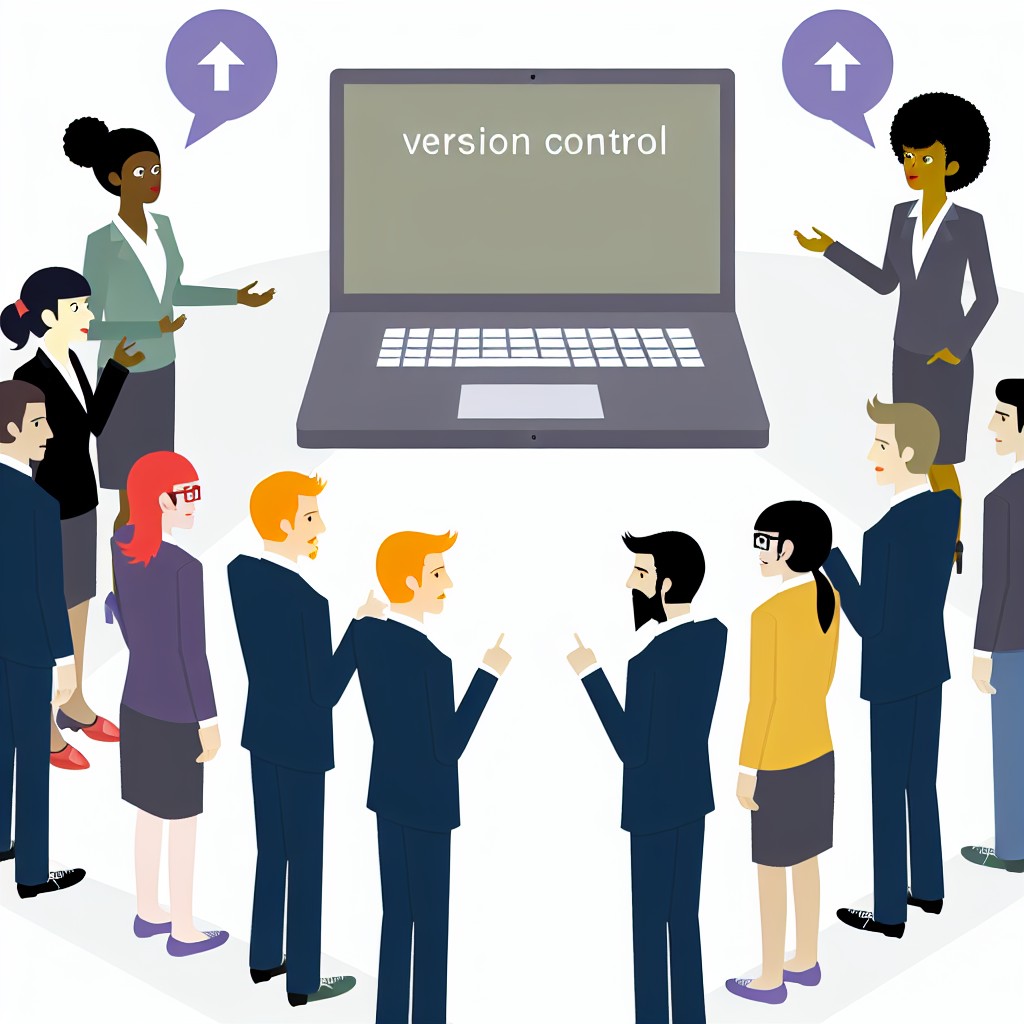
When it comes to managing conflicts in development, a version control system plays a crucial role.
Version control helps developers resolve conflicts that occur when working on the same file.
The system allows seamless merging of changes and tracks who made each modification.
Additionally, highlighting conflicting changes ensures developers notice discrepancies before merging.
Version control promotes collaboration and improves visibility during development workflows.
Managing Conflicts
- Version control system helps in resolving conflicts that arise when multiple developers work on the same file.
- It allows developers to merge changes seamlessly and keeps track of who made what changes.
- By highlighting conflicting changes, it ensures that developers are aware of any discrepancies before merging.
- Version control promotes collaboration and visibility, facilitating smoother development workflows.
Rollbacks in Development
- Version control system allows easy rollback to previous versions in case of errors or issues.
- This feature is essential when a new version introduces bugs or breaks functionality.
- Rollbacks enable reverting to a stable state quickly, minimizing downtime and user impact.
- By providing a history of changes, version control ensures confidence in returning to a known good state.
Version control systems safeguard the development process from errors and conflicts.
They foster collaboration and help maintain code integrity.
Moreover, they provide a safety net through rollbacks when issues arise.
You Might Also Like: Top Certifications for IT Vendor Managers
Transform Your Career Today
Unlock a personalized career strategy that drives real results. Get tailored advice and a roadmap designed just for you.
Start NowImportance of Version Control in DevOps Workflows
Version control plays a crucial role in DevOps by ensuring that changes are tracked effectively.
It helps streamline development by allowing teams to work collaboratively.
This reduces errors and conflicts during the coding process.
Developers can easily track changes by using version control.
They can revert to previous versions and maintain a history of the codebase.
Implementing version control improves code quality significantly.
It also enhances team collaboration and overall productivity.
Therefore, developers should incorporate tools like Git, SVN, or Mercurial in their workflows.
Successful DevOps implementation relies heavily on version control to manage code efficiently.
It promotes seamless collaboration across development teams.
Version control is a cornerstone of DevOps practices.
It enables teams to work together effectively and deliver high-quality software.
This practice helps achieve continuous improvement in software development.
Additional Resources
DevOps based migration aspects from Legacy Version Control …
A Comprehensive Guide to Becoming a DevOps Engineer | About Us