




Edge Computing and Its Importance
Edge computing moves processing power closer to data sources.
This approach reduces latency and bandwidth use.
It also improves performance in increasingly connected environments.
Businesses increasingly need this technology as connectivity expands.
The Role of Edge Computing Specialists
Edge computing specialists manage efficient data processing at the edge.
They help organizations use edge networks effectively.
Their work supports IoT devices and real-time analytics.
Tools for Successful Edge Computing Projects
Specialists need suitable software and hardware to succeed.
These resources influence project outcomes directly.
They also support deployment, management, and security across edge networks.
Edge Devices
Edge devices collect and process data at its source.
Common examples include sensors, gateways, and routers.
These devices require robust processing capabilities and strong security features.
Data Analytics Tools
Data analytics tools help specialists extract insights from collected data.
These tools should support real-time analytics and machine learning capabilities.
Apache Kafka and TensorFlow provide popular options for these needs.
Development Frameworks
Development frameworks support application deployment at the edge.
Azure IoT Edge and AWS Greengrass provide examples of these frameworks.
They simplify management and enable integration with cloud services.
Networking Solutions
Networking solutions maintain reliable communication between devices.
Technologies such as 5G and LoRaWAN provide low-latency connections.
These connections support essential communication requirements for edge computing.
Security Software
Security remains a major concern in edge computing.
Specialists must protect data integrity with robust security solutions.
Firewalls and intrusion detection systems provide vital protection.
Selecting Tools for Edge Computing
Edge computing specialists need several tools to perform effectively.
These tools improve their ability to deploy, manage, and secure edge networks.
Careful resource selection supports practical and successful implementations.
Hardware Tools for Edge Computing Specialists
Edge computing requires specialized hardware for effective local data processing.
These tools help specialists support reliable operations across connected environments.
Key hardware categories include computing devices, sensors, and gateways.
Edge Computing Devices
Edge devices process information near its source and support responsive applications.
Different devices address different performance, cost, and environmental requirements.
Specialists can select devices according to workload complexity and operating conditions.
- Raspberry Pi: This compact computer processes data locally and supports affordable edge prototypes.
- NVIDIA Jetson Nano: This device supports machine learning workloads and image processing at the edge.
- Industrial PCs (IPCs): These rugged devices provide reliable computing power for harsh industrial environments.
The Raspberry Pi offers versatility for developers creating prototypes and testing applications.
The NVIDIA Jetson Nano handles complex artificial intelligence algorithms without relying on cloud resources.
Industrial PCs support uptime and reliability for critical manufacturing operations.
Sensors for Local Data Collection
Sensors provide the information that edge systems use for analysis and decisions.
They capture environmental conditions, visual information, and movement patterns.
Consequently, sensors support monitoring, automation, security, and machine vision applications.
Transform Your Career Today
Unlock a personalized career strategy that drives real results. Get tailored advice and a roadmap designed just for you.
Start Now- IoT Sensors: These devices collect environmental data, including temperature and humidity measurements.
- Visual Sensors: Cameras and imaging sensors capture information for object detection and facial recognition.
- Motion Sensors: These sensors detect movement for security systems and automated processes.
IoT sensors provide timely information that improves responsiveness.
Visual sensors enable machine vision applications across various industries.
Motion sensors support security systems and automation processes.
Gateways for Device Communication
Gateways manage communication between sensors, edge devices, and cloud systems.
They organize data flows and help diverse devices exchange information.
Therefore, gateways strengthen interoperability throughout edge computing ecosystems.
- IoT Gateways: These devices connect sensors with edge systems and cloud platforms.
- Data Acquisition Systems: These systems gather information from multiple sources for analysis.
- Protocol Converters: These gateways translate formats and communication protocols between devices.
IoT gateways handle data from sensors and forward it for processing.
Data acquisition systems streamline collection and consolidate information.
Protocol converters promote communication across diverse devices and platforms.
Why High-Quality Hardware Matters
Hardware quality strongly influences the performance and reliability of edge solutions.
Careful hardware selection helps specialists build dependable systems.
It also supports demanding workloads and changing operational requirements.
Performance and Efficiency
High-quality hardware supports efficient data processing at the edge.
Reliable devices minimize downtime and improve operational performance.
They handle demanding tasks without unnecessary lag or interruption.
Durability in Challenging Environments
Edge systems often operate in environments with difficult conditions.
Durable hardware withstands weather, humidity, and dust.
This resilience extends device lifespans and reduces replacement needs.
Scalability for Growing Workloads
Robust hardware makes edge computing solutions easier to expand.
High-quality components accommodate larger workloads and additional devices.
As demands grow, scalable hardware supports continued system development.
Security Features for Edge Systems
Security remains critical because edge devices often connect directly with the internet.
High-quality hardware includes features that help protect data from unauthorized access.
These protections help safeguard sensitive information and support regulatory compliance.
Building Reliable Edge Computing Solutions
Hardware tools provide the foundation for effective edge computing solutions.
Devices, sensors, and gateways work together to process information locally and efficiently.
Quality hardware supports performance, durability, scalability, and security.
By selecting suitable tools, specialists can create robust computing solutions.
These solutions support innovation and address evolving industry requirements.
Understanding each component helps professionals make informed hardware decisions.
Importance of Software Tools in Edge Computing
Software tools help edge computing specialists process, analyze, and manage data near its source.
These tools support faster decisions by reducing delays during data processing.
They also help specialists coordinate distributed resources across connected environments.
As connected devices increase, organizations need effective software to manage edge operations.
Popular Software Tools for Edge Computing Specialists
Specialists use several software categories to support edge computing operations.
Each category addresses specific needs, including analytics, connectivity, deployment, learning, and security.
Together, these tools help organizations coordinate applications and data across edge locations.
- Edge analytics platforms: These platforms analyze local data and provide timely operational insights.
- IoT platforms: These platforms connect, monitor, and update edge devices efficiently.
- Data management systems: These systems organize data collection, storage, retrieval, and movement.
- Container orchestration tools: Kubernetes manages containerized applications across multiple edge locations.
- Machine learning frameworks: TensorFlow and PyTorch support predictive analytics and automation at the edge.
- Security solutions: These solutions protect edge devices, data, and network connections.
How Software Tools Improve Edge Data Processing
Software tools improve how specialists process and analyze information at the edge.
They combine local processing, device coordination, security controls, and analytical capabilities.
Consequently, specialists can manage edge workloads more consistently and respond to changing conditions.
Transform Your Career Today
Unlock a personalized career strategy that drives real results. Get tailored advice and a roadmap designed just for you.
Start Now- Real-time processing: Analytics platforms evaluate data as devices generate it, supporting timely decisions.
- Lower bandwidth use: Local processing reduces the data that specialists send to cloud systems.
- Stronger data protection: On-site processing keeps sensitive information within local environments more often.
- Greater scalability: Orchestration tools help specialists deploy and expand applications across edge devices.
- Device compatibility: IoT platforms help specialists integrate and manage diverse connected devices.
- Smoother integration: Software tools connect with existing systems and help organizations extend current capabilities.
- Predictive capabilities: Machine learning frameworks help specialists identify potential issues before failures occur.
Strategic Selection of Edge Software Tools
Edge computing continues to evolve as organizations handle larger volumes of distributed data.
Therefore, specialists should evaluate software according to operational requirements and available resources.
The right combination of tools can improve processing, device management, analysis, and security.
Organizations can then strengthen edge operations while supporting responsive and informed decision-making.
Ultimately, software choices should align with each organization’s specific goals.
Explore Further: Networking Tips for Application Support Analysts
Networking Tools in Edge Computing Environments
Networking tools enable seamless communication across edge computing environments.
This communication supports data processing and analysis near connected devices.
Furthermore, efficient data transmission improves performance and operational efficiency.
These tools also manage connections among sensors, IoT devices, and remote servers.
SD-WAN Technology for Edge Networks
SD-WAN technology changes how enterprises manage connections between headquarters and remote locations.
It improves network performance by routing traffic through efficient pathways.
Additionally, SD-WAN prioritizes critical applications and assigns them necessary bandwidth.
This capability helps organizations reduce delays during demanding edge computing operations.
Moreover, centralized controls simplify monitoring, troubleshooting, and network administration.
Administrators can adjust configurations as business requirements change.
Security Protocols for Edge Computing
Security protocols protect sensitive information as data moves across edge environments.
Edge computing specialists must address vulnerabilities across numerous connected devices.
Several protocols strengthen communication security and limit unauthorized access.
- SSL/TLS: This protocol encrypts data during transmission between devices.
- IPsec: This protocol encrypts and authenticates IP packets.
- VPNs: These networks create secure tunnels for remote access.
- Access Control Lists (ACLs): These lists restrict resource access to authorized devices.
- Firewalls: These tools block unauthorized access and reduce cyber threats.
Together, these controls create a stronger security framework.
They also reduce risks involving data breaches and unauthorized communication.
Reliable Connectivity Across Edge Systems
Networking tools maintain dependable connectivity across distributed edge systems.
They prioritize traffic and provide immediate access to important applications.
Reliable connections support real-time analytics and timely organizational decisions.
Moreover, redundant pathways reduce downtime when individual connections fail.
This redundancy supports mission-critical applications that require consistent availability.
Networking tools also help organizations expand deployments across geographic locations.
Data Protection in Edge Environments
Data security remains essential throughout edge computing operations.
Networking tools protect data integrity while maintaining reliable connections.
Advanced threat detection identifies unusual activity across connected systems.
Administrators receive alerts that support faster responses to potential threats.
Organizations should also encrypt personal and sensitive information.
Encryption supports privacy requirements and strengthens customer trust.
Consequently, networking tools improve security practices and support regulatory compliance.
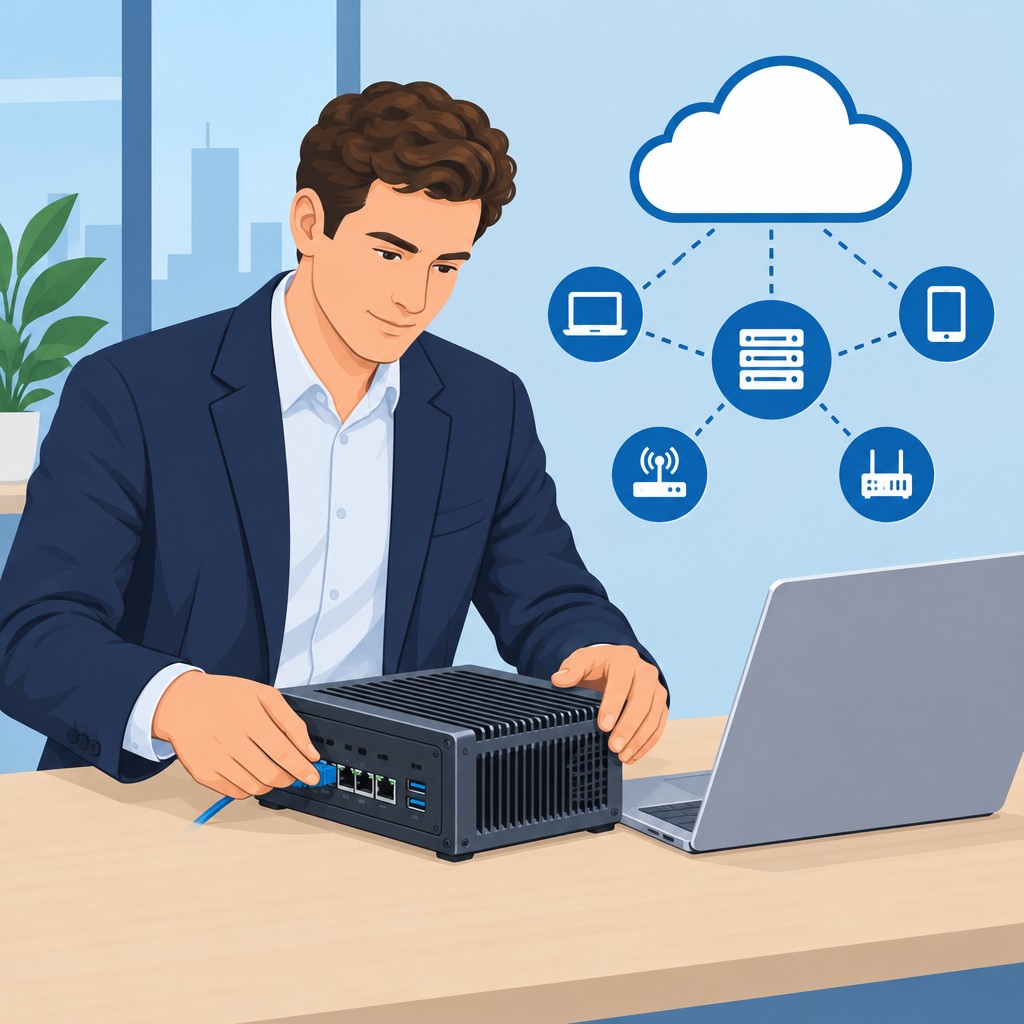
Networking Tools Supporting Edge Innovation
Networking tools support secure and efficient communication across edge infrastructures.
SD-WAN technology improves traffic management and simplifies network administration.
Security protocols protect information and limit unauthorized system access.
As edge computing evolves, specialists must monitor emerging networking developments.
Organizations can then use reliable connectivity to support innovation and growth.
Learn More: The Importance of Version Control in Back End Development
Transform Your Career Today
Unlock a personalized career strategy that drives real results. Get tailored advice and a roadmap designed just for you.
Start NowMonitoring Tools for Edge Computing Operations
Monitoring tools give specialists real-time visibility into edge system performance and health.
They reveal device conditions, network behavior, application activity, and infrastructure status.
Consequently, specialists can identify changes quickly and maintain dependable edge operations.
- Remote Monitoring Software: Specialists supervise distant devices and review health, connectivity, and performance data.
- Network Performance Monitoring Tools: These tools measure latency and bandwidth usage across connected systems.
- Logging and Analytics Tools: Specialists aggregate logs to investigate anomalies and anticipate possible failures.
- Application Performance Monitoring: APM solutions reveal bottlenecks in applications operating on edge devices.
- Infrastructure Monitoring Tools: These tools track physical components and help specialists maintain operational devices.
Management Tools for Distributed Edge Systems
Management tools help specialists administer devices, configurations, resources, security, and data protection.
They also simplify remote updates and support consistent practices across distributed environments.
As a result, specialists can coordinate operations while reducing administrative effort.
- Edge Device Management Platforms: These platforms organize device fleets and support remote updates.
- Configuration Management Tools: Specialists maintain consistent configurations and reduce misconfiguration risks.
- Security Management Tools: These tools enforce security protocols and help monitor compliance.
- Resource Orchestration Tools: Automation allocates computing resources according to changing demand.
- Backup and Recovery Solutions: These solutions protect data and restore services after failures.
Performance Optimization Through Continuous Oversight
Effective monitoring and management improve how specialists operate edge computing systems.
These tools provide evidence that supports timely adjustments and informed operational decisions.
Furthermore, specialists can compare results over time and address weaknesses before they worsen.
- Real-Time Insights: Current information helps specialists adjust processes without unnecessary delay.
- Preventative Maintenance: Early warnings let specialists address problems before equipment fails.
- Performance Benchmarking: Recorded measurements help specialists evaluate system effectiveness over time.
- Resource Allocation: Management tools direct resources toward areas experiencing greater demand.
- Efficient Troubleshooting: Logs and analytics help specialists diagnose problems more quickly.
Troubleshooting and Operational Response
Specialists need coordinated information when edge systems develop performance or reliability issues.
Monitoring tools connect evidence from devices, applications, and historical records.
Meanwhile, management tools document responses and support faster service restoration.
- Data Correlation: Specialists compare device and application information to locate underlying problems.
- Alerting Mechanisms: Alerts notify specialists when systems show unusual behavior.
- Historical Data Analysis: Past records reveal trends that may precede operational issues.
- Remote Troubleshooting: Specialists investigate problems without traveling to device locations.
- Documentation and Reporting: Records preserve issue details and solutions for future reference.
Reliability Practices for Edge Computing Systems
Reliable edge operations depend on consistent oversight, secure administration, and balanced resource usage.
Monitoring exposes developing concerns, while management tools help specialists apply corrective measures.
Together, these capabilities support dependable services for organizations using connected devices.
- Proactive Monitoring: Continuous observation helps specialists address potential failures early.
- Improved Security Posture: Consistent protocols reduce threats that could disrupt operations.
- Smart Alerts: Custom settings direct attention toward the most important issues.
- Balanced Load Distribution: Orchestration tools reduce excessive pressure on individual devices.
- Regular Audits: Audits help specialists review compliance and assess system integrity.
Explore Further: Top IoT Developer Conferences and Events in 2025
Importance of Data Storage Tools in Edge Computing
Data storage tools manage and store large volumes of data at edge locations.
Edge environments process information near its source, which reduces latency.
This proximity creates substantial amounts of information that require efficient storage.
Effective storage solutions keep data accessible, organized, and manageable.
Furthermore, specialized tools improve performance and strengthen data reliability.
As Internet of Things devices expand, they generate increasingly abundant real-time data.
Businesses use this information for immediate analytics and decision-making.
Therefore, edge storage solutions must support distributed networks, high availability, and low latency.
Key Tools for Edge Data Storage
Several tools improve data storage capabilities within edge computing environments.
Each tool helps specialists manage and retrieve information efficiently.
The following categories represent essential edge data storage tools.
- Edge Storage Devices
- Edge Caching Solutions
- Distributed File Systems
Edge Storage Devices
Edge storage devices provide hardware-based storage near data generation points.
These devices offer fast data access and local processing capabilities.
Their design supports rapid retrieval while maintaining system performance.
Several device types support storage requirements at the edge.
- Network Attached Storage (NAS)
- Storage Area Network (SAN)
- Solid State Drives (SSDs)
- Hybrid Storage Solutions
Network Attached Storage provides a centralized location that multiple devices can access through a local network.
Storage Area Networks provide block-level storage for high-demand applications.
Solid State Drives improve read and write speeds compared with traditional hard drives.
Hybrid solutions combine solid state drives and hard disk drives for cost-effective storage.
These devices help specialists manage large datasets effectively.
They also reduce pressure on central data centers.
Additionally, local storage devices support rapid analytics and timely insights.
Edge Caching Solutions
Edge caching solutions optimize data retrieval by storing frequently accessed copies near users.
This approach reduces travel distance, lowers latency, and improves user experience.
Transform Your Career Today
Unlock a personalized career strategy that drives real results. Get tailored advice and a roadmap designed just for you.
Start NowSeveral caching tools support efficient data access.
- Content Delivery Networks (CDNs)
- In-memory Caching Systems
- Edge Gateway Solutions
Content Delivery Networks distribute content across multiple locations.
Users can access information from the nearest available cache point.
In-memory systems such as Redis and Memcached store information in memory for faster access.
Edge gateways combine device management with caching capabilities.
Effective caching also reduces bandwidth costs.
It limits repeated requests to centralized servers and improves response times.
Consequently, businesses can improve user satisfaction through faster data delivery.
Distributed File Systems
Distributed file systems manage large data volumes across multiple storage nodes.
These systems distribute information across nodes to provide redundancy and reliability.
As a result, specialists can reduce data loss risks and maintain availability.
Several distributed file systems support edge storage requirements.
- Hadoop Distributed File System (HDFS)
- Ceph
- Google File System (GFS)
HDFS supports large datasets and uses replication to provide fault tolerance.
Ceph distributes data automatically and supports scalable storage with redundancy.
Google File System supports large-scale data processing.
These systems enable efficient retrieval in demanding environments.
Strategies for Efficient Edge Data Storage
Efficient storage and retrieval improve the performance of edge computing environments.
Specialists can apply several strategies to improve storage efficiency.
These strategies help organizations manage capacity and preserve important information.
- Data Prioritization – Categorizing information by importance keeps critical data readily available.
- Data Compression – Reducing data size minimizes storage requirements and preserves device capacity.
- Data Deduplication – Removing duplicate information saves space and improves storage efficiency.
- Regular Audits – Routine audits keep storage systems clean, current, and efficient.
Data prioritization improves retrieval times by organizing critical information effectively.
Data compression extends storage capacity while maintaining access speed.
Moreover, deduplication becomes increasingly valuable as data volumes grow.
It reduces storage requirements and lowers related costs.
Finally, regular audits prevent obsolescence and support consistent performance.
Operational Benefits of Edge Storage
The right storage tools help specialists manage edge-generated information effectively.
Storage devices, caching solutions, and distributed file systems support this objective.
Organizations can combine these tools with practical storage strategies.
This approach supports rapid processing and improves overall system performance.
It also helps businesses maintain accessible information across distributed environments.
Furthermore, efficient storage can contribute to improved user satisfaction.
Discover More: Telecommunications Specialist: Understanding Client Needs
Edge computing systems require robust security measures.
Businesses increasingly rely on edge computing to process information across distributed environments.
Therefore, protecting sensitive data remains essential for operational continuity.
Cyber threats target vulnerabilities in interconnected devices and communications.
Effective security tools protect devices and strengthen business operations across edge environments.
Security Requirements in Edge Computing
Edge computing decentralizes data processing and brings storage closer to where organizations need it.
This structure improves performance and reduces latency, but it also creates additional security challenges.
Many distributed devices operate in exposed locations and may lack adequate protection.
- Data breaches
- Denial-of-Service attacks
- Unauthorized device access
- Malware infections
- Communication interception between devices
Consequently, edge computing specialists must deploy security measures from the beginning.
Transform Your Career Today
Unlock a personalized career strategy that drives real results. Get tailored advice and a roadmap designed just for you.
Start NowWithout adequate controls, organizations may face financial loss, reputational damage, and legal repercussions.
A layered security strategy helps organizations manage these risks more effectively.
Essential Security Tools for Edge Computing
Several security tools protect data, devices, networks, and compliance activities.
Each tool addresses different risks within a distributed computing environment.
Together, these technologies provide broader protection for edge operations.
- Encryption software
- Firewall solutions
- Intrusion detection and prevention systems
- Threat detection tools
- Device management platforms
- Security information and event management systems
Encryption Software for Edge Data
Encryption software protects data at rest and during transmission.
It transforms sensitive information into unreadable code that requires a decryption key.
As a result, intercepted information remains protected from unauthorized users.
- Protection for sensitive customer data
- Support for GDPR and CCPA compliance
- Greater confidentiality for proprietary business information
Firewall Solutions for Edge Devices
Firewall solutions monitor incoming and outgoing network traffic.
They create a barrier between trusted internal networks and untrusted external networks.
Therefore, organizations can restrict unauthorized access to edge devices.
- Packet filtering analyzes individual data packets
- Stateful inspection monitors active connections
- Application-layer filtering examines specific applications
Intrusion Detection and Prevention Systems
Intrusion detection and prevention systems monitor network traffic for suspicious activity.
These systems can automatically block incidents or record them for later analysis.
Consequently, they help organizations respond to potential breaches more quickly.
- Real-time alerts for potential breaches
- Reduced security response times
- Detailed reports for compliance audits
Threat Detection Tools
Threat detection tools use machine learning and artificial intelligence to analyze security data.
They identify patterns that may signal emerging security threats.
Furthermore, these tools help organizations automate analysis and strengthen their response capabilities.
- Automated threat analysis and response
- Continuous monitoring of network behavior
- Integration with other security systems
Device Management Platforms
Device management platforms help specialists manage and secure connected devices.
They support remote health monitoring, firmware updates, and security policy enforcement.
Strong device management reduces the chance that attackers will exploit known vulnerabilities.
- Remote monitoring of device security status
- Streamlined device configuration and updates
- Automated alerts for unusual device activity
Security Information and Event Management
Security information and event management systems collect security data from multiple sources.
They aggregate logs and analyze events across the edge environment.
This consolidated view helps organizations identify and respond to security incidents.
- Holistic visibility into the security posture
- Advanced analytics for threat detection
- Automated compliance reporting
Regulatory Compliance for Edge Security
Organizations must address data protection requirements when securing edge computing environments.
Relevant regulations include GDPR, HIPAA, and PCI DSS.
Security tools provide controls and documentation that support compliance activities.
- Choose tools that align with regulatory requirements.
- Audit security measures and practices regularly.
- Train employees on compliance-related practices.
Maintaining a Secure Edge Environment
Edge computing specialists should combine multiple security tools instead of relying on one control.
This layered approach protects devices, users, data, and communications across distributed environments.
Organizations must remain vigilant and adapt their protections as cyber threats evolve.
Advancing Edge Computing Expertise
Edge computing specialists need balanced toolkits supporting hardware, software, security, analytics, and connectivity.
Microcontrollers and edge devices provide practical hardware options for distributed computing tasks.
Containerization platforms help specialists manage software across edge environments.
Security tools protect sensitive data from threats across those environments.
Analytics software helps specialists derive insights from collected data.
IoT protocols enable connected devices and systems to communicate smoothly.
Together, these tools can improve efficiency and overall performance.
They also help specialists streamline workflows and address complex challenges.
Furthermore, suitable tools support continuous professional growth as technologies evolve.
Specialists must adapt their skills and upgrade their toolsets over time.
Working with advanced tools sharpens abilities and strengthens problem-solving skills.
Transform Your Career Today
Unlock a personalized career strategy that drives real results. Get tailored advice and a roadmap designed just for you.
Start NowReaders can explore these resources to remain competitive in edge computing.
Building a broader toolkit creates a strong foundation for professional development.
With deeper knowledge, specialists can drive innovation and improve processes.
They can also contribute to the future direction of edge computing.
Additional Resources
Google search results for Essential Tools for Edge Computing Specialists Information Technology
Bing search results for Essential Tools for Edge Computing Specialists Information Technology


