




Introduction
Child welfare technology supports services for vulnerable children and families.
Professionals use various tools and current trends to improve their work.
As a result, social workers and agencies can strengthen support and protection.
Brief Overview of Child Welfare
Child welfare includes services that protect children’s safety, well-being, and permanency.
These services support children who experience abuse, neglect, or other trauma.
Agencies, professionals, and communities collaborate to assist families in crisis.
Importance of Technology in Enhancing Services
Technology helps professionals collect and analyze information.
It also supports communication with clients and collaboration among colleagues.
Furthermore, these tools streamline administrative tasks and enable faster service delivery.
They can also help improve outcomes for children and families.
Introduction to Tools and Trends
This post explores tools and trends changing child welfare practice.
Case management software and mobile apps support new approaches.
Meanwhile, predictive analytics and virtual reality are reshaping client engagement.
These technologies also help professionals address complex challenges.
Technology continues to drive positive change in child welfare practice.
Current Use of Technology in Child Welfare
Child welfare agencies increasingly incorporate technology into daily operations to serve at-risk children and families.
These tools streamline processes, improve communication, and enhance outcomes for people needing support.
By digitizing work, agencies can organize information and coordinate services more efficiently.
Technology Supporting Case Management
Case management software helps social workers track and manage cases efficiently.
Meanwhile, digitized files keep vital information accessible and current.
Additionally, automated processes help agencies provide timely and appropriate services.
Examples of Technology Tools
Several tools support case coordination, data analysis, and fieldwork.
Data analytics can reveal trends, predict outcomes, and guide resource allocation.
Mobile applications can support remote work, communication, data collection, and reporting.
- Case Management Software: Casebook and Child Welfare App help social workers manage cases, streamline workflows, and communicate securely.
- Data Analytics: Tableau and Power BI help agencies visualize complex datasets, identify patterns, and monitor progress.
- Mobile Apps: SafeCare Mobile and Pinnacle 21 give social workers access to information and tools while working remotely.
These technologies help agencies work efficiently, make informed decisions, and provide better support to children and families.
Benefits of Technology in Child Welfare
Technology improves efficiency, communication, and access to resources in child welfare.
These benefits help social workers and families coordinate support more effectively.
Additionally, digital tools can connect stakeholders and simplify access to useful information.
- Improved efficiency in case management and service delivery
- Enhanced communication and collaboration among stakeholders
- Increased access to resources and information for families
Improved Efficiency in Case Management and Service Delivery
Digital tools help social workers track and monitor cases more effectively.
As a result, children and families can receive necessary support in a timely manner.
Furthermore, automated scheduling and information sharing streamline workflows while saving time and resources.
Enhanced Communication and Collaboration Among Stakeholders
Technology strengthens communication and collaboration among professionals involved in a child’s care.
Social workers, healthcare providers, educators, and other professionals can share information through digital platforms.
Consequently, real-time communication helps stakeholders coordinate efforts and support better outcomes.
Increased Access to Resources and Information for Families
Technology gives families greater access to resources and information within the child welfare system.
Online portals and mobile applications provide parenting tips, counseling services, and support groups.
Therefore, families can participate actively in their child’s well-being and make informed care decisions.
Learn More: Challenges Faced by Public Health Social Workers Today
Emerging Trends in Technology for Child Welfare
Child welfare agencies are exploring artificial intelligence, virtual reality, and blockchain technology.
These tools address risk identification, professional training, and secure information sharing.
Transform Your Career Today
Unlock a personalized career strategy that drives real results. Get tailored advice and a roadmap designed just for you.
Start NowTogether, they represent emerging directions for child welfare systems.
- Use of artificial intelligence and predictive analytics to identify at-risk children
- Implementation of virtual reality for training and simulations
- Integration of blockchain technology for secure data sharing
Artificial Intelligence and Predictive Analytics
AI algorithms analyze large amounts of data to help agencies identify children who may face abuse or neglect.
Therefore, agencies can identify possible risks earlier.
Early identification helps agencies provide services intended to prevent harm.
Virtual Reality for Training and Simulations
VR gives social workers immersive training through realistic virtual environments.
They can practice home visits and court hearings without facing real-world risks.
Consequently, this practice can strengthen their skills and confidence.
Integration of Blockchain Technology
Blockchain systems support secure data sharing across child welfare organizations.
Agencies can store and share data through an encrypted, decentralized ledger.
Meanwhile, transparency and accountability can help protect the privacy of children and families.
See Related Content: The Future of Victim Advocacy: Trends to Watch
Challenges and Considerations in Adopting Technology in Child Welfare
- Privacy concerns and data security
- Digital divide and access to technology for all families
- Staff training and support for using new technology tools
Technology adoption in child welfare requires careful planning.
Agencies must protect families while improving service delivery.
They also need to support equitable access and confident staff use.
Privacy Concerns and Data Security
Child welfare systems contain sensitive information about children and families.
Agencies must carefully manage how they store and share this data.
Strong protections can prevent unauthorized access and damaging data breaches.
Digital Divide and Access to Technology for All Families
The digital divide separates families with technology access from those without it.
Limited access can reduce the effectiveness of technology-based interventions and services.
Agencies can provide devices and internet connectivity to underserved families.
Staff Training and Support for Using New Technology Tools
Technology adoption also depends on well-prepared child welfare staff.
Comprehensive, ongoing training helps employees use new systems effectively.
Help desks and troubleshooting resources can address technical difficulties promptly.
Responsible implementation can help technology strengthen child welfare services.
Agencies should address these challenges to support children and families effectively.
Discover More: Key Responsibilities of a Volunteer Coordinator
Agencies can maximize technology’s value by following practical integration strategies.
These strategies help agencies align tools with their needs and goals.
They also support better work for vulnerable children and families.
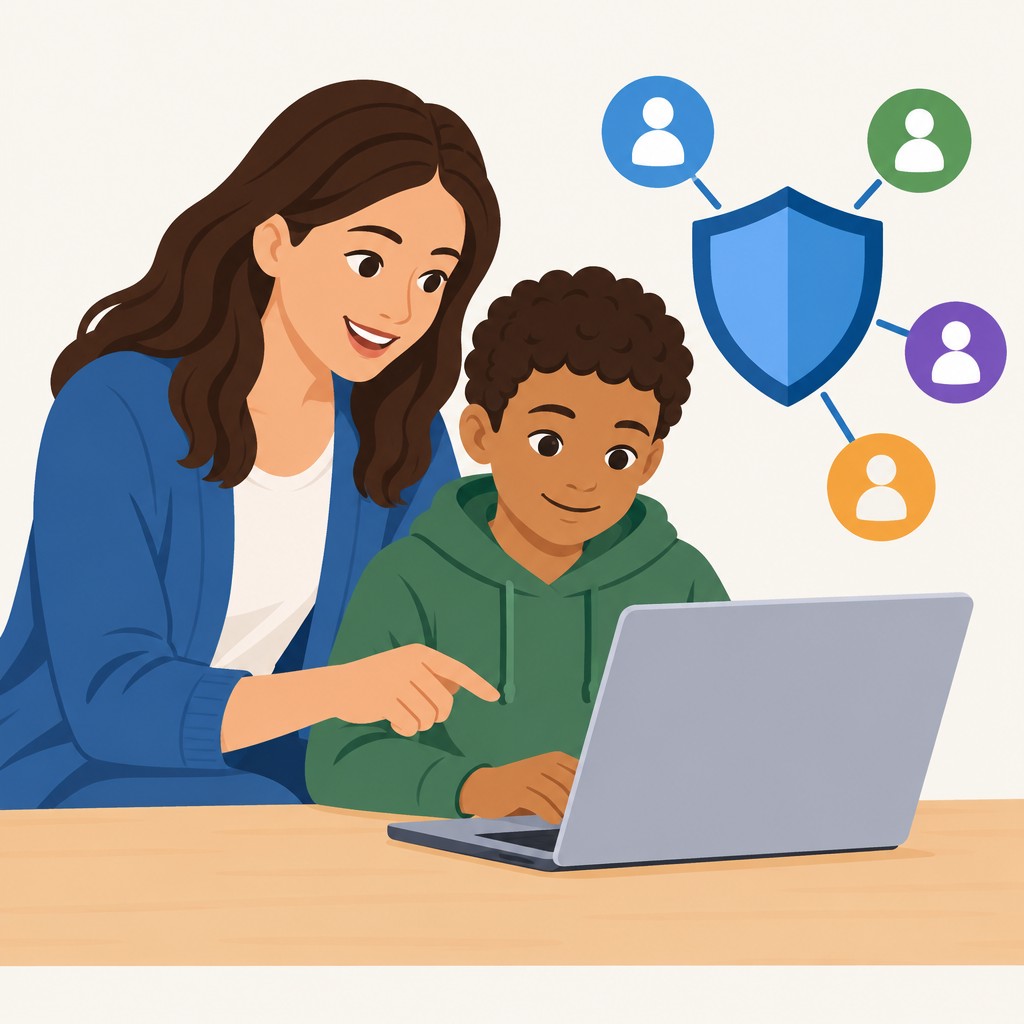
Assessing Agency Needs and Resources
First, agencies should assess their specific needs before implementing any technology solution.
Such assessments can identify gaps that technology may address.
They also help agencies choose tools that align with established goals.
Engaging Stakeholders in Technology Planning
Next, successful integration requires support from every involved stakeholder.
Caseworkers, administrators, and IT staff should participate from the beginning.
Their input helps agencies implement tools smoothly and meet user needs.
Evaluating Technology and Its Impact
Finally, agencies should evaluate technology tools continuously after implementation.
Regular monitoring shows whether tools improve agency processes and outcomes.
Agencies can then adjust their approach when the tools need changes.
Explore Further: Future Trends in Community Health Work
Case Studies of Successful Technology Implementation in Child Welfare
Several child welfare agencies have used technology to improve services for children and families.
Transform Your Career Today
Unlock a personalized career strategy that drives real results. Get tailored advice and a roadmap designed just for you.
Start NowThese examples include agencies in Texas, Florida, and Los Angeles County.
Each agency applied a different technology approach to support casework, assessment, or communication.
- Child Protective Services in Texas
- Department of Children and Families in Florida
- Los Angeles County Department of Children and Family Services
Technology Applications Across Child Welfare Agencies
Texas CPS implemented a mobile app for caseworkers.
The app gives workers real-time access to case information.
Meanwhile, Florida used data analytics to identify at-risk children more efficiently.
- Texas CPS implemented a mobile app for caseworkers to access case information in real time.
- Florida used data analytics to identify at-risk children more efficiently.
- Los Angeles County DCFS integrated digital case management to streamline processes and improve communication.
Reported Outcomes and Lessons From Technology Implementation
These implementations produced several reported improvements in child welfare services.
Texas CPS saw reduced caseworker workloads and more timely services for children in need.
Florida reported more successful family reunifications and fewer repeat maltreatment cases.
- Texas CPS saw a decrease in caseworker workload and improved service timeliness.
- Florida reported more successful family reunifications and fewer repeat maltreatment cases.
- Los Angeles County DCFS improved data accuracy and reporting for better decisions and resource allocation.
Technology’s Role in Improving Child Welfare
Technology plays a crucial role in enhancing child welfare services.
It streamlines processes and improves communication.
Therefore, agencies must embrace new tools and technology trends.
This approach can achieve better outcomes for children in need.
Additional Resources
Google search results for Technology in Child Welfare: Tools and Trends Social and Human Services
Bing search results for Technology in Child Welfare: Tools and Trends Social and Human Services


