




Community Health Work and Wellness Promotion
Community health work promotes wellness and prevents disease at the grassroots level.
Currently, community health workers provide education, outreach, and support services to underserved populations.
They serve these populations through education, outreach, and support services.
Current Community Health Priorities
Community health work addresses health disparities and promotes preventive care.
It also fosters healthy behaviors within communities.
Additionally, workers bridge gaps between healthcare providers and people with limited medical access.
Future Trends in Community Health Work
Community health workers need current healthcare knowledge to remain effective and adaptable.
By tracking emerging technologies, evidence-based practices, and policy changes, they can address changing community needs.
Moreover, this knowledge helps them anticipate emerging challenges, including pandemics, environmental threats, and social determinants of health.
They can then respond proactively and promote sustainable wellness within their communities.
Technological Advancements in Community Health Work
Technology continues to evolve rapidly.
Community health work is adopting these advancements.
These tools can improve services and outcomes.
Integration of Telemedicine and Virtual Care Options
- Telemedicine lets healthcare professionals diagnose and treat patients remotely, including people in underserved communities.
- Virtual care makes healthcare more accessible and convenient, reducing barriers to receiving care.
- Together, these technologies help community health workers provide timely and efficient care.
Use of Wearable Devices and Health Tracking Apps
- Wearable devices, including smartwatches and fitness trackers, monitor vital signs and activities continuously.
- Health tracking apps help people record health metrics for community health workers.
- Additionally, these tools encourage healthy behaviors and support chronic condition management through personalized interventions.
Opportunities for Greater Data Collection and Analysis
- Technology helps community health workers collect extensive data about community health trends.
- Data analysis tools reveal patterns and help predict future health outcomes for informed decisions.
- Consequently, data-driven insights can address disparities and tailor interventions to community needs.
A Holistic Direction for Community Health
As society evolves, community health work increasingly adopts a more holistic approach.
This approach considers broader influences on health rather than focusing only on illness symptoms.
It aims to address health disparities while promoting community well-being.
Social Determinants of Health
Community health workers examine social determinants that shape health outcomes.
These determinants include income, education, housing, and access to healthcare.
Addressing these conditions helps communities respond to the root causes of health disparities.
Collaboration with Community Partners
Community health workers increasingly collaborate with social service providers, community organizations, and policymakers.
These partnerships address complex issues that affect community health.
Together, partners can develop more comprehensive and effective solutions.
Prevention and Wellness Priorities
Community health workers also emphasize prevention and wellness.
They are shifting from a reactive healthcare model toward preventive measures and broader well-being.
By promoting healthy lifestyles and preventing disease, they can help create a culture of wellness.
This shift can support long-term health benefits and reduce healthcare costs.
Explore Further: Disability Services Coordinators: Collaboration Tips
Health Equity in Community Health Work
Community health work increasingly focuses on health equity.
This focus addresses healthcare disparities.
It also prioritizes people with higher healthcare needs.
Targeted Outreach for Marginalized Communities
Community health workers will reach marginalized communities and populations that face greater healthcare needs.
These workers can address barriers that have limited access to quality healthcare.
They can also provide culturally sensitive and language-appropriate services.
As a result, community health workers can build trust and improve health outcomes.
Systemic Barriers to Health and Care
Effective efforts to reduce healthcare disparities must recognize systemic barriers.
Structural racism can prevent some populations from accessing quality healthcare.
Poverty and limited health insurance can create additional obstacles.
Limited access to healthcare facilities can further restrict care.
By recognizing these barriers, community health workers can develop strategies that improve health outcomes.
Culturally Competent Practices and Interventions
Healthcare services should reflect the cultural needs of each community.
Transform Your Career Today
Unlock a personalized career strategy that drives real results. Get tailored advice and a roadmap designed just for you.
Start NowCommunity health workers can study different cultural beliefs, values, and practices.
They can then tailor services to meet specific community needs.
Furthermore, cultural competence helps workers build strong relationships with diverse communities.
These relationships can support better health outcomes for everyone.
Discover More: Career Opportunities for Case Managers
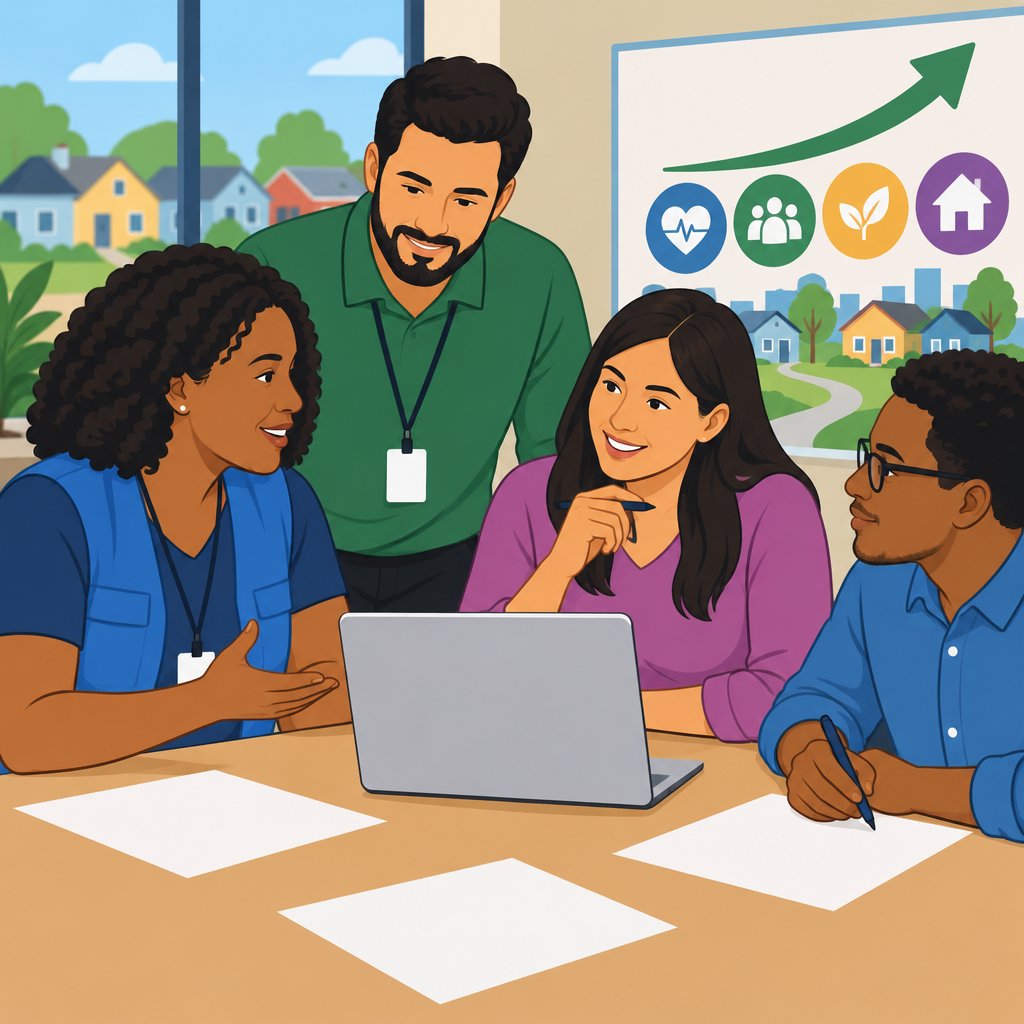
Community-Centered Health Promotion Strategies
Community-centered health promotion can advance future community health work.
It emphasizes community engagement, empowerment, and interventions designed for local needs.
These strategies can improve public health outcomes.
Engagement of Community Members
Community members should help design and implement health programs.
Stakeholder feedback can help teams tailor interventions to specific community needs.
Local partnerships can increase participation, ownership, sustainability, and support.
- Actively involve community members in the design and implementation of health programs.
- Seek input and feedback from community stakeholders to tailor interventions to specific needs.
- Promote community ownership of health initiatives to foster sustainability and long-term success.
- Cultivate partnerships with local organizations to maximize community participation and support.
Empowerment and Capacity-Building
Education and resources can help individuals and groups take charge of their health.
Skill development and leadership training can strengthen community health advocacy.
Support networks can increase confidence and amplify health promotion efforts.
- Empower individuals and groups to take charge of their health through education and resources.
- Provide opportunities for skill development and leadership training to enhance community health advocacy.
- Foster a sense of self-efficacy and confidence in community members to make positive health choices.
- Build networks of support and collaboration to amplify the impact of health promotion efforts.
Utilization of Community-Based Interventions
Community-based interventions should reflect evidence and local culture.
Participatory planning gives community members a role in intervention decisions.
Feedback and outcome measurements can guide evaluations of intervention effectiveness.
- Implement evidence-based interventions that are culturally and contextually relevant to the community.
- Address specific health concerns through targeted programs and initiatives tailored to local needs.
- Utilize a participatory approach to planning interventions, involving community input in decision-making.
- Evaluate the effectiveness of interventions through community feedback and outcome measurements.
Sustaining Community-Centered Health Promotion
Community-centered strategies represent a significant change in public health practice.
Community health workers can support lasting benefits through engagement, empowerment, and tailored interventions.
These strategies must evolve as community needs change while sustaining participation and local ownership.
See Related Content: Case Studies: Success Stories of Community Health Workers
Telehealth and Remote Care in Community Health
Telehealth represents a key future trend in community health work.
It expands access to healthcare services for people in rural and underserved areas.
Patients can receive care without traveling long distances.
Improved Access for Rural and Underserved Populations
Telehealth helps providers address healthcare disparities across remote communities.
Virtual consultations allow patients to discuss health concerns with healthcare providers.
Follow-up visits and remote monitoring can support patients who need ongoing care.
Preventive Screening and Chronic Disease Support
Healthcare providers can use telehealth for preventive screenings and early detection.
Remote monitoring can help providers track chronic health conditions.
Patients can also receive continuing support through remote consultations.
Mental Health Support Through Remote Services
Telehealth expands access to virtual counseling sessions and therapy.
It also enables support groups to connect with people who need assistance.
These services can provide mental health support without requiring in-person visits.
Integration With Community Health Programs
Community health programs can integrate telehealth services into existing infrastructure.
This integration can strengthen outreach and improve patient engagement.
Telehealth can streamline communication among healthcare professionals, patients, and community health workers.
It can also complement in-person services and support a continuous care experience.
As a result, remote care can improve access and service coordination for underserved populations.
Learn More: Youth Work Policies and Legislation: What You Need to Know
Future Priorities for Community Health Practice
Community health work will increasingly use digital tools for remote monitoring and telehealth services.
Transform Your Career Today
Unlock a personalized career strategy that drives real results. Get tailored advice and a roadmap designed just for you.
Start NowMeanwhile, practitioners will address social determinants of health and persistent inequities through cross-sector collaboration.
These partnerships can help communities develop sustainable solutions to emerging health challenges.
Therefore, community health workers must continue learning, strengthening skills, and adopting useful technologies and approaches.
By tracking these trends, they can improve health outcomes for the individuals and communities they serve.
Additional Resources
Google search results for Future Trends in Community Health Work Social and Human Services
Bing search results for Future Trends in Community Health Work Social and Human Services


