



Introduction
Stone masonry is a centuries-old technique used to construct durable and aesthetically pleasing structures.
It has been an essential part of architectural history.
Ancient civilizations like the Egyptians and Greeks used this craft extensively.
Artistic elements in stone masonry involve creating intricate designs and patterns.
This process transforms a simple structure into a work of art.
Craftsmanship focuses on the technical skill and precision required to build with stones.
Mastery of stone masonry requires a delicate balance between artistry and practicality.
This traditional craft continues to be valued for its timeless beauty and structural integrity.
Overview of Stone Masonry as a Construction Technique
Stone masonry is a construction technique that uses stones to build structures.
It has been applied for centuries because of its durability and aesthetic appeal.
Significance of Stone Masonry in Construction
Stone masonry is important in construction for several key reasons.
- Stone structures offer excellent longevity and can endure harsh weather.
- The natural beauty of stone enhances any structure’s unique charm.
- Stones provide strong structural support and reliability.
Common Types of Stones Used in Masonry
Various stone types are commonly chosen for masonry work.
- Granite is durable and versatile for both structural and decorative use.
- Limestone is softer and often preferred for intricate carvings.
- Sandstone offers a warm, natural appearance and is popular for building facades.
Essential Tools and Materials for Stone Masonry
Masons require specific tools and materials to work effectively with stone.
- Chisels help shape and carve stones precisely.
- Hammers are essential for breaking and shaping stones.
- Trowels spread mortar and smooth stone surfaces.
- Mortar mix binds stones together firmly.
- Safety equipment includes gloves, goggles, and helmets to prevent injuries.
Precision and attention to detail are crucial in stone masonry.
By selecting stones carefully and mastering techniques, masons create lasting structures.
The Art of Stone Masonry
Stone masonry is not just about building structures.
It is also about creating pieces of art that stand the test of time.
Creative Aspects of Stone Masonry
In the world of construction, stone masonry is one of the oldest building techniques.
Stone masons use creativity and skills to transform raw stones into intricate structures.
The structures they create are both functional and visually appealing.
They work with stones such as granite, marble, limestone, and sandstone.
These materials help them create stunning masterpieces showcasing their artistic talents.
Artistic Techniques Used in Stone Masonry
One key artistic technique involves shaping and carving stones to fit seamlessly.
Stone masons manipulate stones of different shapes and sizes.
They create intricate patterns and designs that add uniqueness to the structure.
Tools such as chisels, hammers, and saws help them carefully shape the stones.
They create detailed carvings that enhance the overall aesthetic of the project.
Aesthetic Value of Stone Masonry in Architecture
Stone masonry is valued for its timeless beauty and durability in architectural design.
The use of stone adds sophistication and elegance to any building.
This applies to historic castles as well as modern skyscrapers.
Natural colors and textures of stone provide a rich and varied palette.
Architects and designers use these to create visually stunning buildings.
The art of stone masonry showcases human creativity and skill.
It highlights the beauty of natural materials in architectural works.
Gain More Insights: Managing Work-Life Balance as a Power Line Installer
The craft of stone masonry
Stone masonry is a craft that requires a high level of technical skills to be successful.
From cutting and shaping stones to laying them in place, masons must possess a variety of skills.
These skills create sturdy and aesthetically pleasing structures.
Technical skills essential for stone masonry
- Knowledge of different types of stones and their properties
- Ability to use tools like chisels, hammers, and saws effectively
- Precision in cutting and shaping stones to fit together seamlessly
- Understanding of mortar mixing and application
- Capability to work with heavy stones and lift them safely
These technical skills are essential for a stone mason to create durable structures.
They also ensure the finished work is visually appealing and stands the test of time.
Transform Your Career Today
Unlock a personalized career strategy that drives real results. Get tailored advice and a roadmap designed just for you.
Start NowPrecision and expertise required for quality masonry work
Stone masonry is a meticulous craft requiring a high level of precision and expertise.
Every stone must be cut and laid accurately to ensure a strong and stable structure.
- Alignment of stones to create straight and level surfaces
- Consistent mortar application for secure bonding
- Precision in jointing to prevent water infiltration
- Attention to detail in carving decorative elements
- Knowledge of building codes and architectural standards
Without the necessary precision and expertise, masons risk compromising structural integrity.
They also reduce the aesthetic appeal of the finished project.
The importance of craftsmanship in stone masonry
Craftsmanship plays a crucial role in stone masonry and impacts quality and durability.
Skilled masons understand its significance in creating lasting works of art.
- Artistic vision in incorporating design elements
- Attention to detail in every aspect of the project
- Commitment to excellence in workmanship
- Respect for the history and tradition of stone masonry
- Pride in creating structures that stand the test of time
Ultimately, craftsmanship elevates stone masonry from simple construction to a true art form.
It showcases the beauty and strength of natural stone.
Uncover the Details: Navigating Harsh Weather as a Dockworker
Techniques in Stone Masonry
Cutting and Shaping Stone
Stone masonry often involves cutting and shaping stones to fit the desired design.
Tools such as chisels, hammers, and saws are commonly used in the process.
The technique of splitting stones along natural lines is known as the feather and wedge method.
Wire saws are used for precision cutting in intricate designs.
Laying and Bonding Stones
Laying stones requires precision and skill to create a sturdy structure.
Mortar is typically used to bond stones together in traditional masonry work.
Dry stone masonry, on the other hand, relies solely on the weight and friction of the stones.
Different patterns like stretcher bond, header bond, and herringbone bond are used for stability.
Styles and Patterns used in Stone Masonry
Ashlar masonry involves finely cut stones laid in even courses for a smooth finish.
Random rubble masonry uses irregularly shaped stones for a rustic appearance.
Coursed rubble masonry arranges stones in horizontal courses with minimum gaps between them.
Veneer masonry is a decorative facing of stone applied to a structural wall.
Learn More: Benefits of Hiring a Certified Fence Erector for Your Project
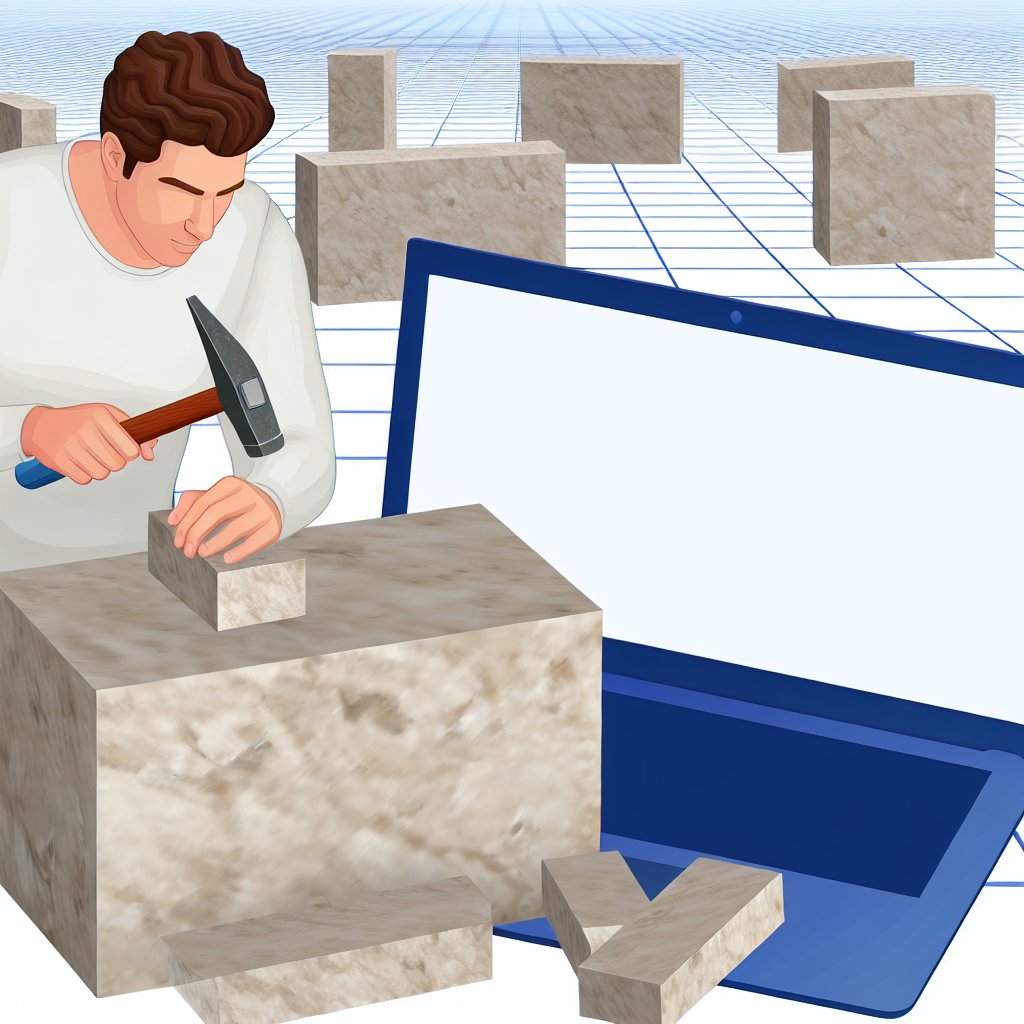
When it comes to sustainability in stone masonry, there are several key factors to consider.
These factors make this age-old craft an environmentally friendly choice for construction projects.
Environmental Benefits of Using Natural Stone
- Natural stone is a renewable resource that has been used in construction for centuries.
- Quarries can be responsibly managed to ensure the preservation of landscapes and wildlife habitats.
- Stone requires minimal processing and does not release harmful chemicals into the environment.
- Using local stone reduces the carbon footprint associated with transportation.
- Stone is non-toxic and does not emit volatile organic compounds (VOCs) that can harm indoor air quality.
Longevity and Durability of Stone Masonry
- Stone buildings have stood the test of time, with many ancient structures still standing today.
- Properly constructed stone walls can last for centuries with minimal maintenance required.
- Stone is resistant to pests, fire, and weathering, making it a durable choice for buildings.
- Stone structures age beautifully, developing a natural patina that adds to their character.
- Stone can withstand high winds, seismic activity, and other natural disasters better than many other building materials.
Energy Efficiency of Stone Buildings
- Stone has high thermal mass, which helps regulate indoor temperatures and reduce energy costs.
- Stone is a natural insulator, keeping buildings cool in the summer and warm in the winter.
- Stone retains heat well, reducing the need for constant heating in colder climates.
- Stone absorbs and releases moisture slowly, helping to maintain a comfortable indoor environment.
- Stone reflects sunlight, reducing the heat island effect in urban areas.
Stone masonry is a beautiful and timeless craft.
It is also a sustainable choice for environmentally conscious construction projects.
Its environmental benefits, longevity, and energy efficiency offer many advantages.
Choosing natural stone for building projects creates structures that will stand the test of time.
At the same time, this choice minimizes the impact on the planet.
See Related Content: Navigating the Insulation Worker Job Market
Challenges in Stone Masonry
Stone masonry is a rewarding craft with many challenges to navigate.
Working with natural materials presents unique obstacles.
Physical demands add to the difficulties faced by stone masons.
- Precision and Accuracy:
- Achieving precision in every cut and placement is a major challenge.
- Any small mistake can affect the entire project.
- Heavy Lifting:
- Natural stone is heavy and requires physical strength.
- This effort can cause body fatigue and strain.
- Weather Conditions:
- Outdoor projects depend heavily on weather conditions.
- Rain, snow, and extreme temperatures affect workability and progress.
- Tool Maintenance:
- Stone masons use various tools to shape and manipulate stone.
- Keeping tools in good condition is essential for efficiency.
- Time and Patience:
- The work requires dedication and patience throughout the process.
- Each stone must be carefully constructed to ensure durability.
Limitations of Working with Natural Stone
Natural stone is versatile and timeless but has its limits.
Stone masons must be aware of these limitations to plan effectively.
- Variability in Color and Texture:
- Variations in color and veining make uniformity hard to achieve.
- Matching stones takes additional time.
- Limited Availability and Sourcing:
- Some natural stones are scarce and difficult to source.
- This scarcity can affect timelines and budgets.
- Susceptibility to Weathering:
- Stone weathers over time when exposed to elements.
- Masons must consider long-term durability of chosen materials.
- Handling and Installation Challenges:
- Heavy and fragile stone requires careful handling.
- Improper installation can cause damage or breakage.
Strategies for Overcoming Challenges in Stone Masonry
Challenges in stone masonry require thoughtful strategies and solutions.
Applying these tips helps masons achieve success in projects.
- Invest in Quality Tools:
- High-quality tools enable easier and more precise work.
- Regular tool maintenance maximizes longevity.
- Plan and Prepare:
- Thorough planning anticipates challenges ahead of time.
- Consider weather, materials, and deadlines in advance.
- Practice and Refine Skills:
- Stone masonry skills improve greatly with regular practice.
- Learn from experienced masons to hone your techniques.
- Work Safely and Efficiently:
- Use proper safety gear and techniques to protect yourself.
- Work efficiently to reduce fatigue and increase productivity.
- Stay Flexible and Adapt:
- Be ready to address unforeseen issues as they arise.
- Flexibility and problem-solving skills are crucial.
Addressing challenges and understanding limitations ensures excellent results.
Implementing best practices helps masons create durable, impressive stonework.
Key Aspects of Stone Masonry Craftsmanship
Stone masonry is a traditional building technique.
Transform Your Career Today
Unlock a personalized career strategy that drives real results. Get tailored advice and a roadmap designed just for you.
Start NowThis craft requires skill and precision to master.
The tools and materials used in stone masonry vary widely.
Different types of stone structures serve various architectural needs.
The stone masonry process involves multiple careful steps.
It is important to maintain this craft to preserve historical buildings.
This maintenance also helps create durable structures for the future.
The Artistic and Historical Value of Stone Masonry
Stone masonry is more than a construction technique.
It is an art form showcasing the beauty and strength of natural stone.
Appreciating stone masonry leads to a deeper understanding of architecture.
Individuals can learn about architectural history and heritage through this craft.
The dedication to mastering stone masonry deserves recognition.
This hard work sustains the art and craft of stone masonry.
Encouraging Continued Interest in Traditional Stone Masonry
Readers should take time to explore this ancient practice.
Education about stone masonry fosters greater appreciation of craftsmanship.
Supporting stone masonry helps uphold its legacy in modern society.
Additional Resources
Is it really not possible for modern technology to achieve this? : r …
Working with your hands: the secret to happiness? | Craft | The …