




IT Risk Management for Small Businesses
IT risk management helps small businesses protect digital assets and daily operations.
However, small businesses face threats including data breaches, malware, and cyber attacks.
Because resources remain limited, many small businesses struggle to implement strong IT security measures.
Consequently, these businesses remain vulnerable to various cyber threats.
Therefore, proactive risk management supports business continuity and protects sensitive information.
IT risks involve potential threats or vulnerabilities affecting business data and IT systems.
These risks can affect confidentiality, integrity, and availability.
They can also cause financial losses, reputation damage, and operational disruptions.
Understanding IT Risks
Small businesses must recognize how IT risks could affect their operations.
Furthermore, understanding these risks helps businesses prepare appropriate protections.
Businesses can then focus on protecting valuable assets and maintaining continuity.
Common Types of IT Risks for Small Businesses
Small businesses face several common risks involving data, software, hardware, and people.
These risks can arise from deliberate attacks, technical failures, or human mistakes.
Therefore, businesses should understand each risk before developing mitigation strategies.
- Data breaches can expose sensitive customer information or proprietary business data.
- Malware and ransomware attacks can cause data loss, downtime, and financial losses.
- Phishing and social engineering can trick employees into sharing sensitive information.
- Hardware failures can cause data loss, downtime, and operational disruptions.
- Outdated software and insecure applications can leave systems vulnerable to cyberattacks.
- Insiders can intentionally or unintentionally harm IT systems and business data.
By identifying these risks, small businesses can develop effective mitigation strategies.
Moreover, proactive planning can help protect valuable business assets.
It can also support continuity during potential disruptions.
Risk Assessment
- Small businesses conduct risk assessments by evaluating potential threats and vulnerabilities affecting their IT systems.
- They identify assets at risk, including customer data, financial information, and intellectual property.
- Businesses assess each risk’s likelihood and potential impact on operations and security.
- Therefore, assessments help businesses prioritize resources and address their most critical vulnerabilities.
- This process supports proactive strategies that mitigate threats and minimize potential damage.
Identifying and Prioritizing IT Risks
- Identifying IT risks helps small businesses understand threats and vulnerabilities affecting their operations.
- By prioritizing risks, businesses address the issues that create the greatest potential impact.
- Consequently, they can allocate resources effectively toward suitable security measures and controls.
- Prioritization enables businesses to develop risk management plans tailored to their needs.
- Finally, this approach helps organizations use limited resources efficiently and strengthen their security posture.
Find Out More: How to Conduct Playtesting for Your Game
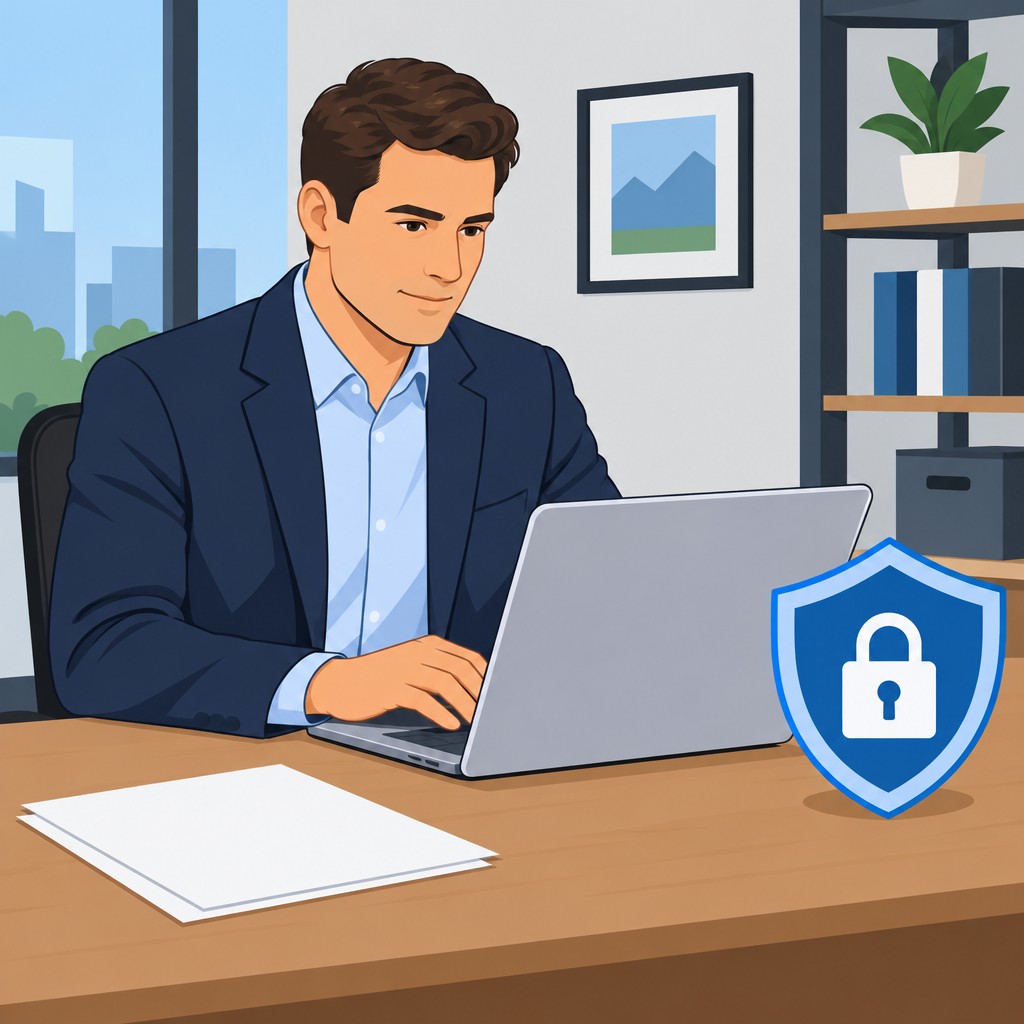
Implementing Security Measures
Small businesses can implement security measures to reduce exposure to IT risks.
These measures help protect networks, data, devices, and sensitive business information.
Furthermore, consistent security practices can strengthen the organization’s IT risk management strategy.
- Small businesses can implement security measures to mitigate IT risks effectively.
- Recommendations for securing networks, data, and devices can safeguard sensitive information.
Effective security measures remain essential for protecting organizations from potential threats.
Small businesses can reduce IT risks by applying safeguards across their systems and operations.
They should also review these safeguards regularly as cybersecurity risks evolve.
Firewall Protection
Firewalls create a barrier between internal networks and untrusted external networks.
They can block unauthorized access and help prevent malicious software from entering the network.
Businesses should configure firewall settings according to their security requirements.
Regular Software Updates
Regular updates help protect operating systems, applications, and security software.
Software providers release updates that patch vulnerabilities and address emerging threats.
Therefore, businesses should update essential software consistently.
Data Encryption
Encryption protects sensitive information from unauthorized access.
Businesses should encrypt data stored on computers and servers.
They should also encrypt information while it moves between systems.
Strong Password Policies
Strong password policies help secure accounts and reduce unauthorized access.
Businesses should require employees to create complex passwords.
Regular password changes can provide an additional account security measure.
Employee Training
Employee training supports effective cybersecurity practices throughout the business.
Staff should learn how to identify phishing emails and malicious links.
Training can also show employees how to protect sensitive information.
Secure Remote Access
Secure remote access allows employees to work remotely without compromising business security.
Transform Your Career Today
Unlock a personalized career strategy that drives real results. Get tailored advice and a roadmap designed just for you.
Start NowVirtual private networks can help protect remote connections.
Moreover, multi-factor authentication can strengthen access controls for remote users.
Data Backup and Recovery
Regular backups help businesses recover after cyberattacks or data loss.
A documented backup plan can organize recovery activities.
Businesses should test backup systems regularly to confirm their reliability.
Network Segmentation
Network segmentation separates systems into smaller controlled sections.
This approach can isolate sensitive data and limit breach impacts.
Businesses can also use segmentation to control access to critical information.
By applying these measures, small businesses can improve their IT risk management strategies.
They should continuously assess security controls and adjust them for changing cybersecurity risks.
Discover More: Business Systems Analyst Job Outlook 2025
Employee Training and Security Awareness
Employee training forms an essential part of a strong IT risk management strategy.
Small businesses can reduce their exposure to cyber threats by teaching employees security best practices.
Training gives employees the knowledge and skills needed to identify and address IT risks.
Employees who understand technology risks can protect sensitive data more effectively.
They can also follow security procedures and help prevent security incidents.
- Password management helps employees create and protect secure passwords.
- Phishing awareness helps employees recognize suspicious messages and links.
- Data encryption training explains how businesses protect sensitive information.
- Device security training encourages employees to protect business devices.
Regular training sessions help small businesses create a culture of cybersecurity awareness.
Furthermore, employees can take greater responsibility for protecting company assets and data.
This proactive approach can support faster detection of potential security threats.
It can also reduce the impact of cyber incidents.
Businesses should continue training through updates and refresher courses.
These sessions help employees understand changing security trends and threats.
Businesses can reinforce security principles through email reminders, posters, and internal newsletters.
These communication channels keep employees informed about security policies and procedures.
By prioritizing education, small businesses can strengthen their security posture.
Employee awareness can also reduce the likelihood of successful cyber threats.
Consistent communication helps employees contribute to the organization’s cybersecurity efforts.
Discover More: DevOps Engineer Job Market Trends
Backup and Recovery Plans
Backup and recovery plans protect business data from cyber attacks, natural disasters, and human error.
These plans help small businesses recover important information after unexpected events.
Furthermore, effective planning supports business continuity and strengthens data protection practices.
Significance of Backup and Recovery Plans
Small businesses can reduce the effects of data loss by maintaining reliable backups.
Additionally, recovery procedures help organizations restore operations and limit interruptions.
Regular backups also support stronger security and help businesses address applicable compliance requirements.
- Businesses can prevent data loss by recovering information after emergencies.
- Efficient recovery strategies can minimize downtime and support continued business operations.
- Regular backups can strengthen data security by protecting information from unexpected events.
- Backup and recovery plans can help businesses meet data protection requirements in regulated industries.
Tips for Creating Backup and Recovery Strategies
Businesses should design backup strategies around their critical data and recovery needs.
Moreover, regular reviews help organizations adapt their policies to changing operations and technology.
Testing each recovery procedure can reveal weaknesses before an emergency occurs.
- Use automated tools to schedule regular backups and reduce human error.
- Store backups across on-premises, cloud, and external drive locations for redundancy.
- Encrypt backups during transmission and storage to protect sensitive information.
- Test recovery plans regularly to confirm that they can restore business data effectively.
- Update backup policies regularly to reflect changes in business operations and technology.
Robust backup and recovery plans help small businesses safeguard valuable data.
They also support business continuity when unforeseen events disrupt normal operations.
Consequently, careful preparation helps businesses remain resilient after data-related emergencies.
Transform Your Career Today
Unlock a personalized career strategy that drives real results. Get tailored advice and a roadmap designed just for you.
Start NowYou Might Also Like: How to Become a SOC Analyst: A Step-by-Step Guide
Monitoring and Updating Systems
Regularly checking and updating IT systems helps prevent security breaches.
These practices help identify vulnerabilities before cyber attackers can exploit them.
Staying informed about cybersecurity threats and trends helps businesses address potential risks proactively.
- Emphasize the need to check and update IT systems regularly.
- Highlight the benefits of tracking current cybersecurity threats and trends.
Maintaining Business Trust Through IT Risk Management
Small business owners must treat IT risk management as a continuing business priority.
This approach helps protect sensitive data and preserve customer trust.
Moreover, proactive planning can reduce exposure to cyber threats and financial losses.
Therefore, businesses should invest in practical IT risk management practices.
They should also stay informed about current security measures.
By acting consistently, small businesses can mitigate risks and support operational continuity.
Additional Resources
Google search results for IT Risk Management Strategies for Small Businesses Information Technology
Bing search results for IT Risk Management Strategies for Small Businesses Information Technology


