




Introduction to Game Playtesting
Playtesting plays a crucial role in game development.
It helps developers identify issues, gather feedback, and improve gameplay.
A structured process helps developers evaluate their game more effectively.
Why Playtesting Matters
Playtesting gives developers valuable feedback from real players.
Players reveal how they perceive and interact with the game.
Additionally, testing helps developers find bugs, balance mechanics, and support smoother gameplay.
Steps for Effective Playtesting
First, developers should establish clear goals for every testing session.
Next, they should select participants who represent the intended audience.
Finally, developers should create a structured plan for collecting useful feedback.
- Define objectives for improving gameplay, finding bugs, or testing specific features.
- Select diverse participants who represent the game’s target audience.
- Create a plan with tasks, timeframes, and evaluation criteria.
- Conduct sessions while observing player behavior and recording feedback.
- Analyze feedback to identify patterns and prioritize improvements.
- Implement changes by fixing bugs, adjusting mechanics, or improving usability.
- Retest the game to evaluate changes and discover additional issues.
Creating a Stronger Player Experience
Developers can use playtesting results to refine their games with greater confidence.
Repeated testing shows whether implemented changes improve the player experience.
By following these steps, developers can create games that better serve their audiences.
Define Clear Playtesting Goals
Playtesting works best when developers establish clear objectives before sessions begin.
Specific goals keep feedback focused, useful, and easier to apply.
Teams should communicate their testing objectives clearly to every participant.
- Developers can investigate bugs, game mechanics, or player experience.
- They can also evaluate difficulty, balance, and technical performance.
- Clear objectives help developers address important issues efficiently.
Developers should identify the exact features that require evaluation.
They might examine tutorial design, combat systems, or progression mechanics.
Prioritizing critical features helps teams gather feedback where it matters most.
Recruit Diverse Playtesters
A diverse testing group reveals how different players experience the game.
Developers can recruit participants through personal networks and gaming communities.
Online platforms and local events can also help developers find testers.
- Developers can contact friends, family, forums, and social media communities.
- They may offer early access, in-game rewards, or exclusive content.
- Recruiters should include players with different gaming backgrounds and preferences.
Participants should represent varied ages, genders, skill levels, and gaming preferences.
Different skill levels can expose problems that experienced players might overlook.
Broader representation helps developers improve the game for more players.
Organize Effective Playtesting Sessions
Organized sessions help developers collect consistent and actionable feedback.
A detailed plan should define each session’s objectives, schedule, and tasks.
Developers should match session length and frequency with their testing goals.
- Each session should identify the game features that participants will test.
- Quiet, well-lit spaces help testers concentrate on the game.
- Controllers, headphones, and test devices should remain ready and functional.
Distraction-free environments reduce interruptions during testing.
Prepared equipment keeps sessions running smoothly and prevents avoidable delays.
Careful preparation allows developers to focus on player behavior and feedback.
Recruit Playtesters
Start by identifying the audience most likely to enjoy and understand your game.
Consider each participant’s age, gender, gaming preferences, and experience level.
These details help you recruit testers who represent your intended players.
- Determine the demographics of your target audience.
- Understand the age, gender, gaming preferences, and experience level of your ideal playtesters.
Where to Find Playtesters
Reach potential participants through online spaces where gamers already exchange ideas.
Social platforms can connect you with players interested in testing new games.
Local gaming communities and events also provide opportunities for direct networking.
- Utilize online forums related to gaming to reach out to potential playtesters.
- Engage with social media platforms to connect with interested gamers.
- Attend local gaming communities or events to meet passionate gamers.
Creating a Call for Playtesters
A clear recruitment message helps applicants understand the testing opportunity.
Explain the testing purpose, expected duration, and feedback you want to collect.
Provide simple signup instructions so interested players can respond efficiently.
- Craft a compelling and detailed call for playtesters outlining requirements and expectations.
- Clearly define the playtest purpose, duration, and feedback you want to gather.
- Include instructions explaining how interested individuals can sign up.
Screening Playtesters
Review each application against the audience characteristics you identified.
Transform Your Career Today
Unlock a personalized career strategy that drives real results. Get tailored advice and a roadmap designed just for you.
Start NowBalance gaming experience and skill levels to create diverse participation.
Confirm selected participants and share the information they need before testing begins.
- Review applications and select playtesters who match your target demographics.
- Consider each playtester’s gaming experience and skill level.
- Communicate with selected playtesters to confirm participation and provide necessary details.
Establishing Expectations
Participants need a clear understanding of what the testing phase should accomplish.
Encourage honest, constructive feedback that can guide improvements.
A defined timeline helps everyone understand their responsibilities and schedule.
- Set clear expectations regarding the objectives of the testing phase.
- Emphasize the importance of honest and constructive feedback.
- Create a timeline outlining the tasks and activities for playtesters.
Preparing for Playtesting
Prepare the game and testing environment before inviting participants to begin.
Organized feedback tools make responses easier to collect and review.
Suitable equipment and resources support a smooth testing experience.
- Ensure the game is playable with necessary components and features accessible.
- Develop a questionnaire or feedback form for structured responses.
- Set up a designated testing space with necessary equipment and resources.
Delve into the Subject: Business Systems Analyst Job Outlook 2025
Creating a Playtesting Schedule
A thoughtful schedule helps developers organize playtesting sessions effectively.
It also gives playtesters enough time to explore the game and share detailed feedback.
Additionally, a clear plan helps developers improve the game through consistent testing.
Playtesting Frequency
Choose how often you want to conduct playtesting sessions.
You might schedule sessions weekly, every two weeks, or monthly.
Consider the game’s development stage when selecting the most suitable frequency.
Session Duration
Allocate enough time for each playtesting session.
Give playtesters sufficient time to explore the game thoroughly.
Allow additional time for participants to provide detailed feedback.
Session Timing
Select a time that suits both the developer and the playtesters.
Schedule sessions when everyone can give the game their full attention.
Therefore, suitable timing can support more focused and useful testing.
Advance Schedule Planning
Create the schedule well before each playtesting session.
Include the date, time, and location for every planned session.
This approach helps you stay organized and keeps each session running smoothly.
Playtester Expectations
Explain the purpose of each playtesting session clearly.
Tell playtesters what you expect them to do during testing.
As a result, participants can understand their roles and provide more valuable feedback.
Feedback Collection
Set aside time to collect feedback after every playtesting session.
Review the responses carefully to identify recurring patterns or trends.
Use those findings to guide future iterations of the game.
Schedule Adjustments
Keep the playtesting schedule flexible as development continues.
Adjust session plans when feedback reveals a need for change.
Flexibility helps you refine the game and respond to players’ expectations.
You Might Also Like: DevOps Engineer Job Market Trends
Setting Up the Playtesting Environment
A distraction-free environment helps playtesters maintain focus during each session.
Ready equipment and comfortable seating support an organized playtesting experience.
Suitable room conditions and feedback tools help playtesters share useful observations.
- Ensure that the playtesting environment remains free from distractions.
- Prepare controllers, devices, and other necessary materials for playtesters.
- Arrange seating and table space to accommodate playtesters comfortably.
- Adjust the lighting and temperature to create a comfortable atmosphere.
- Set up software or online platforms for feedback during or after testing.
- Provide refreshments and snacks to help playtesters remain energized.
Find Out More: How to Become a SOC Analyst: A Step-by-Step Guide
Conducting Effective Playtesting Sessions
After recruiting playtesters and preparing the environment, conduct the actual playtesting sessions.
These sessions gather valuable feedback that can guide improvements to your game.
Transform Your Career Today
Unlock a personalized career strategy that drives real results. Get tailored advice and a roadmap designed just for you.
Start NowApproach each session with an open mind and a willingness to hear player feedback.
Providing Clear Instructions
First, provide clear instructions before playtesters begin.
Explain the game’s objectives and gameplay mechanics concisely.
Also, clarify specific rules and controls for a smooth playtesting experience.
- Explain how to play your game before the session begins.
- Describe the objectives and gameplay mechanics clearly.
- Identify any rules or controls that require special attention.
Observing Playtester Behavior
Next, observe playtesters as they navigate through your game.
Track their actions, decisions, and reactions to different game elements.
Additionally, examine how they interact with mechanics, interfaces, and the overall game flow.
- Watch how playtesters move through the game.
- Record their actions, decisions, and reactions.
- Notice interactions with gameplay mechanics and the user interface.
Recording Player Reactions
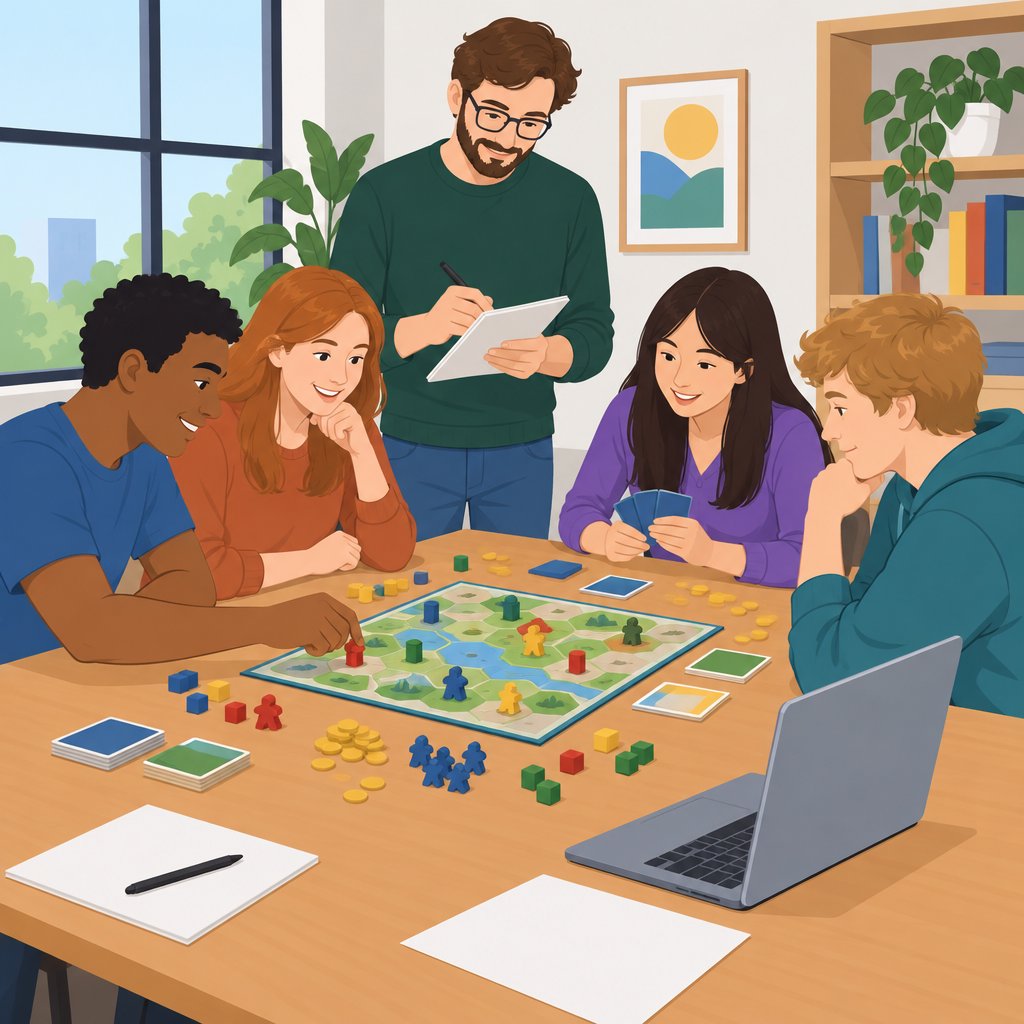
Then, take detailed notes while playtesters experience your game.
Record moments of confusion, frustration, excitement, or engagement.
Document their comments and suggestions to understand their experiences more clearly.
- Note moments that create confusion or frustration.
- Record moments that generate excitement or engagement.
- Document feedback, comments, and suggestions for improvement.
Using Feedback to Improve the Game
Use the collected observations and reactions to guide future game improvements.
Player feedback reveals how audiences perceive and experience your game.
Therefore, consistent listening can help you create a better gaming experience.
Delve into the Subject: Importance of Customer Service in Technical Support
Gather and Analyze Player Feedback
After playtesting, gather feedback to understand how players perceive and interact with your game.
This feedback reveals opportunities to adjust the game before its official release.
Use surveys, questionnaires, and systematic analysis to identify patterns and improvement areas.
Creating Effective Surveys and Questionnaires
Create surveys that remain comprehensive while staying easy for playtesters to understand.
Include open-ended questions so participants can provide detailed feedback about their experiences.
Additionally, use rating scales and multiple-choice questions to collect quantitative data.
Ask about gameplay, graphics, visuals, sound design, controls, and difficulty levels.
Also, request feedback about specific features or mechanics that require closer evaluation.
Analyzing Collected Feedback
Review the responses systematically to identify recurring patterns, trends, and improvement opportunities.
Look for repeated comments that reveal player preferences, frustrations, or areas of strength.
For example, several comments may show that one level feels confusing or too difficult.
In that case, adjust the level design or provide players with additional guidance.
Next, categorize feedback according to gameplay mechanics, narrative, interface design, and technical performance.
This organization helps you prioritize improvements and focus attention on important player concerns.
Applying Feedback to Game Improvements
After analyzing the responses, address identified issues and evaluate useful suggestions.
You may adjust gameplay mechanics, difficulty levels, graphics, sound quality, or interface elements.
However, consider how each adjustment affects the complete player experience.
Balance specific requests with the game’s core vision and identity.
Furthermore, communicate with playtesters throughout the analysis and implementation process.
Let participants know that you value their feedback and actively consider their suggestions.
This communication encourages continued participation in future playtesting sessions.
Careful feedback collection and analysis can help refine the game before release.
Thoughtful adjustments also help the finished game meet player expectations.
Implementing Feedback From Playtesting
Playtesting feedback helps developers improve the overall player experience.
Teams should review feedback carefully before changing the game.
They should continue testing after implementing each improvement.
Transform Your Career Today
Unlock a personalized career strategy that drives real results. Get tailored advice and a roadmap designed just for you.
Start Now- Use playtesting feedback to make necessary game changes.
- Continue improving the game through repeated feedback and iteration.
Reviewing Playtest Feedback
Review all feedback collected during playtesting sessions.
Look for common themes mentioned by multiple playtesters.
These themes can reveal issues that require attention.
Prioritizing Important Changes
Identify the most critical issues raised by playtesters.
Address changes that most affect the gameplay experience first.
Prioritizing changes helps teams use their development time effectively.
Creating an Action Plan
Create a detailed plan for each proposed game change.
Describe the specific work required to implement every improvement.
Assign responsibilities to team members during the implementation process.
Testing Changes Internally
Test every change internally before updating the official game build.
Confirm that each adjustment improves the intended gameplay issue.
Internal testing also helps teams avoid introducing new problems.
Iterating on New Feedback
Continue reviewing feedback after implementing the first changes.
New playtest sessions may reveal additional adjustments.
Remain open to further improvements throughout development.
Communicating Development Changes
Keep the development team informed about every planned change.
Explain why the team selected each improvement.
Clear communication supports a successful implementation process.
Updating the Game Build
Update the official game build after testing and finalizing changes.
Document every improvement for future reference.
Continue gathering feedback to guide later development decisions.
Playtesting Improves Game Quality
Playtesting remains a crucial step in game development.
It allows developers to gather valuable feedback that can improve the game.
Furthermore, playtesting helps identify bugs, balance gameplay, and enhance the player experience.
By involving playtesters early and often, developers can align the game with player expectations.
Successful playtesting can produce a polished game that resonates with its target audience.
Additional Resources
Google search results for How to Conduct Playtesting for Your Game Information Technology
Bing search results for How to Conduct Playtesting for Your Game Information Technology


