



Introduction
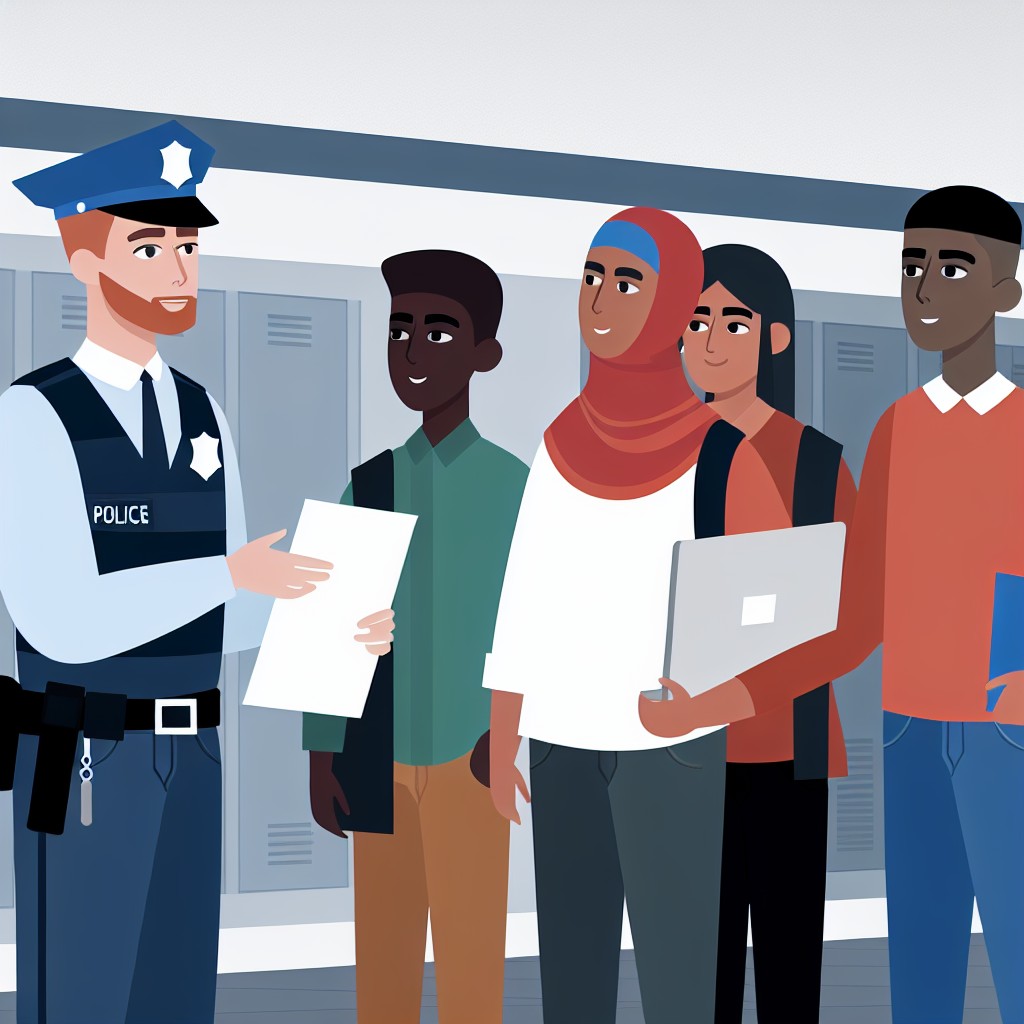
School Resource Officers (SROs) are law enforcement officers assigned to schools to enhance safety and security.
These officers build positive relationships between schools and police, serving as mentors and educators.
The Role of School Resource Officers
SROs play a crucial role in fostering a safe environment within schools by deterring crime.
They promote a sense of community among students and staff.
They work closely with students, teachers, and administrators to address safety concerns.
They also provide guidance on various issues affecting the school community.
Building Trust Between Schools and Law Enforcement
One primary function of SROs is to bridge the gap between law enforcement and education.
By establishing rapport with students and staff, SROs create a sense of trust and support.
This leads to effective collaboration in ensuring the well-being of the school community.
Significance of School Resource Officers in School Safety and Student Development
This blog post highlights the significance of SROs in creating harmonious relationships between schools and police.
It explores various roles and responsibilities of SROs within schools.
It also examines the positive impact they have on school safety and student development.
School Resource Officers promote safety, security, and collaboration within educational institutions.
Their presence deters criminal activities effectively.
They foster a positive environment conducive to learning and growth.
Stay tuned to learn more about the vital role of SROs in bridging schools and police.
History of School Resource Officers
The concept of School Resource Officers (SROs) dates back to the 1950s.
Flint, Michigan, was the first city to implement an SRO program.
Over time, SRO programs gained popularity across the United States.
Many schools recognized the need for law enforcement presence on campus.
Origin of SRO programs in the United States
The origin of SRO programs traces back to the early 20th century.
Police officers began visiting schools to address safety concerns.
In the 1950s, the Flint, Michigan Police Department assigned officers to schools full-time.
This action laid the foundation for modern SRO programs.
Evolution of the role of SROs in schools
Initially, SROs focused on law enforcement duties only.
They responded to incidents and enforced laws on school grounds.
The role of SROs has evolved over time.
They now include mentoring, counseling, and building positive relationships with students and staff.
Today, SROs are regarded as allies in promoting a safe school environment.
They act beyond mere enforcers of the law.
Impact of SROs on school safety and student outcomes
Research shows schools with SROs experience fewer violence and crime incidents.
This improvement leads to better overall safety.
SROs foster trust between students and law enforcement.
This trust positively impacts student behavior and outcomes.
Furthermore, SROs provide students with valuable resources and support.
They help students navigate challenges and make informed decisions.
When it comes to the role of School Resource Officers they play a crucial part in bridging.
The gap between schools and police.
Let us delve into the specific responsibilities that SROs undertake.
They fulfill this important role.
Transform Your Career Today
Unlock a personalized career strategy that drives real results. Get tailored advice and a roadmap designed just for you.
Start NowResponsibilities of School Resource Officers
- Building positive relationships with students, staff, and parents
- Providing mentorship and support to at-risk students
- Collaborating with school administrators and local law enforcement agencies
Building Positive Relationships:
One of the primary responsibilities of School Resource Officers is to build positive relationships.
They form these relationships within the school community.
This involves not only establishing connections with students but also with staff and parents.
By fostering these relationships SROs can create a sense of trust and safety within the school environment.
These efforts make it easier for students to approach them with concerns or issues they may have.
Providing Mentorship and Support:
Another key role that SROs play is providing mentorship and support to at-risk students.
SROs offer guidance and a listening ear to students facing challenges.
These challenges may relate to academics, social issues, or personal struggles.
This mentorship has a significant impact on these students’ lives.
It provides encouragement and motivation they need to succeed.
Collaborating with School Administrators:
SROs work closely with school administrators to ensure the school campus’s safety and security.
They collaborate on safety plans, emergency preparedness, and response protocols.
By doing so, they create a comprehensive approach to school safety.
During crises or emergency situations, SROs coordinate efforts with school staff and local law enforcement.
These actions ensure a swift and effective response.
Collaborating with Local Law Enforcement Agencies:
SROs also work with local law enforcement agencies to address any safety concerns.
They share information and coordinate efforts.
These actions help prevent potential threats and promote well-being.
The partnership between SROs and law enforcement is crucial for a safe learning environment.
School Resource Officers play a multifaceted role bridging schools and police.
They build positive relationships while providing mentorship and support.
They collaborate with school administrators and local law enforcement agencies.
SROs contribute to the school community’s safety, well-being, and success.
Explore Further: U.S. Marshals’ Role in Federal Prisoner Transport
Training and Qualifications of School Resource Officers
- Requirements to become an SRO
- Specialized training in youth development, conflict resolution, and crisis intervention
- Importance of ongoing professional development for SROs
Training and qualifications are crucial aspects for School Resource Officers (SROs) to bridge the gap between schools and police departments effectively.
SROs play a pivotal role in ensuring school safety and fostering positive relationships with students, staff, and the community.
To fulfill their role effectively, SROs must undergo specialized training and meet specific qualifications.
Requirements to Become an SRO
Becoming an SRO requires specific qualifications, including prior law enforcement experience.
Completion of a specialized SRO training program is essential.
SROs must demonstrate a deep commitment to serving in an educational environment.
They must have a thorough understanding of school policies, procedures, and the unique challenges faced by students.
Specialized Training in Youth Development, Conflict Resolution, and Crisis Intervention
SROs must receive specialized training in youth development, conflict resolution, and crisis intervention.
This training equips SROs with the skills needed to support students during difficult situations effectively.
They learn how to de-escalate conflicts constructively and promote positive behavior within the school community.
Ongoing Professional Development for School Resource Officers
Ongoing professional development is essential for SROs to stay updated on the latest trends and best practices.
They must also keep current with laws related to school safety and law enforcement.
Transform Your Career Today
Unlock a personalized career strategy that drives real results. Get tailored advice and a roadmap designed just for you.
Start NowContinuous education enables SROs to enhance their skills and adapt to evolving challenges.
This growth helps them build strong relationships with students and staff within schools.
Role of Training in Fostering Safe and Supportive School Environments
Training and qualifications enable School Resource Officers to fulfill their roles effectively.
Investing in ongoing professional development helps SROs bridge schools and police departments better.
Well-trained SROs build trust with the community and promote a culture of safety and collaboration.