



Top Skills Needed to Succeed as a DEA Agent

Accessing cultural resources to deepen understanding of specific communities.
Learn More: Educational Programs Supporting CBP Officer Careers

Top Skills Needed to Succeed as a DEA Agent

Firearms and Tactical Training

Firearms and tactical training are essential skills for DEA agents to succeed in their role.

DEA agents are often required to carry and use firearms in high-stress situations.

It is crucial that they are well-trained in handling and shooting weapons.

The Importance of Firearms and Tactical Training

DEA agents operate in dangerous environments where they may encounter armed suspects.

They also face violent situations requiring quick, controlled responses.

Their ability to use firearms effectively ensures their safety and the safety of others.

Firearms training teaches agents how to properly handle, aim, and shoot their weapons.

It also prepares them to respond to threats in a controlled and tactical manner.

Different Types of Weapons and Equipment Used by DEA Agents

  • Handguns: DEA agents are typically equipped with handguns as their primary weapon for self-defense.

  • Shotguns: Shotguns are used by DEA agents for situations where more stopping power is needed.

  • Rifles: Rifles are utilized for longer-range engagements or when dealing with heavily armed suspects.

  • Tactical Gear: DEA agents also carry various tactical gear such as body armor, helmets, and flashlights to assist them in their operations.

Ongoing Training and Certifications to Maintain Proficiency

DEA agents must undergo regular firearms and tactical training to maintain their proficiency.

This training helps them stay up-to-date on the latest techniques and equipment.

The training includes live-fire exercises, simulation drills, and scenario-based sessions.

These prepare agents for real-world situations they may face in the field.

In addition to initial training, agents must obtain certifications demonstrating their firearms proficiency.

These certifications often require periodic renewal to ensure continued skill and competence.

By continuously honing their skills and staying current on training, DEA agents better protect themselves and the communities they serve.

Teamwork and Collaboration

  • DEA agents often work in teams to achieve mission objectives.

  • The importance of collaboration with other law enforcement agencies.

  • Strategies for building strong relationships and working effectively in a team.

Working in Teams

DEA agents often find themselves working in teams to accomplish complex mission objectives.

This practice is crucial for ensuring the success of operations and investigations.

Each team member brings a unique set of skills and expertise to the table.

Combining those skills leads to successful outcomes.

Importance of Collaboration

Collaboration with other law enforcement agencies is key to the DEA's success.

By working together with organizations such as the FBI, ATF, and local police departments, DEA agents can leverage each other's strengths and resources.

This cooperation helps achieve common goals effectively.

Collaboration also supports sharing intelligence and coordinating efforts.

Ultimately, it enhances the effectiveness of operations.

Transform Your Career Today

Unlock a personalized career strategy that drives real results. Get tailored advice and a roadmap designed just for you.

Start Now

Building Strong Relationships

Building strong relationships within the team and with external partners is essential for DEA agents.

Trust, communication, and mutual respect form the foundation of effective teamwork.

Fostering a positive and supportive work environment enhances collaboration.

Agents can then maximize their collective potential.

Effective Strategies for Teamwork

DEA agents should prioritize communication and transparency to work effectively in a team.

Setting clear goals is vital for successful collaboration.

Assigning roles and responsibilities helps clarify expectations.

Establishing open lines of communication supports teamwork.

Regular team meetings allow members to coordinate and align efforts.

Debriefs and feedback sessions help identify areas for improvement.

These practices refine teamwork skills over time.

Enhancing Mission Success through Collaboration

Teamwork and collaboration remain essential skills for DEA agents to succeed in their roles.

Working closely with colleagues and partners enhances agents' effectiveness significantly.

They can achieve mission objectives more efficiently by prioritizing collaboration.

Adapting quickly to evolving challenges is essential in the field.

Physical fitness remains fundamental to maintaining peak performance.

Agents face high-stress operations and physically demanding situations regularly.

Attention to detail is key during thorough investigations.

They document evidence carefully and follow strict protocols.

Ensuring accuracy and integrity supports successful case outcomes.

Adaptability enables quick adjustments to changing circumstances and strategies.

This skill helps agents achieve mission success in diverse environments.

Leadership skills guide and motivate team members during operations.

Agents take charge in crisis situations and covert operations effectively.

Continuous development of these skills is essential throughout an agent's career.

Ongoing learning helps agents stay sharp, competitive, and effective.

Refining abilities enhances performance and supports successful law enforcement outcomes.

DEA agents fulfill responsibilities by combating drug trafficking and organized crime efficiently.

Additional Resources

Harm Reduction | SAMHSA

Military Police Branch

Introduction

Becoming a DEA agent requires specific skills.

These skills are essential for success in this career.

Possessing these skills enhances job performance.

They also ensure the safety and effectiveness of DEA operations.

Transform Your Career Today

Unlock a personalized career strategy that drives real results. Get tailored advice and a roadmap designed just for you.

Start Now

Physical Fitness Requirements for DEA Agents

Maintaining physical fitness is crucial due to the demanding nature of the job.

DEA agents undergo rigorous physical fitness tests.

These tests assess their ability to handle strenuous tasks.

Agents should engage in regular exercise to stay in peak condition.

They must follow a healthy diet consistently.

Prioritizing rest and recovery is also essential.

Communication Skills:

  • Importance of effective communication in DEA operations.

  • Interacting with colleagues, informants, and suspects.

  • Training and resources available to improve communication skills.

Effective Communication in DEA Operations

Communication is a vital skill for DEA agents.

They need to share information.

Agents must coordinate efforts as well.

They also make quick decisions in the field.

Effective communication ensures everyone is on the same page.

It helps them work towards common goals.

Interacting with Colleagues, Informants, and Suspects

DEA agents must communicate effectively with many individuals.

They work closely with colleagues to plan operations.

Agents rely on informants to gather intelligence.

They use this information to make arrests.

Clear communication with suspects helps de-escalate situations.

It also aids in securing evidence.

Training and Resources Available to Improve Communication Skills

DEA agents receive training throughout their careers.

The training covers verbal and non-verbal communication.

It also includes active listening and conflict resolution.

Agents have access to language interpreters.

Technology tools also help improve communication.

Critical Thinking and Problem-Solving

DEA agents must be able to think quickly and make sound decisions under pressure.

Examples of real-life scenarios where critical thinking is crucial:

  • Deciphering complex drug trafficking routes and patterns to identify key players.

  • Determining the best course of action during a high-risk raid or undercover operation.

  • Analyzing vast amounts of data to uncover potential connections or leads.

Strategies for developing strong problem-solving skills:

  • Practice scenario-based training exercises to simulate real-world situations.

  • Seek feedback from experienced agents and supervisors to enhance decision-making abilities.

  • Continuously evaluate and reassess strategies to adapt to changing circumstances.

  • Utilize critical thinking tools such as SWOT analysis or the Five Whys method.

Explore Further: Diplomatic Security Agent Equipment and Gear

Attention to Detail

  • The DEA deals with sensitive and complex investigations that require meticulous attention to detail.

  • Small oversights can have significant consequences in DEA operations.

  • Techniques for improving attention to detail.

In the world of drug enforcement, attention to detail can make all the difference between success and failure.

DEA agents are responsible for investigating and dismantling drug trafficking organizations.

This involves gathering evidence, conducting surveillance, and building cases against suspects.

Any oversight or mistake can jeopardize an investigation and compromise the safety of agents and civilians.

Here are some key points to consider when it comes to attention to detail in DEA operations:

Thorough Documentation

One of the most important aspects of attention to detail is thorough documentation.

DEA agents must keep meticulous records of all their actions, observations, and evidence collected during an investigation.

This documentation serves as the foundation for building a strong case against suspects.

It also ensures that all legal procedures are followed correctly.

Analytical Thinking

DEA agents must possess strong analytical thinking skills to identify patterns, connections, and discrepancies in investigations.

Attention to detail is essential when analyzing large amounts of data, such as financial records, communication logs, and surveillance footage.

By paying close attention to every detail, agents can uncover crucial information that may lead to the arrest of dangerous criminals.

Vigilance and Observation

Being vigilant and observant is crucial for DEA agents, who often work in high-risk environments and unpredictable situations.

Transform Your Career Today

Unlock a personalized career strategy that drives real results. Get tailored advice and a roadmap designed just for you.

Start Now

Attention to detail means noticing subtle changes in behavior and recognizing suspicious activities.

It also involves identifying potential threats.

By staying alert and focused at all times, agents can prevent dangerous situations and respond effectively to emergencies.

Communication and Coordination

Attention to detail is important for communication and coordination among DEA agents and other law enforcement agencies.

Clear and accurate information sharing is essential for successful joint operations and investigations.

Agents must pay close attention to details when communicating important updates, sharing intelligence, and coordinating tactics.

Ongoing Training and Skill Development

DEA agents must continuously hone their attention to detail through training and development programs.

These programs include scenario-based exercises, simulations, and workshops that simulate real investigative scenarios.

Practicing attention to detail in controlled settings helps agents sharpen their skills and prepare for challenges in the field.

Prioritizing thorough documentation, analytical thinking, vigilance, communication, and continuous training enhances agents’ ability to gather evidence.

It also helps build cases and dismantle criminal organizations effectively.

Delve into the Subject: Managing Stress as a Wildland Firefighter

Acknowledging Diversity

Adapting to various cultural backgrounds within DEA operations.

Respecting differences in traditions, beliefs, and customs.

Multicultural Collaboration

Working effectively with colleagues and informants from diverse backgrounds.

Building trust and relationships across cultural boundaries.

Cultural Sensitivity

Being mindful of potential cultural misunderstandings in investigations.

Avoiding cultural biases in decision-making processes.

Cross-Cultural Communication

Developing language skills to interact with non-English speaking individuals.

Utilizing interpreters when necessary for clear communication.

Resource Utilization

Taking advantage of training programs to enhance cultural competence.

Accessing cultural resources to deepen understanding of specific communities.

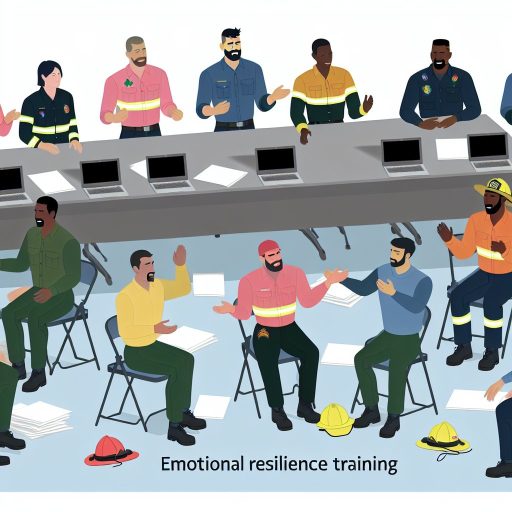
Learn More: Wildland Firefighter Emotional Resilience Training

Legal Knowledge

  • DEA agents must have a strong understanding of federal laws and regulations.

  • The legal implications of DEA investigations and operations.

  • Continuing education opportunities to stay up-to-date on changes in laws and policies.

Understanding Federal Laws and Regulations

One of the most important skills for a DEA agent is a deep understanding of federal laws and regulations.

DEA agents need to be well-versed in the Controlled Substances Act.

They also must understand other pertinent laws related to drug enforcement.

This knowledge is essential for conducting investigations and making arrests within the bounds of the law.

Legal Implications of DEA Investigations

DEA agents must also be aware of the legal implications of their investigations and operations.

They need to understand the proper procedures for collecting evidence, obtaining warrants, and making arrests.

Any missteps in the legal process can potentially jeopardize a case and lead to it being thrown out in court.

Ongoing Education and Legal Compliance

Given the ever-evolving nature of laws and policies, DEA agents must engage in continuous learning to stay current.

This includes attending training sessions, seminars, and workshops on legal updates and changes in drug enforcement policies.

By staying informed, DEA agents can ensure that their actions are always in compliance with the law.

Legal knowledge is a crucial skill for any DEA agent.

By understanding federal laws, knowing the legal implications of their work, and staying up-to-date on legal changes, DEA agents can effectively carry out their duties.

They can contribute to the fight against drug trafficking and abuse.

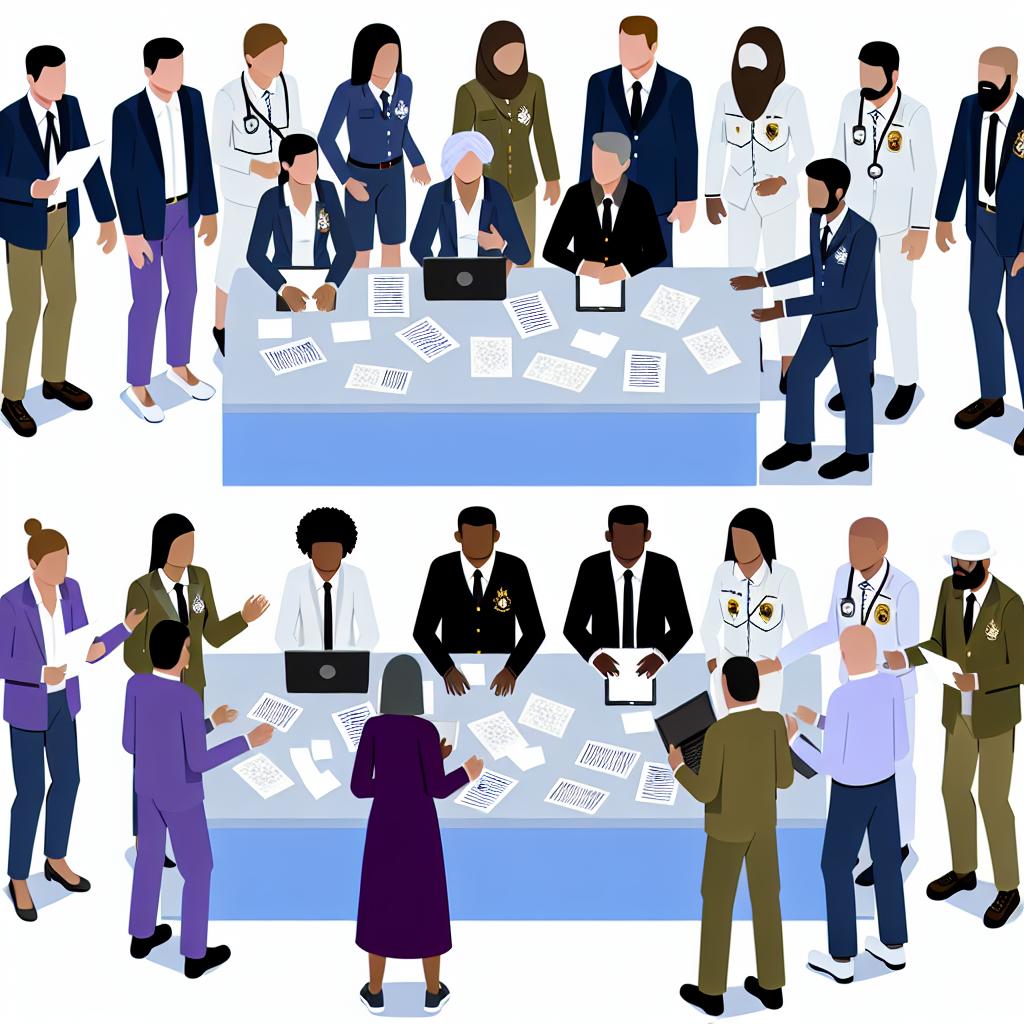
Learn More: Educational Programs Supporting CBP Officer Careers

Top Skills Needed to Succeed as a DEA Agent

Firearms and Tactical Training

Firearms and tactical training are essential skills for DEA agents to succeed in their role.

DEA agents are often required to carry and use firearms in high-stress situations.

It is crucial that they are well-trained in handling and shooting weapons.

Transform Your Career Today

Unlock a personalized career strategy that drives real results. Get tailored advice and a roadmap designed just for you.

Start Now

The Importance of Firearms and Tactical Training

DEA agents operate in dangerous environments where they may encounter armed suspects.

They also face violent situations requiring quick, controlled responses.

Their ability to use firearms effectively ensures their safety and the safety of others.

Firearms training teaches agents how to properly handle, aim, and shoot their weapons.

It also prepares them to respond to threats in a controlled and tactical manner.

Different Types of Weapons and Equipment Used by DEA Agents

  • Handguns: DEA agents are typically equipped with handguns as their primary weapon for self-defense.

  • Shotguns: Shotguns are used by DEA agents for situations where more stopping power is needed.

  • Rifles: Rifles are utilized for longer-range engagements or when dealing with heavily armed suspects.

  • Tactical Gear: DEA agents also carry various tactical gear such as body armor, helmets, and flashlights to assist them in their operations.

Ongoing Training and Certifications to Maintain Proficiency

DEA agents must undergo regular firearms and tactical training to maintain their proficiency.

This training helps them stay up-to-date on the latest techniques and equipment.

The training includes live-fire exercises, simulation drills, and scenario-based sessions.

These prepare agents for real-world situations they may face in the field.

In addition to initial training, agents must obtain certifications demonstrating their firearms proficiency.

These certifications often require periodic renewal to ensure continued skill and competence.

By continuously honing their skills and staying current on training, DEA agents better protect themselves and the communities they serve.

Teamwork and Collaboration

  • DEA agents often work in teams to achieve mission objectives.

  • The importance of collaboration with other law enforcement agencies.

  • Strategies for building strong relationships and working effectively in a team.

Working in Teams

DEA agents often find themselves working in teams to accomplish complex mission objectives.

This practice is crucial for ensuring the success of operations and investigations.

Each team member brings a unique set of skills and expertise to the table.

Combining those skills leads to successful outcomes.

Importance of Collaboration

Collaboration with other law enforcement agencies is key to the DEA’s success.

By working together with organizations such as the FBI, ATF, and local police departments, DEA agents can leverage each other’s strengths and resources.

This cooperation helps achieve common goals effectively.

Collaboration also supports sharing intelligence and coordinating efforts.

Ultimately, it enhances the effectiveness of operations.

Building Strong Relationships

Building strong relationships within the team and with external partners is essential for DEA agents.

Trust, communication, and mutual respect form the foundation of effective teamwork.

Fostering a positive and supportive work environment enhances collaboration.

Agents can then maximize their collective potential.

Effective Strategies for Teamwork

DEA agents should prioritize communication and transparency to work effectively in a team.

Setting clear goals is vital for successful collaboration.

Assigning roles and responsibilities helps clarify expectations.

Establishing open lines of communication supports teamwork.

Regular team meetings allow members to coordinate and align efforts.

Debriefs and feedback sessions help identify areas for improvement.

These practices refine teamwork skills over time.

Enhancing Mission Success through Collaboration

Teamwork and collaboration remain essential skills for DEA agents to succeed in their roles.

Working closely with colleagues and partners enhances agents’ effectiveness significantly.

They can achieve mission objectives more efficiently by prioritizing collaboration.

Such cooperation contributes greatly to the overall success of the DEA’s mission.

Essential Skills for Successful DEA Agents

Becoming a successful DEA agent requires a combination of specialized skills.

Communication skills are vital for collaborating effectively with team members.

Sharing important information during investigations demands clear communication.

Critical thinking helps agents analyze complex situations carefully.

Transform Your Career Today

Unlock a personalized career strategy that drives real results. Get tailored advice and a roadmap designed just for you.

Start Now

They must make informed decisions based on thorough analysis.

Adapting quickly to evolving challenges is essential in the field.

Physical fitness remains fundamental to maintaining peak performance.

Agents face high-stress operations and physically demanding situations regularly.

Attention to detail is key during thorough investigations.

They document evidence carefully and follow strict protocols.

Ensuring accuracy and integrity supports successful case outcomes.

Adaptability enables quick adjustments to changing circumstances and strategies.

This skill helps agents achieve mission success in diverse environments.

Leadership skills guide and motivate team members during operations.

Agents take charge in crisis situations and covert operations effectively.

Continuous development of these skills is essential throughout an agent’s career.

Ongoing learning helps agents stay sharp, competitive, and effective.

Refining abilities enhances performance and supports successful law enforcement outcomes.

DEA agents fulfill responsibilities by combating drug trafficking and organized crime efficiently.

Additional Resources

Harm Reduction | SAMHSA

Military Police Branch

Leave a Reply

Your email address will not be published. Required fields are marked *