




The Press Secretary’s Communication Role
A press secretary manages communication between government and the public.
They serve as the primary liaison between officials and citizens.
This role includes managing media relations and coordinating public messages.
Press secretaries also craft press releases and answer media inquiries.
Furthermore, they shape narratives around government initiatives and policies.
Their communication influences public perception and supports transparent governance.
Government Communication and Public Trust
Effective government communication builds trust between officials and citizens.
Transparent messages strengthen credibility and legitimacy.
Clear explanations also help prevent misinformation.
Because fake news creates confusion, swift responses clarify public understanding.
Moreover, informed citizens can participate more meaningfully in civic activities.
When people understand policies, they engage more effectively in democratic processes.
This participation strengthens democratic foundations.
During emergencies, timely updates can guide public responses and support safety.
A press secretary also monitors media coverage and public sentiment.
By analyzing news trends, the press secretary can adjust communication strategies.
This proactive approach helps officials address concerns before they escalate.
Additionally, the press secretary coordinates messages for major events and announcements.
That coordination keeps government communication consistent across platforms.
Consequently, press secretaries help governments navigate communication challenges effectively.
Core Responsibilities of a Press Secretary
A press secretary supports clear communication between government officials, journalists, and the public.
This role requires accuracy, consistency, responsiveness, and careful preparation.
Press secretaries also help explain government actions and policies in accessible language.
Representing the Government as Chief Spokesperson
The press secretary represents the administration during briefings, speeches, and other public communications.
They explain official policies clearly while maintaining consistency across different communication channels.
They also address difficult questions and respond to criticism from journalists.
- They respond promptly to press inquiries.
- The press secretary prepares official positions on various issues.
- They influence public understanding through carefully prepared statements.
- They address challenging questions from journalists.
- The spokesperson communicates through multiple media platforms.
Preparing Official Statements and Press Releases
Press secretaries prepare statements that present the government’s position on policies and current events.
They select precise language to communicate the intended message without creating confusion.
They also consult other officials before approving and distributing communications.
- Press releases present important information clearly and briefly.
- The secretary adapts messages for different audiences when necessary.
- The preparation process includes consultation with government officials.
- They maintain a professional and accessible tone.
- The press secretary oversees communication distribution.
Coordinating Media Relations and Journalist Inquiries
Strong media relations help government representatives share information efficiently.
The press secretary builds professional relationships with journalists and media organizations.
These relationships support timely responses and smoother information exchanges.
- The press secretary serves as a journalist contact.
- They coordinate answers to specific inquiries.
- The secretary organizes press conferences and briefings.
- They explain policies and upcoming government events.
- They monitor media coverage of government activities.
Maintaining Credibility with Journalists
Trust strengthens the working relationship between a press secretary and the media.
Accurate, timely information helps journalists evaluate government statements with confidence.
Consistent communication also creates opportunities for clarification and constructive dialogue.
- Transparent communication strengthens credibility.
- Regular updates keep journalists informed about policies.
- Prompt corrections can resolve concerns and misconceptions.
- The press secretary remains available for follow-up questions.
- Professional relationships encourage mutual understanding and respect.
Responding During Crises
Crisis situations require the press secretary to communicate quickly and carefully.
They provide factual updates while avoiding speculation about developing events.
They coordinate officials so the government presents a unified response.
- The press secretary offers a calm presence during emergencies.
- They coordinate responses with other officials.
- The secretary prepares spokespersons for media engagements.
- They consult legal teams about regulatory requirements.
- They develop strategies for limiting harmful coverage.
Assessing Public Opinion and Media Coverage
Press secretaries monitor public opinion to understand reactions to government decisions.
They analyze media coverage and social feedback to identify emerging narratives.
Transform Your Career Today
Unlock a personalized career strategy that drives real results. Get tailored advice and a roadmap designed just for you.
Start NowThis information helps officials refine communication plans and address public concerns.
- They evaluate the impact of press releases and statements.
- The press secretary tracks social media responses.
- They consider perspectives from critics and minority voices.
- The analysis supports proactive communication planning.
- The press secretary reports findings to government officials.
Supporting Clear and Trustworthy Governance
A press secretary combines public communication, media coordination, and crisis response.
Their work helps audiences understand government policies and official decisions.
Through careful communication, they promote clarity and strengthen public trust.
Working Relationships With Government Officials
The press secretary builds trust with officials through reliable advice and thoughtful relationship management.
This partnership helps officials present complex policies in language that audiences can understand.
Strong interpersonal skills help the press secretary address sensitive concerns and changing public reactions.
- Message Development: The press secretary helps officials express policies clearly.
- Practical Advice: They recommend suitable approaches for public and media interactions.
- Event Coordination: They organize press activities with relevant government departments.
- Public Feedback: They collect reactions that can improve communication strategies.
- Appearance Planning: They help officials prepare for public events and interviews.
Consequently, officials receive communication support tailored to public expectations and media conditions.
Connecting Government Officials With Journalists
The press secretary maintains professional relationships with journalists who seek timely government information.
Regular contact helps reporters understand official positions and identify suitable questions for briefings.
Meanwhile, the press secretary protects accuracy while presenting government priorities in accessible terms.
- Press Briefings: They host sessions that provide updates and address journalist questions.
- Message Framing: They shape explanations that reflect current government priorities.
- Media Monitoring: They review coverage and observe public reactions.
- Response Planning: They prepare answers to inaccurate or unfavorable reports.
- Professional Outreach: They develop constructive relationships with relevant media figures.
Through this liaison function, the press secretary supports an informed exchange between officials and the media.
Coordinating Consistent Messages Across Departments
The press secretary works with departments to keep public statements aligned with shared government objectives.
Regular coordination reduces conflicting explanations and strengthens the credibility of official communication.
Department representatives can therefore address related issues using compatible information and priorities.
- Interdepartmental Meetings: Teams discuss upcoming messages and communication needs.
- Shared Frameworks: Departments use common guidance when preparing public statements.
- Information Exchange: Officials share relevant updates across departmental boundaries.
- Joint Events: Departments coordinate appearances that address connected responsibilities.
- Media Training: Officials receive guidance for consistent and effective media engagement.
This coordinated approach helps the government communicate its objectives with greater clarity and confidence.
Guiding Officials Through Communication Strategy
The press secretary helps officials recognize communication challenges before public appearances, interviews, and major announcements.
Strategic guidance enables officials to prepare responses that suit different audiences and situations.
It also strengthens confidence when officials address difficult questions or unexpected developments.
- Media Preparation: Officials practice responding to inquiries with accuracy and composure.
- Speech Support: The press secretary helps develop clear and effective speeches.
- Crisis Planning: Officials prepare communication approaches for unforeseen events.
- Public Engagement: They receive advice on connecting with audiences effectively.
- Audience Assessment: The press secretary evaluates how groups may interpret proposed messages.
This guidance gives officials practical tools for presenting information responsibly and persuasively.
As a result, the press secretary strengthens communication planning across official appearances and public engagements.
Uncover the Details: Broadcast Technician: Preparing for Industry Changes
Importance of Transparency in Government Communication
Transparency in government communication supports a healthy democracy.
It helps citizens stay informed and engaged.
Moreover, open communication strengthens public trust.
Therefore, transparency supports accountability and civic vitality.
Building Public Trust Through Honest Communication
Honest communication builds lasting trust between government officials and citizens.
When leaders communicate directly, citizens feel more connected to the political system.
This connection can encourage civic engagement and participation.
- Regular Updates: Officials should provide consistent updates about policy changes.
- Clear Messaging: Officials should explain complicated issues using straightforward language.
- Accessible Platforms: Governments should make communication channels available to all citizens.
- Feedback Mechanisms: Officials should create systems for citizens to share concerns and opinions.
- Public Reporting: Governments should release reports about their actions and results.
These practices create a strong foundation for public trust.
Furthermore, engaged citizens can advocate for their communities.
They gain confidence when officials share information openly.
As a result, citizens participate more actively in democratic life.
Addressing Misinformation and Rumors Promptly
Misinformation and rumors can damage public trust quickly.
Social media can worsen this problem by spreading false information rapidly.
Consequently, government officials must respond to misleading claims without delay.
- Rapid Response Teams: Governments should establish teams that monitor misinformation.
- Fact-Checking Services: Officials can work with independent fact-checkers to verify information.
- Crisis Communication Plans: Governments should prepare plans for addressing public rumors.
- Social Media Engagement: Officials should use social media to correct false claims.
- Frequent Press Conferences: Officials should hold regular briefings during periods of widespread misinformation.
Timely responses can stop rumors before they gain influence.
When officials act decisively, citizens receive more reliable information.
In addition, transparency helps citizens distinguish facts from falsehoods.
This approach strengthens relationships built on openness and trust.
Transform Your Career Today
Unlock a personalized career strategy that drives real results. Get tailored advice and a roadmap designed just for you.
Start NowUpholding Democracy Through Transparent Communication
Transparent communication helps governments uphold democratic principles.
Democratic systems depend on citizens who understand public decisions.
With accurate information, citizens can make informed choices during elections.
- Informed Citizenry: Governments should provide information that supports informed choices.
- Accountable Leadership: Citizens can evaluate leaders through open communication.
- Encouraged Dialogue: Officials should support discussions about policies and their effects.
- Promoted Civic Engagement: Transparent processes can encourage participation in governance.
- Strengthened Institutions: Openness can reinforce institutions through greater accountability.
By prioritizing transparency, governments show respect for their citizens.
That respect can encourage cooperation between officials and the public.
Moreover, transparent communication helps citizens participate effectively in democratic processes.
Open communication also helps leaders build trust and resilience.
Transparency’s Democratic Impact
Transparency strengthens government communication and supports democratic institutions.
Open communication builds trust while helping officials address misinformation quickly.
It also keeps citizens informed and involved in governance.
Ultimately, transparency enriches the democratic fabric of society.
Gain More Insights: Building Credibility as a News Anchor
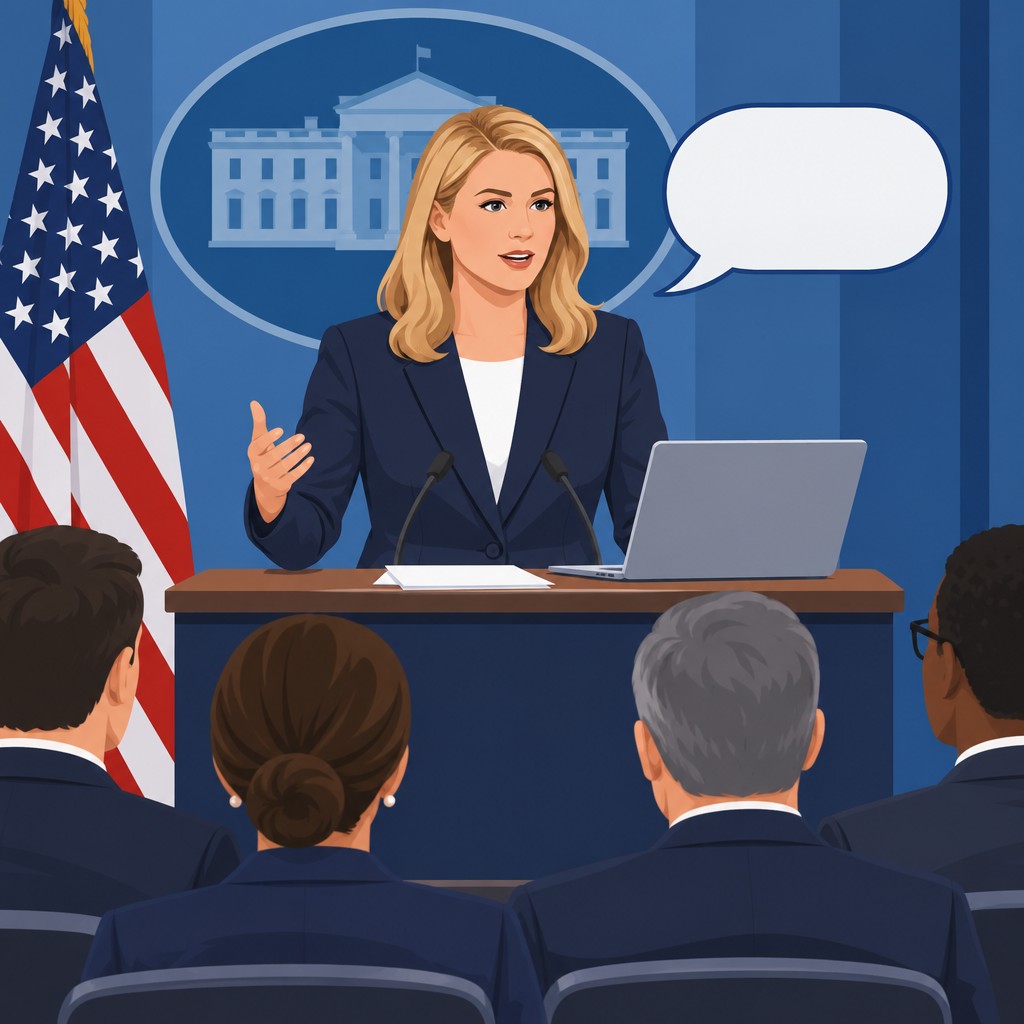
Challenges in Communicating Government Policies
Press secretaries navigate complex issues while addressing public concerns.
They must explain policies clearly while protecting the integrity of official information.
Several obstacles can complicate their communication responsibilities.
- Public skepticism about government intentions
- Complexity of policies and their implications
- Rapidly changing political climates
- Varying media interpretations and biases
Balancing Transparency with National Security Concerns
Press secretaries must balance public demands for information with national security requirements.
Releasing specific details could endanger lives or compromise ongoing operations.
Therefore, communicators must provide useful information without exposing sensitive material.
- Provide general information without compromising sensitive details
- Release information in a controlled manner
- Use background briefings to improve understanding
- Engage in proactive messaging
Managing Crisis Communication Effectively
Crisis communication requires immediate responses and clear explanations.
Public perception can change quickly, so press secretaries must communicate with steady judgment.
A structured communication plan can reduce confusion and support public confidence.
- Establish a clear and consistent message
- Prioritize timely responses to pressing issues
- Ensure accessibility for the media
- Provide updates as information becomes available
Responding to the 24/7 News Cycle and Social Media
The 24/7 news cycle requires press secretaries to monitor developments at all hours.
Social media can accelerate misinformation and intensify public confusion.
Official channels help communicators share accurate information and clarify emerging narratives.
- Monitor social media platforms for emerging narratives
- Respond quickly to misinformation
- Use official government channels to share information
- Engage audiences directly to clarify messages
Maintaining Public Trust Through Strategic Communication
Press secretaries manage competing demands across security, crises, media coverage, and public expectations.
Strategic communication helps them deliver timely information without sacrificing accuracy or necessary discretion.
Their efforts support trust by connecting government information with the citizens who need it.
Gain More Insights: The History and Evolution of Radio Hosting
The press secretary plays a crucial role in modern government communication.
Effective press secretaries shape how the public understands government actions and messages.
They connect government officials with journalists and citizens through strategic communication.
How Press Secretaries Shape Public Perception
Press secretaries represent the government during public communications.
They manage communication strategies and coordinate messages across different platforms.
Consistent messaging helps the government communicate its priorities clearly.
- They develop key messages that explain the government’s agenda.
- They prepare responses to media questions about sensitive subjects.
- They maintain relationships with journalists and media outlets.
- They organize press conferences and media briefings.
- They monitor media coverage and public sentiment.
Strategic Communication and Public Opinion
Strategic communication helps press secretaries address different audience groups.
They adapt messages so diverse audiences can understand government policies.
They also use accessible explanations to make official information more relatable.
- They identify suitable audiences for particular messages.
- They use storytelling to make policies more relatable.
- They highlight successful efforts to strengthen credibility.
- They explain information clearly to support public understanding.
- They engage citizens through interactive communication platforms.
These methods can influence how citizens interpret government decisions.
Press secretaries also correct misinformation and clarify misunderstandings.
During uncertain situations, authoritative guidance can help audiences understand events.
Transform Your Career Today
Unlock a personalized career strategy that drives real results. Get tailored advice and a roadmap designed just for you.
Start NowMessaging That Defends Government Decisions
Press secretaries often explain government decisions to skeptical audiences.
They present the reasoning behind policies while addressing public concerns.
Careful messaging can reinforce confidence in government decisions.
- They explain the public benefits of specific policies.
- They reaffirm the government’s commitment to its core values.
- They provide factual evidence against negative narratives.
- They use expert opinions to support government arguments.
- They address public concerns promptly and empathetically.
This approach can reduce uncertainty surrounding controversial decisions.
It can also reassure citizens who question the government’s direction.
Clear evidence allows audiences to evaluate policy explanations more effectively.
Building a Positive Government Image
Press secretaries help present the government as capable and responsible.
They promote achievements, initiatives, and public service efforts.
A positive image can strengthen public confidence in government activities.
- They showcase successful policy implementations and outcomes.
- They highlight community engagement and public service initiatives.
- They emphasize cooperation with local organizations and stakeholders.
- They encourage constructive interactions between officials and citizens.
- They work with media organizations to communicate favorable developments.
These efforts can strengthen the government’s relationship with citizens.
Public confidence may increase when citizens recognize effective government work.
Positive communication also supports stability during challenging periods.
Adaptability During Rapidly Changing Events
Press secretaries must adapt as news developments and public attitudes change.
They monitor media sentiment and adjust communication strategies when necessary.
Quick responses help maintain public understanding during breaking events.
- They use real-time tools to monitor social media activity.
- They establish procedures for responding to misinformation quickly.
- They train spokespersons to answer unexpected questions effectively.
- They review communication strategies using public feedback.
- They encourage open communication within government organizations.
Crisis situations make the press secretary’s role especially important.
Prompt communication can help protect public trust during difficult circumstances.
Clear guidance can reduce confusion and help citizens respond calmly.
Communication That Strengthens Public Trust
The press secretary’s work extends beyond routine information sharing.
Strategic communication can support government credibility and public understanding.
Effective messaging should remain clear, ethical, and responsive to public needs.
As society changes, press secretaries must refine their communication strategies.
Their performance influences how citizens view government actions and responsibilities.
Strong communication can encourage a more informed relationship between government and the public.
Discover More: Advertising Campaigns: Role of the Account Executive
Notable Press Secretaries and Their Communication Styles
Several press secretaries gained recognition by navigating difficult political environments and connecting official messages with public concerns.
Their approaches differed, yet each individual used communication skills to influence relationships with journalists and citizens.
These examples show how tone, transparency, commitment, and clarity can shape government communication.
- George H.W. Bush demonstrated poise, transparency, and calm communication while serving under Gerald Ford.
- Dee Dee Myers used humor, policy-focused messaging, and open dialogue when addressing reporters.
- Sarah Huckabee Sanders used social media and firm advocacy to communicate administration policies directly.
- Jen Psaki emphasized factual information, empathy, transparency, and clear messaging during briefings.
Communication Strategies That Strengthen Press Relations
Successful press secretaries use several practical strategies to improve information exchange and maintain effective communication.
They build professional relationships with journalists, explain complex issues clearly, and respond before problems escalate.
Additionally, digital platforms help press secretaries reach audiences quickly and communicate through multiple channels.
- Strong relationships with journalists encourage trust and support more productive information exchange.
- Simple language helps audiences understand complex policies and reduces possible misunderstandings.
- Proactive communication allows press secretaries to address concerns before those concerns become larger issues.
- Social media expands outreach and allows press secretaries to distribute information more quickly.
Effects on Public Understanding and Political Perception
Press secretaries influence how citizens interpret government decisions, policy explanations, and statements from political leaders.
Transparent communication can reduce skepticism, encourage cooperation, and strengthen public confidence in government initiatives.
During crises, timely messages can reassure the public and help address misinformation before it spreads further.
- Open communication can foster trust between government institutions and the public.
- Strategic framing influences how media organizations describe government actions and policies.
- Effective messaging can shape public opinion and encourage support for government initiatives.
- Clear crisis updates can limit confusion and help citizens respond to emergencies.
Press secretaries continue to influence political communication through relationships, clear explanations, timely responses, and digital outreach.
Their work affects both immediate media coverage and broader public interpretations of government conduct.
As communication practices evolve, press secretaries will adapt their methods to changing relationships between officials, journalists, and citizens.
Democratic Value of Press Secretary Work
Press secretaries help citizens understand official decisions and public issues.
They translate government positions into messages that audiences can follow.
This work supports informed participation in democratic life.
Transform Your Career Today
Unlock a personalized career strategy that drives real results. Get tailored advice and a roadmap designed just for you.
Start NowDuring crises, they provide timely information that can reduce confusion.
They also correct false claims before misinformation spreads widely.
Meanwhile, preparation for interviews helps officials communicate with consistency.
Press secretaries coordinate media inquiries and organize public appearances.
These activities create opportunities for journalists to question officials directly.
As a result, citizens can compare official statements with public concerns.
Their communication choices can influence how people interpret government actions.
However, accurate messaging remains central to maintaining public confidence.
The changing media landscape makes speed and clarity increasingly important.
Therefore, press secretaries continue to support informed citizens and democratic accountability.
Additional Resources
Google search results for Press Secretary's Role in Government Communication Media and Communication
Bing search results for Press Secretary's Role in Government Communication Media and Communication


