




Introduction
Maintenance workers help buildings and equipment operate smoothly.
They maintain essential systems, structures, and equipment in various settings.
Ongoing training helps these professionals strengthen their skills and knowledge.
Maintenance Worker Responsibilities
Maintenance workers inspect systems, structures, and equipment.
They repair problems and maintain equipment in residential, commercial, and industrial settings.
Their work supports the functionality of buildings and equipment.
Importance of Ongoing Training
Ongoing training keeps maintenance workers informed about current technologies, tools, and techniques.
It also helps workers improve their problem-solving abilities.
As a result, trained workers can perform their responsibilities more efficiently.
Benefits of Ongoing Training
Training strengthens maintenance workers’ skills and supports more effective job performance.
It also promotes safer work practices and more efficient maintenance activities.
Additionally, training can support employee morale and job satisfaction.
- Ongoing training increases proficiency by improving workers’ skills and expertise.
- Safety training familiarizes workers with protocols and procedures, reducing workplace accident risks.
- Well-trained workers can identify issues early, helping prevent costly repairs or replacements.
- Training opportunities show that organizations value employees, which can improve morale.
- Updated knowledge and skills help maintenance workers complete tasks more efficiently.
Increasing Job Skills and Knowledge
Ongoing training helps maintenance workers strengthen their job skills and expand their professional knowledge.
Regular sessions keep workers informed about current industry trends and technologies.
This continuous learning develops new competencies and makes workers more valuable to their organization.
Furthermore, training introduces techniques and practices that improve daily job performance.
Ability to Troubleshoot and Solve Complex Problems
Regular training equips maintenance workers to troubleshoot and solve complex problems.
Workers learn problem-solving strategies they can apply during real maintenance situations.
Additionally, training encourages a systematic process for identifying issues, analyzing causes, and applying solutions.
Consequently, workers sharpen critical thinking and resolve difficult maintenance issues more effectively.
Improved Efficiency and Productivity
Training also improves maintenance workers’ efficiency and productivity.
Workers learn time-saving methods that help them complete tasks more efficiently.
Moreover, training prepares workers to handle routine maintenance tasks promptly, which reduces downtime.
These gains can lower organizational costs and strengthen overall performance.
Organizations that invest in continuous learning can support stronger performance from their maintenance staff.
Therefore, ongoing training contributes to lasting organizational success.
Ongoing Training for Maintenance Workers
Ongoing training helps maintenance workers remain prepared for changing workplace demands.
It also supports consistent work quality and safer daily operations.
Furthermore, employers show commitment to staff development by providing continuous learning opportunities.
Awareness of Industry Developments
Regular training keeps maintenance workers informed about current developments in their field.
This awareness helps them choose effective approaches when completing maintenance duties.
As a result, workers can respond more effectively to changing industry expectations.
Use of Modern Technology and Equipment
Technology continues to change the equipment and tools used in maintenance work.
Therefore, training prepares workers to operate modern machinery and systems correctly.
Proper instruction can also support efficient work and limit unnecessary equipment downtime.
Compliance with Safety Requirements
Training programs explain the safety protocols that maintenance workers must follow.
Workers who understand these requirements can perform tasks with greater care.
Consequently, regular instruction helps reduce accident risks and supports a safer workplace.
Operational and Career Benefits
Continuous training can improve workplace efficiency and support stronger job performance.
It can also improve problem-solving, job satisfaction, and long-term professional development.
Transform Your Career Today
Unlock a personalized career strategy that drives real results. Get tailored advice and a roadmap designed just for you.
Start NowAdditionally, better preparation may reduce downtime and help control maintenance costs.
- Increased efficiency and productivity
- Improved job performance
- Greater job satisfaction
- Enhanced problem-solving skills
- Reduced downtime and maintenance costs
You Might Also Like: Tips for New Assemblers: How to Succeed in Your Role
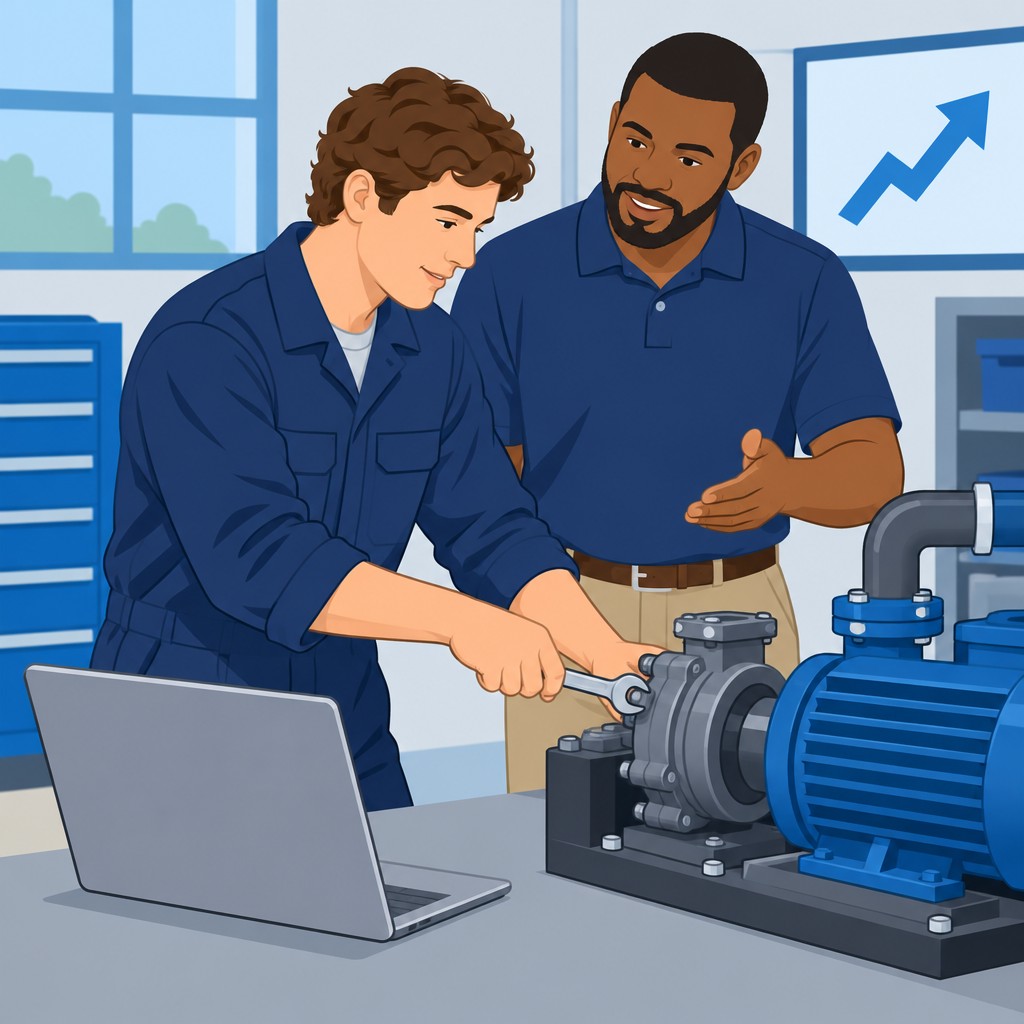
Employee Satisfaction and Retention
Employers can improve job satisfaction when they provide maintenance workers with regular development opportunities.
Workers feel supported when their organization encourages continued professional growth.
As a result, they often show stronger commitment to the organization.
Moreover, satisfied workers are more likely to remain with an employer that supports their development.
Professional Value and Motivation
Ongoing training shows maintenance workers that their employer values their potential.
This support can increase motivation and strengthen performance in daily roles.
Workers who feel valued may also contribute beyond their basic responsibilities.
Consequently, the organization benefits from a more engaged workforce.
Turnover Reduction and Organizational Savings
Maintenance roles often require specialized skills, making frequent employee replacement expensive.
By supporting current workers, companies can reduce turnover and retain a skilled workforce.
Lower turnover also reduces expenses associated with hiring and training new employees.
Therefore, ongoing development supports workforce stability and long-term organizational savings.
Discover More: Green Practices in Maintenance and Construction Repairs
Continuous learning helps maintenance workers respond effectively to changing tools, methods, and workplace requirements.
Regular development also strengthens teamwork, practical knowledge, and confidence during daily maintenance activities.
Benefits of Ongoing Training for Maintenance Workers
Ongoing training creates opportunities for maintenance workers to learn, cooperate, and support one another.
Training sessions also encourage workers to share experiences and identify more effective approaches.
Furthermore, shared learning can strengthen workplace relationships and promote a supportive team environment.
- Training promotes a culture of continuous learning as workers adapt to new tools and methods.
- Workers exchange ideas and experiences during training, which can improve cooperation and efficiency.
- Training sessions bring team members together and encourage camaraderie across the workplace.
Increased Efficiency and Productivity
Training gives maintenance workers current knowledge that supports faster and more accurate task completion.
Workers can apply improved techniques when they diagnose equipment concerns or complete repairs.
As a result, organizations can strengthen productivity while maintaining consistent work standards.
- Regular training develops problem-solving skills for complex maintenance issues.
- Well-trained workers can identify and resolve problems quickly, reducing machinery downtime and production losses.
- Continuous instruction helps workers complete tasks accurately and improve the quality of their work.
Enhanced Safety Measures
Ongoing instruction helps maintenance workers recognize hazards and follow established safety expectations.
It also reinforces careful conduct when workers use tools, equipment, and machinery.
Emergency preparation further helps workers respond promptly when critical situations occur.
- Regular training explains safety procedures and encourages workers to follow them consistently.
- Workers learn proper equipment handling, which can reduce the risk of workplace injuries.
- Emergency response training prepares workers to act quickly and protect employees during critical situations.
Adaptation to Technological Advancements
Technology changes quickly, so maintenance workers need regular instruction about updated systems and equipment.
Practical training helps workers use new tools confidently and integrate them into established workflows.
Software knowledge also supports organized maintenance processes and more efficient information management.
- Training on new equipment helps workers operate machinery and tools efficiently.
- Software instruction helps workers use maintenance management systems to streamline processes.
- Automation training prepares workers to manage automated systems and reduce manual effort.
Professional Growth Through Training
Training opportunities can help maintenance workers remain engaged in their professional development.
Organizations demonstrate support when they provide structured opportunities for learning and advancement.
Recognition can further motivate workers to participate actively and apply new knowledge.
- Professional development programs can strengthen morale by supporting employee growth.
- Recognition for training participation can motivate workers to perform strongly in their roles.
- Ongoing instruction can provide skills that support career progression within the organization.
Organizational Readiness Through Training
Ongoing training strengthens the knowledge and abilities maintenance workers use each day.
It supports safer practices, stronger efficiency, and better responses to technological changes.
Organizations that prioritize development can build teams prepared to contribute consistently to company success.
Learn More: Work Environment of Power Line Technicians
Operational and Organizational Benefits of Maintenance Training
Continuous training keeps maintenance workers current with industry trends.
Regular upskilling expands employees’ knowledge and expertise.
Furthermore, training programs improve efficiency and productivity during maintenance tasks.
Workers gain new skills that help them resolve complex maintenance issues.
Transform Your Career Today
Unlock a personalized career strategy that drives real results. Get tailored advice and a roadmap designed just for you.
Start NowEnhanced training can also strengthen employee morale and job satisfaction.
As a result, maintenance workers remain motivated and engaged in their responsibilities.
Continuous learning encourages organizations to develop a culture of innovation.
Moreover, well-trained workers follow safety protocols more consistently.
Preventive maintenance practices and fewer errors can reduce equipment downtime.
Employers can increase their return on investment through skilled and capable employees.
Long-Term Value of Workforce Development
Ongoing training supports organizational success by strengthening maintenance performance.
Therefore, investment in employee development creates lasting value for workers and employers.
Organizations can sustain these benefits by making professional development a continuing priority.


