




Green Practices in Maintenance and Construction Repairs
Green practices now play an important role in maintenance and construction repairs.
They help companies reduce environmental harm while strengthening responsible business operations.
Additionally, these practices can improve public perceptions of a company’s work.
Environmental Benefits of Sustainable Materials
Eco-friendly materials help companies lower their carbon footprint.
Recycled materials also conserve natural resources during construction repairs.
Furthermore, energy-efficient appliances support more responsible resource use.
Financial Savings Through Efficient Upgrades
Green upgrades can produce meaningful savings over time.
Energy-efficient equipment may lower utility bills.
Moreover, efficient systems can reduce maintenance expenses.
Environmental Regulatory Compliance
Governments increasingly enforce stricter environmental requirements.
Companies that adopt green methods can support regulatory compliance.
As a result, they can reduce the risk of costly penalties.
Healthier and Safer Work Environments
Green practices can create healthier surroundings for workers and occupants.
Non-toxic materials reduce exposure to harmful substances.
Improved indoor air quality can also support better well-being.
Competitive Benefits of Sustainability
Sustainable companies can strengthen their position in the marketplace.
Consumers increasingly favor businesses that demonstrate environmental responsibility.
Therefore, green maintenance practices can provide a competitive advantage.
Long-Term Value of Green Practices
Initial investments in green practices may appear expensive.
However, improved efficiency can deliver lasting value.
Reduced environmental impact further supports these long-term benefits.
Sustainable Practices as a Business Necessity
Green maintenance and construction repairs represent more than a passing trend.
They address environmental, financial, regulatory, and workplace priorities.
Responsible methods benefit companies, communities, and the environment.
Green Practices in Maintenance and Construction Repairs
Green practices guide maintenance and construction repairs toward environmentally responsible methods.
These methods reduce harmful effects on the environment.
They also support sustainability by limiting waste, conserving energy, and selecting eco-friendly materials.
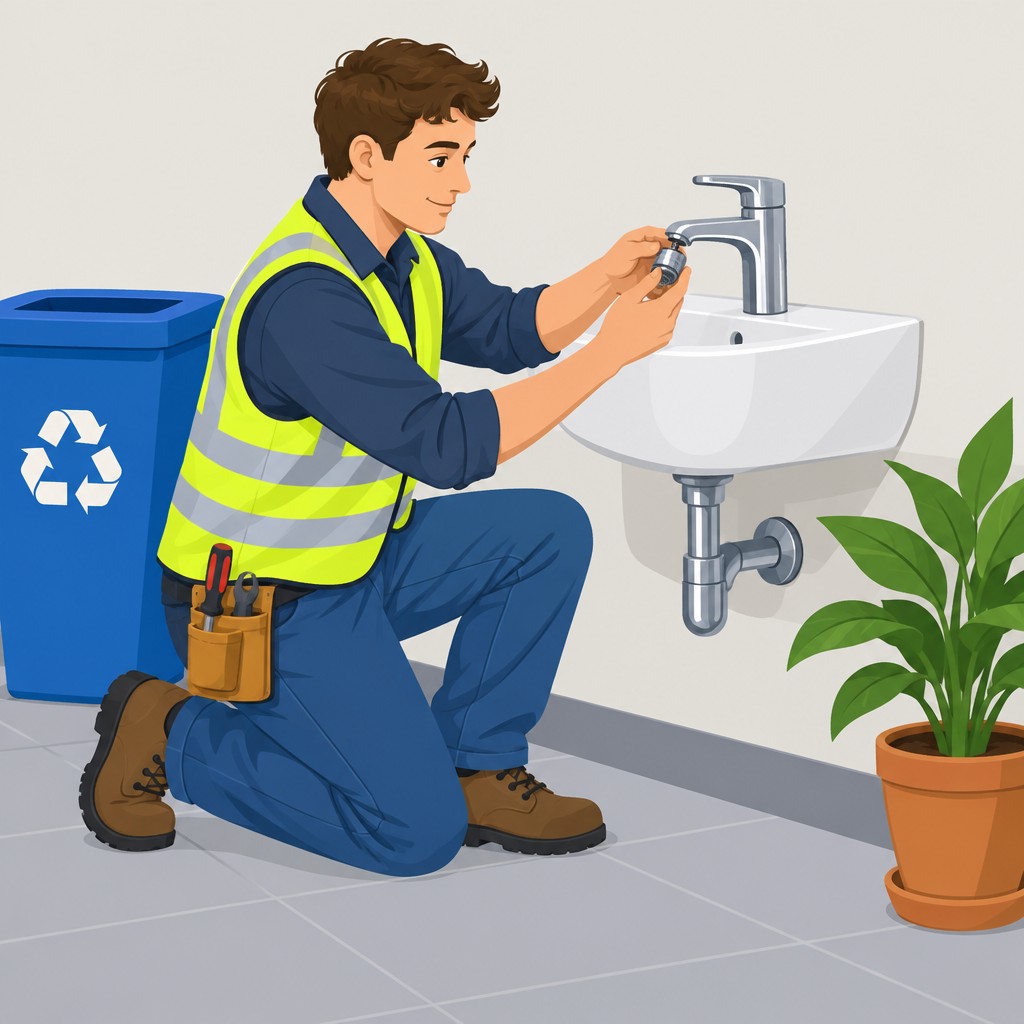
Examples of Green Practices
- Construction teams can use recycled wood, reclaimed metal, and sustainable concrete.
- Energy-efficient systems include solar panels, LED lighting, and smart thermostats.
- Teams can recycle materials, repurpose structures, and use efficient demolition techniques.
These techniques help building projects reduce their environmental footprint.
Construction companies and maintenance teams can support a greener future through these methods.
They can also improve the efficiency and longevity of their work.
Benefits of Green Practices
- Environmental benefits of implementing green practices:
- Green practices reduce carbon emissions and help address climate change.
- They preserve natural resources for future generations.
- They minimize harmful effects on ecosystems and biodiversity.
- Green practices reduce carbon emissions and help address climate change.
- Potential cost savings for companies adopting green practices:
- Efficient resource use can reduce energy costs.
- Streamlined processes can improve operational efficiency and productivity.
- A stronger reputation can attract environmentally aware customers.
- Efficient resource use can reduce energy costs.
Companies can gain environmental, financial, and operational advantages by adopting green practices in maintenance and construction repairs.
These methods also support responsible business performance.
Green practices reduce carbon emissions and help companies address climate change.
They preserve natural resources for future generations.
They also minimize harmful effects on ecosystems and biodiversity.
Energy-efficient maintenance and repair solutions can lower energy consumption and operating costs.
Efficient resource use can also improve productivity and strengthen operational performance.
These savings can help companies build more resilient and sustainable business models.
Additionally, sustainable operations can enhance a company’s marketplace reputation.
Eco-conscious consumers often prefer businesses that demonstrate a strong commitment to sustainability.
Transform Your Career Today
Unlock a personalized career strategy that drives real results. Get tailored advice and a roadmap designed just for you.
Start NowThat commitment can help companies attract environmentally aware customers and distinguish themselves from competitors.
Consequently, businesses may improve sales and market share while supporting environmental responsibility.
See Related Content: Work Environment of Power Line Technicians
Green Building Certifications
Green building certifications showcase a company’s dedication to sustainability.
LEED, or Leadership in Energy and Environmental Design, provides one recognized certification example.
These certifications highlight environmental priorities in maintenance and construction projects.
Criteria for Earning Green Building Certifications
Projects must address several sustainability areas to earn these certifications.
- Energy efficiency remains one key criterion for earning green building certifications.
- Additionally, environmentally friendly construction materials support certification requirements.
- Water conservation and waste reduction practices also contribute to certification success.
Certification Process for Maintenance and Construction Projects
Companies follow a defined process when seeking certification for maintenance and construction projects.
- First, companies register their projects with the appropriate certification body.
- Next, they submit documents demonstrating compliance with certification criteria.
- Then, reviewers assess the submitted documentation for approval.
- Afterward, inspectors may verify compliance through an on-site review.
- Finally, the certification body awards certification when projects meet all requirements.
Green building certifications recognize companies that prioritize sustainability in their projects.
They also assure clients and stakeholders that environmental considerations guide project decisions.
Explore Further: Agricultural Worker Rights and Labor Laws Explained
Sustainable Materials and Products
Maintenance and construction repairs can use sustainable materials to reduce environmental impact.
Sustainable materials also support resource efficiency throughout projects.
They can contribute to a more sustainable future for generations to come.
Importance of Sustainable Materials
- Sustainable materials minimize waste and promote resource efficiency.
- They reduce energy consumption throughout the building’s lifecycle.
- These materials promote healthier indoor air quality for occupants.
- They contribute to the project’s overall sustainability.
Examples of Eco-Friendly Materials and Products
- Reclaimed wood, metal, and glass provide recycled material options.
- LED lighting and smart thermostats offer energy-efficient appliance choices.
- Bamboo flooring and cork tiles provide sustainable flooring options.
- Low-VOC paints and adhesives support improved indoor air quality.
- Cellulose and wool provide sustainable insulation options.
These eco-friendly materials and products reduce environmental impact.
They also contribute to healthier living environments for occupants.
See Related Content: How Masons Contribute to Sustainable Building Practices
Energy Efficiency Strategies
Energy efficiency matters in maintenance and construction projects.
It reduces energy waste and can lower long-term operating costs.
These practices also help projects reduce their carbon footprint.
- Upgrade lighting with energy-efficient LED bulbs to reduce electricity consumption.
- Maintain and upgrade HVAC systems to improve efficiency and reduce energy waste.
- Install proper insulation to prevent energy loss and maintain comfortable temperatures.
- Seal gaps and cracks around windows, doors, and walls to prevent air leakage.
- Maximize natural light to reduce the need for artificial lighting during daylight hours.
- Consider solar panels or wind turbines to generate renewable energy on-site.
- Use smart thermostats and lighting systems to automate and optimize energy use.
- Track energy consumption regularly to identify improvements and adjust practices.
Applying these strategies can reduce environmental impact and energy costs.
Regular monitoring helps teams maintain efficient performance over time.
Uncover the Details: Power Line Installation: A Step-by-Step Guide
Waste Management Practices
Proper waste management supports environmental sustainability and cost-effectiveness in maintenance and construction.
Construction teams can reduce waste through careful planning, responsible material choices, and efficient project methods.
Additionally, recycling and safe hazardous waste disposal help limit environmental harm during project activities.
- Reducing Waste Generation
- Plan construction projects carefully to minimize excess materials.
- Use prefabrication and modular construction techniques.
- Apply lean construction principles to reduce waste.
- Choose suppliers offering sustainable and recyclable materials.
- Plan construction projects carefully to minimize excess materials.
- Recycling Materials
- Separate materials on-site for recycling.
- Partner with recycling facilities for collection and processing.
- Reuse salvaged materials in future projects.
- Consider recycled materials during construction.
- Separate materials on-site for recycling.
- Proper Disposal of Hazardous Waste
- Identify hazardous materials during early project planning.
- Train staff in safe handling and disposal procedures.
- Use certified waste management companies for disposal.
- Prepare emergency response plans for spills or accidents.
- Identify hazardous materials during early project planning.
Sustainability Case Studies
- Company A switched to eco-friendly materials and reduced energy consumption by 30%.
- Company B implemented sustainable waste management practices and reduced landfill waste by 50%.
- Company C adopted green roofing solutions and lowered heating and cooling costs by 25%.
Measured Outcomes and Business Benefits
- Companies improved productivity and operational efficiency through these practices.
- Businesses saved 20-40% on energy and resource costs by adopting sustainable methods.
- Customers and stakeholders viewed companies more favorably because of their sustainability commitments.
These examples show how businesses can replicate successful green strategies in maintenance and construction repairs.
They also motivate organizations to reduce environmental impacts while gaining practical business benefits.
Companies can learn from these experiences and adapt similar approaches within their own operations.
Sustainability now represents a necessity for businesses across industries.
Companies that embrace green practices support a healthier planet and strengthen their industry leadership.
As more businesses adopt sustainable strategies, maintenance and construction repairs will become more environmentally conscious.
Long-Term Value of Sustainable Repairs
Green practices in maintenance and construction repairs support sustainable business operations.
Companies can reduce their carbon footprint by choosing eco-friendly materials and energy-efficient solutions.
These choices also support a healthier planet.
Businesses should prioritize sustainability when planning maintenance and construction repairs.
Moreover, long-term planning can improve building efficiency and performance.
Eco-friendly strategies can lower energy costs and reduce waste.
They can also support occupant health and well-being.
Additionally, sustainable decisions can strengthen a company’s environmental reputation.
Transform Your Career Today
Unlock a personalized career strategy that drives real results. Get tailored advice and a roadmap designed just for you.
Start NowBy investing in responsible practices, companies can balance environmental care with operational benefits.
Such investments can support cost savings and improved building performance over time.


