




Collaboration in Multimedia Art
Collaboration fuels innovation and creativity in multimedia art.
Artists from diverse backgrounds share unique perspectives, skills, and ideas.
Together, they create groundbreaking projects that captivate audiences.
Effective collaboration amplifies individual strengths and bridges technical knowledge gaps.
This synergy enriches the creative process and produces polished outcomes.
Open Communication Among Artists
Clear communication channels support successful multimedia collaborations.
Encourage team members to express ideas without hesitation.
Meanwhile, hold regular meetings to discuss progress, challenges, and new concepts.
Use digital tools like Slack or Trello for seamless interaction.
This approach keeps everyone aligned and informed.
Clearly Defined Roles and Responsibilities
Clearly outline each member’s role from the outset.
Assign tasks according to individual strengths and expertise.
This clarity prevents overlap and minimizes confusion.
Additionally, establish deadlines and expectations to keep everyone accountable.
A well-structured process enhances productivity and teamwork.
Constructive Feedback and Critique
Constructive feedback strengthens collaboration and creative development.
Create a safe environment where team members comfortably share opinions.
Encourage regular critique sessions to refine ideas and concepts.
Approach feedback positively, focusing on improvement rather than criticism.
This practice nurtures creativity and strengthens group dynamics.
A Respectful and Inclusive Creative Environment
A respectful atmosphere nurtures collaboration and creativity.
Value each member’s contributions and perspectives equally.
Furthermore, celebrate differences and cultivate an inclusive culture.
This openness encourages richer discussions and innovative solutions.
Ultimately, a positive environment enhances creative output.
Technology for Collaborative Workflows
Leverage technology to facilitate collaboration effectively.
Use tools like Google Drive for shared file access.
Employ platforms like Miro for brainstorming and visual mapping.
These resources streamline workflows and keep everyone engaged.
Consequently, technological solutions can improve efficiency and productivity.
Apply these strategies to strengthen collaboration among multimedia artists.
A strong collaborative spirit can support remarkable artistic achievements.
Establish Clear Communication Channels
Effective collaboration depends on clear communication channels.
Consistent tool use keeps everyone informed throughout the project.
These practices also help team members remain engaged and organized.
Use Project Management Tools
Project management tools streamline communication and simplify project tracking.
Choose tools that match the team’s communication and organizational needs.
Popular options support messaging, task management, meetings, and file sharing.
- Slack: Slack organizes conversations through project or team channels.
- Trello: Trello uses boards, lists, and cards to organize tasks.
- Asana: Asana supports task assignments, deadlines, and progress tracking.
- Microsoft Teams: Microsoft Teams combines chat, video meetings, and file sharing.
Slack also integrates with tools such as Google Drive and Asana.
Trello makes assignments, deadlines, and subtasks visible at a glance.
Transform Your Career Today
Unlock a personalized career strategy that drives real results. Get tailored advice and a roadmap designed just for you.
Start NowMicrosoft Teams stores discussions and documents in one collaborative space.
Schedule Regular Check-ins
Regular check-ins help teams address issues and maintain project momentum.
Frequent discussions also keep expectations and priorities aligned.
Use different meeting formats to support varied communication needs.
- Weekly Meetings: Weekly meetings review progress, setbacks, and upcoming steps.
- Daily Stand-ups: Daily stand-ups help members share tasks and challenges.
- Feedback Sessions: Feedback sessions encourage constructive reviews of project work.
- Video Calls: Video calls clarify visual elements, emotions, and creative concepts.
These check-ins encourage accountability and keep team members informed.
Define Roles and Responsibilities
Clear roles provide structure for collaborative projects.
They reduce confusion and establish accountability across the team.
Assign responsibilities according to each member’s skills and strengths.
Assign Specific Roles
Specific roles help team members understand their contributions.
They also prevent unnecessary overlap between project duties.
Use complementary responsibilities to support the project’s creative and technical needs.
- Project Manager: The project manager oversees timelines and team communications.
- Art Director: The art director guides creative direction and visual consistency.
- Graphic Designer: The graphic designer creates visual assets aligned with project goals.
- Animator: The animator develops motion and fluid movement within multimedia elements.
- Sound Engineer: The sound engineer manages audio components and supports the overall project.
Defined roles clarify ownership of each project component.
Establish Accountability
Accountability helps teams meet deadlines and maintain reliable progress.
Clear expectations show each member what successful work requires.
Regular updates make responsibilities visible throughout the project.
- Set Clear Expectations: Explain the requirements and desired results for every role.
- Document Responsibilities: Use Trello or Asana to record assigned tasks.
- Regular Progress Updates: Ask members to share progress during scheduled check-ins.
- Celebrate Achievements: Recognize milestones to support morale and continued accountability.
These strategies encourage responsibility and support successful project delivery.
Encourage Creative Collaboration
Creative collaboration grows when team members exchange ideas openly.
A welcoming environment allows artists to contribute different perspectives.
Shared creative practices can strengthen relationships among team members.
Create Brainstorming Sessions
Brainstorming sessions encourage original ideas and collective problem-solving.
Clear preparation keeps each session focused and productive.
Team members should build on ideas rather than dismissing them quickly.
- Set Clear Objectives: Define the session’s goals before the discussion begins.
- Encourage Open Dialogue: Create a safe space where everyone can share thoughts.
- Record Ideas: Use Miro or Google Docs to preserve useful suggestions.
- Build on Ideas: Encourage members to expand and develop one another’s ideas.
Recorded ideas provide a useful reference for later project decisions.
Utilize Collaborative Tools
Collaborative tools connect creative contributors during the production process.
They support shared editing, feedback, storage, and visual planning.
Select tools that make creative work accessible to every team member.
- Adobe Creative Cloud: Adobe Creative Cloud supports collaboration across different design disciplines.
- Figma: Figma lets multiple users edit and comment simultaneously.
- Google Drive: Google Drive supports shared document creation and organized file storage.
- Miro: Miro provides an online whiteboard for brainstorming and visual organization.
These platforms make ideas easier to share, review, and develop.
Foster a Positive Team Culture
A positive team culture supports creativity and productive collaboration.
Supportive interactions help artists contribute confidently throughout the project.
Trust and respect create stronger foundations for teamwork.
Encourage Open Communication
Open communication helps teams address challenges before they grow.
Transparent discussions also strengthen trust among team members.
Active listening ensures that contributors feel respected and understood.
- Maintain Transparency: Share project updates and challenges openly with the team.
- Actively Listen: Encourage members to listen carefully to one another.
- Address Conflicts Promptly: Resolve disagreements quickly and fairly.
- Share Success Stories: Highlight successful collaborations to inspire the team.
These practices help maintain harmony and encourage continued participation.
Defining Roles and Responsibilities
Effective collaboration among multimedia artists depends on clearly defined roles and responsibilities.
When everyone understands their assignment, projects progress smoothly and efficiently.
A structured approach also strengthens accountability, coordination, and creative teamwork.
Assessing Team Strengths and Skills
Begin by evaluating each team member’s strengths, experience, and skills.
This assessment helps leaders assign tasks that match individual talents.
Gather information through discussions, surveys, or one-on-one meetings.
Transform Your Career Today
Unlock a personalized career strategy that drives real results. Get tailored advice and a roadmap designed just for you.
Start Now- Technical skills: Identify members who excel in graphic design, video editing, or sound engineering
- Creativity: Recognize members who develop innovative ideas and practical solutions
- Project management: Identify members experienced in coordinating projects and managing timelines
- Communication: Recognize members who engage effectively with clients and stakeholders
This process creates a clearer understanding of each artist’s capabilities.
It also encourages respect for the different strengths within the team.
Consequently, leaders can distribute responsibilities more thoughtfully.
Assigning Specific Tasks
After assessing strengths, assign specific tasks to each team member.
This approach improves accountability and lets artists focus on their expertise.
Clear assignments also reduce confusion during production.
- Match tasks to strengths: Assign visual elements to graphic designers and editing duties to video editors
- Break down projects: Divide large projects into smaller, manageable tasks
- Set clear boundaries: Define each responsibility to prevent overlap and confusion
For example, an animated short film requires several specialized responsibilities.
Each artist can then concentrate on a specific production stage.
Typical assignments include the following roles.
- Story writer
- Storyboard artist
- Animator
- Sound designer
Outlining Expectations Clearly
Clear expectations help teams maintain consistent standards.
Provide each member with detailed guidelines for every assigned task.
These guidelines should explain the expected result and the required process.
- Objectives: Define specific goals and explain what success means for each role
- Quality standards: Specify expectations for design concepts, edits, and finished materials
- Collaboration points: Identify when members should coordinate, review work, and provide feedback
For instance, a designer may create visuals for a presentation.
Project leaders should explain the intended message, aesthetic, and color palette.
This direction helps the designer meet the project’s visual needs.
Establishing Practical Deadlines
Timelines keep creative projects organized and moving forward.
Set deadlines for individual tasks and larger production stages.
Milestones also help teams measure progress before final delivery.
- Be realistic: Set achievable deadlines according to workload and project complexity
- Use milestones: Add intermediate deadlines to monitor progress and recognize achievements
- Communicate changes: Share schedule adjustments promptly when project conditions change
Realistic timelines help team members manage their time effectively.
They also encourage focus and commitment throughout production.
Flexible scheduling supports creative work when circumstances require adjustments.
Strengthening Accountability
Accountability encourages each artist to own their assigned responsibilities.
Leaders can support ownership through consistent tracking and constructive feedback.
Regular follow-up also reveals obstacles before they affect the project.
- Project management tools: Use Trello, Asana, or Slack to track assignments and updates
- Regular check-ins: Hold meetings that review progress and address unfinished responsibilities
- Feedback mechanisms: Invite responses from peers and supervisors to support improvement
These practices help members understand how their work affects the wider project.
Positive reinforcement can further encourage careful, reliable contributions.
As a result, the team can maintain stronger standards and coordination.
Reviewing and Adjusting Responsibilities
Creative projects change as teams develop ideas and solve challenges.
Therefore, leaders should review responsibilities throughout the production process.
Flexible role assignments allow teams to respond to changing needs.
- Monitor progress: Observe how members manage their responsibilities and adjust assignments when necessary
- Solicit feedback: Ask members about their workloads, roles, and project challenges
- Accept change: Encourage adaptability when creative priorities shift
Regular reviews can identify uneven workloads and unclear responsibilities.
Team members can then revise assignments before problems become larger.
This flexibility helps the group maintain effective performance.
Sustaining Role Clarity Throughout Production
Defined roles give multimedia teams a dependable structure for creative work.
When leaders align skills, tasks, expectations, and deadlines, teams work more efficiently.
Ongoing reviews ensure that responsibilities remain useful as projects evolve.
Consequently, artists can contribute confidently while maintaining shared project standards.
This method supports accountability, adaptability, and coordinated progress.
Find Out More: Top Media Training Workshops and Seminars in 2025
Foster a Creative and Inclusive Environment
A supportive workspace helps multimedia artists collaborate with confidence.
Transform Your Career Today
Unlock a personalized career strategy that drives real results. Get tailored advice and a roadmap designed just for you.
Start NowA positive atmosphere inspires creativity and strengthens teamwork.
When team members feel valued, they contribute more effectively.
Open communication creates a strong foundation for successful collaboration.
When everyone shares ideas freely, the team can develop stronger creative solutions.
Regular dialogue also helps team members address concerns before misunderstandings grow.
- Hold Regular Check-ins: Schedule weekly meetings to discuss progress and share ideas.
- Use Digital Collaboration Tools: Use tools such as Slack or Trello to keep communication organized.
- Practice Active Listening: Encourage attentive listening so every team member feels heard.
- Provide Constructive Feedback: Treat feedback as an opportunity for growth rather than criticism.
- Remain Transparent: Share project goals, expectations, and challenges openly to build trust.
Effective communication strengthens relationships among team members.
It also reduces misunderstandings that can create unnecessary conflict.
Create a Safe Space for Sharing Ideas
Team members need safety before they can express bold ideas.
A supportive space encourages creative risks that can lead to innovation.
Inclusive practices help different perspectives emerge during collaborative work.
- Encourage Brainstorming Sessions: Set aside time for creative brainstorming without judgment.
- Use Anonymous Feedback Tools: Allow anonymous idea sharing to reduce fear of criticism.
- Foster Inclusivity: Invite quieter team members to share their perspectives.
- Celebrate Diverse Perspectives: Recognize the different backgrounds and skills within the team.
- Adopt a No Bad Ideas Philosophy: Treat every idea as valuable during brainstorming sessions.
A safe environment gives artists room to explore unfamiliar approaches.
It also encourages multiple perspectives during creative development.
Emphasize Teamwork
Strong teamwork keeps multimedia projects focused and coordinated.
Artists learn from one another when they share responsibilities respectfully.
Clear cooperation helps the team pursue shared goals with greater confidence.
- Define Clear Roles: Outline each member’s responsibilities to prevent confusion.
- Encourage Pair Work: Partner artists so they can learn from one another.
- Organize Team-Building Activities: Plan activities that promote connections beyond daily tasks.
- Highlight Collaborative Achievements: Share examples of teamwork improving project results.
- Promote Mutual Respect: Encourage appreciation for each member’s strengths and contributions.
Strong teamwork improves the quality of creative projects.
It also keeps artists aligned and motivated toward shared goals.
Support Personal and Professional Growth
Growth opportunities can improve satisfaction among creative professionals.
They also help team members develop skills that strengthen future projects.
Leaders can support development through training, mentorship, and creative freedom.
- Offer Workshops and Training: Provide workshops that develop new skills and techniques.
- Encourage Goal Setting: Help team members set goals and track their progress.
- Establish Mentorship Programs: Connect junior artists with experienced mentors.
- Foster Creative Exploration: Allow time for personal projects and artistic experimentation.
- Provide Resources: Give artists access to current tools, software, and materials.
As team members grow, they often become more invested in their work.
A development-focused culture can nurture loyalty and creativity.
Recognize Contributions and Celebrate Success
Recognition shows team members that their efforts matter.
Timely acknowledgment can strengthen motivation and improve morale.
Teams can celebrate both individual contributions and shared achievements.
- Implement Recognition Programs: Create a formal program that celebrates achievements regularly.
- Feature Success Stories: Highlight individual and team successes during meetings or newsletters.
- Host Celebratory Events: Organize events for project completions and important milestones.
- Send Personal Thank You Notes: Encourage leaders to recognize individual efforts personally.
- Use Feedback Loops: Ask team members how recognition practices make them feel valued.
Celebrating contributions helps build a stronger creative community.
It reinforces a culture where team members feel appreciated.
Encourage Risk-Taking and Innovation
Innovation requires artists to experiment with unfamiliar possibilities.
A supportive team allows members to test ideas without fearing failure.
Creative experimentation can produce stronger approaches to project challenges.
- Promote Experimentation: Encourage new techniques and approaches during creative work.
- Allow for Failure: Present failure as a natural part of creative development.
- Host Hackathons: Organize events focused on fast, creative problem-solving.
- Provide Unstructured Time: Give artists time for personal projects that inspire them.
- Encourage Cross-Disciplinary Collaboration: Invite artists from different disciplines to brainstorm together.
Innovation can enrich creative work and add value to projects.
It also helps teams remain adaptable as creative needs change.
By fostering inclusion, multimedia artists can strengthen collaboration and nurture talent.
Find Out More: The Best Podcasts for Aspiring Film Critics
Multimedia artists often achieve stronger results through thoughtful collaboration.
Teams with varied backgrounds contribute different skills, experiences, and creative perspectives.
These differences can strengthen innovation and enrich the creative process.
Recognizing Individual Creative Skills
Every team member brings a distinct combination of abilities to a multimedia project.
Recognizing those abilities helps teams assign meaningful contributions and encourage stronger participation.
Skill recognition also creates opportunities for learning and mutual support.
Transform Your Career Today
Unlock a personalized career strategy that drives real results. Get tailored advice and a roadmap designed just for you.
Start Now- Assess Skills: Use surveys or interviews to identify each member’s strengths.
- Share Knowledge: Organize workshops that allow members to teach one another.
- Support Cross-Disciplinary Learning: Encourage members to explore each other’s creative fields.
- Celebrate Contributions: Recognize individual achievements to motivate participation and creativity.
Using Diverse Backgrounds to Inspire Creativity
Team members’ backgrounds influence how they interpret ideas, challenges, and artistic choices.
Cultural experiences can introduce perspectives that expand a project’s creative direction.
Teams can use these differences to develop more thoughtful and inclusive multimedia work.
- Encourage Open Dialogue: Create a safe space where members can express their opinions.
- Build Team Connections: Organize activities that encourage personal stories and meaningful interaction.
- Consult Cultural Experts: Seek informed guidance when a project involves specific cultural contexts.
- Share Global Influences: Invite members to discuss international trends that shape their creative thinking.
Bringing Multiple Viewpoints into the Creative Process
Different viewpoints can challenge assumptions and reveal possibilities that one perspective might miss.
Teams should welcome thoughtful debate throughout the creative process.
Regular exchanges help artists test ideas and refine their final direction.
- Hold Brainstorming Sessions: Use regular meetings and mind maps to develop and organize ideas.
- Welcome Constructive Disagreement: Allow respectful criticism to encourage stronger creative decisions.
- Explore Creative Tools: Experiment with different artistic tools and mediums.
- Request External Feedback: Invite outside opinions to uncover fresh insights and assess creative choices.
Advantages of Inclusive Multimedia Collaboration
Inclusive collaboration can improve both the creative process and the resulting multimedia work.
Teams gain broader insight when members contribute different experiences and viewpoints.
These contributions can strengthen storytelling and help creative work connect with varied audiences.
- Stronger Creativity: Collaboration across disciplines can produce innovative solutions.
- Better Problem Solving: Varied perspectives can reveal several responses to a challenge.
- Richer Storytelling: Different backgrounds can provide varied narratives for multimedia projects.
- Wider Audience Reach: Diverse teams can connect more effectively with different demographics.
Addressing Barriers to Diverse Collaboration
Diverse collaboration can create challenges that require patience, awareness, and practical support.
Teams should identify barriers before they limit participation or damage working relationships.
Respectful communication can help members navigate differences and maintain creative momentum.
- Reduce Communication Barriers: Help every member express ideas comfortably, regardless of language ability.
- Challenge Preconceived Notions: Use education and discussion to address stereotypes and bias.
- Manage Resistance: Discuss concerns openly when members encounter unfamiliar perspectives.
- Respect Work Styles: Accommodate different approaches while maintaining shared creative goals.
Building a Practical Inclusion Strategy
Teams need deliberate practices to turn inclusive values into consistent creative action.
Clear objectives help members understand how the team will support diversity.
Regular evaluation allows teams to improve their collaborative habits over time.
- Set Diversity Goals: Establish measurable objectives that guide inclusive team development.
- Provide Inclusion Workshops: Offer ongoing training about diversity and collaborative respect.
- Use Collaborative Technology: Apply video conferencing and shared workspaces to support teamwork.
- Evaluate Team Dynamics: Use surveys to identify improvements in diversity and inclusion.
Expanding Creative Possibilities Through Diversity
Multimedia teams can strengthen their work by valuing individual skills and varied perspectives.
Inclusive practices encourage richer ideas, stronger problem solving, and more engaging storytelling.
By addressing barriers and supporting participation, teams can expand their creative possibilities.
Discover More: Tips for Collaborating with Directors and Producers
Measurable Project Direction
Multimedia artists need shared targets when they work together.
Clear objectives keep project decisions aligned and make progress easier to evaluate.
Written targets also clarify expectations, ownership, and intended deliverables.
- Define the project scope: Outline tasks, timelines, and deliverables.
- Identify key performance indicators: Use metrics to measure project success.
- Apply SMART criteria: Make goals specific, measurable, achievable, relevant, and time-bound.
- Involve every team member: Engage contributors in goal-setting to encourage ownership and commitment.
- Document and share goals: Keep written records that support transparency and accountability.
Milestone-Based Project Planning
Smaller milestones make complex multimedia projects easier to track.
Each checkpoint gives the team an opportunity to assess progress and adjust its approach.
Regular milestone reviews can also maintain momentum throughout the project.
- Segment the project: Divide the work into distinct phases or manageable components.
- Assign responsibilities: Match tasks with each member’s strengths and expertise.
- Set milestone deadlines: Use specific dates to encourage urgency and accountability.
- Establish feedback mechanisms: Review each milestone and refine the project strategy.
- Celebrate achievements: Recognize completed milestones to support morale and motivation.
Transparent Team Communication
Transparent communication helps multimedia artists coordinate decisions and reduce misunderstandings.
Consistent updates allow contributors to recognize progress and address challenges promptly.
Moreover, respectful communication accommodates different preferences and working styles.
- Use communication platforms: Keep contributors connected through Slack, Discord, or Microsoft Teams.
- Schedule regular check-ins: Hold weekly or bi-weekly meetings about progress and challenges.
- Encourage feedback: Create opportunities for contributors to share their thoughts comfortably.
- Use visual aids: Display progress with tools such as Trello or Asana.
- Respect communication styles: Recognize that contributors may prefer different communication methods.
Resource Sharing and Collaborative Practice
Shared resources can help multimedia artists coordinate their creative work more efficiently.
Different viewpoints can reveal options that individual contributors might not notice.
Leaders can strengthen cooperation by modeling generous, organized, and respectful behavior.
- Invite varied input: Welcome viewpoints that may stimulate useful ideas.
- Plan team-building activities: Use exercises that develop trust and camaraderie.
- Support inclusive decisions: Give contributors meaningful opportunities to participate.
- Provide useful resources: Offer software and materials that support cooperative work.
- Lead through example: Demonstrate collaborative conduct during daily project activities.
Flexible and Adaptive Workflows
Multimedia projects often change as teams develop ideas and solve practical problems.
Flexible workflows help contributors respond without losing sight of project objectives.
Regular reassessment keeps goals relevant, attainable, and connected to current needs.
- Welcome changes: Consider new ideas that could strengthen the project.
- Reassess goals regularly: Confirm that objectives remain relevant and attainable.
- Encourage problem-solving: Let contributors troubleshoot challenges together.
- Document changes: Record adjustments to plans and objectives for clarity.
- Promote continuous learning: Encourage contributors to update needed skills and knowledge.
Reflective Project Reviews
Regular reviews help teams examine results and identify practical improvements.
Team participation brings multiple perspectives to the evaluation process.
Documented lessons can guide future projects and strengthen later collaboration.
- Schedule review meetings: Discuss outcomes and performance against established goals.
- Include the whole team: Gather insights from every contributor during assessments.
- Identify successes and challenges: Recognize progress while addressing areas needing attention.
- Document feedback: Record lessons from each project for future reference.
- Create action plans: Develop responses to challenges discovered during reviews.
Clear goals, responsive workflows, and reflective reviews can improve multimedia project coordination.
These practices help teams pursue organized progress while supporting the creative process.
Discover More: Understanding Event Planning Contracts
Transform Your Career Today
Unlock a personalized career strategy that drives real results. Get tailored advice and a roadmap designed just for you.
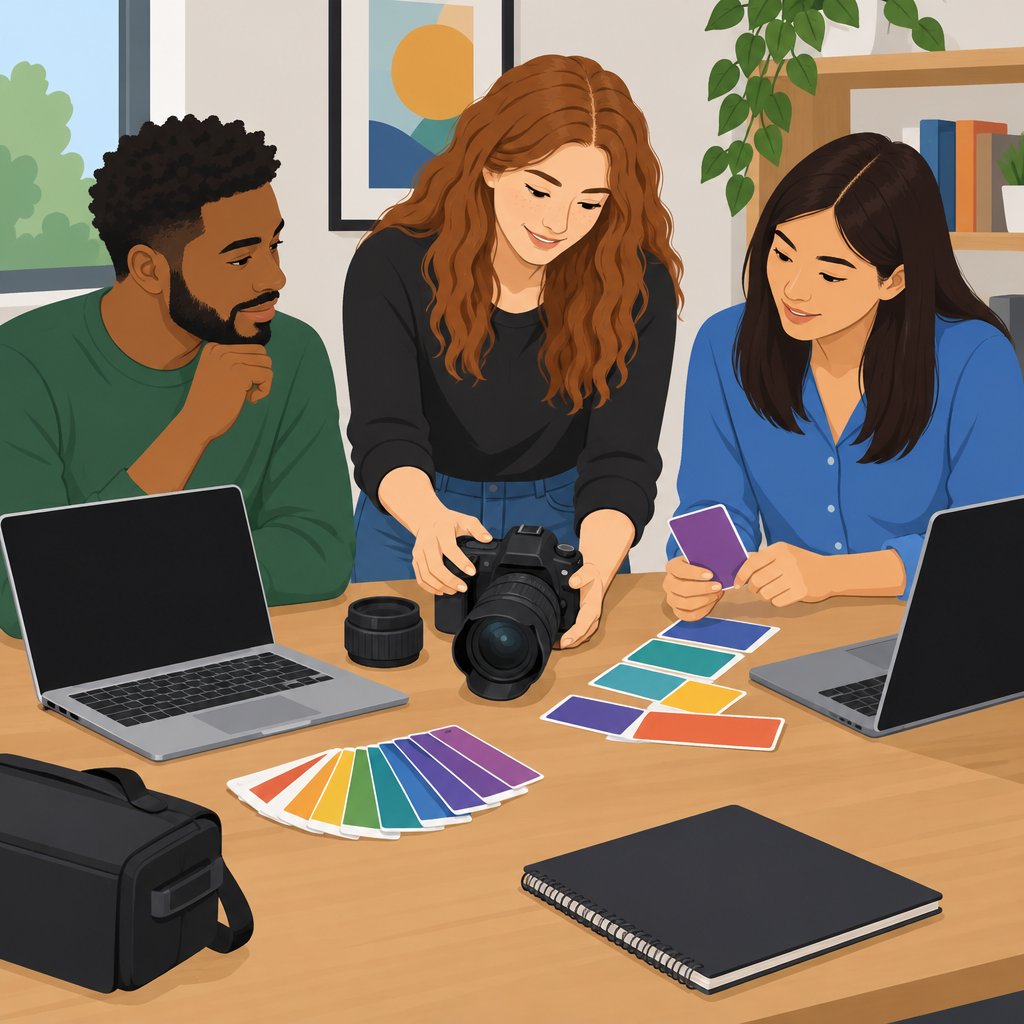
Start NowEffective collaboration among multimedia artists requires flexibility throughout the creative process.
Adaptable teams respond to challenges while preserving creative momentum.
They also use changing circumstances to discover stronger artistic possibilities.
Embracing Change During Creative Projects
Projects rarely follow their original plans exactly.
Changes in client requirements, resources, or team dynamics can reshape the creative process.
Teams can respond effectively when they accept change and communicate adjustments clearly.
- Acknowledge the Unexpected: Accept that changes may produce better results and encourage creative breakthroughs.
- Stay Positive: Maintain a constructive attitude so team members remain open and innovative.
- Communicate Changes Clearly: Explain updated roles and responsibilities to prevent confusion.
- Learn from Adaptations: Discuss successful adjustments and improve future adaptability after each project.
Building an Adaptive Team Mindset
An adaptive mindset helps creative teams manage uncertainty with confidence.
Team members can remain flexible when they understand shared objectives and trust one another.
Furthermore, experimentation allows artists to explore solutions without fear of failure.
- Encourage Experimentation: Create a safe environment where team members can explore new ideas.
- Value Diverse Perspectives: Consider different opinions and approaches when developing solutions.
- Set Clear Goals: Define project objectives so flexibility remains connected to the intended results.
- Build Trust: Establish a supportive environment where members can present alternative solutions confidently.
Using Collaboration Tools for Flexible Workflows
Digital tools help multimedia artists adjust tasks, files, deadlines, and feedback efficiently.
Shared platforms also help team members respond quickly when project needs change.
Meanwhile, continuous communication supports faster decisions and more responsive creative iterations.
- Project Management Software: Use platforms like Asana or Trello to adjust tasks and deadlines.
- Cloud Storage Solutions: Use Google Drive for shared access and timely file updates.
- Communication Tools: Use Slack or Microsoft Teams for quick discussions and decisions.
- Feedback Mechanisms: Gather continuous feedback to support responsive creative revisions.
Encouraging Open-Minded Creative Decisions
Open-minded teams consider fresh ideas before choosing a creative direction.
Regular discussion gives every member opportunities to contribute useful insights.
Additionally, informed teams can recognize when a project needs a thoughtful pivot.
- Host Regular Brainstorming Sessions: Schedule creative meetings that gather insights from every team member.
- Celebrate Different Ideas: Recognize contributions that move the project toward new directions.
- Be Ready to Pivot: Shift focus when an idea fails to support the project.
- Stay Informed: Follow industry trends to incorporate fresh ideas and techniques.
Strengthening Collaborative Problem-Solving
Flexible collaboration often requires teams to solve difficult problems together.
Critical thinking helps artists examine solutions from several angles.
Practice and reflection can also improve teamwork during future challenges.
- Encourage Critical Thinking: Question proposed solutions and explore multiple perspectives.
- Simulate Challenges: Practice responding to hypothetical obstacles as a team.
- Define Roles Clearly: Clarify responsibilities during problem-solving activities to streamline efforts.
- Reflect on Past Projects: Examine previous challenges and identify useful lessons.
Balancing Flexibility with Project Goals
Flexibility works best when teams remain connected to their project goals.
Regular reviews help artists adjust methods without losing their intended direction.
Client feedback can also guide necessary adaptations throughout the creative process.
- Regularly Review Objectives: Revisit the project’s purpose and goals during the work.
- Implement Checkpoints: Use milestones to evaluate progress and recalibrate when necessary.
- Encourage Reflective Practices: Discuss successful methods and needed adjustments during team meetings.
- Stay Client-Focused: Use client preferences and requirements to guide adaptations.
Flexibility as a Driver of Creative Progress
Flexibility strengthens collaboration among multimedia artists.
Teams can create outstanding work by adapting methods while protecting their shared direction.
Through openness, problem-solving, and reflection, artists can turn challenges into creative opportunities.
Effective collaboration among multimedia artists can produce remarkable creative results.
However, differing visions, work styles, and personal concerns can create tension within creative teams.
Constructive conflict resolution helps teams maintain productivity, respect, and creative momentum.
Acknowledging Creative Conflicts
First, acknowledge conflicts instead of allowing unresolved issues to continue affecting the team.
Addressing concerns early shows that you value the team’s working relationships and shared goals.
A private, honest conversation creates a stronger foundation for constructive discussion.
- Initiate a private conversation with the involved parties.
- Describe your observations without assigning blame.
- Encourage openness about feelings and perspectives.
Practicing Active Listening
Active listening helps team members understand concerns before they propose solutions.
It also demonstrates respect and encourages people to participate in an open dialogue.
Therefore, listeners should focus fully on the speaker rather than preparing immediate responses.
- Allow each person to speak without interruption.
- Summarize the speaker’s points to confirm understanding.
- Set aside your response while the other person speaks.
Maintaining a Calm Demeanor
A calm attitude can significantly influence the direction of a difficult conversation.
When participants manage their emotions, they reduce the risk of unnecessary escalation.
Meanwhile, respectful communication creates a safer space for everyone involved.
- Take deep breaths to relax your body.
- Use a calm tone when explaining your perspective.
- Focus on the issue instead of the person.
Focusing on Issues Rather Than Personalities
Personalizing a disagreement often makes people defensive and less willing to cooperate.
Instead, define the central issue and guide the conversation toward practical solutions.
This approach preserves professionalism while keeping the team aligned with its shared purpose.
- Define the core issue clearly.
- Avoid accusatory language during discussions.
- Direct the conversation toward solutions rather than blame.
Collaborating on Practical Solutions
After everyone understands the conflict, shift the discussion toward possible solutions.
Transform Your Career Today
Unlock a personalized career strategy that drives real results. Get tailored advice and a roadmap designed just for you.
Start NowShared problem-solving gives participants ownership of the decisions they help create.
Furthermore, realistic compromises can address important needs across the team.
- Invite every participant to propose solutions.
- Evaluate each option according to its feasibility.
- Seek compromises that address everyone’s needs.
Following Up After Resolution
Conflict resolution does not end when participants agree on a solution.
A follow-up conversation shows continued commitment to the team’s health and progress.
Regular check-ins can also identify new concerns before they become serious problems.
- Schedule a brief meeting to review progress.
- Ask participants for feedback about the resolution process.
- Reinforce open communication for future discussions.
Creating a Conflict Resolution Framework
A clear framework gives team members a consistent way to address disagreements.
It also clarifies expectations and reduces confusion during stressful conversations.
Consequently, team members can respond to concerns more proactively and confidently.
- Define a step-by-step process for addressing conflicts.
- Establish guidelines for respectful communication.
- Encourage a culture of feedback and support.
Sharing Personal Goals and Objectives
When team members understand one another’s goals, they can reduce misunderstandings.
Personal check-ins also help artists recognize the motivations behind different creative choices.
As a result, the team can provide more informed support throughout the project.
- Include personal check-ins during regular team meetings.
- Create a shared document for recording individual goals.
- Use team activities to strengthen working relationships.
Promoting Empathy and Understanding
Empathy helps artists appreciate perspectives shaped by different experiences.
It encourages team members to consider how others interpret the same situation.
Moreover, validation can reduce tension and make difficult discussions more productive.
- Invite individuals to share experiences that shape their views.
- Encourage team members to consider other perspectives.
- Emphasize the importance of validation during discussions.
Using Conflicts for Future Growth
Each conflict can reveal lessons that strengthen future collaboration.
Teams can examine their responses and identify ways to prevent similar problems.
This reflection builds resilience and supports a stronger sense of unity.
- Document important insights from the resolution process.
- Discuss how the resolution can improve future collaboration.
- Explore ways to prevent similar conflicts from returning.
Constructive conflict resolution helps multimedia artists maintain productive and respectful working relationships.
By listening carefully and collaborating on solutions, teams can turn disagreements into opportunities for growth.
These practices support a creative environment where every team member feels heard and valued.
Creative partnerships benefit when team members recognize individual contributions.
Artists invest considerable time and energy into their projects.
Celebrating achievements creates a positive atmosphere for everyone.
This approach boosts morale, strengthens motivation, and encourages continued collaboration.
Recognizing Individual Contributions
Every team member brings unique skills to a creative project.
Specific recognition helps team members understand that their efforts matter.
Use several thoughtful methods to acknowledge individual contributions.
- Personal Thank-You Notes: Write a personal note that shows care and appreciation.
- Shout-Outs During Meetings: Acknowledge meaningful efforts during team meetings.
- Social Media Recognition: Share team successes on appropriate social platforms.
- Team Member Spotlights: Feature one team member and highlight their skills.
Celebrating Project Milestones
Milestones mark important points in a project’s creative journey.
Shared celebrations give teams time to recognize collective achievements.
Choose celebrations that match the team’s circumstances and preferences.
- Team Celebration: Organize a small gathering in person or virtually.
- Achievement Awards: Create informal awards for different contribution categories.
- Success Stories: Document the journey behind important milestones.
- Team Dinner: Host a dinner to recognize the team’s hard work.
Maintaining Team Morale
High morale can influence how actively team members participate.
Valued team members often engage with greater commitment.
Leaders can support morale through consistent, practical team habits.
- Open Communication: Create space for everyone to share ideas comfortably.
- Constructive Feedback: Offer feedback that encourages growth and confidence.
- Work-Life Balance: Encourage breaks and manageable workloads.
- Team-Building Activities: Choose activities that strengthen camaraderie and cooperation.
Encouraging Ownership and Responsibility
Ownership gives team members a stronger sense of accountability.
Clear responsibility can improve the quality of creative projects.
Support initiative by combining clear expectations with useful resources.
- Clear Task Delegation: Explain each person’s responsibilities before work begins.
- Shared Decision-Making: Invite team members to help shape relevant decisions.
- Useful Resources: Provide the tools required for efficient work.
- Ownership Recognition: Acknowledge team members who take constructive initiative.
Creating an Inclusive Creative Environment
Inclusive environments can encourage creativity and fresh thinking.
Different perspectives can enrich the direction of each project.
Respectful participation helps team members contribute with confidence.
- Diverse Ideas: Welcome suggestions from every team member.
- Inclusive Meetings: Give everyone an opportunity to express opinions.
- Educational Workshops: Provide workshops that strengthen understanding of inclusion.
- Respectful Culture: Encourage mutual respect during every exchange.
Setting Goals and Tracking Progress
Clear goals give creative teams direction and purpose.
Transform Your Career Today
Unlock a personalized career strategy that drives real results. Get tailored advice and a roadmap designed just for you.
Start NowThey also make progress easier to monitor and discuss.
Regular reviews help teams adjust their efforts when circumstances change.
- Measurable Goals: Establish objectives that remain specific and quantifiable.
- Project Management Tools: Use tools that keep progress visible.
- Regular Check-Ins: Schedule meetings to discuss current progress.
- Flexible Goals: Adapt objectives when changing situations require adjustments.
Building a Feedback Culture
A feedback culture can strengthen teamwork and improve creative work.
Constructive discussions help teams refine their projects.
Leaders can establish this culture through regular and respectful exchanges.
- Peer Reviews: Encourage teammates to exchange constructive feedback.
- One-on-One Meetings: Schedule private conversations for candid discussions.
- Process Input: Invite team members to suggest process improvements.
- Leadership Example: Model constructive feedback during everyday interactions.
Recognition helps creative teams maintain motivation throughout their projects.
Milestone celebrations also reinforce appreciation for shared effort.
Together, these practices help multimedia artists feel valued and inspired.
Sustaining Strong Multimedia Art Partnerships
Successful collaboration helps multimedia artists create work with greater depth and wider appeal.
Artists combine different skills and styles to develop richer projects.
Consequently, shared effort can strengthen the final artistic result.
Artists should express their visions, expectations, and concerns directly.
Regular feedback helps partners adjust their work before misunderstandings grow.
Furthermore, active listening supports mutual understanding among collaborators.
Google Drive, Slack, and Trello can support shared access and coordination.
These platforms let artists share and edit materials in real time.
When artists recognize each other’s strengths, they can create productive synergy.
Respect for each contributor’s vision creates room for original ideas.
That environment can encourage artists to take creative risks.
Adaptable teams can respond constructively when project directions change.
Spontaneous discussions may reveal possibilities that planned sessions overlook.
Finally, teams can reinforce trust by acknowledging individual contributions.
Recognition strengthens morale and supports future creative partnerships.
Together, these practices help multimedia artists produce resonant work.
Such work can engage audiences and inspire lasting interest.
Additional Resources
Bing search results for Effective Collaboration Tips for Multimedia Artists Media and Communication


