




Introduction
A mining apprenticeship provides hands-on training in the mining industry.
Apprenticeships play a crucial role in developing skilled workers for the mining sector.
This blog post aims to provide an in-depth understanding of mining apprenticeships.
Aspiring apprentices need to understand essential information about this training opportunity.
What Is a Mining Apprenticeship?
A mining apprenticeship provides structured training for people pursuing skills and knowledge related to the mining industry.
It prepares participants for careers in the mining sector through organized learning and practical development.
Additionally, the program connects industry knowledge with workplace preparation.
Definition of a Mining Apprenticeship
A mining apprenticeship combines workplace training with classroom instruction.
Apprentices develop specific abilities while studying concepts related to mining work.
Consequently, the program supports preparation for employment within the mining sector.
Requirements for Enrolling in a Mining Apprenticeship Program
Applicants must meet the program’s minimum age requirement before enrollment.
They also need the required educational background and physical fitness.
Additionally, applicants must pass entrance exams and commit to completing the program.
- Minimum age requirement
- Educational background
- Physical fitness
- Passing entrance exams
- Commitment to the program
How Apprenticeships Differ from Traditional Mining Education
Mining apprenticeships provide hands-on training alongside classroom instruction.
Unlike traditional education programs, apprenticeships offer practical experience from the beginning.
Furthermore, apprentices work alongside experienced professionals while developing job-related skills.
Benefits of Pursuing a Mining Apprenticeship
When considering a mining career, an apprenticeship can provide several benefits and support a strong professional start.
Practical learning, experienced guidance, and employment opportunities can strengthen your preparation for mining work.
These advantages can help you develop skills and establish a foundation for future growth in the mining industry.
Hands-On Training and Field Experience
An apprenticeship gives you opportunities to receive hands-on training and gain practical experience in the field.
This practical exposure can help you develop skills needed to succeed in mining.
Furthermore, working beside experienced professionals introduces the industry’s processes and technical requirements.
Guidance from Experienced Mining Professionals
Seasoned professionals can offer valuable insights, mentorship, and guidance throughout your apprenticeship.
By observing and assisting experienced miners, you can learn established practices and receive career advice.
This guidance can deepen your understanding while supporting your professional development within the mining sector.
Improved Employment Opportunities After Apprenticeship
Completing an apprenticeship can improve your chances of securing employment in the mining industry.
Employers may value applicants who demonstrate relevant practical skills, knowledge, and experience.
Moreover, your commitment to hands-on learning can help you stand out among other applicants.
Many mining companies offer permanent positions to apprentices who successfully complete their programs.
Explore Further: Effective Budgeting Strategies for Construction Projects
Types of Mining Apprenticeships Available
Mining apprenticeships offer practical training across several areas of the mining industry.
Each pathway develops skills for specific responsibilities, working environments, and career interests.
Therefore, aspiring apprentices can compare specializations before selecting a suitable training direction.
Different Specializations Within the Mining Industry
Mining operations require workers with different technical, operational, and environmental skills.
Some apprentices work below ground, while others support surface operations or maintain essential equipment.
Additionally, environmental pathways help mining operations address sustainability and regulatory responsibilities.
- Underground mining involves working below the earth’s surface to extract valuable minerals and resources.
- Surface mining involves extracting minerals through open-pit mining or quarrying methods.
- Mechanical and electrical maintenance focuses on repairing and maintaining mining equipment and machinery.
- Environmental management emphasizes sustainability and compliance with environmental regulations.
Popular Apprenticeship Programs Offered by Mining Companies
Several major mining companies offer apprenticeship programs across technical and operational disciplines.
These programs may support training in engineering, trades, geology, logistics, or health and safety.
Meanwhile, applicants can compare each company’s disciplines with their own professional interests.
- BHP Billiton offers apprenticeships in engineering, trades, and geology.
- Rio Tinto provides apprenticeships in mining operations, logistics, and health and safety.
- Anglo American offers apprenticeships in mining engineering, metallurgy, and environmental studies.
- Glencore covers electrical, mechanical, and mining operations through its apprenticeship programs.
Choosing the Right Apprenticeship for Your Career Goals
Your interests and strengths can help identify an apprenticeship that supports your future career direction.
Transform Your Career Today
Unlock a personalized career strategy that drives real results. Get tailored advice and a roadmap designed just for you.
Start NowResearching available programs also helps you compare training areas, responsibilities, and required skills.
Furthermore, professional advice can clarify which pathway best matches your long-term goals.
- Evaluate your interests, including fieldwork, heavy machinery, or environmental responsibilities.
- Research apprenticeship options and compare their training areas with your goals and skills.
- Seek advice from mining professionals, mentors, or career counselors about available pathways.
- Consider your long-term goals and select training that develops relevant skills and experience.
- Apply strategically by highlighting your qualifications and enthusiasm for the mining industry.
A thoughtful comparison can help you select a mining apprenticeship that matches your abilities and ambitions.
As a result, the right program can guide your development toward a rewarding mining career.
Gain More Insights: Pest Control Work: Environmental Impact
Duration and Structure of a Mining Apprenticeship
A typical mining apprenticeship lasts between three and four years.
The program combines classroom instruction with supervised workplace experience.
Apprentices develop practical abilities while studying mining processes, safety, and technical knowledge.
Milestones and Evaluations
Training milestones help apprentices measure progress and develop essential skills.
Apprentices complete training modules, licensing exams, and assigned workplace tasks.
Supervisors, mentors, and trainers evaluate performance, technical skills, and industry knowledge.
- Apprentices complete required training modules.
- They pass required licensing exams.
- They successfully complete on-the-job training tasks.
- Supervisors conduct regular performance reviews.
- Assessments measure technical skills and knowledge.
- Mentors and trainers provide developmental feedback.
Classroom and Workplace Learning
Most apprenticeship time focuses on gaining practical experience in mining operations.
Classroom sessions occur periodically, often for several days each month.
Lessons reinforce workplace activities by connecting theoretical knowledge with practical application.
- Apprentices work alongside experienced mining professionals.
- They gain hands-on experience across mining operations.
- They apply theoretical knowledge in real workplace scenarios.
- Classroom training examines mining processes and safety.
- Interactive workshops and simulations support technical development.
- Training modules cover different mining practices.
- Apprentices work in various departments during workplace training.
- Supervision supports safe and effective skill development.
Mentorship and Progress Monitoring
Experienced professionals guide apprentices throughout their workplace development.
Mentors and supervisors provide feedback, practical support, and career-related advice.
Regular monitoring identifies strengths and improvement areas during the apprenticeship.
Training teams adjust development plans when evaluations indicate additional support.
Apprentices also use feedback to set goals for continued skills development.
Uncover the Details: Construction Manager's Role in Quality Control
Pay and Benefits for Mining Apprentices
Mining apprentices receive compensation while developing workplace skills.
Pay and benefits can vary between companies and locations.
Many apprentices also receive support that complements their earnings.
Average Salary for Mining Apprentices
Mining apprentices typically earn a decent salary when they begin their programs.
Company policies and location can influence the salary an apprentice receives.
Even so, apprentices can expect a competitive wage during their training.
- Starting mining apprentices can expect to earn a decent salary.
- Average apprentice salaries vary depending on the company and location.
- Mining apprentices can generally earn a competitive wage.
Healthcare Benefits and Tuition Assistance
Mining companies may provide benefits beyond an apprentice’s regular wages.
Healthcare coverage can help apprentices manage eligible medical, dental, and vision expenses.
Tuition assistance can also support apprentices who pursue additional education.
- Mining apprentices often receive additional benefits alongside their salaries.
- Healthcare benefits may include medical, dental, and vision coverage.
- Tuition assistance can help apprentices continue their education.
Pay Growth During the Apprenticeship
Apprentices can increase their earnings as they develop experience and skills.
Structured pay scales often reward progress throughout the apprenticeship program.
By completing the program, apprentices can earn more than they did initially.
- Pay can increase as apprentices gain experience and develop skills.
- Many mining companies use structured pay scales to recognize apprentice progress.
- Apprentices can earn a higher salary by the end of their programs.
Mining apprentices receive compensation while gaining valuable workplace experience.
Salary growth and benefits can make mining apprenticeships a rewarding career choice.
Uncover the Details: Assembler Work Schedules: What to Expect
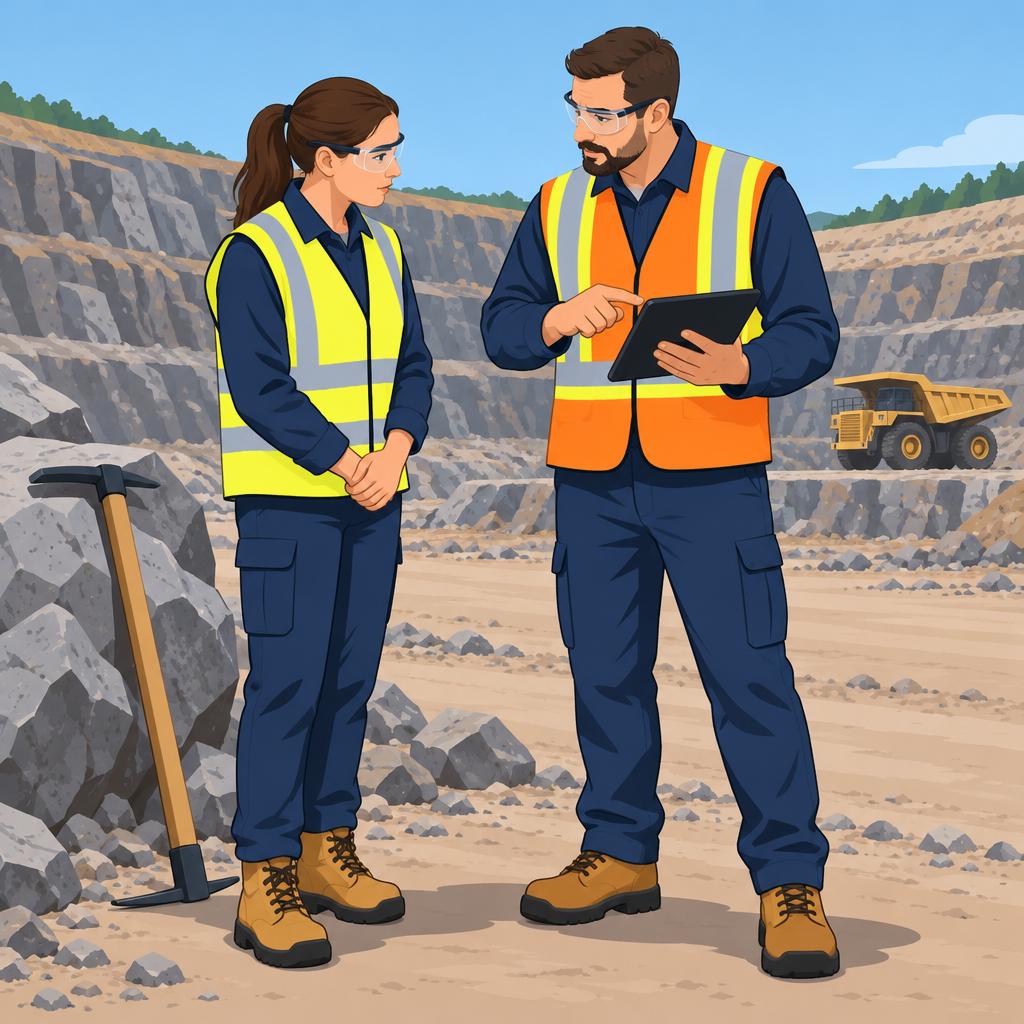
Challenges Faced During a Mining Apprenticeship
Mining apprentices manage demanding workplace responsibilities while continuing their educational development.
These demands can affect physical wellbeing, study schedules, and daily performance.
However, practical strategies can help apprentices remain focused and progress toward their career goals.
Physical Demands of Working in the Mining Industry
Long hours, extreme weather, and heavy lifting can place considerable strain on apprentices’ bodies.
Therefore, mining work requires physical stamina and strength to manage demanding tasks safely.
Transform Your Career Today
Unlock a personalized career strategy that drives real results. Get tailored advice and a roadmap designed just for you.
Start NowAs a result, apprentices may experience fatigue, muscle strain, or injuries during physically demanding work.
- Long hours and challenging weather conditions can increase physical fatigue.
- Heavy lifting can contribute to muscle strain and workplace injuries.
- Physical stamina helps apprentices handle the rigors of mining work.
Balancing Work and Educational Requirements
Apprentices often balance full-time mine work with ongoing academic studies.
Consequently, meeting both commitments requires careful planning and effective time management.
Apprentices can protect their work-life balance by prioritizing tasks and setting realistic goals.
- Full-time mine work can compete with academic responsibilities.
- Effective time management helps apprentices meet workplace and educational commitments.
- Realistic goals help apprentices organize tasks and maintain balance.
Strategies for Overcoming Challenges and Succeeding
Apprentices can manage these challenges by maintaining healthy routines and seeking appropriate support.
Additionally, clear communication helps them express concerns, request assistance, and collaborate effectively.
Continuous learning and resilience can help apprentices remain focused on long-term career goals.
- Maintain a healthy lifestyle through regular exercise, proper nutrition, and adequate rest.
- Seek guidance from mentors, colleagues, and educational institutions when challenges arise.
- Develop strong communication skills to express concerns and collaborate with team members.
- Embrace continuous learning, skill development, and self-improvement throughout the apprenticeship.
- Stay motivated, resilient, and focused on long-term career goals.
7 Tips for Excelling in a Mining Apprenticeship
A mining apprenticeship offers valuable opportunities to develop workplace skills.
Strong professional relationships can support learning and collaboration during the apprenticeship.
Furthermore, clear goals and active participation can strengthen your progress toward a mining career.
Establishing Good Relationships with Mentors and Colleagues
Experienced miners can provide valuable insights and practical advice.
Respectful communication helps apprentices learn from experienced industry workers.
Supportive relationships with peers can encourage collaboration throughout the apprenticeship.
- Connect with experienced miners to gain valuable insights and advice.
- Show respect and eagerness to learn from experienced industry workers.
- Build strong relationships with peers to create a supportive work environment.
Taking Initiative to Seek Learning Opportunities
Asking questions can help apprentices understand tasks and improve their skills.
Volunteering for additional responsibilities can expand practical experience.
Training sessions and workshops can further develop workplace knowledge.
- Ask mentors questions and seek guidance when you need support.
- Volunteer for additional tasks or projects to expand your skill set.
- Attend company training sessions or workshops to enhance your knowledge.
Setting Goals and Tracking Apprenticeship Progress
Specific goals give apprentices clear targets for their development.
Regular progress checks can reveal when adjustments are necessary.
Celebrating milestones can maintain motivation throughout the apprenticeship.
- Define specific and achievable goals for your apprenticeship.
- Review your progress regularly and make adjustments when necessary.
- Celebrate milestones and achievements to remain motivated and focused.
These practices can help apprentices make better use of their training opportunities.
They can also support continued development within the mining industry.
Mining Apprenticeships and the Industry’s Future
Mining apprenticeships offer hands-on training for people pursuing careers in the mining industry.
Through guidance from experienced professionals, apprentices develop practical skills and essential industry knowledge.
However, prospective apprentices should recognize the commitment and dedication required to complete these programs.
Despite these demands, apprentices can pursue stable employment and promising futures in the mining sector.
Moreover, training programs help mining companies develop workers prepared for workplace challenges.
By supporting apprentices, companies can strengthen their supply of qualified workers.
As demand for skilled mining workers grows, apprenticeships can help attract and retain talent.
Encouraging suitable candidates to consider this pathway supports the industry’s future workforce.
Additional Resources
Bing search results for Mining Apprenticeships: What You Need to Know Construction and Manual Labor


