



Important Qualities of a Mental Health Technician

Introduction

As a mental health technician, you play a crucial role in supporting individuals.

You help those struggling with mental health issues.

Your responsibilities involve providing direct care.

You assist in therapeutic activities.

You also monitor patients’ progress.

Overview of the Mental Health Technician Role

Mental health technicians work closely with patients.

They help patients cope with their mental health challenges.

Often, they assist in daily activities.

They manage medication.

They ensure patient safety at all times.

The Role’s Significance in Healthcare

Mental health technicians play a vital role in healthcare.

They provide essential support to individuals in need.

These professionals contribute to the overall well-being of patients.

They offer compassionate care and assistance consistently.

Compassion and Empathy

One of the most important qualities of a mental health technician is the ability to connect with patients on a personal level.

By showing compassion and empathy, the technician can create a safe and supportive environment for the patient to open up.

Patients who feel understood and validated are more likely to engage in therapy and make progress towards improving their mental health.

Ways to Demonstrate Compassion and Empathy

  • Active listening: Paying attention to the patient’s words and emotions without judgment

  • Non-verbal cues: Using body language and facial expressions to show understanding and support

  • Validation: Acknowledging the patient’s feelings and experiences as real and important

  • Empathetic responses: Responding to the patient with understanding and empathy

Strong Communication Skills

Communication is a fundamental skill for mental health technicians.

They must be able to effectively convey information to patients and colleagues.

  • Clear and Effective Communication: It is essential for mental health technicians to communicate clearly and concisely to ensure that their message is understood.

  • Active Listening: Mental health technicians should actively listen to patients to understand their needs, concerns, and feelings.

By actively listening, mental health technicians can show empathy and support to patients.

This can help in providing better care and treatment.

Empathy and Compassion

Empathy and compassion are important qualities for mental health technicians to possess.

They work with patients who may be experiencing various emotions and struggles.

  • Understanding Patients’ Perspectives: Being able to empathize with patients and understand their perspectives can help mental health technicians provide better care.

  • Showing Compassion: Demonstrating compassion towards patients can create a safe and supportive environment.

Empathy and compassion help mental health technicians build trust with patients.

This trust is essential for effective treatment and support.

Patience and Flexibility

Dealing with individuals with mental health concerns requires patience.

Mental health technicians must also be flexible in their approach.

  • Patience in Challenging Situations: Mental health technicians must remain calm and patient in challenging situations.

  • Flexibility in Approach: Being flexible allows technicians to adapt to unique patient needs.

By being patient and flexible, mental health technicians create a comfortable environment.

This helps patients receive the help they need effectively.

Strong Ethics and Professionalism

Ethics and professionalism play a crucial role for mental health technicians.

They handle sensitive information and support vulnerable individuals.

  • Adhering to Ethical Standards: Mental health technicians must maintain high ethical standards.

  • Demonstrating Professionalism: Professional behavior and communication build trust and credibility.

By upholding strong ethics, mental health technicians provide quality care and support.

This also maintains a professional image in their work environment.

Problem-Solving Skills

Problem-solving skills are essential for mental health technicians.

These skills help address challenges and improve patient care.

  • Analyzing Situations: Mental health technicians assess situations to identify potential issues.

  • Implementing Solutions: Developing strategies to solve problems improves patient outcomes.

By honing problem-solving skills, mental health technicians enhance their ability to provide care.

They support patients in various situations effectively and efficiently.
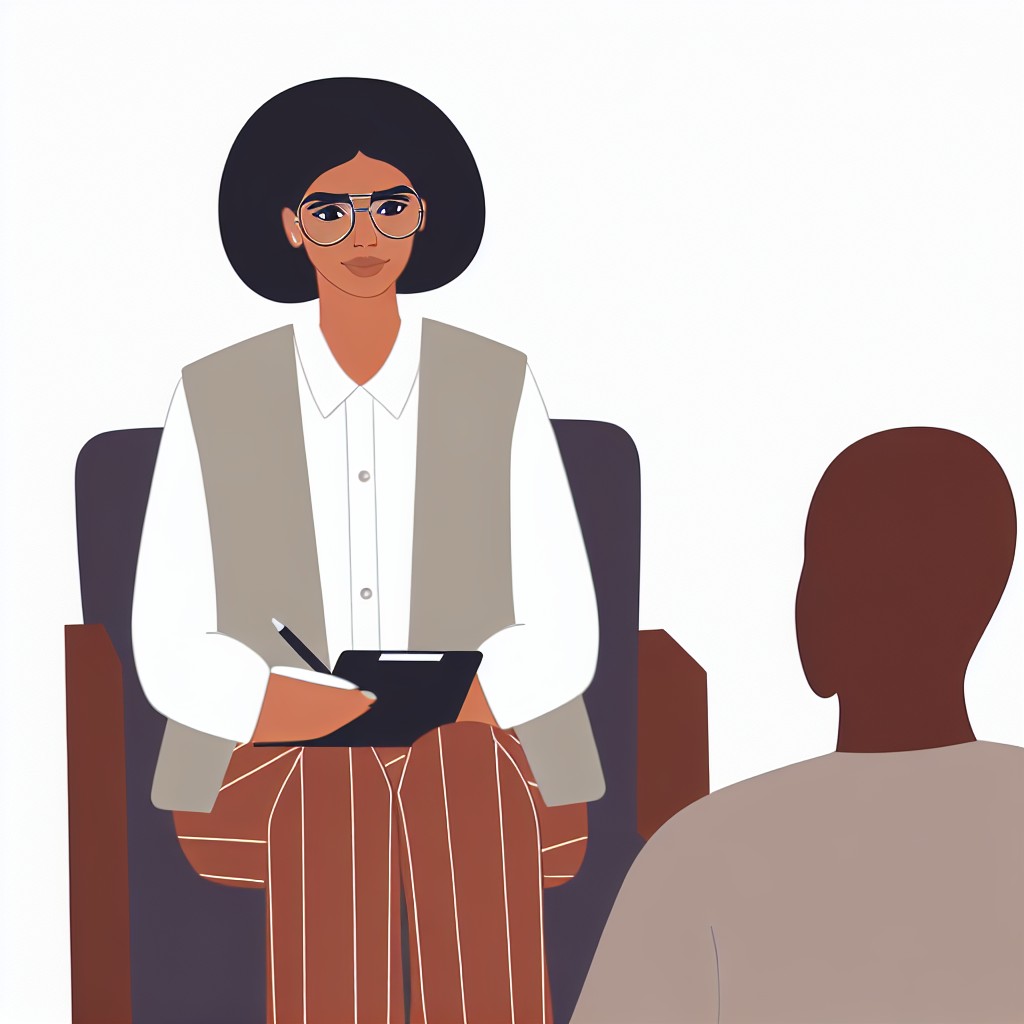
Active Listening

  • Listening attentively shows patients their feelings and concerns are heard.

  • Active listening helps gather important information on patients' conditions and needs.

Clarity in Communication

  • Using simple and clear language ensures patients understand the information.

  • Transparency builds trust and fosters positive patient-technician relationships.

Flexibility and Adaptability

Mental health technicians must adapt to changing situations.

They should tailor their approach to meet the unique needs of each patient.

Adaptability

  • Flexibility allows technicians to cater to diverse patient needs.

  • Adaptability helps find innovative solutions to complex patient problems.

Openness to Change

  • Embracing new ideas can improve patient outcomes and experiences.

  • Open attitudes enhance the effectiveness of treatment interventions.

Professionalism and Ethical Standards

Mental health technicians must adhere to high standards of professionalism and ethics.

This applies to their interactions with patients and colleagues.

Confidentiality

  • Maintaining confidentiality protects patients' privacy and trust.

  • Respecting confidentiality guidelines shows commitment to ethical practice.

Respect and Boundaries

  • Respecting patients' autonomy is essential for trust and rapport.

  • Setting professional boundaries helps maintain clear patient relationships.

Mental health technicians support individuals facing mental health challenges effectively.

By embodying patience, empathy, communication skills, flexibility, professionalism, and ethics, they provide excellent care.

Learn More: Top Skills Needed to Become an Adoption Counselor

Critical Thinking and Problem-Solving

When it comes to the qualities of a mental health technician, one important skill stands out.

Critical thinking and problem-solving abilities play a crucial role in their profession.

  • A mental health technician must critically assess a patient's condition and provide appropriate care.

  • This skill requires analytical thinking and informed decision-making about the best course of action.

Furthermore, mental health technicians need to think quickly and adapt to each patient's unique needs.

This may involve administering medication, offering emotional support, or applying therapeutic interventions.

Their critical thinking allows them to respond effectively to many situations and provide optimal care.

  • Mental health technicians must handle unexpected situations with composure and professionalism.

  • Thinking quickly and making decisions under pressure helps ensure the safety and well-being of patients.

For instance, if a patient shows sudden behavioral changes or distress, the technician must assess rapidly.

They take appropriate action to de-escalate the crisis and prioritize tasks effectively.

Effective communication with the healthcare team is essential in such moments.

Impact of Critical Thinking on Patient Care

Critical thinking and problem-solving are indispensable for mental health technicians.

These skills enable accurate assessment and delivery of appropriate care for each patient.

Moreover, they ensure confident, competent responses in unexpected situations.

By improving critical thinking, mental health technicians enhance patient care quality and overall well-being.

Find Out More: The Future of Public Health Social Work

Important Qualities of a Mental Health Technician

Teamwork and Collaboration

Collaboration is key in any healthcare setting.

Mental health technicians must work effectively with other healthcare professionals.

This ensures the best care for their patients.

Working effectively with other healthcare professionals

Mental health technicians often work as part of a team that includes doctors.

The team also includes nurses, therapists, and other mental health professionals.

It is crucial that they communicate well with these team members.

This communication provides comprehensive care.

  • Listening actively

  • Being open to feedback

  • Sharing information effectively

  • Respecting the roles of other team members

Participating in treatment planning and case reviews

Collaboration also involves participating in treatment planning.

Mental health technicians attend case reviews.

They may be responsible for presenting information about a patient's progress.

They also report on challenges and needs during these reviews.

  • Contributing ideas and insights

  • Following treatment plans effectively

  • Providing input based on observations

  • Working together to address patient needs

See Related Content: Supporting Immigrant Survivors of Domestic Violence

Cultural Competence

Understanding and Respecting Diverse Backgrounds and Beliefs

Cultural competence is a vital quality for mental health technicians.

They work with a diverse range of patients.

Understanding and respecting backgrounds and beliefs is essential for effective care.

Transform Your Career Today

Unlock a personalized career strategy that drives real results. Get tailored advice and a roadmap designed just for you.

Start Now

Mental health technicians should take time to learn about cultural norms, values, and traditions.

This knowledge helps build trust and rapport with patients.

As a result, treatment outcomes improve.

Providing Culturally Sensitive Care to Meet the Needs of All Patients

Mental health technicians must provide culturally sensitive care.

They ensure all patients receive the support they need.

This involves adapting treatment to align with cultural beliefs and practices.

Cultural sensitivity creates a safe and inclusive environment.

Patients feel comfortable discussing mental health concerns in such environments.

Consequently, diagnoses become more accurate and treatment plans more personalized.

Cultural competence enables mental health technicians to positively impact patients' mental well-being.

Key Qualities Essential for Mental Health Technicians

Recap of the important qualities of a mental health technician

Compassion is vital for mental health technicians to connect with their patients.

Empathy allows them to understand patients' feelings and perspectives effectively.

Patience helps in managing challenging situations and supporting patients over time.

Excellent communication skills enable clear and supportive interactions with patients.

Strong observational abilities assist in assessing patients' needs and changes accurately.

These qualities build trust and foster meaningful support for individuals facing mental health challenges.

Active listening and understanding non-verbal cues deepen connections with patients significantly.

Emotional intelligence helps technicians to respond appropriately to complex emotional situations.

The ability to stay calm under stress ensures effective performance during difficult moments.

Collectively, these traits enhance the quality of care and contribute to a technician's success.

Additional Resources

The Emerging Field of Behavioral Health Paraprofessionals ...

What is Human Services - National Organization for Human Services

Leave a Reply

Your email address will not be published. Required fields are marked *