




Media Training for Specialists
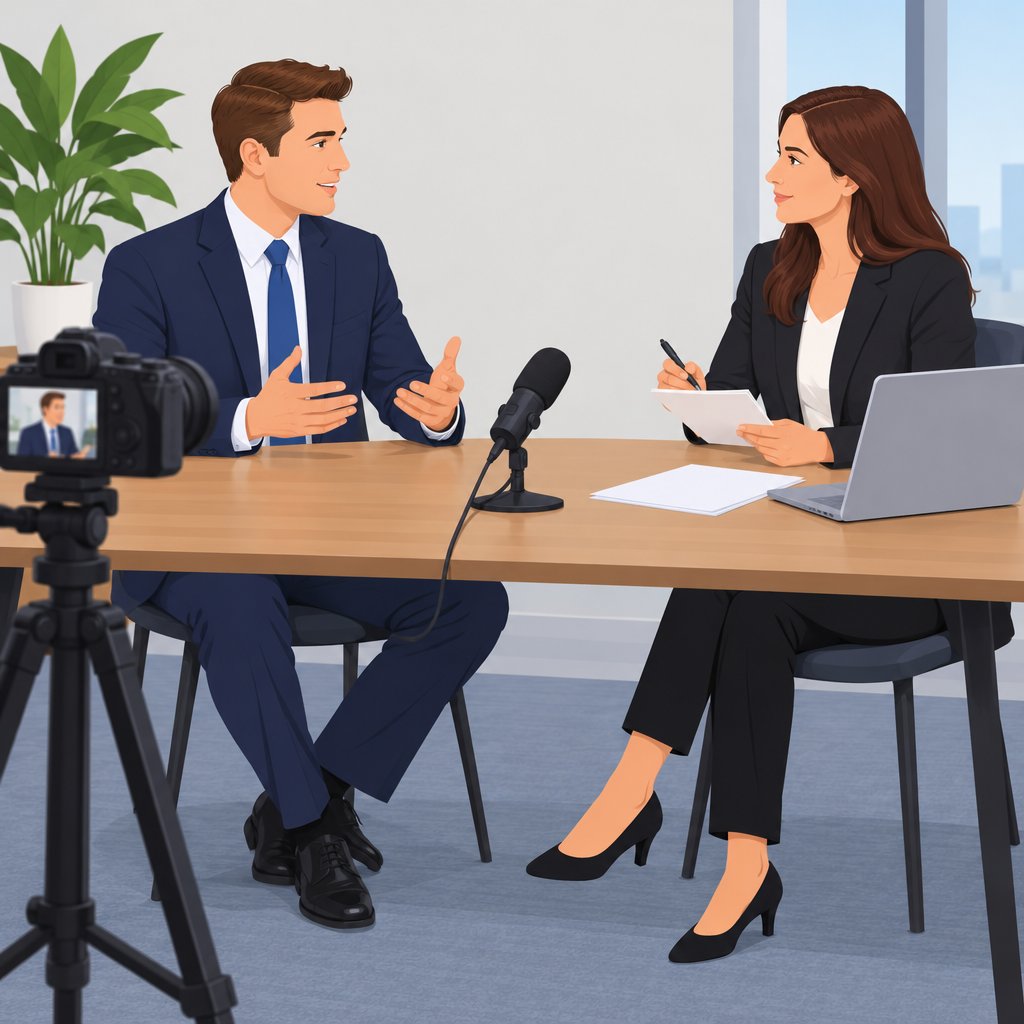
Media training equips individuals with skills to communicate effectively with the media.
It involves understanding media dynamics, crafting clear messages, and mastering interview techniques.
Today, specialists must engage journalists and audiences confidently across a fast-paced media landscape.
Digital platforms have increased the frequency and reach of media interactions.
Consequently, specialists face various platforms and diverse audiences.
Media training helps professionals navigate challenges and ensure their messages resonate with target audiences.
Specialists in business, healthcare, and technology can benefit substantially from media training.
Effective media interactions enhance credibility and foster positive public perception.
Furthermore, trained specialists are less likely to miscommunicate or experience crises from misunderstandings.
This post explores the significance of media training for specialists.
It emphasizes critical skills and explains why training remains essential for today’s professionals.
Through this exploration, specialists can recognize how training transforms their approach to communication.
The Role of Media in Shaping Public Perception
Media strongly influences how people understand issues, events, and professional fields.
It provides information that can shape public opinions and affect professional responsibilities.
Specialists should recognize these patterns because public opinions can influence their work.
Additionally, accurate communication helps specialists support informed public understanding.
How Media Influences Public Opinion
Media organizations select topics that receive public attention.
They also present issues through language, emphasis, and selected perspectives.
As a result, audiences may prioritize certain subjects over others.
- Agenda-setting: Media outlets decide which topics receive coverage, shaping public discussions about importance.
- Framing: Selected language and viewpoints can guide how audiences interpret particular issues.
- Accessibility: Media simplifies complex subjects, helping audiences engage with specialized information.
- Emotional appeal: Emotional stories can strengthen audience interest and influence public responses.
- Repetition: Frequent exposure to narratives can reinforce beliefs and normalize particular viewpoints.
Therefore, specialists need to understand how media narratives develop.
This awareness helps them present information clearly and address inaccurate representations.
It also allows specialists to connect professional messages with public interests.
Media Coverage Across Specialist Fields
Media coverage can influence professional fields in different ways.
Public reactions may affect compliance, consumer behavior, policy discussions, and resource allocation.
The following examples show how media narratives influence public understanding.
- Healthcare: Coverage during the COVID-19 pandemic shaped perceptions of the virus and health guidance.
- Technology: Data privacy discussions increased public distrust toward major technology companies.
- Climate change: The documentary “An Inconvenient Truth” increased awareness and encouraged public action.
- Education: Media coverage of educational disparities can influence public support and funding decisions.
These examples demonstrate how media attention can affect specialist responsibilities.
Consequently, specialists should communicate carefully when addressing journalists and public audiences.
Thoughtful engagement can reduce misinformation and strengthen public understanding.
Why Specialists Need Effective Media Engagement
Specialists can use media engagement to explain complex information clearly.
They can also address misunderstandings before inaccurate narratives become established.
Furthermore, clear communication can connect expert knowledge with diverse audiences.
- Building trust: Transparent communication helps specialists establish credibility with the public.
- Correcting misinformation: Media discussions give specialists opportunities to clarify inaccurate claims.
- Increasing visibility: Media engagement raises awareness of important professional issues.
- Informing policy: Expert perspectives can contribute to public policy discussions and guidelines.
- Reaching audiences: Media platforms help specialists communicate with people across different demographics.
Specialists should adapt their messages to each audience and communication setting.
They should also prepare concise points that support accurate reporting.
This preparation improves clarity and helps specialists respond to public concerns.
Strategies for Stronger Media Engagement
Specialists can improve media engagement through consistent preparation and audience awareness.
They should connect each message with the issue receiving public attention.
Moreover, regular evaluation can reveal which communication approaches work best.
- Develop a communication plan: A structured plan keeps messages consistent and clarifies communication objectives.
- Stay informed: Current media trends help specialists connect their expertise with relevant discussions.
- Use social media: Digital platforms allow specialists to share insights and engage audiences directly.
- Practice interviews: Role-playing can improve confidence and prepare specialists for difficult questions.
- Build journalist relationships: Professional connections can help reporters identify reliable specialist sources.
These strategies help specialists communicate with accuracy, confidence, and purpose.
They also support stronger relationships between professional fields and the public.
Effective media engagement can therefore promote informed discussion and improve public knowledge.
Transform Your Career Today
Unlock a personalized career strategy that drives real results. Get tailored advice and a roadmap designed just for you.
Start NowMedia presence gives specialists a practical way to reach broader audiences.
Greater visibility can strengthen professional credibility and attract new opportunities.
A focused media strategy helps specialists present their expertise with clarity and consistency.
Enhanced Professional Credibility
Specialists build credibility when reputable media platforms share their knowledge.
Clear contributions demonstrate expertise and help audiences evaluate their professional value.
Consistent exposure can reinforce trust among the public and professional peers.
- Specialists strengthen their authority by offering informed opinions through respected media channels.
- Informative articles and videos showcase knowledge through useful, high-quality content.
- Regular appearances keep a specialist’s expertise visible to interested audiences.
- Media features can increase recognition among colleagues and potential professional contacts.
Opportunities for Thought Leadership
Media visibility allows specialists to participate more actively in professional discussions.
They can use public platforms to explain developments and share informed perspectives.
This involvement can expand their influence beyond immediate professional circles.
- Specialists can guide industry conversations by explaining trends and important issues.
- Articles, interviews, and podcasts create opportunities to present original insights.
- Media exposure can connect specialists with potential collaborators and professional peers.
- Experienced specialists may use their influence to support aspiring professionals.
Personal Branding and Public Engagement
Media activity helps specialists communicate their distinct professional identity.
Audiences respond more readily when specialists combine expertise with a genuine personality.
Ongoing interaction can turn casual attention into stronger professional relationships.
- Consistent messaging helps specialists create a recognizable professional identity.
- Authentic communication encourages audiences to connect with the specialist’s perspective.
- Social media interaction helps specialists maintain relationships with their followers.
- Blogs, podcasts, and videos allow specialists to reach audiences across multiple platforms.
Practical Benefits of Increased Visibility
Greater visibility can produce direct professional benefits for specialists.
Organizations often notice professionals who communicate knowledge clearly and consistently.
As recognition grows, specialists may encounter opportunities across several professional areas.
- Recognized specialists may receive more employment opportunities within their fields.
- Media exposure can lead to invitations for conferences and seminars.
- Organizations may approach visible specialists for consulting assignments.
- Authoritative voices can attract partnerships and collaborative projects.
Professional Growth Through Media Visibility
Specialists can treat media presence as an important part of professional development.
Sharing useful insights increases their reach while reinforcing their professional reputation.
A deliberate media strategy can help specialists develop influence and pursue new opportunities.
Media engagement also enables specialists to contribute meaningfully to their professional communities.
By communicating consistently, specialists can remain visible in a competitive professional environment.
Explore Further: Influencer Relations in Niche Markets: Best Practices
Effective Communication Skills
Effective communication skills support specialists in every field.
Clear messages improve understanding and strengthen engagement with diverse audiences.
Storytelling makes complex topics relatable and helps specialists communicate successfully.
Clear Messaging and Storytelling
Clear messaging helps audiences understand important ideas without unnecessary confusion.
It also builds trust, strengthens retention, and encourages constructive feedback.
Meanwhile, storytelling adds emotional connection and makes key points easier to remember.
- Builds Trust: Clear messages foster trust because audiences can understand the speaker’s ideas.
- Enhances Retention: Concise communication helps audiences remember straightforward concepts instead of jargon.
- Facilitates Feedback: Clear messages invite constructive feedback that can refine ideas and approaches.
- Encourages Engagement: Well-articulated messages encourage people to participate in meaningful discussions.
- Creates Connection: Good stories connect emotionally with audiences and make messages memorable.
- Illustrates Key Points: Anecdotes can simplify complex concepts and improve comprehension.
- Inspires Action: Relatable stories can motivate individuals to respond or take action.
- Captures Attention: Engaging narratives can quickly capture audience attention.
Simplifying Complex Information
Simplifying complex information helps general audiences follow specialized discussions.
Specialists can improve clarity by choosing familiar words and organizing ideas carefully.
Visual aids and audience interaction can further strengthen understanding and retention.
- Use Plain Language: Avoid jargon and technical terms whenever familiar words communicate the idea.
- Break Down Concepts: Divide complex ideas into smaller parts and explain them sequentially.
- Use Analogies: Connect complicated concepts to everyday experiences that audiences already understand.
- Utilize Visuals: Add charts, graphs, or infographics to reinforce important information.
- Repeat Key Messages: Reinforce main points throughout the communication to support retention.
- Engage the Audience: Encourage questions and discussions to clarify complex topics.
- Summarize Main Ideas: Review crucial points at the end to confirm understanding.
Confidence in Public Speaking and Interviews
Confidence helps specialists communicate effectively during public speaking and interviews.
Regular practice increases familiarity with content and makes delivery feel more comfortable.
Preparation also reduces anxiety and helps speakers address audience needs with greater assurance.
- Practice Regularly: Rehearsing improves comfort and strengthens confidence with the material.
- Seek Constructive Feedback: Invite others to evaluate presentations and identify improvement areas.
- Visualize Success: Imagine successful communication to support stronger performance.
- Know Your Audience: Research listeners so you can address their needs effectively.
- Prepare for Questions: Anticipate questions and practice clear, thoughtful responses.
- Focus on Your Message: Concentrate on sharing useful knowledge instead of dwelling on nervousness.
- Use Relaxation Techniques: Apply deep breathing and mindfulness practices before speaking engagements.
Professional Benefits of Strong Communication
Strong communication helps specialists explain their thoughts with clarity and purpose.
Clear explanations make important ideas accessible to broader audiences.
By developing these skills, specialists strengthen their professional effectiveness and influence.
Delve into the Subject: How to Write Effective Media Relations Reports
Crisis Management and Response
Crisis management protects organizations when events threaten reputation and effectiveness.
During such moments, specialists must communicate clearly with media representatives.
Moreover, effective communication can prevent a situation from escalating.
Transform Your Career Today
Unlock a personalized career strategy that drives real results. Get tailored advice and a roadmap designed just for you.
Start NowThorough preparation supports confident responses under pressure.
Navigating Public Relations Crises Effectively
Public relations crises can emerge without warning.
Organizations must address challenges that could damage their reputations.
A proactive approach helps teams respond effectively.
- Identify the Crisis: Recognize the issue quickly to support a timely response.
- Gather Information: Collect relevant facts to build an informed response.
- Develop a Response Plan: Outline key messages and possible media questions.
- Monitor Media Coverage: Track news reports and adjust communication strategies accordingly.
- Engage with Stakeholders: Communicate openly to build trust during difficult circumstances.
Every organization can face crises caused by internal issues or external factors.
Trained specialists can manage these situations more effectively.
They keep facts ahead of assumptions when guiding public perception.
Media Training for Unexpected Situations
Media training strengthens crisis preparedness.
Trained specialists can handle inquiries more effectively.
They also communicate with greater confidence during stressful situations.
- Improved Communication Skills: Specialists practice expressing ideas clearly and answering difficult questions.
- Enhanced Message Delivery: Training helps specialists present important messages with clarity.
- Better Understanding of Media Dynamics: Specialists learn how media professionals operate.
- Strengthened Crisis Response Strategies: Training prepares specialists to react appropriately under pressure.
- Increased Confidence: Practice helps specialists handle unexpected questions and scenarios.
Training prepares specialists for potential media interactions.
They learn to answer tough questions while protecting their organization’s integrity.
This preparation becomes especially valuable when a crisis intensifies.
Trained spokespeople can respond with clarity and purpose.
Communication Strategies for Crisis Situations
A strong communication strategy guides interactions with media representatives and the public.
It also gives teams a consistent framework during difficult events.
Several factors explain why organizations need this preparation.
- Consistency: A defined strategy keeps messages consistent and reduces confusion.
- Timeliness: Effective planning helps organizations communicate quickly.
- Preparedness: Pre-approved messages save time during urgent situations.
- Audience Focus: Identifying target audiences helps teams tailor their messages.
- Post-Crisis Evaluation: Reviewing results helps organizations improve future protocols.
During crises, public perceptions can change rapidly.
Without a strategy, organizations may lose control of the narrative.
With clear planning, specialists can create messages that resonate with audiences.
Controlled communication ensures that organizations present their perspectives clearly.
Media relationships also influence crisis communication.
Specialists with media relations training can explain important messages effectively.
They can build rapport with journalists and encourage cooperation.
This cooperation can support more favorable coverage.
Organizations need media training because crises continue to create changing challenges.
Preparation gives specialists essential skills for effective crisis management.
A communication strategy complements training and creates a cohesive response.
Together, these resources help specialists navigate turbulent situations confidently.
Investing in preparation helps organizations protect their reputations during crises.
Gain More Insights: Creative Director's Guide to Brand Strategy
Media training helps specialists convey their messages effectively.
Understanding media dynamics helps professionals navigate newsrooms and digital platforms.
This knowledge enables specialists to create stronger communication strategies.
How Newsrooms Operate
Newsrooms follow specific protocols and operate under demanding time constraints.
Journalists must produce accurate stories quickly while responding to changing developments.
Specialists can communicate more effectively when they understand these newsroom conditions.
- Fast-paced environment: Newsrooms operate under tight deadlines, so journalists must work quickly and accurately.
- Story selection: Editors choose stories according to relevance, public interest, and newsworthiness.
- Journalist responsibilities: Journalists investigate, report, and communicate stories to the public.
- Multimedia integration: Newsrooms combine text, video, and audio to strengthen audience engagement.
- Audience analysis: Newsrooms study audience demographics, preferences, and feedback when shaping content.
This understanding helps specialists align communication goals with newsroom workflows.
It also supports more productive collaboration between specialists and journalists.
Furthermore, specialists can time their messages for greater impact.
Transform Your Career Today
Unlock a personalized career strategy that drives real results. Get tailored advice and a roadmap designed just for you.
Start NowDifferences Between Traditional and Digital Media
Traditional and digital media use different formats, habits, and communication methods.
These differences influence how specialists create and distribute their messages.
Recognizing platform expectations helps specialists address audiences more effectively.
- Delivery format: Traditional media includes print, radio, and television, while digital media includes websites, blogs, and social platforms.
- Interactivity: Digital media supports direct audience engagement and immediate feedback.
- Content lifespan: Traditional content may last longer, while digital content often receives rapid consumption.
- Audience reach: Digital media can cross geographic boundaries, while traditional media may remain regional.
- Content creation: Digital media often includes user-generated material, while traditional media typically relies on professional journalists and editors.
These distinctions help specialists select suitable formats for their messages.
A print message may require different language from a social media post.
Consequently, specialists should adapt content to each audience and platform.
Communication Strategies for Traditional Media
Traditional media requires clear preparation and careful attention to editorial expectations.
Specialists should present essential information in a direct and accessible manner.
They should also match each message with an appropriate media outlet.
- Crafting press releases: Specialists should write concise releases that highlight the core message and relevant details.
- Recognizing editorial policies: Specialists should study editorial alignments when developing media pitches.
- Selecting appropriate channels: Specialists should choose outlets that reach their intended audiences.
- Preparing for interviews: Specialists should practice concise responses that emphasize their key points.
Press releases should make important information easy for journalists to identify.
Moreover, targeted pitches can improve the relevance of specialist communications.
Interview preparation helps specialists deliver consistent and focused responses.
Communication Strategies for Digital Media
Digital media requires content that captures attention and encourages audience interaction.
Specialists should adjust their approach according to each platform’s features.
They can also use performance information to refine future communications.
- Creating shareable content: Specialists should use engaging visuals, infographics, videos, and images.
- Leveraging social media: Specialists should adapt content for Twitter, Facebook, Instagram, and LinkedIn.
- Engaging audiences: Specialists should respond to comments and feedback to build trust and community.
- Monitoring analytics: Specialists should track engagement metrics and adjust their strategies accordingly.
Visual content can help specialists communicate ideas in accessible formats.
Meanwhile, direct engagement allows specialists to respond to audience interests.
Analytics can reveal which communication choices produce stronger audience responses.
Building Consistent Media Communication
Specialists need flexible communication methods for different media environments.
They can improve results by combining newsroom awareness with platform-specific planning.
Consistent preparation also supports stronger relationships with journalists and audiences.
When specialists understand media dynamics, they can communicate with greater confidence.
Their messages become clearer because they reflect each medium’s expectations.
As a result, specialists can guide their messages toward informed audience engagement.
Find Out More: Web Content Manager: Tools for Collaboration
Media training programs offer specialists several benefits that strengthen communication skills.
These benefits extend beyond message delivery and support professional and personal development.
Specialists can improve confidence, clarity, and preparation through structured media training.
Core Elements of Comprehensive Media Training
A well-structured program covers essential components that prepare specialists for different media engagements.
Participants develop practical techniques for creating messages, managing interviews, and presenting themselves confidently.
Additionally, realistic practice and constructive feedback help participants strengthen their performance.
- Message Development: Participants learn to create clear, concise messages for specific audiences.
- Interview Techniques: Specialists practice answering difficult questions while remaining composed and articulate.
- Body Language and Non-verbal Communication: Participants practice eye contact, gestures, and confident presentation.
- Media Landscape Awareness: Participants explore communication across print, television, and online platforms.
- Handling Negative Situations: Specialists prepare for crises and public relations challenges.
- Practice Sessions: Role-playing exercises help specialists refine their communication techniques.
- Feedback and Evaluation: Constructive feedback reveals strengths and identifies opportunities for improvement.
Professional Success Stories from Media Training
Specialists frequently describe media training as a transformative experience that improves confidence and career communication.
The following professionals explain how training supported their media interactions and public communication.
Their experiences highlight practical improvements in clarity, confidence, advocacy, visibility, and stakeholder engagement.
- Dr. Jane Smith, Medical Researcher: Media training helped her present research confidently and clarify complex concepts.
- Mark Johnson, Environmental Activist: Training helped him handle difficult media questions and advocate passionately.
- Sarah Lee, Corporate Executive: Training improved her public speaking and strategic communication with stakeholders.
- Michael Chen, Nonprofit Director: Training improved his interview confidence and supported organizational visibility.
Choosing a Reputable Media Training Provider
Selecting an appropriate provider helps specialists maximize the value of their training experience.
Providers differ in experience, program focus, delivery methods, and personalized support.
Therefore, specialists should compare testimonials, program goals, and specific skill development opportunities.
- National Media Training Institute: This institute offers extensive experience and a comprehensive curriculum.
- Media Skills Academy: This academy provides individual coaching and group workshops.
- The Communication Institute: Its workshops emphasize practical skills and realistic scenarios.
- 360 Media Training: This provider specializes in crisis communication preparation.
- Elite Media Coaching: Its personalized sessions support executives and other professionals.
- Public Relations Society of America: PRSA offers resources, workshops, and training for public relations professionals.
Professional Benefits of Media Training
Media training gives specialists practical tools for improving messages, interviews, and confidence.
Participants also strengthen their professional image and effectiveness during media interactions.
By choosing a suitable provider, specialists can pursue training that matches their communication goals.
Transform Your Career Today
Unlock a personalized career strategy that drives real results. Get tailored advice and a roadmap designed just for you.
Start NowBuilding Trust Through Media Readiness
Specialists strengthen public perception when they communicate clearly and consistently.
They often represent their organizations, so audiences connect their words with organizational credibility.
Furthermore, media training prepares specialists to navigate varied media environments with confidence.
Training also reduces miscommunication by teaching specialists to clarify important messages.
Through practice, they answer difficult questions calmly during high-pressure interviews.
This preparation supports consistent messaging and protects the organization’s public image.
Storytelling helps specialists make complex information understandable and engaging.
By using relatable explanations, they connect their expertise with broader audiences.
Consequently, stronger audience connections can improve the effectiveness of media interactions.
Media training has become necessary as information moves quickly across changing platforms.
Specialists must monitor emerging media habits and audience expectations.
Therefore, adaptable communication helps messages reach audiences and support intended outcomes.
Specialists should pursue media training opportunities to develop valuable professional skills.
This investment can improve their engagement with journalists, audiences, and their organizations.
Ultimately, committed practice can strengthen professional effectiveness and organizational communication.
Additional Resources
Google search results for Importance of Media Training for Specialists Media and Communication
Bing search results for Importance of Media Training for Specialists Media and Communication


