




Introduction
An IT auditor evaluates an organization’s IT systems.
They ensure those systems remain secure and efficient.
Their work supports data integrity and regulatory compliance.
Importance of IT Auditors
IT auditors identify system vulnerabilities and assess related risks.
They recommend solutions that protect data and systems from cyber threats.
As a result, they help safeguard sensitive information and prevent potential breaches.
A Typical Day for an IT Auditor
An IT auditor may conduct risk assessments during a typical day.
They also analyze security controls and audit compliance with policies and regulations.
Consequently, each day brings challenges and responsibilities worth exploring.
Daily Responsibilities of an IT Auditor
An IT auditor begins by reviewing the week’s scheduled audits.
They prioritize assignments according to deadlines and business criticality.
Their work combines assessment, control evaluation, reporting, and stakeholder collaboration.
- Conducting risk assessments
- Evaluating IT systems and controls
- Identifying weaknesses and vulnerabilities
- Making recommendations for improvement
Assessment and Control Evaluation
First, the auditor assesses risks across organizational systems and applications.
This assessment clarifies threats and vulnerabilities that could affect business operations.
Next, the auditor evaluates controls against industry standards and regulatory requirements.
The review covers security measures, data management practices, and disaster recovery plans.
These activities reveal control gaps requiring timely attention.
Testing, Reporting, and Remediation
Auditors use penetration testing and vulnerability assessments to investigate infrastructure concerns.
They also conduct compliance audits to examine adherence to applicable requirements.
Specialized tools help auditors uncover risks that security reviews might otherwise miss.
After assessment, the auditor prepares reports describing findings, risks, and proposed solutions.
They collaborate with IT managers and system administrators to implement corrective actions.
Follow-up reviews then track remediation progress and confirm effective control implementation.
Monitoring and Stakeholder Communication
Continuous monitoring and testing help validate control effectiveness over time.
Auditors revisit previously identified issues and verify that recommended controls operate effectively.
They also connect technical teams with non-technical decision-makers.
Clear presentations help stakeholders understand complex findings and security requirements.
Effective communication supports informed decisions and encourages management support for corrective measures.
This role requires technical expertise, analytical ability, and strong communication skills.
Preparing for the Day
- I review agendas and schedules to plan my tasks.
- Next, I gather necessary tools, including laptops and audit software.
- Then, I communicate with team members about coordination and task updates.
- Afterward, I prioritize tasks and set goals for the day ahead.
- Finally, I double-check essential documents and reports requiring review.
Uncover the Details: How to Manage Work-Life Balance as an IT Consultant
Morning Routine
- Arriving at the office
- Checking emails and messages
- Attending team meetings to discuss priorities for the day
As an IT auditor, I start the day early to support a productive workday.
Arriving at the office on time helps me prepare for the responsibilities ahead.
After I arrive, I check emails and messages for urgent or time-sensitive matters.
This review helps me address important issues promptly.
Next, I attend team meetings to discuss priorities with colleagues.
These meetings help the team align tasks and maintain shared direction.
During each meeting, we set clear objectives for the day.
Clear objectives show each team member which responsibilities require attention.
Moreover, active communication strengthens collaboration and teamwork.
Team discussions often cover upcoming audits, deadlines, and issues requiring immediate attention.
Transform Your Career Today
Unlock a personalized career strategy that drives real results. Get tailored advice and a roadmap designed just for you.
Start NowI also contribute ideas and provide insights during these discussions.
This collaborative approach supports a structured and organized work environment.
After the morning routine, I begin working on the day’s audits.
This routine helps me prioritize tasks effectively.
Consequently, I can begin the workday with clear direction and focus.
Find Out More: Virtualization Engineer: Ethical Considerations
On-site Visits and Fieldwork
On-site visits and fieldwork help IT auditors evaluate systems in real-world settings.
These activities allow auditors to apply their skills while examining organizational operations.
Auditors use fieldwork to assess systems, identify weaknesses, and recommend improvements.
- Visiting different departments within the organization
- Conducting interviews with staff members
- Examining IT systems and infrastructure for compliance
Visiting Different Departments
IT auditors visit various departments during on-site assignments.
These visits help auditors understand how different areas operate.
Auditors also examine how departmental activities connect across the organization.
Conducting Staff Interviews
Auditors interview staff members to gather firsthand information about IT system usage.
Staff interviews can reveal encountered issues and operational concerns.
Auditors also assess whether employees follow IT policies and procedures.
Examining Systems for Compliance
IT auditors examine systems and infrastructure for compliance with relevant regulations and standards.
They thoroughly test system operations to identify vulnerabilities and non-compliant areas.
Fieldwork helps auditors assess system effectiveness and recommend practical improvements.
See Related Content: Navigating Complex Support Issues as an Analyst
Data Analysis and Audit Reporting
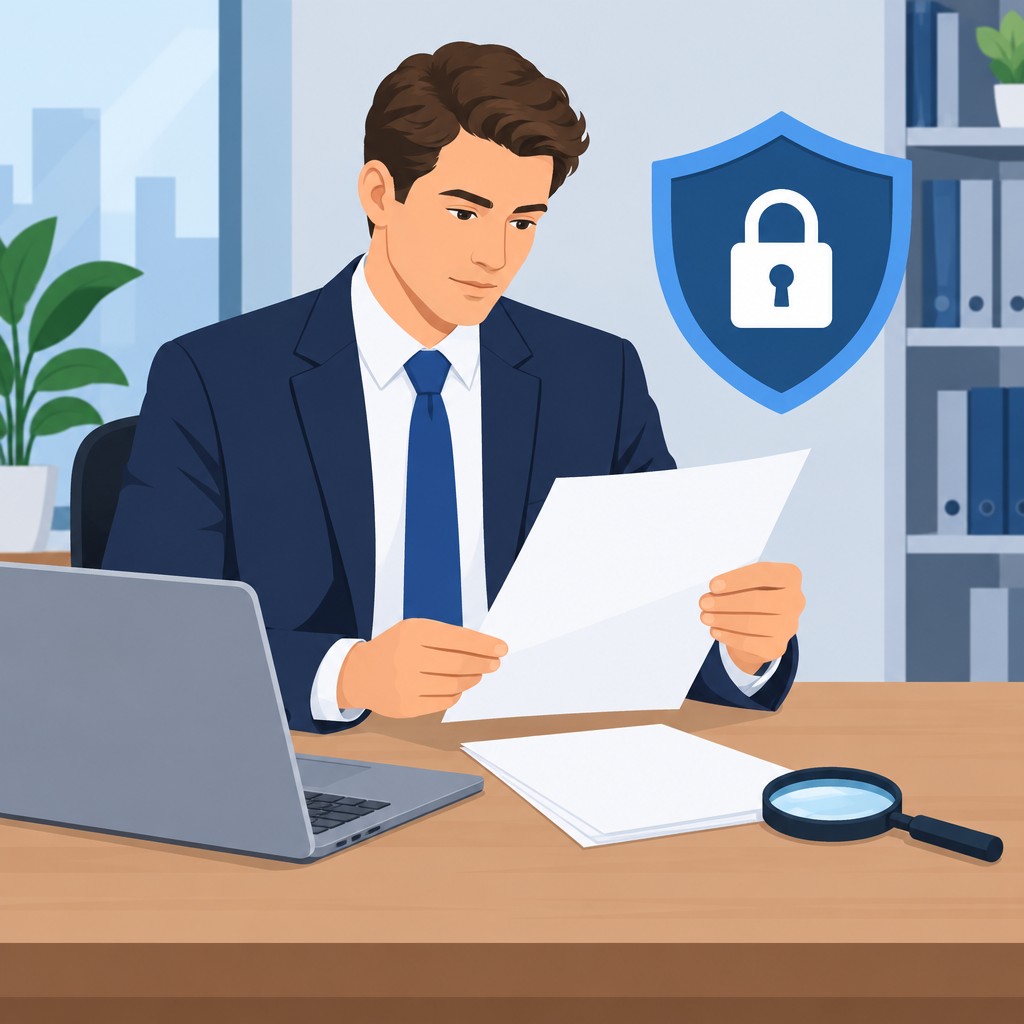
After collecting audit data, the IT auditor analyzes it thoroughly.
This process reveals patterns, discrepancies, and potential concerns within the organization’s IT systems.
The auditor then communicates findings and practical recommendations to management.
- The IT auditor uses analytical tools and techniques to identify anomalies, trends, and potential risks.
- Afterward, the auditor prepares a detailed report summarizing the process, identified risks, and improvement recommendations.
- Finally, the auditor presents findings and recommendations to senior management for appropriate action.
Clear reporting helps organizations improve IT systems and mitigate potential risks.
Delve into the Subject: How IoT Developers Improve Industrial Automation
Collaboration with IT Teams
IT auditors collaborate closely with IT professionals throughout the audit process.
This cooperation gives auditors valuable insight into the organization’s technology infrastructure and systems.
Auditors also provide guidance on security measures that can reduce identified risks.
Furthermore, IT auditors help teams evaluate compliance with organizational policies and applicable regulations.
They identify compliance gaps and support strategies that address those issues.
Through shared expertise, both teams strengthen the organization’s security and operational resilience.
- Work closely with IT professionals
- Provide guidance on security measures
- Support compliance with policies and regulations
As an IT Auditor, continuous learning and professional development help you remain relevant and effective.
Staying Updated on Industry Trends and Best Practices
Keeping current with industry trends helps IT Auditors provide valuable services to their organizations.
Regular reading exposes auditors to changing practices and emerging approaches within the field.
Additionally, conferences and online forums help auditors exchange knowledge with other professionals.
Attending Training Sessions and Workshops
Training sessions and workshops strengthen an IT Auditor’s technical and professional abilities.
These sessions may address auditing techniques, communication skills, or leadership development.
Furthermore, focused instruction helps auditors apply new knowledge during their professional activities.
Obtaining Certifications to Enhance Skills and Knowledge
Relevant certifications help IT Auditors expand their knowledge and demonstrate professional expertise.
For example, the Certified Information Systems Auditor certification supports development in the auditing field.
Similarly, the Certified Information Security Manager certification reflects knowledge of information security management.
Transform Your Career Today
Unlock a personalized career strategy that drives real results. Get tailored advice and a roadmap designed just for you.
Start NowInvesting in continuous learning helps IT Auditors advance their careers and contribute meaningfully to their organizations.
Security Monitoring and Risk Control
IT auditors review security logs to identify suspicious activities.
Next, they conduct risk assessments to determine system threats and vulnerabilities.
They also collaborate with IT teams to implement security measures and support regulatory compliance.
Throughout the day, auditors examine network security and data integrity.
When issues emerge, they investigate root causes and recommend corrective actions.
Furthermore, strong communication helps them present findings to management and IT teams.
Through this work, IT auditors safeguard sensitive information and help prevent cyber threats.
Professional Impact in Information Security
These responsibilities make IT auditors instrumental in protecting organizations from potential risks.
Additionally, their work supports security and integrity across information systems.
For people with technology interests and careful attention to detail, IT auditing can offer a rewarding career path.
Additional Resources
Google search results for Day in the Life of an IT Auditor: What to Expect Information Technology
Bing search results for Day in the Life of an IT Auditor: What to Expect Information Technology


