




Managing Stress in Event Planning
Event planning offers excitement but also creates demanding professional responsibilities.
Planners manage numerous tasks, deadlines, and client expectations throughout each event.
Therefore, effective stress management supports mental and emotional well-being.
Understanding Stressful Event Planning Challenges
Event planners face tight deadlines, sudden changes, and complex vendor coordination.
Moreover, these demands can quickly overwhelm even experienced professionals.
The pressure to deliver flawless events leaves little room for mistakes.
Consequently, one error can disrupt operations and affect client satisfaction.
Benefits of Effective Stress Management
Managing stress helps event planners maintain focus and creativity.
Additionally, a calm mind supports stronger decisions and better problem-solving.
Stress management also protects health and reduces the risk of burnout.
As a result, healthy planners can create memorable experiences for clients and guests.
Practical Strategies for Reducing Workplace Stress
First, prioritize time management by dividing tasks into manageable steps.
Set realistic deadlines and create daily task lists to guide priorities.
Next, delegate responsibilities according to each team member’s strengths.
Trusting your team distributes the workload and reduces individual pressure.
Meanwhile, schedule regular breaks and choose activities that restore your energy.
Yoga, meditation, and brisk walks can provide useful self-care opportunities.
Furthermore, maintain open communication with clients, vendors, and team members.
Clear updates prevent misunderstandings and reduce unexpected problems.
Finally, evaluate commitments carefully before accepting additional responsibilities.
Knowing your limits helps you protect a healthier work-life balance.
Sustaining Performance Through Balanced Planning
These strategies can help event planners reduce pressure during demanding projects.
With consistent stress management, planners can remain capable in this dynamic profession.
They can also deliver exceptional events while protecting their well-being.
Understanding the Root Causes of Stress
Event planners face unique challenges that can increase stress throughout their work.
Understanding these challenges provides a practical starting point for managing pressure.
Recognizing specific stressors also helps planners choose suitable coping strategies.
Common Stressors for Event Planners
- Tight Deadlines: Strict timelines make missed deadlines especially consequential.
- High Client Expectations: Lofty client ambitions can create pressure to deliver exceptional events.
- Unpredictable Circumstances: Weather issues, venue problems, and vendor cancellations can create anxiety.
- Budget Constraints: Planners must find cost-effective solutions while maintaining service quality.
- Managing Multiple Events: Several simultaneous projects can make workloads feel overwhelming.
- Team Coordination: Miscommunication among teams and vendors can cause errors and additional stress.
- Client Personalities: Demanding client interactions can strain professional relationships.
- Long Hours: Extended schedules can contribute to physical and mental exhaustion.
These stressors can affect planning, communication, and decision-making.
However, personal reactions often determine how strongly each challenge affects a planner.
Therefore, planners should examine their individual triggers before selecting management techniques.
Acknowledging Personal Triggers
Each planner experiences stress differently.
Identifying personal triggers allows planners to tailor their responses more effectively.
This awareness can make stress management more intentional and practical.
- Perfectionism: Accepting that good enough sometimes suffices can reduce unnecessary pressure.
- Fear of Failure: Viewing failure as part of learning can provide relief.
- Inability to Delegate: Retaining every responsibility can increase the risk of burnout.
- Lack of Organization: Structured planning systems can reduce confusion and stress.
- Negative Self-Talk: Positive affirmations can challenge critical thoughts and support confidence.
- Overcommitting: Learning to decline projects can protect personal mental health.
These triggers can intensify ordinary planning difficulties.
Meanwhile, honest self-assessment helps planners recognize patterns before stress becomes overwhelming.
Once planners understand these patterns, they can apply targeted strategies during demanding periods.
Practical Stress Management Strategies
Planners can use practical techniques after identifying their main stressors and personal triggers.
These techniques encourage organization, realistic expectations, and consistent recovery.
Furthermore, small adjustments can make demanding planning periods easier to manage.
- Prioritize Tasks: Use to-do lists and digital planners to organize essential work.
- Set Realistic Goals: Achievable goals create progress through small, cumulative accomplishments.
- Practice Mindfulness: Meditation and deep breathing can promote clarity and relaxation.
- Maintain Work-Life Balance: Clear boundaries and dedicated workspaces can separate professional and personal time.
- Utilize Technology: Event management software can streamline planning and reduce administrative work.
- Network with Peers: Fellow planners can offer emotional support and practical advice.
- Engage in Physical Activity: Regular exercise can support mental health and release endorphins.
- Establish Support Systems: Friends and family can provide encouragement and workload assistance.
Each strategy addresses a different part of the planning experience.
Transform Your Career Today
Unlock a personalized career strategy that drives real results. Get tailored advice and a roadmap designed just for you.
Start NowFor example, organization reduces confusion, while support systems ease emotional pressure.
Planners should also protect time for personal wellness alongside professional responsibilities.
The Importance of Self-Care
Self-care strengthens a planner’s ability to handle challenging situations.
Prioritizing personal well-being also supports sustained focus and energy.
Regular recovery practices can help planners maintain healthier working patterns.
- Schedule Downtime: Regular relaxation breaks can prevent burnout and refresh the mind.
- Engage in Hobbies: Outside interests can provide creative outlets and fresh perspectives.
- Eat Well: Balanced nutrition can support energy levels and mood.
- Get Adequate Sleep: Restful sleep supports focus and sound decision-making.
- Seek Professional Help: A therapist can provide coping strategies suited to individual needs.
Effective stress management combines self-awareness, planning, and self-care.
By applying these practices, planners can navigate demanding responsibilities with greater ease.
Prioritizing well-being supports a more fulfilling and sustainable career in event planning.
Developing a Solid Time Management Strategy
Effective time management helps event planners organize demanding workloads.
A structured strategy supports prioritization while reducing unnecessary stress.
Several practical methods can help planners manage tasks and deadlines more consistently.
Creating a Detailed Schedule or Calendar
A comprehensive schedule creates a foundation for efficient time management.
Breaking projects into smaller assignments makes demanding work easier to manage.
Regular planning also helps you respond to unexpected changes.
- Use a digital calendar: Choose a tool that syncs across devices, such as Google Calendar or Outlook.
- Break down tasks: Divide projects into smaller tasks and assign deadlines for each assignment.
- Color-code categories: Use different colors for tasks, meetings, and deadlines.
- Plan weekly and daily: Set aside weekly planning time and review your schedule each day.
- Include buffer time: Add extra time because unexpected issues frequently arise.
A well-structured calendar keeps your responsibilities visible and your attention focused.
Prioritizing Tasks and Deadlines
Clear priorities help you decide which responsibilities require immediate attention.
Systematic planning keeps your workload manageable throughout each day.
Focused decision-making also helps you protect time for important duties.
- Use the Eisenhower Matrix: Separate urgent tasks from important tasks, then address meaningful priorities first.
- Create a daily to-do list: Identify three top priorities each morning.
- Review for deadlines: Check approaching deadlines and allocate time efficiently.
- Avoid multitasking: Concentrate on one responsibility at a time to improve efficiency.
- Learn to say no: Recognize your limits before accepting additional responsibilities.
Effective prioritization keeps your focus sharp during demanding work periods.
Delegating Responsibilities When Possible
Delegation distributes responsibilities and gives you more time for critical duties.
Thoughtful assignments can improve teamwork and reduce your personal workload.
Clear communication helps everyone understand expectations and progress.
- Identify team strengths: Assign responsibilities according to each team member’s expertise.
- Create clear instructions: Provide comprehensive directions to reduce errors.
- Empower others: Give team members authority to make appropriate decisions.
- Communicate regularly: Schedule check-ins to monitor progress without micromanaging.
- Be open to feedback: Encourage team members to share useful insights.
Teamwork allows you to concentrate on responsibilities that need your direct attention.
Implementing Time Blocks for Focused Work
Dedicated time blocks create structure and encourage consistent productivity.
Adjusting blocks around personal productivity patterns can strengthen concentration.
Flexible scheduling allows you to respond when unforeseen circumstances occur.
- Designate uninterrupted work sessions: Reserve focused periods and turn off notifications.
- Vary task types: Alternate responsibilities to maintain engagement and reduce monotony.
- Incorporate breaks: Schedule short breaks to refresh your mind and maintain focus.
- Customize your schedule: Align time blocks with your personal productivity patterns.
- Stay flexible: Adapt your blocks when unexpected circumstances require changes.
Time blocking encourages disciplined work habits and supports sustained attention.
Practicing Self-Care and Mindfulness
Self-care supports the mental and physical energy required for demanding responsibilities.
Healthy routines can improve your ability to handle pressure effectively.
Personal boundaries also create valuable separation between work and private life.
- Engage in regular exercise: Choose physical activities that you enjoy.
- Eat healthily: Maintain a balanced diet to support your body and mind.
- Practice mindfulness: Explore meditation or yoga to promote relaxation and clarity.
- Establish boundaries: Create space between professional responsibilities and personal life.
- Seek support: Connect with fellow planners or a mentor for guidance.
Taking care of yourself strengthens your ability to manage demanding event responsibilities.
Discover More: Role of Media Research Analysts in Crisis Communication
Practice Effective Communication
Effective communication helps event planners coordinate responsibilities and keep everyone informed.
Clear communication also prevents misunderstandings from becoming stressful situations.
Therefore, planners should create an environment that supports openness, clarity, and cooperation.
Maintain Open and Clear Communication
Open communication prevents confusion about expectations, deadlines, and responsibilities.
Regular contact helps clients, vendors, and team members remain aligned throughout planning.
Furthermore, clear records make decisions easier to review and responsibilities easier to confirm.
- Regular Meetings: Schedule check-ins with clients, vendors, and your team to review progress.
- Use Technology: Use project management tools such as Trello or Asana to track tasks and deadlines.
- Clear Documentation: Record communications and decisions so everyone understands assigned responsibilities.
- Be Approachable: Encourage team members and clients to raise concerns without hesitation.
- Set Expectations: Explain each party’s role and clarify what you can deliver as an event planner.
Prevent Misunderstandings
Ambiguous information can create serious problems during event planning.
Addressing uncertainty quickly saves time and reduces avoidable stress.
Transform Your Career Today
Unlock a personalized career strategy that drives real results. Get tailored advice and a roadmap designed just for you.
Start NowAdditionally, shared confirmations help everyone maintain the same understanding of the plan.
- Clarify Information: Ask questions immediately when any detail seems vague or incomplete.
- Summarize Agreements: Send meeting summaries to all parties for confirmation.
- Use Visual Aids: Use diagrams or flowcharts to explain complex ideas clearly.
- Establish Checkpoints: Revisit goals regularly and adjust plans when necessary.
Address Conflicts Promptly
Conflict can arise during any collaborative planning effort.
However, prompt and respectful action can reduce tension and protect progress.
A neutral event planner can guide participants toward practical solutions.
- Listen Actively: Give every party an opportunity to explain concerns and priorities.
- Stay Neutral: Facilitate resolution without taking sides during disputes.
- Encourage Solutions: Ask participants to suggest options that address shared concerns.
- Avoid Blame: Focus discussions on resolving the issue instead of assigning fault.
- Follow-Up: Contact the involved parties after resolution to confirm satisfaction.
Keep Everyone Informed
Progress updates reduce uncertainty and help people understand their current responsibilities.
Freelancers and vendors may manage several projects at once.
Consequently, timely information helps them follow event timelines more confidently.
- Regular Updates: Send periodic updates through email or instant messaging.
- Use Collaborative Platforms: Use Slack or Microsoft Teams for quick questions and updates.
- Publicize Event Timelines: Share milestones, responsibilities, and deadlines with everyone involved.
- Encourage Feedback: Invite opinions about plans and ideas to strengthen team communication.
Implement Conflict Resolution Strategies
Structured conflict resolution helps planners respond consistently when disagreements occur.
Proactive preparation also reduces pressure when challenges arise.
In addition, shared procedures help team members manage common disputes more independently.
- Collaborative Problem-Solving: Evaluate options collectively and invite contributions from team members.
- Training: Provide conflict resolution training so team members can manage challenges effectively.
- Written Protocols: Create guidelines for handling common issues and disputes.
- Mediation Skills: Develop mediation skills to prevent conflicts from escalating.
Foster a Positive Environment
A supportive workplace encourages collaboration, creativity, and honest communication.
Positive interactions can also reduce stress throughout the planning process.
Moreover, team support helps people address concerns before they affect event progress.
- Positive Reinforcement: Recognize team members’ efforts publicly and reinforce helpful behaviors.
- Encourage Team Bonding: Organize team-building activities that strengthen working relationships.
- Maintain Work-Life Balance: Encourage healthy boundaries to reduce burnout and support job satisfaction.
- Offer Support: Listen to team needs and provide necessary resources and guidance.
Utilize Feedback Effectively
Feedback shows whether communication methods support effective event planning.
Regular evaluation helps planners identify strengths and address weaknesses.
As a result, flexible communication strategies can improve future collaboration.
- Regular Surveys: Conduct surveys to assess communication effectiveness and identify improvement areas.
- Follow-Up Meetings: Discuss feedback during meetings that encourage open dialogue.
- Adapt Strategies: Adjust communication methods according to the feedback you receive.
- Celebrate Improvements: Acknowledge communication gains to build momentum and encouragement.
Effective communication can greatly reduce stress for event planners.
Clear dialogue and prompt conflict resolution create a smoother planning process.
Ultimately, consistent communication strengthens teamwork, trust, and event planning performance.
Discover More: How to Develop a Social Media Policy for Businesses
Physical Health Practices for Event Planners
Event planners manage demanding schedules and many competing responsibilities.
Therefore, physical health provides an important foundation for effective stress management.
Consistent wellness habits can strengthen your ability to handle pressure throughout each event.
Regular Exercise for Stress Relief
Exercise acts as a natural stress reliever.
Regular physical activity can improve your mood and support your mental health.
Aim for at least thirty minutes of exercise most days each week.
- Cardio Workouts: Running, cycling, and swimming can elevate your heart rate and reduce stress.
- Strength Training: Lifting weights can release endorphins and enhance feelings of happiness.
- Group Classes: Yoga and spin classes can provide social support during exercise.
- Outdoor Activities: Hiking and walking in nature can refresh your mind and body.
Create an exercise schedule to help maintain consistency.
Treat exercise appointments like work meetings within your daily routine.
You can exercise early in the morning or during your lunch break.
As a result, regular movement can help maintain your energy throughout the day.
Consistent Sleep for Greater Resilience
Sleep plays a crucial role in stress management.
A well-rested mind performs better and responds more effectively to pressure.
Aim for seven to nine hours of quality sleep each night.
- Establish a Sleep Schedule: Go to bed and wake up at consistent times each day.
- Create a Relaxing Bedtime Routine: Read or take a warm bath before sleeping.
- Limit Screen Time Before Bed: Reduce screen exposure at least one hour before sleeping.
- Optimize Your Sleep Environment: Keep your bedroom dark, cool, and quiet.
Adequate sleep supports cognitive function and emotional well-being.
When you rest well, stressful situations become easier to handle.
Deep breathing and gentle stretches can also help you drift off peacefully.
Nutritious Meals for Sustained Energy
Your diet significantly influences your physical health.
Nutritious meals give your body the energy needed for daily demands.
Choose a variety of foods to support balanced nutrition.
- Fruits and Vegetables: Fill your plate with colorful foods that provide vitamins and minerals.
- Whole Grains: Choose whole grain bread, rice, and pasta for sustained energy.
- Lean Proteins: Include chicken, fish, beans, and legumes in your meals.
- Healthy Fats: Use olive oil, nuts, and avocados to support heart health.
Hydration also plays an important role in stress management.
Transform Your Career Today
Unlock a personalized career strategy that drives real results. Get tailored advice and a roadmap designed just for you.
Start NowDrink plenty of water throughout the day to support your energy.
Dehydration can contribute to fatigue and irritability.
Additionally, excessive caffeine consumption may increase anxiety levels.
Relaxation Techniques for Daily Recovery
Relaxation techniques can help calm your mind and body.
Yoga, meditation, and mindfulness can support a calmer daily routine.
Set aside specific time for relaxation each day.
- Yoga: Yoga combines physical movement with breath control to encourage relaxation.
- Meditation: A few minutes of meditation can clear your mind and improve focus.
- Deep Breathing: Diaphragmatic breathing can promote relaxation and reduce tension.
- Progressive Muscle Relaxation: Tense and relax each muscle group to release stress.
Even a short daily practice can provide meaningful benefits.
Use apps or online videos to guide your relaxation practice.
Experiment with different techniques until you find enjoyable options.
Choose practices that fit your routine and encourage consistent use.
A Balanced Routine for Ongoing Well-Being
A balanced routine can help regulate your stress levels.
Allocate time for work, rest, and social activities.
Adjust your schedule when your energy levels change.
- Set Realistic Goals: Break tasks into manageable steps to prevent overwhelm.
- Prioritize Tasks: Use a to-do list to separate urgent activities from important ones.
- Schedule Downtime: Reserve time for rest and recovery.
- Engage in Hobbies: Spend time on enjoyable activities outside work.
Self-awareness helps you create and maintain this balance.
Notice your energy levels and adjust your routine when necessary.
Learning to say no when overwhelmed can protect your physical and mental health.
Physical Health as a Stress Management Foundation
Physical health supports your ability to manage stress as an event planner.
Exercise, sleep, nutritious meals, and relaxation practices strengthen daily well-being.
Make these habits a consistent priority to support your responsibilities and personal health.
You Might Also Like: Incorporating Statistics in Sports Announcing
Set Realistic Goals and Expectations
Realistic goals help event planners manage stress more effectively.
This approach reduces overwhelm and supports stronger performance throughout the planning process.
Additionally, clear expectations help planners organize responsibilities and respond calmly to challenges.
Break Down Large Projects
Large projects can quickly become overwhelming without a clear structure.
Therefore, divide each project into smaller tasks that feel manageable.
This method supports steady progress and makes necessary adjustments easier.
- Identify the Major Components: List the event’s main components, including venue selection, catering, and entertainment.
- Divide into Smaller Tasks: Break each component into tasks such as menu selection, vendor communication, and tasting appointments.
- Prioritize Tasks: Address urgent responsibilities first to maintain a steady workflow.
- Set Deadlines: Assign deadlines to smaller tasks to encourage timely completion.
- Monitor Progress: Review each task regularly and adjust plans when necessary.
Maintain Realistic Expectations
Realistic expectations help planners protect their energy and avoid burnout.
Overestimating personal capabilities can create unnecessary pressure and exhaustion.
Instead, evaluate available resources and adjust goals according to actual conditions.
- Assess Available Resources: Consider your time, budget, and team availability before setting goals.
- Learn from Past Experiences: Review previous events and identify successful approaches or necessary improvements.
- Consult Peers: Discuss achievable goals with fellow planners and learn from their experiences.
- Set Clear Boundaries: Communicate your limits clearly so clients understand your capabilities.
- Be Flexible: Adapt to unexpected changes while maintaining productivity and composure.
Prevent Burnout Through Boundaries
Clear boundaries help planners manage expectations and protect personal energy.
They also create healthier separation between professional responsibilities and personal time.
Furthermore, consistent boundaries make demanding planning periods more sustainable.
- Define Work Hours: Establish work hours and communicate them clearly to clients.
- Schedule Breaks: Plan short breaks throughout the day to refresh your mind and body.
- Limit Client Contact: Set specific communication times and protect personal time from constant distractions.
- Delegate Responsibilities: Share tasks with your team or hire freelancers for specific functions.
- Practice Self-Care: Use exercise, meditation, or hobbies to rejuvenate yourself and lower stress.
Manage Client Expectations
Effective client communication creates shared expectations from the beginning.
Clear discussions also reduce confusion about responsibilities, budgets, and timelines.
As a result, consistent communication strengthens trust and limits frustration.
- Initial Meetings: Discuss client needs and vision thoroughly during the first meeting.
- Provide Clear Proposals: Outline the project scope, budget, and timelines in detail.
- Regular Updates: Share progress updates to maintain transparency and trust.
- Address Concerns Promptly: Respond quickly when issues arise to limit frustration.
- Document Everything: Record communications to support clarity and accountability for everyone.
Build a Reliable Support System
A strong support system gives event planners practical guidance during difficult situations.
Shared experiences can reveal useful solutions and reduce feelings of isolation.
Moreover, collaboration strengthens skills and encourages open discussion about challenges.
- Network with Other Planners: Join industry groups or forums to exchange support and advice.
- Engage with Mentors: Seek experienced mentors who can guide you through challenging situations.
- Involve Your Team: Encourage open dialogue about challenges and possible solutions.
- Attend Workshops: Participate in professional development workshops to strengthen skills and expand connections.
- Utilize Online Resources: Explore webinars and tutorials focused on stress management and event planning.
Apply Sustainable Planning Practices
Realistic planning practices help event planners handle responsibilities with greater control.
Breaking down projects, setting boundaries, and communicating clearly can reduce overwhelm.
Transform Your Career Today
Unlock a personalized career strategy that drives real results. Get tailored advice and a roadmap designed just for you.
Start NowFinally, a dependable support system can strengthen your success as an event planner.
Find Out More: Media Research Analysts and the Streaming Revolution
Seek Support from Peers and Mentors
Event planning can create intense pressure through demanding tasks, deadlines, and client expectations.
However, support from peers and mentors can help you manage that pressure more effectively.
Connecting with experienced professionals also provides practical insights and emotional reassurance.
Connect with Other Event Planners
Networking with event planners creates a professional community that understands your daily challenges.
Furthermore, conversations with peers can reveal practical approaches to stressful situations.
Several opportunities can help you build meaningful connections within the event planning industry.
- Join Professional Associations: Organizations such as ILEA and MPI offer networking opportunities, forums, events, and resources.
- Attend Conferences and Workshops: Industry events expand your knowledge and introduce you to other event professionals.
- Leverage Social Media: Facebook, LinkedIn, and Instagram host groups where event planners exchange advice.
- Participate in Local Meetups: Local gatherings provide personal conversations with professionals who understand your responsibilities.
These connections strengthen professional relationships and improve your ability to solve problems.
In addition, peers may share strategies that helped them handle similar challenges.
Share Experiences and Advice
Open communication encourages planners to discuss difficulties without feeling isolated.
Sharing experiences also validates your feelings and introduces perspectives you might otherwise miss.
You can create supportive conversations through several professional and informal channels.
- Start a Blog or Podcast: Share your experiences and invite others to discuss their professional journeys.
- Form a Peer Support Group: Gather planners regularly to discuss challenges and develop possible solutions.
- Participate in Online Forums: Reddit and specialized forums allow planners to request advice from wider communities.
- Engage in Informal Conversations: Casual discussions during industry events can produce candid and useful advice.
Different viewpoints can help you discover solutions that you had not previously considered.
Moreover, shared understanding can provide emotional support during difficult planning periods.
Build a Productive Mentoring Relationship
A mentor can guide your professional development during stressful moments.
Their experience may help you recognize patterns that contribute to unnecessary pressure.
Meanwhile, clear expectations can make the mentoring relationship more useful for both people.
- Identify Potential Mentors: Consider seasoned planners or industry leaders whose work you admire.
- Build a Relationship: Approach potential mentors with genuine interest in their careers and insights.
- Set Clear Goals: Explain whether you want industry knowledge or guidance with specific challenges.
- Be Open to Feedback: Accept constructive criticism that encourages professional growth and different thinking.
- Maintain Regular Communication: Schedule weekly or monthly check-ins to discuss ongoing concerns.
Mentorship gives you a safe space to express concerns and explore possible solutions.
A mentor can also introduce you to valuable contacts within the event planning industry.
Use Coaching Services for Structured Guidance
Professional coaching offers more formal guidance when peer support does not meet every need.
An event planning coach can tailor strategies to your specific responsibilities and concerns.
Regular coaching conversations can also encourage consistent progress toward professional goals.
- Personalized Strategies: A coach develops actionable plans based on your individual needs.
- Accountability: Regular check-ins encourage you to follow through on agreed goals.
- Skill Development: Coaching can strengthen time management, negotiation, and communication abilities.
- Stress-Reduction Techniques: Coaches may teach mindfulness, breathing exercises, and practical planning methods.
Coaching may support stress management while encouraging broader professional development.
Additionally, an objective viewpoint can clarify challenges and reveal potential improvements.
Strengthen Your Professional Support Network
Support from peers, mentors, and coaches can make stressful event planning responsibilities easier to navigate.
Each relationship offers different benefits, from shared experiences to personalized guidance.
By accepting appropriate support, you can approach your professional challenges with greater confidence.
You are not alone in this work, and meaningful connections can help you thrive within the event planning industry.
Embrace Flexibility and Adaptability
Event planning requires flexibility and adaptability.
Not every detail will follow the original plan.
Each event brings unique challenges and unexpected situations.
Accepting this reality can reduce stress and improve your performance.
Recognizing the Importance of Flexibility
Flexibility helps you navigate the unpredictable nature of events.
- Reduces Stress: Accepting possible changes reduces pressure to control every detail.
- Enhances Problem-Solving: A flexible mindset encourages creative thinking when challenges emerge.
- Builds Resilience: Adapting to changes strengthens your ability to recover from setbacks.
- Improves Collaboration: Flexibility encourages open communication with stakeholders and team members.
Developing Resilience
Resilience helps event planners face challenges directly.
You can strengthen resilience through several practical habits.
- Stay Positive: Maintain a positive outlook during difficult situations.
- Learn from Experience: Reflect on past events and identify ways to improve.
- Practice Self-Care: Prioritize activities that restore your energy and focus.
- Seek Support: Build connections with fellow planners and mentors.
Improving Problem-Solving Skills
Effective problem-solving skills help you handle unexpected situations efficiently.
Use a deliberate process to evaluate challenges and select practical responses.
- Stay Calm: Take a deep breath and analyze the situation before responding.
- Identify the Issue: Define the problem clearly before addressing it.
- Gather Information: Collect relevant data before making a decision.
- Brainstorm Solutions: Generate multiple solutions, including unconventional ideas.
- Evaluate Options: Compare the advantages and disadvantages of each solution.
- Implement the Solution: Apply the selected solution and monitor the results.
Preparing for Unexpected Situations
Every event planner should prepare for unexpected scenarios.
Advance preparation helps teams respond quickly when circumstances change.
Transform Your Career Today
Unlock a personalized career strategy that drives real results. Get tailored advice and a roadmap designed just for you.
Start Now- Create Contingency Plans: Prepare backup plans for venues, vendors, and schedules.
- Maintain a Flexible Mindset: Encourage yourself and your team to think creatively.
- Engage Your Team: Invite team members to brainstorm potential solutions.
- Conduct Mock Rehearsals: Simulate different scenarios during the planning process.
Building Strong Professional Relationships
Strong relationships with vendors and clients support faster adaptation.
Trust also makes it easier to discuss problems and coordinate responses.
- Communicate Clearly: Explain expectations and responsibilities to everyone involved.
- Be Approachable: Encourage people to discuss concerns openly.
- Show Appreciation: Thank colleagues and vendors for their hard work.
- Be Honest: Discuss challenges transparently with stakeholders.
Continual Learning and Professional Growth
Event planning continues to evolve.
Continual learning helps you remain adaptable and informed.
Use several approaches to strengthen your knowledge and planning methods.
- Attend Workshops and Seminars: Learn from event management experts and industry leaders.
- Stay Updated on Trends: Follow industry publications and emerging technologies.
- Network with Other Planners: Share practices and learn from fellow planners.
- Seek Feedback: Review successes and improvement areas after each event.
Adapting for Event Planning Success
Flexibility and adaptability support effective event planning.
These qualities can reduce stress and strengthen your problem-solving abilities.
Resilience and preparation help you respond effectively to unexpected challenges.
Strong relationships and continual learning further improve your ability to adapt.
Make flexibility a core part of your planning strategy.
A Sustainable Approach to Event Planning Stress
A sustainable stress management routine can help event planners protect performance and personal well-being.
Begin by reviewing your responsibilities before each event.
Assign suitable tasks to team members instead of carrying every decision alone.
Clear expectations help everyone respond confidently when pressure increases.
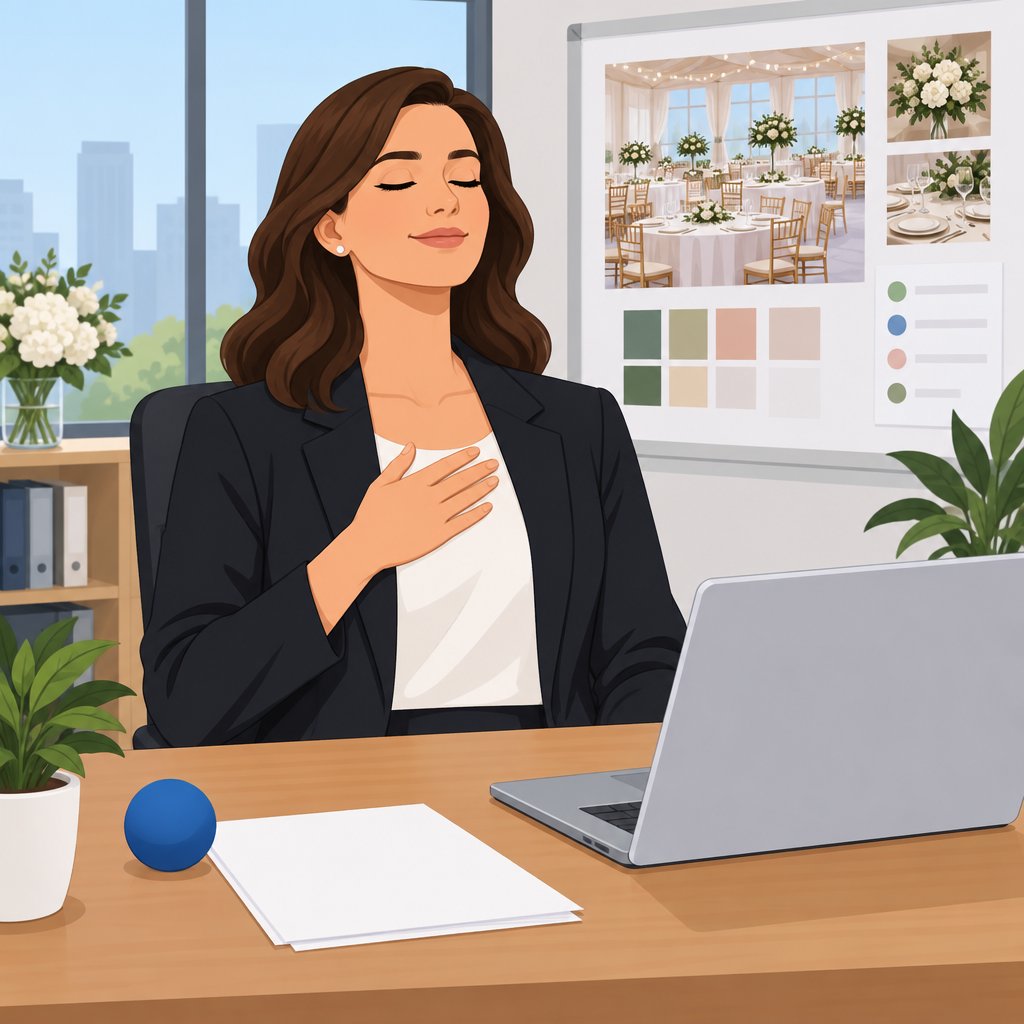
During busy periods, pause briefly and use deep breathing to restore focus.
Mindfulness can help you notice tension before it affects your decisions.
When pressure rises, protect your attention by responding deliberately.
Schedule breaks so work does not consume your entire day.
Outside work, hobbies can offer a restorative change of pace.
After each event, record successful choices and unresolved challenges.
This review turns experience into practical guidance for future planning.
Recognize progress as well as areas that need adjustment.
Treat each challenge as information that can strengthen your next approach.
Ultimately, consistent self-care helps planners sustain energy across demanding responsibilities.
Apply these practices regularly to support efficient work and a healthier mindset.
Additional Resources
Google search results for How to Manage Stress as an Event Planner Media and Communication
Bing search results for How to Manage Stress as an Event Planner Media and Communication


